10 Books Similar to "Harper Lee's To Kill a Mockingbird: Bloom's Guides"
by Harold Bloom

To Kill a Mockingbird
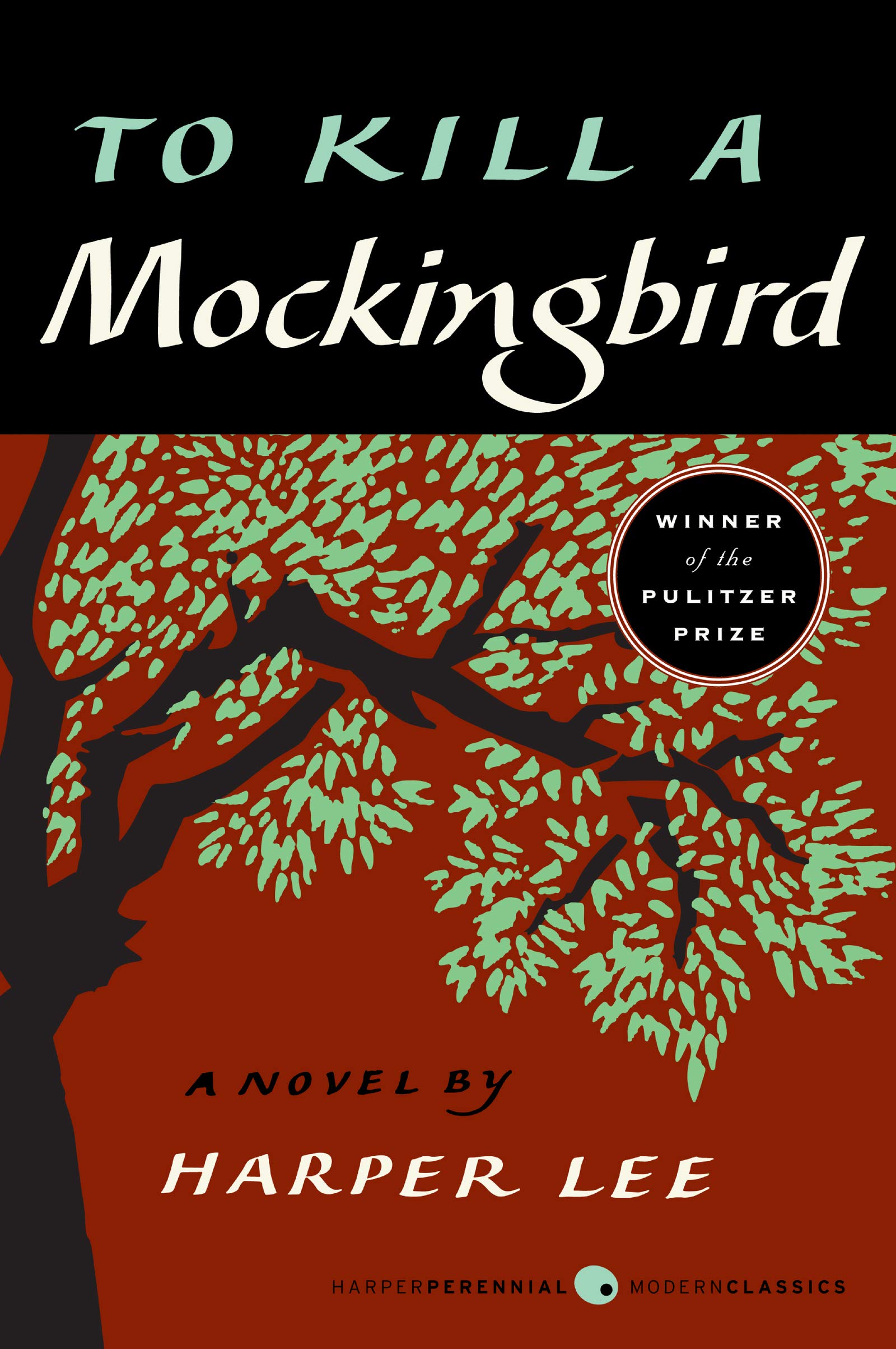
Harper Lee's "To Kill a Mockingbird" masterfully explores themes of racial injustice, moral education, and the loss of innocence through the eyes of a young girl, Scout Finch, in 1930s Maycomb, Alabama. It chronicles her father Atticus's courageous defense of Tom Robinson, a Black man falsely accused of assault, against the backdrop of pervasive prejudice and deep-seated societal biases.
"Harper Lee's To Kill a Mockingbird: Bloom's Guides" serves as a comprehensive analytical companion to the original novel. It provides critical essays, scholarly interpretations, and historical context, deepening understanding of the literary techniques, enduring themes, and cultural impact explored within Lee's work. The "Guide" dissects the very elements that make the novel a classic.
This foundational novel offers timeless insights into empathy, justice, and courage, resonating strongly with today's social discourse. Its powerful narrative and memorable characters foster contemplation on morality and societal responsibility, making it an essential read for anyone seeking to engage with profound human experiences and the complexities of human nature.
To Kill a Mockingbird
Harper Lee's "To Kill a Mockingbird" masterfully explores themes of racial injustice, moral education, and the loss of innocence through the eyes of a young girl, Scout Finch, in 1930s Maycomb, Alabama. It chronicles her father Atticus's courageous defense of Tom Robinson, a Black man falsely accused of assault, against the backdrop of pervasive prejudice and deep-seated societal biases.
"Harper Lee's To Kill a Mockingbird: Bloom's Guides" serves as a comprehensive analytical companion to the original novel. It provides critical essays, scholarly interpretations, and historical context, deepening understanding of the literary techniques, enduring themes, and cultural impact explored within Lee's work. The "Guide" dissects the very elements that make the novel a classic.
This foundational novel offers timeless insights into empathy, justice, and courage, resonating strongly with today's social discourse. Its powerful narrative and memorable characters foster contemplation on morality and societal responsibility, making it an essential read for anyone seeking to engage with profound human experiences and the complexities of human nature.
Go Set a Watchman
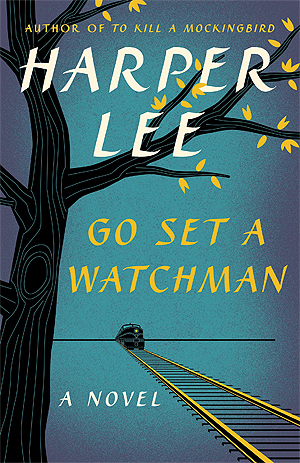
"Go Set a Watchman" presents a mature Scout Finch, now Jean Louise, returning to Maycomb in the 1950s. She grapples with the stark realization that her idealized father, Atticus, holds deeply unsettling racist views, shattering her childhood perceptions and forcing her to confront the complex racial prejudices inherent in her hometown and within her own family.
The similarity to "Harper Lee's To Kill a Mockingbird: Bloom's Guides" lies in their shared role as companion pieces illuminating the seminal novel. While Bloom's Guide offers critical analysis of *Mockingbird*, "Go Set a Watchman" provides an internal, almost alternate, perspective on its characters and themes. It offers a raw, unvarnished look at the social fabric that underpins *Mockingbird*, revealing complexities and contradictions that were perhaps only hinted at in the earlier work.
This novel offers historical and thematic depth to the *To Kill a Mockingbird* universe. It provides an adult lens through which to re-evaluate the iconic characters and the very foundations of racial justice depicted in Lee's previous work. For those who cherished *Mockingbird*, "Watchman" presents a sometimes uncomfortable but ultimately enriching exploration of the enduring struggle against prejudice and the painful evolution of individual and societal understanding.
Go Set a Watchman
"Go Set a Watchman" presents a mature Scout Finch, now Jean Louise, returning to Maycomb in the 1950s. She grapples with the stark realization that her idealized father, Atticus, holds deeply unsettling racist views, shattering her childhood perceptions and forcing her to confront the complex racial prejudices inherent in her hometown and within her own family.
The similarity to "Harper Lee's To Kill a Mockingbird: Bloom's Guides" lies in their shared role as companion pieces illuminating the seminal novel. While Bloom's Guide offers critical analysis of *Mockingbird*, "Go Set a Watchman" provides an internal, almost alternate, perspective on its characters and themes. It offers a raw, unvarnished look at the social fabric that underpins *Mockingbird*, revealing complexities and contradictions that were perhaps only hinted at in the earlier work.
This novel offers historical and thematic depth to the *To Kill a Mockingbird* universe. It provides an adult lens through which to re-evaluate the iconic characters and the very foundations of racial justice depicted in Lee's previous work. For those who cherished *Mockingbird*, "Watchman" presents a sometimes uncomfortable but ultimately enriching exploration of the enduring struggle against prejudice and the painful evolution of individual and societal understanding.
Atticus

Ron Hansen's "Atticus" explores the complexities of a father-son relationship set against the harsh, beautiful landscape of Alaska. After his son, Peter, disappears in the wilderness, Atticus, a devout and resilient man, embarks on a desperate search, grappling with his paternal responsibilities, his faith, and the often-unforgiving natural world. The narrative delves deep into the inner lives of its characters, exploring themes of love, loss, and the enduring human spirit.
This novel shares a thematic resonance with "Harper Lee's To Kill a Mockingbird: Bloom's Guides" by virtue of its deep dive into character analysis and moral contemplation. Both works prioritize the exploration of an upright, fundamentally good father figure facing immense challenges and moral ambiguities. While one is a literary analysis of a classic, and the other a work of fiction, their shared focus on the ethical fortitude and internal struggles of a patriarchal figure offers a powerful comparative lens for understanding parental influence and moral compass.
The immersive narrative and profound character development within "Atticus" will engage those who appreciate literature that probes the depths of human experience and resilience. Its exploration of faith, family bonds, and the confrontation with the unknown provides rich material for reflection, offering insights into grief, perseverance, and the enduring search for meaning. The novel's stark setting further amplifies its themes, creating a memorable and thought-provoking reading experience.
Atticus
Ron Hansen's "Atticus" explores the complexities of a father-son relationship set against the harsh, beautiful landscape of Alaska. After his son, Peter, disappears in the wilderness, Atticus, a devout and resilient man, embarks on a desperate search, grappling with his paternal responsibilities, his faith, and the often-unforgiving natural world. The narrative delves deep into the inner lives of its characters, exploring themes of love, loss, and the enduring human spirit.
This novel shares a thematic resonance with "Harper Lee's To Kill a Mockingbird: Bloom's Guides" by virtue of its deep dive into character analysis and moral contemplation. Both works prioritize the exploration of an upright, fundamentally good father figure facing immense challenges and moral ambiguities. While one is a literary analysis of a classic, and the other a work of fiction, their shared focus on the ethical fortitude and internal struggles of a patriarchal figure offers a powerful comparative lens for understanding parental influence and moral compass.
The immersive narrative and profound character development within "Atticus" will engage those who appreciate literature that probes the depths of human experience and resilience. Its exploration of faith, family bonds, and the confrontation with the unknown provides rich material for reflection, offering insights into grief, perseverance, and the enduring search for meaning. The novel's stark setting further amplifies its themes, creating a memorable and thought-provoking reading experience.
William Golding's Lord of the Flies
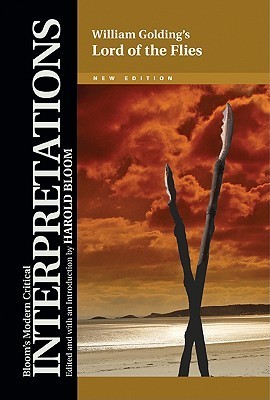
*William Golding's Lord of the Flies* delves into the dark side of human nature, chronicling a group of British schoolboys stranded on an uninhabited island after a plane crash. Initially attempting to establish a civilized society, their efforts quickly unravel into savagery, fear, and violence as they contend with their primal instincts and the absence of adult authority. It's a stark exploration of social order, morality, and the inherent capacity for evil within us.
This book shares thematic resonance with *Harper Lee's To Kill a Mockingbird: Bloom's Guides* by also examining the loss of innocence and the complexities of good versus evil through the lens of youth. Both works, as analyzed by Bloom, provide rich ground for exploring societal structures, moral dilemmas, and the difficult transition from childhood idealism to a harsher reality, inviting deep critical analysis of universal human experiences.
This analytical guide will appeal to those who appreciate profound literary studies and a thorough examination of a classic text. It offers invaluable insights into Golding's intricate themes, character motivations, and literary techniques, enhancing comprehension and fostering a deeper appreciation for the novel's enduring relevance. It serves as an excellent resource for anyone seeking a comprehensive understanding of *Lord of the Flies* and its place in the literary canon.
William Golding's Lord of the Flies
*William Golding's Lord of the Flies* delves into the dark side of human nature, chronicling a group of British schoolboys stranded on an uninhabited island after a plane crash. Initially attempting to establish a civilized society, their efforts quickly unravel into savagery, fear, and violence as they contend with their primal instincts and the absence of adult authority. It's a stark exploration of social order, morality, and the inherent capacity for evil within us.
This book shares thematic resonance with *Harper Lee's To Kill a Mockingbird: Bloom's Guides* by also examining the loss of innocence and the complexities of good versus evil through the lens of youth. Both works, as analyzed by Bloom, provide rich ground for exploring societal structures, moral dilemmas, and the difficult transition from childhood idealism to a harsher reality, inviting deep critical analysis of universal human experiences.
This analytical guide will appeal to those who appreciate profound literary studies and a thorough examination of a classic text. It offers invaluable insights into Golding's intricate themes, character motivations, and literary techniques, enhancing comprehension and fostering a deeper appreciation for the novel's enduring relevance. It serves as an excellent resource for anyone seeking a comprehensive understanding of *Lord of the Flies* and its place in the literary canon.
Amy Tan's The Joy Luck Club

"Amy Tan's The Joy Luck Club" explores the interwoven narratives of four Chinese immigrant mothers and their four American-born daughters. Through a series of vignettes and personal histories, it delves into cultural clashes, generational divides, and the complex bonds of family, revealing the characters' struggles with identity, assimilation, and the weight of inherited trauma and expectation.
This Bloom's Guide is similar to the analysis of "To Kill a Mockingbird" in its focus on providing a critical lens through which to understand a canonical text. Both guides offer in-depth essays, biographical information about the author, and thematic explorations that illuminate the literary significance and enduring impact of their respective subjects. They serve as valuable resources for deeper academic and personal engagement with the novels.
This guide will appeal to those seeking a comprehensive understanding of "The Joy Luck Club," providing expert analysis that enriches the reading experience. Its exploration of themes such as cultural identity, mother-daughter relationships, and the immigrant experience offers profound insights, making it an invaluable resource for students, educators, and anyone interested in contemporary American literature and its multifaceted cultural landscape.
Amy Tan's The Joy Luck Club
"Amy Tan's The Joy Luck Club" explores the interwoven narratives of four Chinese immigrant mothers and their four American-born daughters. Through a series of vignettes and personal histories, it delves into cultural clashes, generational divides, and the complex bonds of family, revealing the characters' struggles with identity, assimilation, and the weight of inherited trauma and expectation.
This Bloom's Guide is similar to the analysis of "To Kill a Mockingbird" in its focus on providing a critical lens through which to understand a canonical text. Both guides offer in-depth essays, biographical information about the author, and thematic explorations that illuminate the literary significance and enduring impact of their respective subjects. They serve as valuable resources for deeper academic and personal engagement with the novels.
This guide will appeal to those seeking a comprehensive understanding of "The Joy Luck Club," providing expert analysis that enriches the reading experience. Its exploration of themes such as cultural identity, mother-daughter relationships, and the immigrant experience offers profound insights, making it an invaluable resource for students, educators, and anyone interested in contemporary American literature and its multifaceted cultural landscape.
The Healing
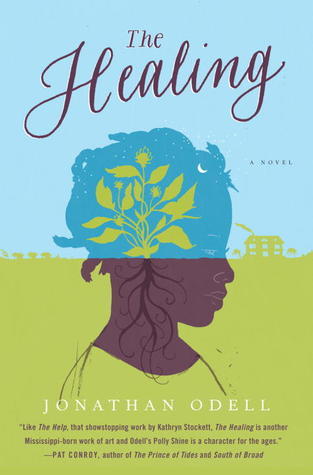
Jonathan Odell’s *The Healing* is a compelling historical novel set in post-Civil War Mississippi, focusing on the complex relationship between two extraordinary women: Mariah, a former slave with a profound understanding of herbal medicine, and a young white prostitute named Polly, whom Mariah takes under her wing. The narrative explores their intertwined lives as they navigate a society grappling with prejudice, poverty, and the enduring scars of slavery, ultimately forging an unlikely bond through healing and shared resilience.
This novel resonates with *Harper Lee's To Kill a Mockingbird: Bloom's Guides* due to its profound engagement with racial injustice, social hierarchy, and the moral complexities of the American South. Both works, *The Healing* directly and the *Bloom's Guide* through its analysis of Lee's classic, delve into the painful realities of prejudice and the quiet heroism found in individuals challenging societal norms. They share a focus on empathy, the search for justice within flawed systems, and the power of individual conscience.
*The Healing* will captivate those who appreciate a meticulously researched historical setting combined with deeply human stories. Its exploration of healing—both physical and emotional—against a backdrop of societal trauma offers a powerful narrative of resilience and the transformative potential of connection. The novel's nuanced portrayal of race, class, and gender makes it a valuable read for anyone interested in American history and the enduring human spirit in the face of adversity.
The Healing
Jonathan Odell’s *The Healing* is a compelling historical novel set in post-Civil War Mississippi, focusing on the complex relationship between two extraordinary women: Mariah, a former slave with a profound understanding of herbal medicine, and a young white prostitute named Polly, whom Mariah takes under her wing. The narrative explores their intertwined lives as they navigate a society grappling with prejudice, poverty, and the enduring scars of slavery, ultimately forging an unlikely bond through healing and shared resilience.
This novel resonates with *Harper Lee's To Kill a Mockingbird: Bloom's Guides* due to its profound engagement with racial injustice, social hierarchy, and the moral complexities of the American South. Both works, *The Healing* directly and the *Bloom's Guide* through its analysis of Lee's classic, delve into the painful realities of prejudice and the quiet heroism found in individuals challenging societal norms. They share a focus on empathy, the search for justice within flawed systems, and the power of individual conscience.
*The Healing* will captivate those who appreciate a meticulously researched historical setting combined with deeply human stories. Its exploration of healing—both physical and emotional—against a backdrop of societal trauma offers a powerful narrative of resilience and the transformative potential of connection. The novel's nuanced portrayal of race, class, and gender makes it a valuable read for anyone interested in American history and the enduring human spirit in the face of adversity.
The Help
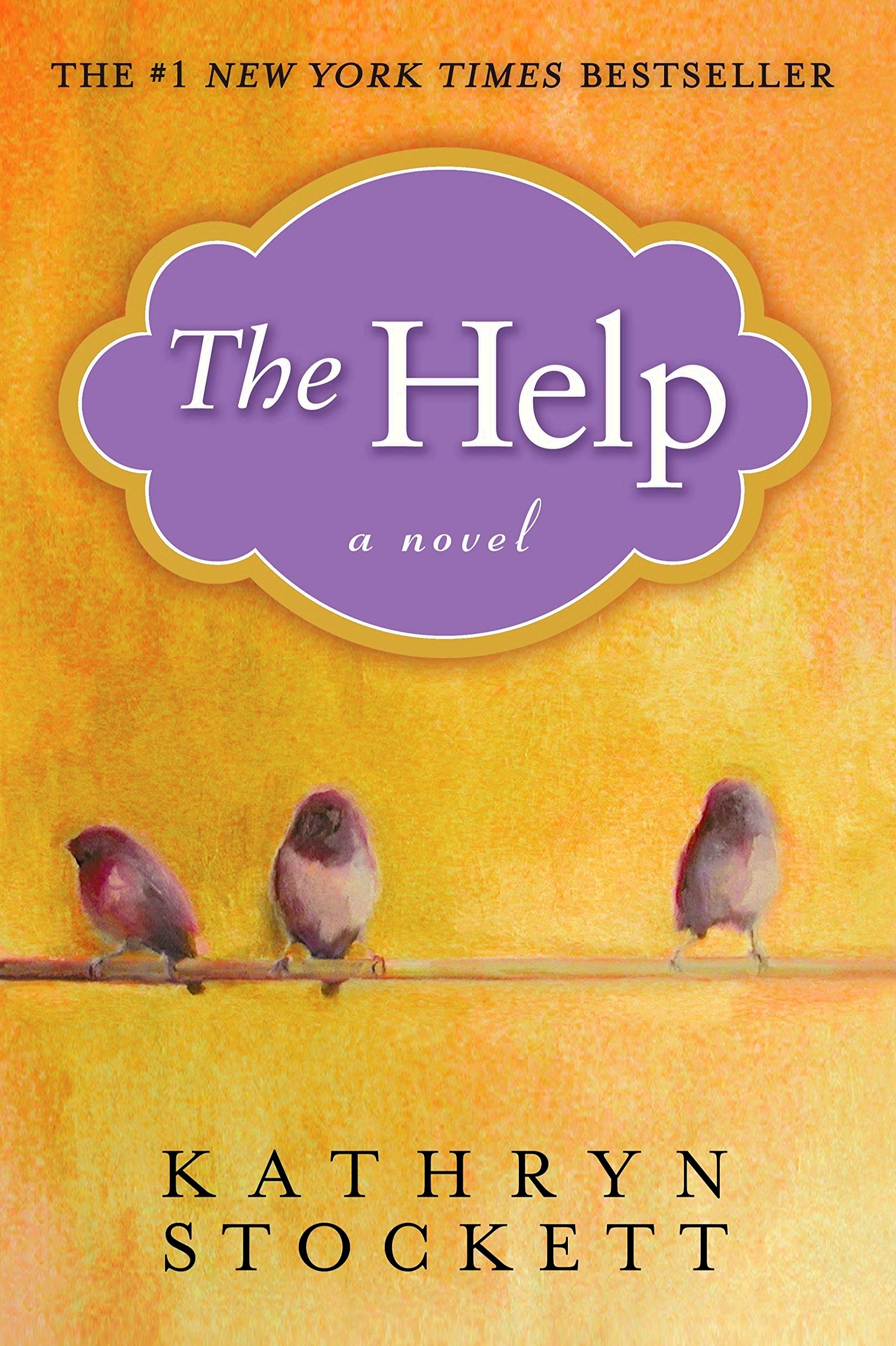
"The Help" centers on the unspoken experiences of Black maids working for white families in 1960s Jackson, Mississippi. It follows Skeeter Phelan, an aspiring writer, who secretly collaborates with two maids, Aibileen Clark and Minny Jackson, to compile a book exposing the racism and hardships they face daily. The narrative navigates the dangerous social norms of the era while offering intimate glimpses into the lives of these women.
This novel resonates with "To Kill a Mockingbird" through its exploration of racial injustice and societal prejudice in the American South. Both works offer a perspective on systemic inequalities through the eyes of characters challenging the status quo, and both highlight the courage required to speak truth to power in a deeply divided society. The themes of empathy, morality, and the quiet heroism of ordinary individuals are central to both narratives.
Individuals seeking powerful human stories about perseverance and social change will appreciate "The Help." It provides a vivid and often poignant look into a critical period of American history, fostering a deeper understanding of racial dynamics and the enduring fight for equality. Its compelling characters and engaging narrative offer valuable insight into courage and community resilience.
The Help
"The Help" centers on the unspoken experiences of Black maids working for white families in 1960s Jackson, Mississippi. It follows Skeeter Phelan, an aspiring writer, who secretly collaborates with two maids, Aibileen Clark and Minny Jackson, to compile a book exposing the racism and hardships they face daily. The narrative navigates the dangerous social norms of the era while offering intimate glimpses into the lives of these women.
This novel resonates with "To Kill a Mockingbird" through its exploration of racial injustice and societal prejudice in the American South. Both works offer a perspective on systemic inequalities through the eyes of characters challenging the status quo, and both highlight the courage required to speak truth to power in a deeply divided society. The themes of empathy, morality, and the quiet heroism of ordinary individuals are central to both narratives.
Individuals seeking powerful human stories about perseverance and social change will appreciate "The Help." It provides a vivid and often poignant look into a critical period of American history, fostering a deeper understanding of racial dynamics and the enduring fight for equality. Its compelling characters and engaging narrative offer valuable insight into courage and community resilience.
The Color of Your Skin Ain't the Color of Your Heart
"The Color of Your Skin Ain't the Color of Your Heart" explores the complex intersections of race, identity, and personal integrity through the lens of a young protagonist navigating a racially charged environment. It delves into the inherent goodness or malice within individuals, irrespective of superficial characteristics, and the societal pressures that often obscure this truth. The narrative champions empathy and critical thinking in the face of prejudice.
This work resonates with "Harper Lee's To Kill a Mockingbird: Bloom's Guides" in its commitment to examining racial injustice and moral courage within a community facing deep-seated biases. Both titles grapple with the arbitrary nature of prejudice and the profound impact of individuals who stand against the tide, prioritizing justice and human dignity over societal norms. The intellectual analysis offered by Bloom's Guides illuminates similar thematic depths found within Phillips's narrative.
This book offers a compelling narrative that encourages introspection on contemporary social issues. Its exploration of character, morality, and the enduring struggle against prejudice provides valuable insights into human nature and societal dynamics. It will engage those interested in thoughtful discussions about racial understanding and the power of individual conscience.
The Color of Your Skin Ain't the Color of Your Heart
"The Color of Your Skin Ain't the Color of Your Heart" explores the complex intersections of race, identity, and personal integrity through the lens of a young protagonist navigating a racially charged environment. It delves into the inherent goodness or malice within individuals, irrespective of superficial characteristics, and the societal pressures that often obscure this truth. The narrative champions empathy and critical thinking in the face of prejudice.
This work resonates with "Harper Lee's To Kill a Mockingbird: Bloom's Guides" in its commitment to examining racial injustice and moral courage within a community facing deep-seated biases. Both titles grapple with the arbitrary nature of prejudice and the profound impact of individuals who stand against the tide, prioritizing justice and human dignity over societal norms. The intellectual analysis offered by Bloom's Guides illuminates similar thematic depths found within Phillips's narrative.
This book offers a compelling narrative that encourages introspection on contemporary social issues. Its exploration of character, morality, and the enduring struggle against prejudice provides valuable insights into human nature and societal dynamics. It will engage those interested in thoughtful discussions about racial understanding and the power of individual conscience.
Huck Finn;Pudd'nhead Wilson;No. 44;The Mysterious Stranger; And Other Writings

"Huck Finn; Pudd'nhead Wilson; No. 44; The Mysterious Stranger; And Other Writings" presents a selection of Mark Twain's lesser-known works alongside his iconic *Adventures of Huckleberry Finn*. This collection delves into themes of racial prejudice, social injustice, and the human condition through Twain's characteristic blend of satire, humor, and biting social commentary, exploring the complexities of morality and societal norms in 19th-century America.
This collection shares a profound thematic kinship with "Harper Lee's To Kill a Mockingbird: Bloom's Guides" in its rigorous examination of foundational American literary works that confront institutionalized prejudice and moral dilemmas. Both the literary analysis in Bloom's Guide and Twain’s original narratives grapple with societal hypocrisy and the search for justice in flawed systems, making them complementary in their exploration of these enduring concerns within American literature.
The book offers a deep dive into Twain's nuanced perspective on race and morality, extending beyond his most famous novel. It provides invaluable insight into the historical context and literary craftsmanship that shaped powerful narratives challenging the status quo. This collection enriches understanding of American literary heritage and its engagement with complex social issues.
Huck Finn;Pudd'nhead Wilson;No. 44;The Mysterious Stranger; And Other Writings
"Huck Finn; Pudd'nhead Wilson; No. 44; The Mysterious Stranger; And Other Writings" presents a selection of Mark Twain's lesser-known works alongside his iconic *Adventures of Huckleberry Finn*. This collection delves into themes of racial prejudice, social injustice, and the human condition through Twain's characteristic blend of satire, humor, and biting social commentary, exploring the complexities of morality and societal norms in 19th-century America.
This collection shares a profound thematic kinship with "Harper Lee's To Kill a Mockingbird: Bloom's Guides" in its rigorous examination of foundational American literary works that confront institutionalized prejudice and moral dilemmas. Both the literary analysis in Bloom's Guide and Twain’s original narratives grapple with societal hypocrisy and the search for justice in flawed systems, making them complementary in their exploration of these enduring concerns within American literature.
The book offers a deep dive into Twain's nuanced perspective on race and morality, extending beyond his most famous novel. It provides invaluable insight into the historical context and literary craftsmanship that shaped powerful narratives challenging the status quo. This collection enriches understanding of American literary heritage and its engagement with complex social issues.
Holly

Albert French's "Holly" tells the story of a young Black girl's inexplicable murder in a small, racially charged Southern town during the 1960s, and the subsequent, often bungled, investigation. It delves into the systemic racism and deeply ingrained prejudices that permeate the community, offering a stark portrayal of injustice and the struggle for truth in a morally compromised landscape.
"Holly" resonates with "Harper Lee's To Kill a Mockingbird: Bloom's Guides" through its exploration of racial prejudice and the search for justice within a corrupt legal system of the American South. Both works, by extension, offer profound examinations of innocence lost, community culpability, and the enduring human capacity for both cruelty and compassion, making them powerful companion pieces for analytical study.
This book will appeal to those who appreciate incisive social commentary and character-driven narratives that confront difficult historical realities. Its unflinching depiction of racial injustice and its exploration of moral complexities offer fertile ground for discussion and a deepened understanding of a pivotal era, making it a truly valuable addition to any literary exploration.
Holly
Albert French's "Holly" tells the story of a young Black girl's inexplicable murder in a small, racially charged Southern town during the 1960s, and the subsequent, often bungled, investigation. It delves into the systemic racism and deeply ingrained prejudices that permeate the community, offering a stark portrayal of injustice and the struggle for truth in a morally compromised landscape.
"Holly" resonates with "Harper Lee's To Kill a Mockingbird: Bloom's Guides" through its exploration of racial prejudice and the search for justice within a corrupt legal system of the American South. Both works, by extension, offer profound examinations of innocence lost, community culpability, and the enduring human capacity for both cruelty and compassion, making them powerful companion pieces for analytical study.
This book will appeal to those who appreciate incisive social commentary and character-driven narratives that confront difficult historical realities. Its unflinching depiction of racial injustice and its exploration of moral complexities offer fertile ground for discussion and a deepened understanding of a pivotal era, making it a truly valuable addition to any literary exploration.
More Books to Explore
Discover more titles that expand on these ideas and themes.
To Kill a Mockingbird
Go Set a Watchman
Atticus
William Golding's Lord of the Flies
Amy Tan's The Joy Luck Club
The Healing