
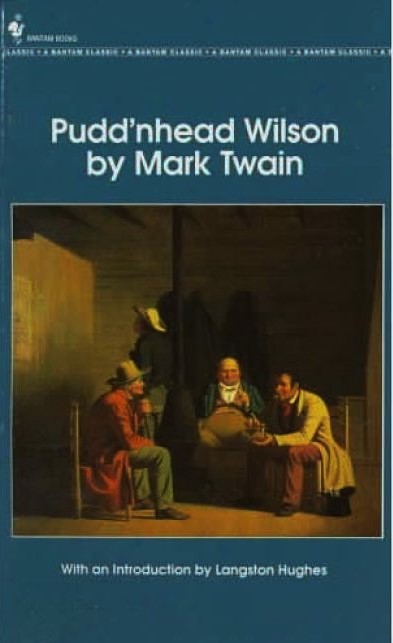
Huck Finn;Pudd'nhead Wilson;No. 44;The Mysterious Stranger; And Other Writings
Book Description
Two boys switch lives, a legal brain battles society's injustices, and a shadowy figure questions the very fabric of existence. Mark Twain weaves a tapestry of adventure, identity, and profound moral dilemmas in this compelling collection. Each story pulls readers into a world where humor masks deeper truths, and the line between right and wrong blurs with intensity. From reflections on race and justice to existential musings that chill the soul, Twain's words crackle with urgency and relevance. Will courage and conscience prevail in a landscape rife with hypocrisy and chaos?
Quick Book Summary
This collection gathers some of Mark Twain’s most celebrated works, including "Adventures of Huckleberry Finn," "Pudd’nhead Wilson," and "The Mysterious Stranger." Twain masterfully weaves stories of adventure, mistaken identity, social satire, and philosophical exploration. From Huck Finn’s journey down the Mississippi with Jim, a runaway slave, to the swapped identities and legal intrigue in "Pudd’nhead Wilson," and the haunting metaphysical questions posed by the mysterious figure in "No. 44, The Mysterious Stranger," Twain probes the complexities of conscience, race, and morality. Beneath his trademark wit and humor lies a profound commentary on the hypocrisy and absurdities of human society, challenging readers to question their values and assumptions.


Summary of Key Ideas
Table of Contents
Identity and the Self
Identity is a central concern throughout Twain's collection. In "Pudd’nhead Wilson,” two boys—one born into slavery and one free—are switched at birth, leading both to live out reversed destinies. This narrative twist explores how identity is both shaped and distorted by social constructs, while in "No. 44, The Mysterious Stranger,” characters are confronted with the illusory nature of existence and selfhood. Twain’s use of mistaken identity and role reversals provokes questions about the authenticity of personal and social identity, and whether it is possible to claim a true self independent of circumstance.
Race, Justice, and Hypocrisy
Twain’s stories are driven by the tension between societal expectations and individual morality. In "Huckleberry Finn,” Huck’s evolving relationship with Jim puts him in direct conflict with the racist laws and norms of his time. The legal machinations in "Pudd’nhead Wilson" and the existential provocations of "The Mysterious Stranger” expose society’s failings, especially in matters of justice and compassion. Twain reveals how deeply hypocrisy and prejudice are embedded in the very institutions meant to uphold justice, suggesting the need for personal moral courage in facing social wrongs.
The Absurdity of Social Norms
Throughout the collection, Twain satirizes the absurdities of social conventions. Whether critiquing the Southern code of honor or the self-importance of small-town elites, Twain deploys humor to unmask how arbitrary and self-serving social rules can be. This biting wit serves to expose the flaws in collective belief systems and reminds readers that societal norms often rest on shaky foundations, facilitating injustice and exclusion.
Moral Conscience versus Society
Despite the humor, the stories are haunted by larger philosophical questions. The character of the Mysterious Stranger embodies a nihilistic worldview, confronting other characters—and readers—with unsettling reflections on the randomness of existence, the problem of evil, and the limits of human understanding. These existential dilemmas force a confrontation with the darker aspects of Twain’s worldview, hinting at the dangers of seeking easy answers to life’s hardest questions.
The Search for Meaning in an Uncertain World
Twain’s enduring legacy in these works lies in his ability to seamlessly blend humor, satire, and moral inquiry. By inviting readers to journey with memorable, conflicted characters confronting daunting circumstances, Twain makes us question our conscience and society’s rules. His sharp observations on race, justice, and human folly remain powerful and relevant, challenging each generation to reflect on their own beliefs and the world they help shape.
Download This Summary
Get a free PDF of this summary instantly — no email required.