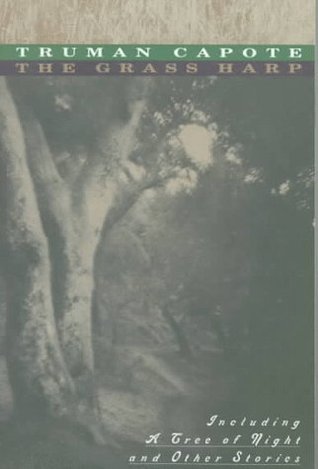
The Grass Harp, Including A Tree of Night and Other Stories
Book Description
Secrets weave through the air like the rustling leaves in a Southern breeze. In a small town, three unlikely companions—two girls and an elderly man—ascend into a treehouse sanctuary, escaping the harsh realities below. Here, dreams and memories intertwine, revealing haunting truths and unbreakable bonds. As friendships blossom and tensions rise, the thin line between innocence and experience blurs, leading to life-altering choices that echo beyond the branches. What happens when the whispers of the heart clash with the demands of the world? Welcome to a world where the beauty of connection can change everything. Will they find solace, or will secrets tear them apart?
Quick Book Summary
“The Grass Harp, Including A Tree of Night and Other Stories” by Truman Capote is a poignant exploration of human connection, memory, and the bittersweet crosscurrents of Southern life. The title novella, “The Grass Harp,” follows an unlikely trio—Collin, a young boy; Dolly, an eccentric elderly woman; and Catherine, her stern housekeeper—as they flee the constraints of their small town by taking refuge in a treehouse. There, they forge a fragile sanctuary, discussing secrets, regrets, and hopes, while the world below brews with conflict and curiosity. The accompanying stories in “A Tree of Night” delve even deeper into Capote’s Southern Gothic themes, illuminating the shadows of isolation and the longing for belonging that lurk behind everyday facades. Through lyrical prose, Capote examines the collision of innocence and experience, revealing how moments of escape can give rise to deeply transformative connections.


Summary of Key Ideas
Table of Contents
Sanctuary and Alienation
Truman Capote weaves an enchanting tapestry of Southern life in “The Grass Harp,” where characters seek solace in a world often defined by judgement and misunderstanding. The novella centers on Collin, an orphaned boy who finds himself living with eccentric Miss Dolly and her stern companion Catherine. After a dispute over Dolly’s prized medicinal recipe, the trio escapes to a treehouse perched above the town, distancing themselves physically and emotionally. This floating sanctuary becomes a refuge not just from conflict but from the stifling expectations of the community below.
Nostalgia and the Power of Memory
Within the treehouse, the characters reveal layers of vulnerability. Memories are shared—Dolly’s wistful recollections, Collin’s longing for belonging, and Catherine’s steadfast loyalty. Together, they confront personal losses that have shaped their identities. The environment sways between warmth and suspense as their world is threatened by townsfolk who view their withdrawal as an affront. Capote’s evocative descriptions elevate the treehouse to a symbol of fragile hope and the delicate architecture of their chosen family.
Friendship, Family, and Chosen Bonds
In the face of confrontation, the trio must reckon with the outside world’s desire to impose order on their haven. Friends and relatives try to lure them down, exposing the tension between independence and responsibility. The climax, both literal and emotional, forces the companions to measure what they are willing to sacrifice for the safety and authenticity of their bonds. Capote probes the notion that true kinship may emerge from shared isolation, rather than blood ties alone.
Innocence Confronts Experience
The short stories included in “A Tree of Night and Other Stories” deepen Capote’s exploration of Southern Gothic themes. Characters across these tales, often outsiders or those on the fringes of society, seek connection or clarity in a world tinged with darkness and ambiguity. The stories explore secret histories, suppressed desires, and moments where youthful innocence collides with unsettling adult realities. Capote’s mastery of mood and subtly eerie detail create a haunting literary landscape.
Secrets and the Search for Truth
Ultimately, “The Grass Harp” and its companion stories celebrate the quiet resilience of the human spirit. Capote suggests that moments of rebellion—no matter how small—can yield profound self-discovery, while acts of empathy and understanding can offer redemption. Through shimmering prose and deft psychological insight, Capote invites readers to listen closely to the “grass harp”—the voice of memory and heart, whispering across the span between alienation and acceptance.
Download This Summary
Get a free PDF of this summary instantly — no email required.