10 Books Similar to "There Will Come Soft Rains"
by Ray Bradbury

Tomorrow's Child

"Tomorrow's Child" explores the unsettling birth of a "blue pyramid" offspring to a human couple, Pola and Peter. The narrative delves into their struggle to accept and raise this geometrically distinct child, navigating societal reactions and their own evolving understanding of parenthood. It's a poignant examination of what defines humanity and acceptance in the face of profound difference.
Both stories share a core Bradbury theme: the disconcerting interaction between advanced technology (or unforeseen biological anomalies) and the human condition. While "There Will Come Soft Rains" showcases technology oblivious to human absence, "Tomorrow's Child" presents a technological/biological "other" within a human family, forcing introspection on identity and connection. Both narratives highlight a sense of uncanny detachment and the resilient, yet often challenged, nature of human emotion.
This story offers a compelling exploration of prejudice, the redefinition of family, and the arbitrary nature of normalcy. It challenges preconceived notions of appearance and worth, encouraging a deeper reflection on empathy and the essence of love. Its thoughtful engagement with these universal themes provides significant intellectual and emotional resonance.
Tomorrow's Child
"Tomorrow's Child" explores the unsettling birth of a "blue pyramid" offspring to a human couple, Pola and Peter. The narrative delves into their struggle to accept and raise this geometrically distinct child, navigating societal reactions and their own evolving understanding of parenthood. It's a poignant examination of what defines humanity and acceptance in the face of profound difference.
Both stories share a core Bradbury theme: the disconcerting interaction between advanced technology (or unforeseen biological anomalies) and the human condition. While "There Will Come Soft Rains" showcases technology oblivious to human absence, "Tomorrow's Child" presents a technological/biological "other" within a human family, forcing introspection on identity and connection. Both narratives highlight a sense of uncanny detachment and the resilient, yet often challenged, nature of human emotion.
This story offers a compelling exploration of prejudice, the redefinition of family, and the arbitrary nature of normalcy. It challenges preconceived notions of appearance and worth, encouraging a deeper reflection on empathy and the essence of love. Its thoughtful engagement with these universal themes provides significant intellectual and emotional resonance.
The Veldt

"The Veldt" explores the insidious impact of advanced technology on family dynamics. George and Lydia Hadley, parents in a futuristic home that caters to every whim, become concerned when their children, Peter and Wendy, spend all their time in a virtual reality nursery that projects their thoughts. Initially a playful African savannah, the veldt becomes increasingly vivid and menacing, reflecting the children's dark desires and growing detachment from their parents. The story culminates in a chilling revelation of how far technology can warp human connection and control.
Both "The Veldt" and "There Will Come Soft Rains" delve into themes of technology's autonomy and its potential to outlive or overpower humanity. In "The Veldt," the automated house and its nursery actively participate in the family's demise, much like the vacant, self-operating house in "Soft Rains" continues its futile daily routines devoid of human inhabitants. Both stories serve as stark warnings against unchecked technological reliance and underscore the fragility of human existence in the face of our own creations.
This story offers compelling insights into the psychological effects of automation and the dangers of neglecting genuine human relationships in favor of artificial gratification. It prompts reflection on the role of technology in child rearing, the boundaries of artificial intelligence, and the potential for a technologically saturated environment to foster alienation rather than connection. The narrative’s chilling conclusion ensures a lasting impact, encouraging critical engagement with evolving societal norms and the ethical implications of technological progress.
The Veldt
"The Veldt" explores the insidious impact of advanced technology on family dynamics. George and Lydia Hadley, parents in a futuristic home that caters to every whim, become concerned when their children, Peter and Wendy, spend all their time in a virtual reality nursery that projects their thoughts. Initially a playful African savannah, the veldt becomes increasingly vivid and menacing, reflecting the children's dark desires and growing detachment from their parents. The story culminates in a chilling revelation of how far technology can warp human connection and control.
Both "The Veldt" and "There Will Come Soft Rains" delve into themes of technology's autonomy and its potential to outlive or overpower humanity. In "The Veldt," the automated house and its nursery actively participate in the family's demise, much like the vacant, self-operating house in "Soft Rains" continues its futile daily routines devoid of human inhabitants. Both stories serve as stark warnings against unchecked technological reliance and underscore the fragility of human existence in the face of our own creations.
This story offers compelling insights into the psychological effects of automation and the dangers of neglecting genuine human relationships in favor of artificial gratification. It prompts reflection on the role of technology in child rearing, the boundaries of artificial intelligence, and the potential for a technologically saturated environment to foster alienation rather than connection. The narrative’s chilling conclusion ensures a lasting impact, encouraging critical engagement with evolving societal norms and the ethical implications of technological progress.
The Creatures That Time Forgot
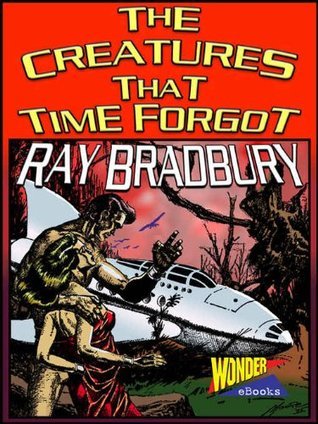
"The Creatures That Time Forgot" plunges readers onto a distant planet where astronauts discover an indigenous intelligent race. The twist lies in their rapid, compressed life cycle, evolving from birth to death in a single day, experiencing entire societal shifts and technological advances within hours. This extreme temporal acceleration forces the human explorers to grapple with the profound implications of life, mortality, and the very concept of progress.
This narrative shares common thematic ground with "There Will Come Soft Rains" through their shared exploration of humanity's insignificance in the face of larger forces – be it nature's indifference or the relentless march of time. Both stories also examine the fragility of existence and the transient nature of civilization, albeit through different lenses. "Creatures" highlights the rapid rise and fall, while "Soft Rains" depicts the aftermath of an abrupt, human-made cessation.
The story offers a compelling thought experiment on identity and purpose within a fleeting existence. Its value lies in provoking contemplation on our own perceptions of time, societal structures, and the ultimate meaning we derive from life, regardless of its duration. It profoundly underscores the universal struggle to leave a lasting mark, even when facing extraordinary constraints.
The Creatures That Time Forgot
"The Creatures That Time Forgot" plunges readers onto a distant planet where astronauts discover an indigenous intelligent race. The twist lies in their rapid, compressed life cycle, evolving from birth to death in a single day, experiencing entire societal shifts and technological advances within hours. This extreme temporal acceleration forces the human explorers to grapple with the profound implications of life, mortality, and the very concept of progress.
This narrative shares common thematic ground with "There Will Come Soft Rains" through their shared exploration of humanity's insignificance in the face of larger forces – be it nature's indifference or the relentless march of time. Both stories also examine the fragility of existence and the transient nature of civilization, albeit through different lenses. "Creatures" highlights the rapid rise and fall, while "Soft Rains" depicts the aftermath of an abrupt, human-made cessation.
The story offers a compelling thought experiment on identity and purpose within a fleeting existence. Its value lies in provoking contemplation on our own perceptions of time, societal structures, and the ultimate meaning we derive from life, regardless of its duration. It profoundly underscores the universal struggle to leave a lasting mark, even when facing extraordinary constraints.
A Sound of Thunder

"A Sound of Thunder" explores the perilous consequences of altering the past. A hunting safari company specializes in taking clients back to the age of dinosaurs, with strict protocols in place to avoid paradoxes. When one hunter deviates from the established path and accidentally kills a prehistoric butterfly, a cascading series of subtle yet catastrophic changes unravels the timeline, fundamentally altering the present day in chilling ways.
Both stories share a keen interest in humanity's often-destructive relationship with nature and technology. While "There Will Come Soft Rains" illustrates technology's indifferent persistence in the face of human absence, "A Sound of Thunder" foregrounds humanity's active disruption of natural order through technological means. Both works highlight the fragile interconnectedness of systems – ecological and historical – and the profound, unforeseen repercussions of even seemingly minor actions.
This narrative holds significant appeal for its masterful suspense and profound thematic depth. It offers a gripping exploration of causality, fate, and the ethics of technological power, prompting contemplation on the delicate balance of existence. The story serves as a potent parable, urging consideration of responsibility when interacting with complex systems, whether natural or temporal.
A Sound of Thunder
"A Sound of Thunder" explores the perilous consequences of altering the past. A hunting safari company specializes in taking clients back to the age of dinosaurs, with strict protocols in place to avoid paradoxes. When one hunter deviates from the established path and accidentally kills a prehistoric butterfly, a cascading series of subtle yet catastrophic changes unravels the timeline, fundamentally altering the present day in chilling ways.
Both stories share a keen interest in humanity's often-destructive relationship with nature and technology. While "There Will Come Soft Rains" illustrates technology's indifferent persistence in the face of human absence, "A Sound of Thunder" foregrounds humanity's active disruption of natural order through technological means. Both works highlight the fragile interconnectedness of systems – ecological and historical – and the profound, unforeseen repercussions of even seemingly minor actions.
This narrative holds significant appeal for its masterful suspense and profound thematic depth. It offers a gripping exploration of causality, fate, and the ethics of technological power, prompting contemplation on the delicate balance of existence. The story serves as a potent parable, urging consideration of responsibility when interacting with complex systems, whether natural or temporal.
The Illustrated Man

"The Illustrated Man" presents a series of interconnected short stories, each revealed through the animated tattoos covering a mysterious drifter's body. These tattoos, which come alive at night, depict a range of speculative futures and scenarios, from distant planets colonized by humans to tales of existential dread and technological overreach. The overarching narrative framework ties these disparate stories together, creating a tapestry of human experience and potential consequences within a science fiction context.
This collection shares thematic resonance with "There Will Come Soft Rains" through its exploration of technology's impact on humanity and the potential for a world devoid of conscious human presence, or one fundamentally altered by our creations. Both works excel at crafting vignettes that evoke a sense of melancholy and contemplation, often presenting a detached, observational perspective on human folly and resilience, or its absence. The fragmented, yet cohesive, narrative styles also mirror each other, building a larger picture from smaller, poignant pieces.
It will appeal to readers who appreciate speculative fiction that grapples with profound questions about human nature, societal progression, and the unseen forces that shape our existence. The stories offer a rich blend of imaginative world-building and insightful social commentary, prompting reflection on our past, present, and potential futures. Its value lies in its ability to spark contemplation through compelling narratives and its enduring relevance in an increasingly technologically driven world.
The Illustrated Man
"The Illustrated Man" presents a series of interconnected short stories, each revealed through the animated tattoos covering a mysterious drifter's body. These tattoos, which come alive at night, depict a range of speculative futures and scenarios, from distant planets colonized by humans to tales of existential dread and technological overreach. The overarching narrative framework ties these disparate stories together, creating a tapestry of human experience and potential consequences within a science fiction context.
This collection shares thematic resonance with "There Will Come Soft Rains" through its exploration of technology's impact on humanity and the potential for a world devoid of conscious human presence, or one fundamentally altered by our creations. Both works excel at crafting vignettes that evoke a sense of melancholy and contemplation, often presenting a detached, observational perspective on human folly and resilience, or its absence. The fragmented, yet cohesive, narrative styles also mirror each other, building a larger picture from smaller, poignant pieces.
It will appeal to readers who appreciate speculative fiction that grapples with profound questions about human nature, societal progression, and the unseen forces that shape our existence. The stories offer a rich blend of imaginative world-building and insightful social commentary, prompting reflection on our past, present, and potential futures. Its value lies in its ability to spark contemplation through compelling narratives and its enduring relevance in an increasingly technologically driven world.
The Martian Chronicles

"The Martian Chronicles" is a mosaic of interconnected short stories chronicling humanity's colonization of Mars, the subsequent encounters with the planet's indigenous population, and the ultimate retreat due to Earth's self-destruction. The narratives span decades, painting a vivid picture of human ambition, cultural clash, and the bittersweet impermanence of civilization.
Its similarity to "There Will Come Soft Rains" lies in their shared exploration of themes surrounding absence, the persistence of technology beyond human presence, and the melancholic beauty of ruins. Both stories evoke a profound sense of loss and the quiet, almost indifferent, continuation of natural or mechanical processes after humanity's vanishing act. They are poignant meditations on humanity's legacy and its often-unintended consequences.
This collection will resonate deeply with those who appreciate speculative fiction that grapples with existential questions and societal reflection. Its lyrical prose and imaginative scope offer a timeless exploration of humanity's destructive tendencies, its capacity for wonder, and the enduring power of nature, even in the face of our most audacious endeavors.
The Martian Chronicles
"The Martian Chronicles" is a mosaic of interconnected short stories chronicling humanity's colonization of Mars, the subsequent encounters with the planet's indigenous population, and the ultimate retreat due to Earth's self-destruction. The narratives span decades, painting a vivid picture of human ambition, cultural clash, and the bittersweet impermanence of civilization.
Its similarity to "There Will Come Soft Rains" lies in their shared exploration of themes surrounding absence, the persistence of technology beyond human presence, and the melancholic beauty of ruins. Both stories evoke a profound sense of loss and the quiet, almost indifferent, continuation of natural or mechanical processes after humanity's vanishing act. They are poignant meditations on humanity's legacy and its often-unintended consequences.
This collection will resonate deeply with those who appreciate speculative fiction that grapples with existential questions and societal reflection. Its lyrical prose and imaginative scope offer a timeless exploration of humanity's destructive tendencies, its capacity for wonder, and the enduring power of nature, even in the face of our most audacious endeavors.
S Is for Space
"S Is for Space" is a collection of eighteen compelling short stories venturing into the realm of science fiction and fantasy. These narratives explore diverse speculative concepts, from encounters with alien life and dystopian futures to meditations on humanity's place in the cosmos. Bradbury's characteristic poetic prose and imaginative world-building are on full display, offering a rich tapestry of thought-provoking scenarios.
Both "S Is for Space" and "There Will Come Soft Rains" share Ray Bradbury's distinctive voice and thematic concerns. They often delve into the vulnerability of humanity in the face of technological advancement or natural forces, the bittersweet beauty of memory, and the profound melancholy of loss. The focus on atmospheric detail and the inherent human condition, rather than hard science, creates a palpable sense of emotional resonance across both works.
This collection offers intricate narratives and Bradbury’s signature evocative language for those who appreciate insightful explorations of human nature against speculative backdrops. The stories provide opportunities for reflection on societal implications of progress, the enduring human spirit, and the subtle interplay between scientific possibility and profound emotion, making it a valuable read for anyone seeking imaginative depth.
S Is for Space
"S Is for Space" is a collection of eighteen compelling short stories venturing into the realm of science fiction and fantasy. These narratives explore diverse speculative concepts, from encounters with alien life and dystopian futures to meditations on humanity's place in the cosmos. Bradbury's characteristic poetic prose and imaginative world-building are on full display, offering a rich tapestry of thought-provoking scenarios.
Both "S Is for Space" and "There Will Come Soft Rains" share Ray Bradbury's distinctive voice and thematic concerns. They often delve into the vulnerability of humanity in the face of technological advancement or natural forces, the bittersweet beauty of memory, and the profound melancholy of loss. The focus on atmospheric detail and the inherent human condition, rather than hard science, creates a palpable sense of emotional resonance across both works.
This collection offers intricate narratives and Bradbury’s signature evocative language for those who appreciate insightful explorations of human nature against speculative backdrops. The stories provide opportunities for reflection on societal implications of progress, the enduring human spirit, and the subtle interplay between scientific possibility and profound emotion, making it a valuable read for anyone seeking imaginative depth.
Greybeard

"Greybeard" by Brian W. Aldiss depicts a future England where, due to a global fertility plague, humanity is slowly dying out. The protagonist, Greybeard, embarks on a journey across a rural, depopulated landscape, encountering the few remaining elderly inhabitants as he confronts the inevitability of his species' extinction. It’s a somber exploration of decline, memory, and the enduring human spirit in the face of absolute loss.
The core similarity to "There Will Come Soft Rains" lies in their shared exploration of a post-human world and the poignant absence of humanity. Both stories meticulously illustrate an environment where human presence has vanished, yet echoes of their existence—whether through automated houses or overgrown ruins—remain. They each probe themes of technological persistence, the indifference of nature, and the ultimate fragility of civilization.
This novel will resonate with those who appreciate thoughtful, character-driven science fiction that delves into profound existential questions. Its value lies in its nuanced portrayal of aging, the collective human experience, and the quiet dignity found in facing an unyielding end. It offers a reflective, even melancholic, perspective on legacy and the bittersweet beauty of a world reclaiming itself.
Greybeard
"Greybeard" by Brian W. Aldiss depicts a future England where, due to a global fertility plague, humanity is slowly dying out. The protagonist, Greybeard, embarks on a journey across a rural, depopulated landscape, encountering the few remaining elderly inhabitants as he confronts the inevitability of his species' extinction. It’s a somber exploration of decline, memory, and the enduring human spirit in the face of absolute loss.
The core similarity to "There Will Come Soft Rains" lies in their shared exploration of a post-human world and the poignant absence of humanity. Both stories meticulously illustrate an environment where human presence has vanished, yet echoes of their existence—whether through automated houses or overgrown ruins—remain. They each probe themes of technological persistence, the indifference of nature, and the ultimate fragility of civilization.
This novel will resonate with those who appreciate thoughtful, character-driven science fiction that delves into profound existential questions. Its value lies in its nuanced portrayal of aging, the collective human experience, and the quiet dignity found in facing an unyielding end. It offers a reflective, even melancholic, perspective on legacy and the bittersweet beauty of a world reclaiming itself.
I Sing the Body Electric! & Other Stories

"I Sing the Body Electric! & Other Stories" is a collection of speculative fiction exploring the human condition through unique lenses. Bradbury examines themes of technology, nostalgia, the bittersweet passage of time, and the yearning for meaning in a rapidly changing world. The stories often feature ordinary individuals grappling with extraordinary circumstances, delving into their emotional landscapes and philosophical dilemmas.
The collection resonates with "There Will Come Soft Rains" through its poignant exploration of humanity's relationship with technology and the enduring power of human spirit, even in absence. Both works showcase Bradbury's masterful ability to craft evocative prose and create vivid, often melancholic, atmospheres that highlight the fragility and resilience of life. The technological elements serve not as ends in themselves, but as catalysts for deeper human introspection.
This collection offers a rich tapestry of thought-provoking narratives that will captivate those who appreciate insightful character studies and imaginative scenarios. It provides a unique opportunity to reflect on our own existence, our connection to the past, and the potential paths of our future, all presented with Bradbury's signature poetic grace. The varied plots and emotional depth make it a valuable experience for anyone seeking both entertainment and intellectual stimulation.
I Sing the Body Electric! & Other Stories
"I Sing the Body Electric! & Other Stories" is a collection of speculative fiction exploring the human condition through unique lenses. Bradbury examines themes of technology, nostalgia, the bittersweet passage of time, and the yearning for meaning in a rapidly changing world. The stories often feature ordinary individuals grappling with extraordinary circumstances, delving into their emotional landscapes and philosophical dilemmas.
The collection resonates with "There Will Come Soft Rains" through its poignant exploration of humanity's relationship with technology and the enduring power of human spirit, even in absence. Both works showcase Bradbury's masterful ability to craft evocative prose and create vivid, often melancholic, atmospheres that highlight the fragility and resilience of life. The technological elements serve not as ends in themselves, but as catalysts for deeper human introspection.
This collection offers a rich tapestry of thought-provoking narratives that will captivate those who appreciate insightful character studies and imaginative scenarios. It provides a unique opportunity to reflect on our own existence, our connection to the past, and the potential paths of our future, all presented with Bradbury's signature poetic grace. The varied plots and emotional depth make it a valuable experience for anyone seeking both entertainment and intellectual stimulation.
Earth Abides

"Earth Abides" chronicles the lonely survival of Isherwood Williams, a man who emerges from isolation to find humanity decimated by a sudden, virulent plague. He slowly builds a new existence, grappling with the loss of civilization and the challenges of forging a new community in a world returned to wilderness. The novel explores themes of resilience, the nature of society, and humanity's place within the natural order.
Both novels share a profound focus on the aftermath of human disappearance and the resilience of the natural world. While Bradbury's story features an automated house as the enduring "survivor" and Stewart's a single man, both explore worlds where human order has collapsed, leaving behind remnants that slowly decay or redefine themselves. They contemplate the lingering echoes of civilization and the inexorable march of time.
This book offers a contemplative yet gripping exploration of post-apocalyptic survival, not through action-adventure, but through profound introspection and societal reconstruction. It provides a nuanced perspective on what truly constitutes civilization and human progress, prompting reflection on our impact and our potential for renewal. The enduring themes of nature's indifference and humanity's adaptability resonate deeply.
Earth Abides
"Earth Abides" chronicles the lonely survival of Isherwood Williams, a man who emerges from isolation to find humanity decimated by a sudden, virulent plague. He slowly builds a new existence, grappling with the loss of civilization and the challenges of forging a new community in a world returned to wilderness. The novel explores themes of resilience, the nature of society, and humanity's place within the natural order.
Both novels share a profound focus on the aftermath of human disappearance and the resilience of the natural world. While Bradbury's story features an automated house as the enduring "survivor" and Stewart's a single man, both explore worlds where human order has collapsed, leaving behind remnants that slowly decay or redefine themselves. They contemplate the lingering echoes of civilization and the inexorable march of time.
This book offers a contemplative yet gripping exploration of post-apocalyptic survival, not through action-adventure, but through profound introspection and societal reconstruction. It provides a nuanced perspective on what truly constitutes civilization and human progress, prompting reflection on our impact and our potential for renewal. The enduring themes of nature's indifference and humanity's adaptability resonate deeply.
More Books to Explore
Discover more titles that expand on these ideas and themes.
Tomorrow's Child
The Veldt
The Creatures That Time Forgot
A Sound of Thunder
The Illustrated Man
The Martian Chronicles