10 Books Similar to "The Favored Daughter: One Woman's Fight to Lead Afghanistan into the Future"
by Fawzia Koofi
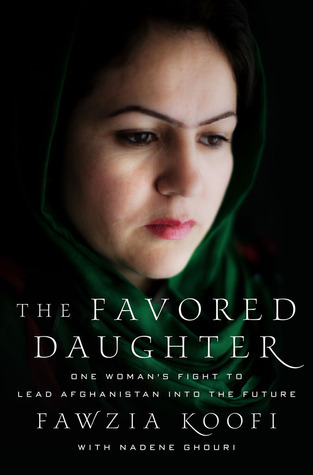
Zoya's Story: An Afghan Woman's Struggle for Freedom
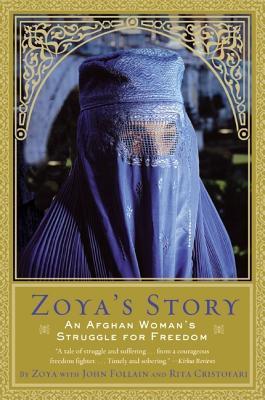
"Zoya's Story" chronicles the harrowing experiences of a young Afghan woman under Taliban rule, detailing the oppression, violence, and systematic denial of basic human rights she endured. It depicts her brave, covert work with the Revolutionary Association of the Women of Afghanistan (RAWA) to document atrocities and advocate for a free, secular Afghanistan, often at immense personal risk.
The book shares thematic commonalities with "The Favored Daughter" in its exploration of Afghan women's extraordinary resilience and intellectual strength amidst conflict and patriarchal suppression. Both narratives highlight individual courage against systemic oppression, and the unwavering commitment to a better future for Afghanistan, irrespective of personal cost or political danger.
This account offers a stark, unfiltered perspective on living under fundamentalist regimes and the unwavering spirit of defiance. It provides vital insight into the real-world impact of political instability on individual lives and the powerful, inspiring capacity of women to advocate for change even in the most dire circumstances.
Zoya's Story: An Afghan Woman's Struggle for Freedom
"Zoya's Story" chronicles the harrowing experiences of a young Afghan woman under Taliban rule, detailing the oppression, violence, and systematic denial of basic human rights she endured. It depicts her brave, covert work with the Revolutionary Association of the Women of Afghanistan (RAWA) to document atrocities and advocate for a free, secular Afghanistan, often at immense personal risk.
The book shares thematic commonalities with "The Favored Daughter" in its exploration of Afghan women's extraordinary resilience and intellectual strength amidst conflict and patriarchal suppression. Both narratives highlight individual courage against systemic oppression, and the unwavering commitment to a better future for Afghanistan, irrespective of personal cost or political danger.
This account offers a stark, unfiltered perspective on living under fundamentalist regimes and the unwavering spirit of defiance. It provides vital insight into the real-world impact of political instability on individual lives and the powerful, inspiring capacity of women to advocate for change even in the most dire circumstances.
The Storyteller's Daughter: One Woman's Return to Her Lost Homeland

"The Storyteller's Daughter" by Saira Shah chronicles her journey back to Afghanistan, the homeland of her formidable father, a renowned Pashtun storyteller. Having grown up in London with her family, Shah revisits a country ravaged by war and fundamentalism, seeking to understand her heritage, the land that shaped her father, and the stark realities faced by its people, especially women. It's a personal quest interwoven with vivid observations of Afghan culture, its resilience, and its profound suffering.
This memoir shares significant thematic overlap with Fawzia Koofi's "The Favored Daughter." Both books offer intimate, first-person perspectives from women deeply connected to Afghanistan, grappling with the country's turbulent politics, societal constraints, and the enduring strength of its people. Both authors also bridge "inside" and "outside" viewpoints, providing nuanced insights into Afghan life that challenge Western stereotypes while highlighting universal struggles for justice and self-determination.
The narrative provides a compelling entry point into contemporary Afghanistan through a deeply personal lens. It offers valuable historical and cultural context, illuminated by Shah's eloquent prose and her anthropologist's eye for detail. This book will resonate with individuals interested in Afghan culture, women’s experiences in conflict zones, and powerful personal stories of displacement, identity, and the enduring human spirit in the face of adversity.
The Storyteller's Daughter: One Woman's Return to Her Lost Homeland
"The Storyteller's Daughter" by Saira Shah chronicles her journey back to Afghanistan, the homeland of her formidable father, a renowned Pashtun storyteller. Having grown up in London with her family, Shah revisits a country ravaged by war and fundamentalism, seeking to understand her heritage, the land that shaped her father, and the stark realities faced by its people, especially women. It's a personal quest interwoven with vivid observations of Afghan culture, its resilience, and its profound suffering.
This memoir shares significant thematic overlap with Fawzia Koofi's "The Favored Daughter." Both books offer intimate, first-person perspectives from women deeply connected to Afghanistan, grappling with the country's turbulent politics, societal constraints, and the enduring strength of its people. Both authors also bridge "inside" and "outside" viewpoints, providing nuanced insights into Afghan life that challenge Western stereotypes while highlighting universal struggles for justice and self-determination.
The narrative provides a compelling entry point into contemporary Afghanistan through a deeply personal lens. It offers valuable historical and cultural context, illuminated by Shah's eloquent prose and her anthropologist's eye for detail. This book will resonate with individuals interested in Afghan culture, women’s experiences in conflict zones, and powerful personal stories of displacement, identity, and the enduring human spirit in the face of adversity.
Kabul Beauty School: An American Woman Goes Behind the Veil
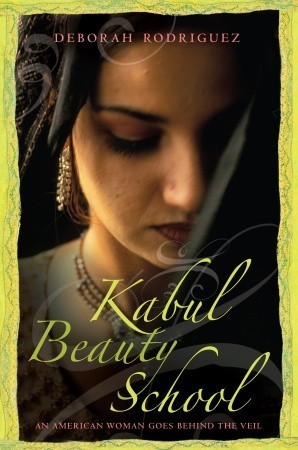
"Kabul Beauty School" chronicles Deborah Rodriguez's transformative experience opening and running a beauty school in post-Taliban Afghanistan. It's a personal account of her efforts to empower Afghan women through vocational training, offering them a space for community, expression, and economic opportunity, all while navigating cultural complexities and personal challenges. The narrative intertwines her observations of daily life in Kabul with the stories of her students and colleagues.
Both books offer intimate, first-person perspectives on the challenges and resilience of women in Afghanistan. They share a core theme of empowering Afghan women through education and opportunity, whether through political leadership as in Koofi's case, or vocational training as in Rodriguez's. Both authors provide invaluable insights into the social structures, cultural norms, and enduring spirit of a nation often misunderstood.
This book will appeal to those interested in women's rights, international development, and cultural immersion. It offers a unique lens into Afghan society beyond headlines, showcasing the strength and aspirations of individuals striving for a better future amidst adversity. Its value lies in its humanizing portrayal of a complex region and its testament to the transformative power of education and interpersonal connection.
Kabul Beauty School: An American Woman Goes Behind the Veil
"Kabul Beauty School" chronicles Deborah Rodriguez's transformative experience opening and running a beauty school in post-Taliban Afghanistan. It's a personal account of her efforts to empower Afghan women through vocational training, offering them a space for community, expression, and economic opportunity, all while navigating cultural complexities and personal challenges. The narrative intertwines her observations of daily life in Kabul with the stories of her students and colleagues.
Both books offer intimate, first-person perspectives on the challenges and resilience of women in Afghanistan. They share a core theme of empowering Afghan women through education and opportunity, whether through political leadership as in Koofi's case, or vocational training as in Rodriguez's. Both authors provide invaluable insights into the social structures, cultural norms, and enduring spirit of a nation often misunderstood.
This book will appeal to those interested in women's rights, international development, and cultural immersion. It offers a unique lens into Afghan society beyond headlines, showcasing the strength and aspirations of individuals striving for a better future amidst adversity. Its value lies in its humanizing portrayal of a complex region and its testament to the transformative power of education and interpersonal connection.
For the Love of a Son: One Afghan Woman's Quest for Her Stolen Child

"For the Love of a Son" narrates the harrowing true story of a mother, desperate to reclaim her child stolen by the Taliban. It's an intimate, first-hand account of her relentless pursuit through a war-torn country, navigating bureaucratic hurdles, societal expectations, and extreme personal danger to reunite her family. The book illuminates the profound impact of conflict on ordinary lives, particularly women and children, within a deeply patriarchal society.
This book resonates with "The Favored Daughter" through its powerful portrayal of Afghan women's resilience and determination against oppressive forces. Both memoirs offer unvarnished glimpses into the challenges faced by women striving for agency and justice in Afghanistan, whether battling for political change or personal freedom. They share a similar narrative arc of an individual's struggle against overwhelming adversity within a specific cultural and political context.
The book will appeal to those interested in real-life stories of extraordinary courage and the human spirit's capacity for endurance. It offers valuable insights into the personal cost of conflict, the complexities of Afghan society, and the fierce, universal bond between a mother and child. It’s a testament to unwavering love and the lengths one will go to protect family even in the direst circumstances.
For the Love of a Son: One Afghan Woman's Quest for Her Stolen Child
"For the Love of a Son" narrates the harrowing true story of a mother, desperate to reclaim her child stolen by the Taliban. It's an intimate, first-hand account of her relentless pursuit through a war-torn country, navigating bureaucratic hurdles, societal expectations, and extreme personal danger to reunite her family. The book illuminates the profound impact of conflict on ordinary lives, particularly women and children, within a deeply patriarchal society.
This book resonates with "The Favored Daughter" through its powerful portrayal of Afghan women's resilience and determination against oppressive forces. Both memoirs offer unvarnished glimpses into the challenges faced by women striving for agency and justice in Afghanistan, whether battling for political change or personal freedom. They share a similar narrative arc of an individual's struggle against overwhelming adversity within a specific cultural and political context.
The book will appeal to those interested in real-life stories of extraordinary courage and the human spirit's capacity for endurance. It offers valuable insights into the personal cost of conflict, the complexities of Afghan society, and the fierce, universal bond between a mother and child. It’s a testament to unwavering love and the lengths one will go to protect family even in the direst circumstances.
Daughter of Persia: A Woman's Journey From Her Father's Harem Through the Islamic Revolution
"Daughter of Persia" chronicles the remarkable life of Sattareh Farman Farmaian, a woman born into a royal Qajar household in early 20th-century Iran. It details her unconventional upbringing in a household with numerous wives and children, her pioneering journey to America for higher education, and her subsequent return to Iran to establish social work programs, culminating in her experiences during the seismic shifts of the 1979 Islamic Revolution.
This memoir shares foundational thematic similarities with "The Favored Daughter." Both narratives feature extraordinary women from prominent, politically active families in Islamic nations, who, despite societal constraints, pursue education and dedicate their lives to improving their countries. Each book highlights the personal sacrifices and resilience required to challenge traditional norms and advocate for societal progress, often against a backdrop of significant political upheaval.
The book offers a compelling window into a pivotal period of Iranian history through the eyes of a courageous individual. It provides invaluable insights into the cultural complexities of royal Persian society, the aspirations for modernization, and the dramatic impact of revolution, offering a personal perspective on how political and social changes directly affect lives, making it a powerful testament to endurance and vision.
Daughter of Persia: A Woman's Journey From Her Father's Harem Through the Islamic Revolution
"Daughter of Persia" chronicles the remarkable life of Sattareh Farman Farmaian, a woman born into a royal Qajar household in early 20th-century Iran. It details her unconventional upbringing in a household with numerous wives and children, her pioneering journey to America for higher education, and her subsequent return to Iran to establish social work programs, culminating in her experiences during the seismic shifts of the 1979 Islamic Revolution.
This memoir shares foundational thematic similarities with "The Favored Daughter." Both narratives feature extraordinary women from prominent, politically active families in Islamic nations, who, despite societal constraints, pursue education and dedicate their lives to improving their countries. Each book highlights the personal sacrifices and resilience required to challenge traditional norms and advocate for societal progress, often against a backdrop of significant political upheaval.
The book offers a compelling window into a pivotal period of Iranian history through the eyes of a courageous individual. It provides invaluable insights into the cultural complexities of royal Persian society, the aspirations for modernization, and the dramatic impact of revolution, offering a personal perspective on how political and social changes directly affect lives, making it a powerful testament to endurance and vision.
The Bookseller of Kabul
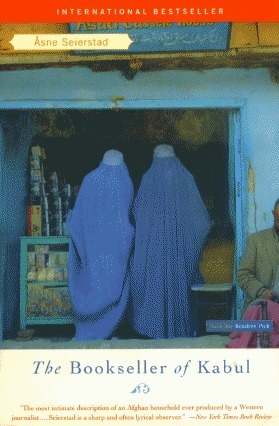
"The Bookseller of Kabul" offers a deeply intimate, albeit controversial, portrayal of a large Afghan family living in Kabul shortly after the fall of the Taliban. It chronicles the lives of Sultan Khan, a bookshop owner, and his sprawling household, revealing the intricacies of daily life, familial obligations, and the stark realities faced by women in a deeply patriarchal society. Through Seierstad's observational lens, the book provides a raw snapshot of ordinary Afghans grappling with tradition, modernity, and the vestiges of conflict.
This book aligns with "The Favored Daughter" by providing a nuanced look into the fabric of Afghan society and the challenges inherent in gender roles within that culture. Both narratives offer a window into Afghanistan not as a monolithic entity, but as a place of complex human lives. While Koofi’s memoir focuses on political leadership and women's rights from a personal, activist perspective, Seierstad’s work presents an ethnographic, albeit criticized, exploration of family dynamics and socio-cultural constraints impacting women's autonomy at a grassroots level.
This book appeals to those seeking a grounded, human-centric understanding of Afghanistan beyond geopolitical headlines. It provides a powerful, if at times uncomfortable, counterpoint to more idealized narratives, prompting reflection on cultural differences, the tension between tradition and individual aspirations, and the enduring strength of the human spirit amidst challenging circumstances. Its raw honesty serves as a valuable resource for comprehending the societal underpinnings that shape the pursuit of progress in the region.
The Bookseller of Kabul
"The Bookseller of Kabul" offers a deeply intimate, albeit controversial, portrayal of a large Afghan family living in Kabul shortly after the fall of the Taliban. It chronicles the lives of Sultan Khan, a bookshop owner, and his sprawling household, revealing the intricacies of daily life, familial obligations, and the stark realities faced by women in a deeply patriarchal society. Through Seierstad's observational lens, the book provides a raw snapshot of ordinary Afghans grappling with tradition, modernity, and the vestiges of conflict.
This book aligns with "The Favored Daughter" by providing a nuanced look into the fabric of Afghan society and the challenges inherent in gender roles within that culture. Both narratives offer a window into Afghanistan not as a monolithic entity, but as a place of complex human lives. While Koofi’s memoir focuses on political leadership and women's rights from a personal, activist perspective, Seierstad’s work presents an ethnographic, albeit criticized, exploration of family dynamics and socio-cultural constraints impacting women's autonomy at a grassroots level.
This book appeals to those seeking a grounded, human-centric understanding of Afghanistan beyond geopolitical headlines. It provides a powerful, if at times uncomfortable, counterpoint to more idealized narratives, prompting reflection on cultural differences, the tension between tradition and individual aspirations, and the enduring strength of the human spirit amidst challenging circumstances. Its raw honesty serves as a valuable resource for comprehending the societal underpinnings that shape the pursuit of progress in the region.
I Am Malala: The Story of the Girl Who Stood Up for Education and Was Shot by the Taliban
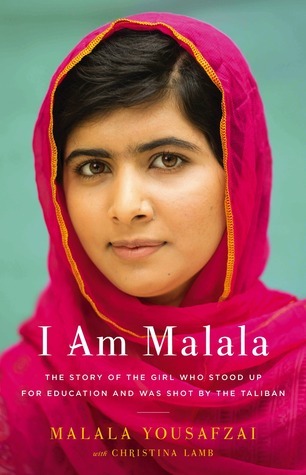
"I Am Malala" recounts the extraordinary journey of Malala Yousafzai, a Pakistani girl whose passionate advocacy for education, particularly for girls, led her to be targeted and shot by the Taliban. The book chronicles her life in the Swat Valley, her unwavering commitment to learning despite growing threats, and her remarkable recovery and continued activism on a global stage. It's a powerful first-person account of courage in the face of extremism.
This memoir shares striking commonalities with "The Favored Daughter." Both books offer intimate perspectives from women challenging oppressive regimes in conservative Islamic societies. Malala, like Fawzia Koofi, emerges as a resilient female leader fighting for fundamental rights and societal progress against formidable cultural and political barriers. Both narratives highlight the immense personal sacrifices involved in such activism.
The book will appeal through its inspiring demonstration of resilience and the profound impact one individual can have on a global issue. It provides invaluable insight into the challenges faced by ordinary citizens under extremism and underscores the universal importance of education and female empowerment. Its testament to the human spirit's capacity for hope and advocacy offers a compelling and vital reading experience.
I Am Malala: The Story of the Girl Who Stood Up for Education and Was Shot by the Taliban
"I Am Malala" recounts the extraordinary journey of Malala Yousafzai, a Pakistani girl whose passionate advocacy for education, particularly for girls, led her to be targeted and shot by the Taliban. The book chronicles her life in the Swat Valley, her unwavering commitment to learning despite growing threats, and her remarkable recovery and continued activism on a global stage. It's a powerful first-person account of courage in the face of extremism.
This memoir shares striking commonalities with "The Favored Daughter." Both books offer intimate perspectives from women challenging oppressive regimes in conservative Islamic societies. Malala, like Fawzia Koofi, emerges as a resilient female leader fighting for fundamental rights and societal progress against formidable cultural and political barriers. Both narratives highlight the immense personal sacrifices involved in such activism.
The book will appeal through its inspiring demonstration of resilience and the profound impact one individual can have on a global issue. It provides invaluable insight into the challenges faced by ordinary citizens under extremism and underscores the universal importance of education and female empowerment. Its testament to the human spirit's capacity for hope and advocacy offers a compelling and vital reading experience.
My Feudal Lord

"My Feudal Lord" is a searing memoir by Tehmina Durrani, detailing her tumultuous and often abusive marriage to Ghulam Mustafa Khar, a powerful Pakistani politician. It exposes the brutal realities of a patriarchal society, the devastating impact of political ambition on personal lives, and one woman's courageous struggle for autonomy and justice against overwhelming odds.
This book resonates strongly with "The Favored Daughter" due to both authors' experiences within deeply entrenched patriarchal political systems. Both Durrani and Koofi narrate their fights for agency and influence in societies where women's voices are often suppressed, highlighting themes of resilience, political awakening, and the personal sacrifices involved in challenging oppressive norms and powerful men.
The powerful narrative of "My Feudal Lord" offers a raw, unfiltered look into the intersection of personal struggle and political machination. It provides profound insight into the human cost of unchecked power and the enduring spirit required to reclaim one's identity and advocate for change, making it a compelling and illuminating read for those interested in women's rights, South Asian politics, and personal courage.
My Feudal Lord
"My Feudal Lord" is a searing memoir by Tehmina Durrani, detailing her tumultuous and often abusive marriage to Ghulam Mustafa Khar, a powerful Pakistani politician. It exposes the brutal realities of a patriarchal society, the devastating impact of political ambition on personal lives, and one woman's courageous struggle for autonomy and justice against overwhelming odds.
This book resonates strongly with "The Favored Daughter" due to both authors' experiences within deeply entrenched patriarchal political systems. Both Durrani and Koofi narrate their fights for agency and influence in societies where women's voices are often suppressed, highlighting themes of resilience, political awakening, and the personal sacrifices involved in challenging oppressive norms and powerful men.
The powerful narrative of "My Feudal Lord" offers a raw, unfiltered look into the intersection of personal struggle and political machination. It provides profound insight into the human cost of unchecked power and the enduring spirit required to reclaim one's identity and advocate for change, making it a compelling and illuminating read for those interested in women's rights, South Asian politics, and personal courage.
The Daughter of Kurdland: A Life Dedicated to Humankind
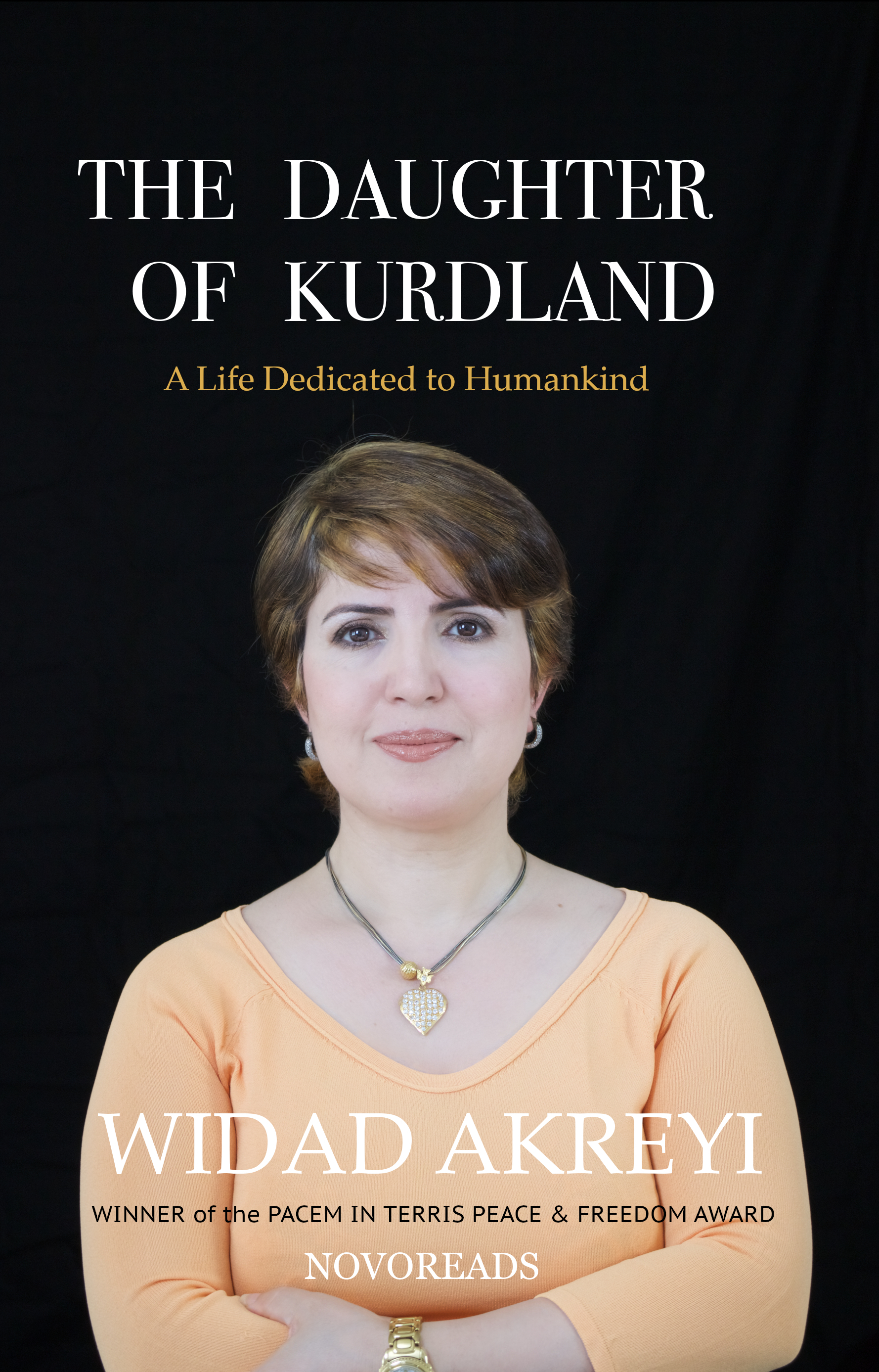
"The Daughter of Kurdland" chronicles the extraordinary life of Widad Akreyi, a human rights activist and Nobel Peace Prize nominee. Born in Iraqi Kurdistan, Akreyi's narrative traces her formative years amidst conflict and oppression, her pursuit of education in the West, and her unwavering dedication to global humanitarian causes, particularly advocating for the rights of minorities and victims of atrocity. It's a testament to resilience and the enduring power of ethical leadership.
This book resonates strongly with "The Favored Daughter" due to their shared focus on formidable women from politically turbulent regions who rise to prominence as activists and leaders. Both narratives highlight the personal sacrifices and profound courage required to challenge oppressive systems and champion human rights, often at great personal risk. Each woman's story
The Daughter of Kurdland: A Life Dedicated to Humankind
"The Daughter of Kurdland" chronicles the extraordinary life of Widad Akreyi, a human rights activist and Nobel Peace Prize nominee. Born in Iraqi Kurdistan, Akreyi's narrative traces her formative years amidst conflict and oppression, her pursuit of education in the West, and her unwavering dedication to global humanitarian causes, particularly advocating for the rights of minorities and victims of atrocity. It's a testament to resilience and the enduring power of ethical leadership.
This book resonates strongly with "The Favored Daughter" due to their shared focus on formidable women from politically turbulent regions who rise to prominence as activists and leaders. Both narratives highlight the personal sacrifices and profound courage required to challenge oppressive systems and champion human rights, often at great personal risk. Each woman's story
The Imam's Daughter
"The Imam's Daughter" chronicles Hannah Shah’s personal journey of self-discovery and rebellion against the restrictive, fundamentalist upbringing imposed by her British-Pakistani imam father. It details her struggle for freedom and education, challenging deeply entrenched religious and patriarchal norms within her family and community.
This memoir shares a profound thematic resonance with Fawzia Koofi's "The Favored Daughter." Both narratives feature women courageously defying oppressive patriarchal systems to forge their own paths and advocate for a more equitable future. While Koofi fights for a nation, Shah battles for individual liberty and truth within a rigid religious framework, each showcasing immense personal fortitude against formidable cultural barriers.
This book offers a powerful testament to resilience and the universal human desire for autonomy and intellectual freedom. It provides an intimate look into the complexities of cultural and religious identity, offering profound insights into the challenges faced by individuals seeking to reconcile tradition with personal values. The narrative's raw honesty and inspiring message will resonate deeply, offering a valuable perspective on perseverance and the pursuit of truth.
The Imam's Daughter
"The Imam's Daughter" chronicles Hannah Shah’s personal journey of self-discovery and rebellion against the restrictive, fundamentalist upbringing imposed by her British-Pakistani imam father. It details her struggle for freedom and education, challenging deeply entrenched religious and patriarchal norms within her family and community.
This memoir shares a profound thematic resonance with Fawzia Koofi's "The Favored Daughter." Both narratives feature women courageously defying oppressive patriarchal systems to forge their own paths and advocate for a more equitable future. While Koofi fights for a nation, Shah battles for individual liberty and truth within a rigid religious framework, each showcasing immense personal fortitude against formidable cultural barriers.
This book offers a powerful testament to resilience and the universal human desire for autonomy and intellectual freedom. It provides an intimate look into the complexities of cultural and religious identity, offering profound insights into the challenges faced by individuals seeking to reconcile tradition with personal values. The narrative's raw honesty and inspiring message will resonate deeply, offering a valuable perspective on perseverance and the pursuit of truth.
More Books to Explore
Discover more titles that expand on these ideas and themes.
Zoya's Story: An Afghan Woman's Struggle for Freedom
The Storyteller's Daughter: One Woman's Return to Her Lost Homeland
Kabul Beauty School: An American Woman Goes Behind the Veil
For the Love of a Son: One Afghan Woman's Quest for Her Stolen Child
Daughter of Persia: A Woman's Journey From Her Father's Harem Through the Islamic Revolution
The Bookseller of Kabul