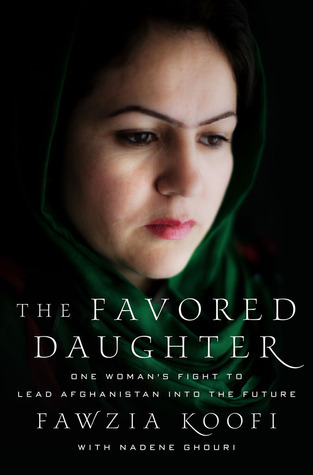
The Favored Daughter: One Woman's Fight to Lead Afghanistan into the Future
Book Description
An unyielding spirit rises amid chaos as Fawzia Koofi fights not just for her life but the future of a nation. In a land ravaged by war, she navigates treacherous politics, gender persecution, and a relentless struggle for women's rights, all while holding onto the dream of a thriving Afghanistan. Each chapter pulses with tension as allies turn to foes and hope flickers like a fragile flame. Witness a tale of courage, resilience, and the quest for justice. Can one woman’s voice echo loud enough to transform a country?
Quick Book Summary
"The Favored Daughter" is Fawzia Koofi’s powerful memoir chronicling her extraordinary journey from the brink of death as an unwanted girl in rural Afghanistan to her role as a prominent politician and women's rights advocate. Amid Afghanistan’s turbulent landscape—racked by war, Taliban resurgence, and deep gender discrimination—Koofi confronts immense personal and societal challenges. Through loss, threats, and moments of near defeat, she perseveres, using her position as one of Afghanistan’s few female members of parliament to push for equality and reform. Koofi’s story is not just one of survival, but of tireless advocacy, hope, and sacrifice as she strives to reshape her country’s future for all Afghan women.





Summary of Key Ideas
Table of Contents
Resilience Amid Adversity
Born the nineteenth daughter in a polygamous family in rural Afghanistan, Koofi’s entry into the world was met with rejection; her own mother left her to die. Miraculously, she survived, and her early struggle outlines the persistence required to thrive as a girl in a society rife with misogyny and tradition. Her father, a prominent politician, offered her an example of service before his assassination thrust the family into poverty and peril, showcasing the sudden reversals that would define her life.
The Fight for Women’s Rights
Koofi’s journey through Afghanistan’s shifting regimes—monarchy, communist rule, Mujahideen, Taliban, and American intervention—exposes the perilous status of women. The Taliban era, with its suppression of women’s access to education and employment, catalyzed her activism. Despite personal tragedy, including the loss of her husband to illness and constant threats against her family, Koofi’s determination to achieve an education became a form of resistance. Her struggle reflects the broader fight for women’s rights in Afghanistan’s patriarchal system.
Navigating Dangerous Political Landscapes
As one of the first women elected to Afghanistan’s parliament, Koofi faced political violence and deep socio-cultural barriers. She details assassination attempts, betrayals by colleagues, and the ever-present shadow of Taliban intimidation. Despite the dangers, she advocated tirelessly for progressive laws, including the Elimination of Violence Against Women Act. This section of her life underscores the risks involved in pushing for change within entrenched systems of power and the necessity of courage and resilience.
Family, Loss, and Personal Sacrifice
Koofi’s activism is deeply personal. The burdens of leadership include profound losses—her husband’s early death, separation from her daughters, and the daily anxiety over her safety. Yet, these hardships also cultivate her empathy and resolve. Through letters addressed to her daughters, distributed throughout the book, she conveys her hopes, the lessons she’s learned, and the emotional costs of leadership. Her story is grounded in family, tradition, and an unwavering belief in justice.
Hope and Vision for Afghanistan’s Future
Despite heartache and threat, Koofi never loses sight of hope for Afghanistan. She envisions a future where girls are educated, women participate fully in civic life, and peace prevails. Her memoir ends with a call to action—not just for Afghan women but for the global community. She invites readers to recognize the fragility and strength of dreams in adversity and the transformative power of one determined individual’s voice, echoing her belief that lasting change is both possible and necessary.
Download This Summary
Get a free PDF of this summary instantly — no email required.