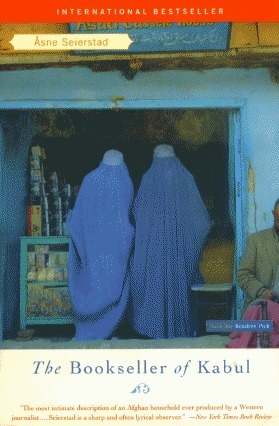
The Bookseller of Kabul
Book Description
In a war-torn city where books are both a treasure and a threat, one man's quest to share knowledge collides with the harsh realities of life under oppression. As a resilient bookseller opens his store amidst chaos, the pages of his life become intertwined with those of his family—each chapter revealing dreams, fears, and unyielding love. The struggle for freedom of expression weaves through their lives, challenging the bonds of loyalty and sacrifice. Will the power of words triumph over the forces that seek to silence them? In a world where every sentence could be a death sentence, what price will they pay for hope?
Quick Book Summary
"The Bookseller of Kabul" by Åsne Seierstad offers an intimate look into the everyday life of an Afghan family living under the shadow of war, religious tyranny, and social restrictions. Centered on the figure of Sultan Khan, a passionate bookseller determined to preserve Afghanistan’s literary culture, the book explores not only his defiance against censorship but also the intricate family dynamics shaped by tradition and survival. Through the voices of Khan’s relatives—his wives, children, and extended kin—the book reveals the burdens placed on women, the clash between progress and tradition, and the cost of knowledge in a society where reading could be an act of resistance. Seierstad’s penetrating narrative captures how deeply personal sacrifices are made in the pursuit of intellectual freedom, laying bare the hidden struggles and small victories that define the family’s journey through hope and hardship.



Summary of Key Ideas
Table of Contents
The Struggle for Intellectual Freedom
Åsne Seierstad paints a vivid portrait of post-Taliban Kabul through the lens of Sultan Khan, a relentless bookseller determined to nurture Afghanistan’s literary heritage against overwhelming odds. As Seierstad lives with Khan’s family, she exposes the broader context of Afghanistan’s struggle with censorship, extremism, and war. The book reveals how, for Khan, every book is both a symbol of hope and a potential target—his battle with the authorities is continuous, his resolve never wavering despite frequent confiscations and risks. His ambition to bring knowledge to his country represents the resilience of a culture repeatedly threatened with erasure.
Tradition Versus Modernity
The intricate relationships within Khan’s family underscore the tension between tradition and modernity. The patriarch maintains strict authority, managing multiple wives and enforcing conservative values. This microcosm of Afghan society shows how societal norms shape choices and opportunities, often limiting individual desires for the sake of family unity and survival. The family’s daily rituals, conflicts, and aspirations reflect the broader pressures Afghans face as they navigate a changing world still rooted in deeply entrenched customs.
Women’s Roles and Oppression
The narrative foregrounds the lives of women, illuminating the strictures that define their existence. Sultan’s wives and daughters embody the dreams and frustrations of countless Afghan women; their access to education and expression is scrutinized, and their roles remain circumscribed by patriarchal expectations. Small rebellions—like pursuing an education or seeking romantic autonomy—are fraught with danger and disappointment. Their stories reveal an unyielding longing for freedom and recognition, set against a landscape where female agency can be perilously subversive.
Family Loyalty and Sacrifice
At the heart of the story lies the theme of family loyalty and sacrifice. Each member of the household negotiates personal happiness against collective responsibility. Children suppress aspirations to serve the family’s interests, and women accept secondary status to maintain familial harmony. These sacrifices are alternately voluntary and coerced, revealing the complexity of Afghan kinship networks held together by obligation, endurance, and affection—even as dreams collide with harsh realities.
Personal Identity Amidst War
Amidst the chaos of postwar Kabul, the struggle for personal identity emerges as a quiet but persistent theme. Members of Khan’s extended family search for individual meaning in an environment where external dangers and internal dynamics stifle self-expression. Their hopes are often subsumed by necessity, but the desire for change—whether through literature, education, or subtle resistance—endures. Seierstad’s nuanced account invites readers to consider the price of hope and the transformative power of words when freedom itself is on the line.
Download This Summary
Get a free PDF of this summary instantly — no email required.