10 Books Similar to "The Beauty Myth"
by Naomi Wolf
Black Macho and the Myth of the Superwoman
"Black Macho and the Myth of the Superwoman" by Michele Wallace dissects the complex power dynamics within the Black community. Written in the late 1970s, it critically examines the historical and sociological roots of misogyny and male chauvinism among Black men, often fueled by the myth of Black male emasculation under racism. Simultaneously, it deconstructs the damaging "Superwoman" trope placed upon Black women, who are expected to be infinitely strong, resilient, and subservient, ultimately at the expense of their own well-being and agency.
Its similarity to "The Beauty Myth" lies in their shared interrogation of societal myths and their impact on women. While Wolf focuses on the pervasive and oppressive standards of physical beauty imposed on all women, Wallace zeroes in on the culturally specific and equally damaging myths constructed around Black women – particularly the expectation of superhuman strength and self-sacrifice, and the corresponding denigration within their own community. Both books expose how these idealized images are not liberating but rather tools of social control, limiting female autonomy and expression.
The book offers a profound understanding of intersecting oppressions, making it invaluable for anyone seeking to comprehend the nuances of gender and race in America. It provides crucial historical context for contemporary discussions on sexism within patriarchal structures and the unique challenges faced by Black women. Wallace’s unapologetic analysis encourages critical thought about societal narratives and empowers a deeper, more empathetic engagement with complex social issues.
Black Macho and the Myth of the Superwoman
"Black Macho and the Myth of the Superwoman" by Michele Wallace dissects the complex power dynamics within the Black community. Written in the late 1970s, it critically examines the historical and sociological roots of misogyny and male chauvinism among Black men, often fueled by the myth of Black male emasculation under racism. Simultaneously, it deconstructs the damaging "Superwoman" trope placed upon Black women, who are expected to be infinitely strong, resilient, and subservient, ultimately at the expense of their own well-being and agency.
Its similarity to "The Beauty Myth" lies in their shared interrogation of societal myths and their impact on women. While Wolf focuses on the pervasive and oppressive standards of physical beauty imposed on all women, Wallace zeroes in on the culturally specific and equally damaging myths constructed around Black women – particularly the expectation of superhuman strength and self-sacrifice, and the corresponding denigration within their own community. Both books expose how these idealized images are not liberating but rather tools of social control, limiting female autonomy and expression.
The book offers a profound understanding of intersecting oppressions, making it invaluable for anyone seeking to comprehend the nuances of gender and race in America. It provides crucial historical context for contemporary discussions on sexism within patriarchal structures and the unique challenges faced by Black women. Wallace’s unapologetic analysis encourages critical thought about societal narratives and empowers a deeper, more empathetic engagement with complex social issues.
Who Stole Feminism? How Women Have Betrayed Women

"Who Stole Feminism?" by Christina Hoff Sommers critiques what she identifies as radical feminist ideology, arguing that it has deviated from earlier, more egalitarian feminist goals. Sommers contends that this "gender feminism" often misrepresents data, promotes victimhood narratives, and inadvertently harms women by alienating potential allies and undermining traditional female roles and choices. She advocates for a return to what she terms "equity feminism," focused on legal and economic equality rather than perceived systemic oppression.
The book shares common ground with "The Beauty Myth" in its critical examination of societal constructs impacting women. While Wolf dissects the oppressive nature of beauty standards, Sommers deconstructs what she sees as an equally detrimental, albeit internal, force within feminism itself. Both authors challenge prevailing narratives surrounding female experience, albeit from different ideological standpoints, prompting readers to reconsider established views.
This work appeals to those interested in the complexities and internal debates within feminist thought, offering a provocative counter-narrative to mainstream feminist discourse. It provides a valuable resource for understanding the historical evolution of feminist movements and for critically evaluating contemporary discussions about gender, offering a conservative perspective that encourages robust intellectual engagement with the future direction of women's advocacy.
Who Stole Feminism? How Women Have Betrayed Women
"Who Stole Feminism?" by Christina Hoff Sommers critiques what she identifies as radical feminist ideology, arguing that it has deviated from earlier, more egalitarian feminist goals. Sommers contends that this "gender feminism" often misrepresents data, promotes victimhood narratives, and inadvertently harms women by alienating potential allies and undermining traditional female roles and choices. She advocates for a return to what she terms "equity feminism," focused on legal and economic equality rather than perceived systemic oppression.
The book shares common ground with "The Beauty Myth" in its critical examination of societal constructs impacting women. While Wolf dissects the oppressive nature of beauty standards, Sommers deconstructs what she sees as an equally detrimental, albeit internal, force within feminism itself. Both authors challenge prevailing narratives surrounding female experience, albeit from different ideological standpoints, prompting readers to reconsider established views.
This work appeals to those interested in the complexities and internal debates within feminist thought, offering a provocative counter-narrative to mainstream feminist discourse. It provides a valuable resource for understanding the historical evolution of feminist movements and for critically evaluating contemporary discussions about gender, offering a conservative perspective that encourages robust intellectual engagement with the future direction of women's advocacy.
Pornography: Men Possessing Women

Andrea Dworkin's "Pornography: Men Possessing Women" presents a searing critique of pornography, arguing it is a systemic tool of male dominance that actively dehumanizes women. Dworkin asserts that pornography is not primarily about sex, but about power, specifically the literal and symbolic possession of women's bodies and identities as a means of control and subjugation within a patriarchal society. She meticulously analyzes its historical, social, and psychological impacts.
Both "Pornography" and Naomi Wolf's "The Beauty Myth" expose how societal constructs are used to control and objectify women. While Wolf focuses on the pervasive and insidious pressure of a narrowly defined beauty standard, Dworkin targets pornography as a more explicit and violent manifestation of male power exerted over women's bodies and autonomy. Both works delve into the mechanisms by which women are reduced to objects for male consumption, whether through idealized images or explicit sexual exploitation.
This book offers a profound and challenging perspective on gender, power, and representation. It encourages a critical examination of media, patriarchy, and the ways in which women's bodies are commodified and controlled. For anyone interested in feminist theory, cultural criticism, or the politics of sexuality, Dworkin’s rigorous analysis provides invaluable insights into the systemic oppression of women.
Pornography: Men Possessing Women
Andrea Dworkin's "Pornography: Men Possessing Women" presents a searing critique of pornography, arguing it is a systemic tool of male dominance that actively dehumanizes women. Dworkin asserts that pornography is not primarily about sex, but about power, specifically the literal and symbolic possession of women's bodies and identities as a means of control and subjugation within a patriarchal society. She meticulously analyzes its historical, social, and psychological impacts.
Both "Pornography" and Naomi Wolf's "The Beauty Myth" expose how societal constructs are used to control and objectify women. While Wolf focuses on the pervasive and insidious pressure of a narrowly defined beauty standard, Dworkin targets pornography as a more explicit and violent manifestation of male power exerted over women's bodies and autonomy. Both works delve into the mechanisms by which women are reduced to objects for male consumption, whether through idealized images or explicit sexual exploitation.
This book offers a profound and challenging perspective on gender, power, and representation. It encourages a critical examination of media, patriarchy, and the ways in which women's bodies are commodified and controlled. For anyone interested in feminist theory, cultural criticism, or the politics of sexuality, Dworkin’s rigorous analysis provides invaluable insights into the systemic oppression of women.
Outrageous Acts and Everyday Rebellions

Gloria Steinem's "Outrageous Acts and Everyday Rebellions" is a collection of essays spanning decades, offering incisive commentary on sexism, reproductive rights, media representation, and the ongoing struggle for gender equality. Steinem uses personal anecdotes, investigative journalism, and sharp analysis to expose the pervasive nature of patriarchal structures and champion feminist ideals.
This collection resonates strongly with "The Beauty Myth" because both books dissect the societal pressures and systems that constrain women. While Wolf focuses specifically on the oppressive power of the beauty industry, Steinem's broader scope examines how these pressures are part of a larger, systemic subjugation. Both authors highlight the manufactured nature of many female insecurities and advocate for women's liberation from external expectations.
Anyone interested in understanding the historical and contemporary landscape of feminism, the fight for civil rights, and the power of individual and collective action will find this book immensely valuable. It provides a timeless perspective on issues that remain profoundly relevant, offering both historical context and ongoing inspiration for social change.
Outrageous Acts and Everyday Rebellions
Gloria Steinem's "Outrageous Acts and Everyday Rebellions" is a collection of essays spanning decades, offering incisive commentary on sexism, reproductive rights, media representation, and the ongoing struggle for gender equality. Steinem uses personal anecdotes, investigative journalism, and sharp analysis to expose the pervasive nature of patriarchal structures and champion feminist ideals.
This collection resonates strongly with "The Beauty Myth" because both books dissect the societal pressures and systems that constrain women. While Wolf focuses specifically on the oppressive power of the beauty industry, Steinem's broader scope examines how these pressures are part of a larger, systemic subjugation. Both authors highlight the manufactured nature of many female insecurities and advocate for women's liberation from external expectations.
Anyone interested in understanding the historical and contemporary landscape of feminism, the fight for civil rights, and the power of individual and collective action will find this book immensely valuable. It provides a timeless perspective on issues that remain profoundly relevant, offering both historical context and ongoing inspiration for social change.
The New Victorians: A Young Woman's Challenge to the Old Feminist Order
Rene Denfeld's "The New Victorians" examines a perceived shift within feminist discourse, arguing that certain aspects of contemporary feminism had become overly prescriptive and puritanical. Denfeld, a self-identified feminist, critiques what she sees as a new moralism emerging within the movement, particularly in its stance on sexuality, pornography, and gender roles. She advocates for a more inclusive and less judgmental form of feminism that champions individual liberty and diverse female experiences, rather than dictating a singular "correct" way to be a woman.
This book resonates with "The Beauty Myth" due to its critical examination of societal pressures on women, albeit from a different angle. While Wolf dissects the external manipulation of beauty standards, Denfeld scrutinizes internal ideological constraints within feminism itself that, she argues, can inadvertently limit women's autonomy and expression. Both authors challenge established norms, prompting a re-evaluation of what truly liberates women versus what subtly confines them.
Those who engage with this work will gain a nuanced understanding of internal debates within feminism during a specific historical period. It offers a provocative perspective on the movement's evolution and the complexities of defining female empowerment. The analysis sparks critical thinking about personal freedom, censorship, and the ever-present tension between collective identity and individual choice, providing valuable context for ongoing discussions about gender and society.
The New Victorians: A Young Woman's Challenge to the Old Feminist Order
Rene Denfeld's "The New Victorians" examines a perceived shift within feminist discourse, arguing that certain aspects of contemporary feminism had become overly prescriptive and puritanical. Denfeld, a self-identified feminist, critiques what she sees as a new moralism emerging within the movement, particularly in its stance on sexuality, pornography, and gender roles. She advocates for a more inclusive and less judgmental form of feminism that champions individual liberty and diverse female experiences, rather than dictating a singular "correct" way to be a woman.
This book resonates with "The Beauty Myth" due to its critical examination of societal pressures on women, albeit from a different angle. While Wolf dissects the external manipulation of beauty standards, Denfeld scrutinizes internal ideological constraints within feminism itself that, she argues, can inadvertently limit women's autonomy and expression. Both authors challenge established norms, prompting a re-evaluation of what truly liberates women versus what subtly confines them.
Those who engage with this work will gain a nuanced understanding of internal debates within feminism during a specific historical period. It offers a provocative perspective on the movement's evolution and the complexities of defining female empowerment. The analysis sparks critical thinking about personal freedom, censorship, and the ever-present tension between collective identity and individual choice, providing valuable context for ongoing discussions about gender and society.
Whores and Other Feminists
Jill Nagle's "Whores and Other Feminists" delves into the complexities of sex work and prostitution from a feminist perspective, challenging traditional societal stigmas and examining the diverse experiences of women within the industry. It explores various viewpoints, from those advocating for decriminalization and worker rights to those who view sex work as inherently exploitative. The book navigates the nuanced arguments surrounding agency, coercion, and economic necessity in relation to women's choices and their bodies.
This book resonates with themes in Naomi Wolf's "The Beauty Myth" by critically examining how societal pressures and patriarchal structures exert control over women's bodies and self-worth. Both texts investigate the ways in which seemingly liberating choices can be influenced by broader social forces, whether it's the pressure to conform to beauty standards or the economic realities that shape women's engagement in sex work. They both expose the hidden mechanisms of female disempowerment, despite outward appearances of progress or personal freedom.
This analysis will appeal to individuals interested in feminist theory, gender studies, and social justice. It offers a sophisticated exploration of a highly controversial topic, providing different perspectives rather than a monolithic view. Its value lies in provoking critical thought about women's autonomy, challenging preconceived notions, and encouraging a more empathetic and informed understanding of sex work within a feminist framework.
Whores and Other Feminists
Jill Nagle's "Whores and Other Feminists" delves into the complexities of sex work and prostitution from a feminist perspective, challenging traditional societal stigmas and examining the diverse experiences of women within the industry. It explores various viewpoints, from those advocating for decriminalization and worker rights to those who view sex work as inherently exploitative. The book navigates the nuanced arguments surrounding agency, coercion, and economic necessity in relation to women's choices and their bodies.
This book resonates with themes in Naomi Wolf's "The Beauty Myth" by critically examining how societal pressures and patriarchal structures exert control over women's bodies and self-worth. Both texts investigate the ways in which seemingly liberating choices can be influenced by broader social forces, whether it's the pressure to conform to beauty standards or the economic realities that shape women's engagement in sex work. They both expose the hidden mechanisms of female disempowerment, despite outward appearances of progress or personal freedom.
This analysis will appeal to individuals interested in feminist theory, gender studies, and social justice. It offers a sophisticated exploration of a highly controversial topic, providing different perspectives rather than a monolithic view. Its value lies in provoking critical thought about women's autonomy, challenging preconceived notions, and encouraging a more empathetic and informed understanding of sex work within a feminist framework.
Backlash: The Undeclared War Against American Women

Susan Faludi's "Backlash" meticulously dissects the pervasive societal pushback against women's progress, particularly in the 1980s. Faludi argues that as women gained ground in areas like career and education, a manufactured narrative emerged, suggesting feminism made them unhappy and unfulfilled. She exposes how media, politics, and pop culture actively perpetuated myths about the "failure" of modern women, blaming their supposed liberation for personal dissatisfaction and societal ills, effectively undermining their hard-won advancements.
This book shares significant thematic DNA with "The Beauty Myth." Both works expose how societal structures, often subtly, conspire to limit women's autonomy and potential. While Wolf focuses on the instrumentalization of beauty standards as a tool of repression, Faludi examines a broader cultural campaign designed to roll back feminist gains. Both authors meticulously deconstruct seemingly benign cultural phenomena, revealing their underlying patriarchal agendas and the real-world impact on women.
Anyone interested in the sociology of gender, feminist history, or the enduring challenges women face in achieving full equality will find this book invaluable. It offers a crucial historical lens through which to understand contemporary issues of gender inequality, media manipulation, and the persistent forces that seek to define and confine women. Its detailed analysis provides a powerful framework for recognizing similar patterns of societal control today.
Backlash: The Undeclared War Against American Women
Susan Faludi's "Backlash" meticulously dissects the pervasive societal pushback against women's progress, particularly in the 1980s. Faludi argues that as women gained ground in areas like career and education, a manufactured narrative emerged, suggesting feminism made them unhappy and unfulfilled. She exposes how media, politics, and pop culture actively perpetuated myths about the "failure" of modern women, blaming their supposed liberation for personal dissatisfaction and societal ills, effectively undermining their hard-won advancements.
This book shares significant thematic DNA with "The Beauty Myth." Both works expose how societal structures, often subtly, conspire to limit women's autonomy and potential. While Wolf focuses on the instrumentalization of beauty standards as a tool of repression, Faludi examines a broader cultural campaign designed to roll back feminist gains. Both authors meticulously deconstruct seemingly benign cultural phenomena, revealing their underlying patriarchal agendas and the real-world impact on women.
Anyone interested in the sociology of gender, feminist history, or the enduring challenges women face in achieving full equality will find this book invaluable. It offers a crucial historical lens through which to understand contemporary issues of gender inequality, media manipulation, and the persistent forces that seek to define and confine women. Its detailed analysis provides a powerful framework for recognizing similar patterns of societal control today.
Girls Gone Mild: Young Women Reclaim Self-Respect and Find It's Not Bad to Be Good
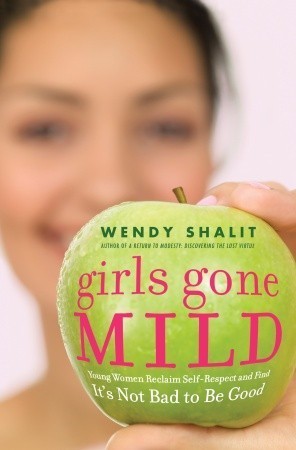
*Girls Gone Mild* by Wendy Shalit explores a counter-cultural movement among young women consciously rejecting the sexualized, often promiscuous, societal expectations prevalent among their peers. It advocates for a return to traditional notions of modesty, chastity, and valuing inner character over outward appearance and fleeting sexual encounters, positing that these choices lead to greater self-respect and fulfillment.
This book resonates with themes in *The Beauty Myth* by deconstructing pervasive societal pressures that diminish women. While Wolf focuses on the oppressive nature of beauty standards, Shalit examines how sexual liberation, when perceived as obligatory rather than empowering, can similarly restrict young women. Both authors critique external forces dictating female behavior and identity, albeit from different ideological standpoints, urging women to reclaim agency.
The book will appeal to those interested in contemporary gender dynamics, societal influences on young women, and the ongoing debate surrounding female empowerment and sexuality. It offers a thought-provoking perspective on authenticity and self-worth, particularly relevant for individuals questioning dominant cultural narratives and seeking alternative paths to personal strength and contentment.
Girls Gone Mild: Young Women Reclaim Self-Respect and Find It's Not Bad to Be Good
*Girls Gone Mild* by Wendy Shalit explores a counter-cultural movement among young women consciously rejecting the sexualized, often promiscuous, societal expectations prevalent among their peers. It advocates for a return to traditional notions of modesty, chastity, and valuing inner character over outward appearance and fleeting sexual encounters, positing that these choices lead to greater self-respect and fulfillment.
This book resonates with themes in *The Beauty Myth* by deconstructing pervasive societal pressures that diminish women. While Wolf focuses on the oppressive nature of beauty standards, Shalit examines how sexual liberation, when perceived as obligatory rather than empowering, can similarly restrict young women. Both authors critique external forces dictating female behavior and identity, albeit from different ideological standpoints, urging women to reclaim agency.
The book will appeal to those interested in contemporary gender dynamics, societal influences on young women, and the ongoing debate surrounding female empowerment and sexuality. It offers a thought-provoking perspective on authenticity and self-worth, particularly relevant for individuals questioning dominant cultural narratives and seeking alternative paths to personal strength and contentment.
The Body Project: An Intimate History of American Girls

"The Body Project: An Intimate History of American Girls" meticulously traces the evolving relationship between American girls and their bodies from the mid-19th century through the late 20th. Joan Jacobs Brumberg utilizes diaries, letters, and medical texts to reveal how societal expectations around female appearance, hygiene, and sexuality shaped girls' self-perception and experiences, often leading to anxieties, self-surveillance, and physical interventions. It's a historical examination of the pressures girls faced to conform to prevailing ideals of femininity.
This work resonates strongly with "The Beauty Myth" because both books dissect the pervasive and often damaging societal pressures placed upon women concerning their physical appearance. While Wolf focuses on contemporary beauty standards as a political tool to maintain patriarchal power, Brumberg provides the historical lineage, showing how these pressures are not new but have manifested differently across generations, consistently impacting female identity and autonomy. Both expose how external ideologies dictate internal perceptions of self-worth.
The book offers a compelling historical context for understanding contemporary struggles with body image and gendered expectations. It provides insight into the long-standing cultural forces that have shaped female experiences, helping to illuminate the roots of modern beauty standards and their psychological and social effects. The detailed historical analysis makes it invaluable for anyone seeking a deeper understanding of women's experiences and the enduring power of cultural dictates on the female body.
The Body Project: An Intimate History of American Girls
"The Body Project: An Intimate History of American Girls" meticulously traces the evolving relationship between American girls and their bodies from the mid-19th century through the late 20th. Joan Jacobs Brumberg utilizes diaries, letters, and medical texts to reveal how societal expectations around female appearance, hygiene, and sexuality shaped girls' self-perception and experiences, often leading to anxieties, self-surveillance, and physical interventions. It's a historical examination of the pressures girls faced to conform to prevailing ideals of femininity.
This work resonates strongly with "The Beauty Myth" because both books dissect the pervasive and often damaging societal pressures placed upon women concerning their physical appearance. While Wolf focuses on contemporary beauty standards as a political tool to maintain patriarchal power, Brumberg provides the historical lineage, showing how these pressures are not new but have manifested differently across generations, consistently impacting female identity and autonomy. Both expose how external ideologies dictate internal perceptions of self-worth.
The book offers a compelling historical context for understanding contemporary struggles with body image and gendered expectations. It provides insight into the long-standing cultural forces that have shaped female experiences, helping to illuminate the roots of modern beauty standards and their psychological and social effects. The detailed historical analysis makes it invaluable for anyone seeking a deeper understanding of women's experiences and the enduring power of cultural dictates on the female body.
The Feminine Mystique
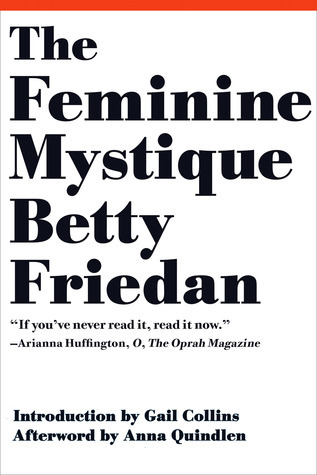
"The Feminine Mystique" exposes "the problem with no name," the pervasive but unarticulated dissatisfaction felt by many American women in the 1950s and early 60s despite outwardly fulfilling societal expectations of domestic bliss. Friedan meticulously details how women, often college-educated, were confined to domestic roles, leading to feelings of emptiness and a stifled sense of self, arguing this was a systemic issue rather than individual pathology.
Both books dissect culturally constructed narratives that limit women's lives and sense of self-worth. Just as "The Beauty Myth" argues that beauty standards are a political tool to maintain male dominance by distracting and disempowering women, "The Feminine Mystique" reveals how the glorified image of the suburban housewife served to bind women to domesticity, preventing them from pursuing intellectual or professional fulfillment and thus maintaining patriarchal structures. Both critique powerful societal myths underpinning gender inequality.
This groundbreaking text offers a critical lens through which to understand the historical roots of modern feminism and the enduring struggle for women's self-determination. It provides profound insights into how societal pressures can subtly erode personal agency and will resonate with those interested in the evolution of gender roles, social psychology, and the ongoing fight for equality.
The Feminine Mystique
"The Feminine Mystique" exposes "the problem with no name," the pervasive but unarticulated dissatisfaction felt by many American women in the 1950s and early 60s despite outwardly fulfilling societal expectations of domestic bliss. Friedan meticulously details how women, often college-educated, were confined to domestic roles, leading to feelings of emptiness and a stifled sense of self, arguing this was a systemic issue rather than individual pathology.
Both books dissect culturally constructed narratives that limit women's lives and sense of self-worth. Just as "The Beauty Myth" argues that beauty standards are a political tool to maintain male dominance by distracting and disempowering women, "The Feminine Mystique" reveals how the glorified image of the suburban housewife served to bind women to domesticity, preventing them from pursuing intellectual or professional fulfillment and thus maintaining patriarchal structures. Both critique powerful societal myths underpinning gender inequality.
This groundbreaking text offers a critical lens through which to understand the historical roots of modern feminism and the enduring struggle for women's self-determination. It provides profound insights into how societal pressures can subtly erode personal agency and will resonate with those interested in the evolution of gender roles, social psychology, and the ongoing fight for equality.
More Books to Explore
Discover more titles that expand on these ideas and themes.
Black Macho and the Myth of the Superwoman
Who Stole Feminism? How Women Have Betrayed Women
Pornography: Men Possessing Women
Outrageous Acts and Everyday Rebellions
The New Victorians: A Young Woman's Challenge to the Old Feminist Order
Whores and Other Feminists