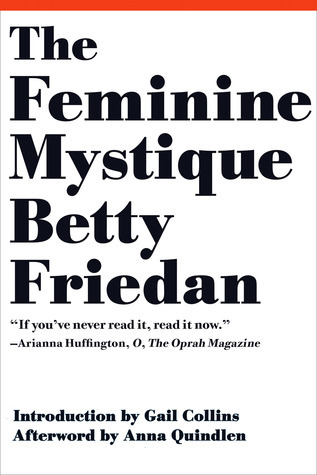
The Feminine Mystique
Book Description
A quiet revolution brews beneath the surface of suburban America, where the perfect facade masks an unrelenting emptiness. Betty Friedan’s groundbreaking exploration exposes the heartbeat of women trapped in a gilded cage of domesticity. With piercing clarity, she unravels the societal myths that dictate lives and stifle dreams, igniting a fierce call for empowerment and identity. Each page pulsates with the urgent desire for liberation, challenging the status quo and urging women to reclaim their narratives. As whispers of discontent grow louder, can these women forge a new path to freedom?
Quick Book Summary
"The Feminine Mystique" by Betty Friedan is a seminal work that launched the second wave of feminism in the United States. Drawing on interviews, surveys, and cultural analysis, Friedan exposes the widespread unhappiness of women in 1950s and early 1960s America, despite living in apparent comfort as housewives and mothers. She deconstructs the "feminine mystique"—the pervasive belief that fulfillment for women is found solely in domesticity and subservience. Friedan argues that this mystique is a social construct perpetuated by media, education, psychology, and advertising, which confines women to narrow roles and stifles their ambitions. The book calls for women to reclaim their identities, pursue careers, and seek self-actualization, igniting nationwide discussion and inspiring women to challenge the status quo.






Summary of Key Ideas
Table of Contents
The Construction of the Feminine Mystique
Friedan begins by defining the "feminine mystique"—the cultural myth that women's happiness and identity can only be realized through home, marriage, and motherhood. She documents how this ideal became deeply entrenched in American society after World War II, as women were encouraged to leave the workforce and embrace domesticity. Media, advertisers, and educators propagated this message, celebrating the housewife as the ultimate feminine achievement, while alternative ambitions were downplayed or dismissed.
The Dissatisfaction of Suburban Housewives
Despite being told they should feel fulfilled, many women experienced a pervasive sense of emptiness and lack of purpose. Friedan calls this the "problem that has no name," as countless suburban housewives silently suffered from boredom and emotional discontent. She argues that the suppression of their intellectual, creative, and personal aspirations fostered this malaise, challenging the notion that domestic satisfaction was a natural female destiny.
Societal Forces Reinforcing Gender Roles
Friedan explores how various institutions—psychiatry, education, and popular culture—collaborated to reinforce restrictive gender roles. Psychological theories, especially Freudian thinking, labeled women who sought life outside the home as neurotic, while educational materials encouraged girls to limit themselves to marriage and motherhood. These influences discouraged women from questioning their prescribed roles and silenced ambition, reinforcing the cycle of submission.
The Importance of Self-Actualization and Education
Friedan insists that women require opportunities for self-actualization beyond their domestic lives. She emphasizes the transformative power of education and meaningful work, arguing that fulfillment comes from engaging the mind and contributing to society. Friedan encourages women to rediscover their identities, pursue higher education, and seek rewarding careers, contending that personal growth and autonomy benefit both individuals and families.
Catalyzing Social Change and Liberation
The book concludes as a rallying cry for social change, urging women to reject the false promises of the feminine mystique and advocate for their own liberation. Friedan's urgent message struck a chord in the 1960s, fueling the women's movement and inspiring activism aimed at equality in education, employment, and family life. "The Feminine Mystique" continues to resonate, standing as both a critique of a restrictive era and a call to reclaim agency and self-worth.
Download This Summary
Get a free PDF of this summary instantly — no email required.