10 Books Similar to "The Anatomy of Human Destructiveness"
by Erich Fromm

On Being Human
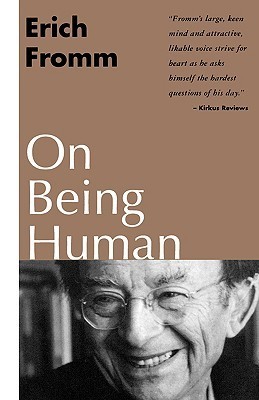
"On Being Human" explores Fromm's core philosophy on what it means to be a person, delving into universal human needs, motivations, and the inherent conflicts we face. It examines the struggle between our biological drives and our capacity for reason, connection, and self-realization, ultimately offering insights into how we can live more authentically and fulfillingly.
This work resonates strongly with "The Anatomy of Human Destructiveness" because both books fundamentally address the nature of humanity, albeit from different angles. While "Destructiveness" dissects the origins and manifestations of aggression and violence, "On Being Human" provides the broader psychological and philosophical framework for understanding human potential, including both our constructive and destructive tendencies. Both scrutinize the human condition with a critical yet hopeful lens.
This book offers a profound opportunity for introspection and a deeper understanding of oneself and others. Its exploration of universal human experiences and the pathways to personal growth and societal well-being provides valuable guidance for navigating life's complexities and fostering a more humane existence.
On Being Human
"On Being Human" explores Fromm's core philosophy on what it means to be a person, delving into universal human needs, motivations, and the inherent conflicts we face. It examines the struggle between our biological drives and our capacity for reason, connection, and self-realization, ultimately offering insights into how we can live more authentically and fulfillingly.
This work resonates strongly with "The Anatomy of Human Destructiveness" because both books fundamentally address the nature of humanity, albeit from different angles. While "Destructiveness" dissects the origins and manifestations of aggression and violence, "On Being Human" provides the broader psychological and philosophical framework for understanding human potential, including both our constructive and destructive tendencies. Both scrutinize the human condition with a critical yet hopeful lens.
This book offers a profound opportunity for introspection and a deeper understanding of oneself and others. Its exploration of universal human experiences and the pathways to personal growth and societal well-being provides valuable guidance for navigating life's complexities and fostering a more humane existence.
To Have or to Be? The Nature of the Psyche

"To Have or to Be?" explores two fundamental modes of existence. The "having" mode emphasizes acquisition, possession, and control over external things and even internal experiences. In contrast, the "being" mode prioritizes experience, growth, connection, and an active engagement with the world, where one's identity isn't defined by what they possess but by their authentic self and their active participation in life. Fromm argues that modern society increasingly pushes individuals towards the detrimental "having" mode, leading to unhappiness and alienation.
This book shares thematic resonance with "The Anatomy of Human Destructiveness" because both delve into the psychological and societal forces that shape human behavior, albeit from different angles. While "Destructiveness" examines the roots of aggression and societal pathology, "To Have or to Be?" investigates the broader psychological framework within which such pathologies can manifest, specifically through the imbalance of the "having" and "being" orientations. Both texts ultimately diagnose societal maladies as stemming from deeply ingrained psychological patterns and cultural values.
This work offers profound insights into personal fulfillment and societal health. It provides a powerful framework for self-reflection, encouraging individuals to re-evaluate their priorities and the nature of their relationship with the world. Its exploration of individual and collective psychology makes it an essential read for anyone contemplating the human condition, seeking to understand the malaise of modern life, or striving for a more meaningful existence beyond consumerism and acquisition.
To Have or to Be? The Nature of the Psyche
"To Have or to Be?" explores two fundamental modes of existence. The "having" mode emphasizes acquisition, possession, and control over external things and even internal experiences. In contrast, the "being" mode prioritizes experience, growth, connection, and an active engagement with the world, where one's identity isn't defined by what they possess but by their authentic self and their active participation in life. Fromm argues that modern society increasingly pushes individuals towards the detrimental "having" mode, leading to unhappiness and alienation.
This book shares thematic resonance with "The Anatomy of Human Destructiveness" because both delve into the psychological and societal forces that shape human behavior, albeit from different angles. While "Destructiveness" examines the roots of aggression and societal pathology, "To Have or to Be?" investigates the broader psychological framework within which such pathologies can manifest, specifically through the imbalance of the "having" and "being" orientations. Both texts ultimately diagnose societal maladies as stemming from deeply ingrained psychological patterns and cultural values.
This work offers profound insights into personal fulfillment and societal health. It provides a powerful framework for self-reflection, encouraging individuals to re-evaluate their priorities and the nature of their relationship with the world. Its exploration of individual and collective psychology makes it an essential read for anyone contemplating the human condition, seeking to understand the malaise of modern life, or striving for a more meaningful existence beyond consumerism and acquisition.
The Sane Society
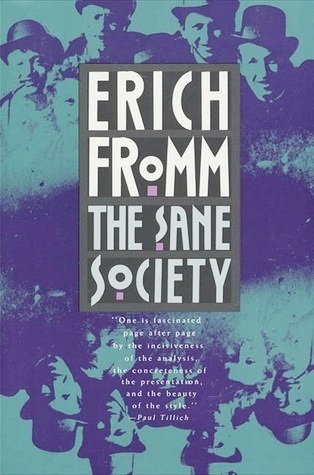
"The Sane Society" argues that modern industrial society often creates widespread psychological distress, leading to alienation, anxiety, and a feeling of powerlessness. Fromm proposes that true mental health isn't merely the absence of illness but requires a society built on principles that fulfill fundamental human needs for connection, creativity, and a meaningful existence, rather than solely economic growth or conformity.
Both books delve into the societal roots of human suffering and dysfunction. While "The Anatomy of Human Destructiveness" meticulously examines the origins and manifestations of aggression and cruelty, "The Sane Society" broadens this analysis to diagnose the pathologies inherent in societal structures that undermine mental well-being and hinder human flourishing. Both works are profound critiques of societal norms from a psychosocial perspective.
This book offers a compelling framework for understanding the disconnect between individual well-being and societal progress. It provides a powerful analytical lens for identifying sources of collective psychological distress and inspires critical reflection on how societies can be redesigned to foster genuine human fulfillment and mental health. Its insights remain remarkably relevant for addressing contemporary social challenges.
The Sane Society
"The Sane Society" argues that modern industrial society often creates widespread psychological distress, leading to alienation, anxiety, and a feeling of powerlessness. Fromm proposes that true mental health isn't merely the absence of illness but requires a society built on principles that fulfill fundamental human needs for connection, creativity, and a meaningful existence, rather than solely economic growth or conformity.
Both books delve into the societal roots of human suffering and dysfunction. While "The Anatomy of Human Destructiveness" meticulously examines the origins and manifestations of aggression and cruelty, "The Sane Society" broadens this analysis to diagnose the pathologies inherent in societal structures that undermine mental well-being and hinder human flourishing. Both works are profound critiques of societal norms from a psychosocial perspective.
This book offers a compelling framework for understanding the disconnect between individual well-being and societal progress. It provides a powerful analytical lens for identifying sources of collective psychological distress and inspires critical reflection on how societies can be redesigned to foster genuine human fulfillment and mental health. Its insights remain remarkably relevant for addressing contemporary social challenges.
On Disobedience and Other Essays
*On Disobedience and Other Essays* explores critical themes of individual liberty, societal conformity, and the ethical imperative to resist oppressive systems. Fromm analyzes various forms of authority, dissects the psychological roots of obedience, and champions a rebellious spirit grounded in reason and humanistic values. It’s a compelling call to intellectual and moral independence, examining how personal agency can challenge established power structures.
The books share a profound intellectual lineage through Fromm's consistent focus on the human condition and the interplay between individual psychology and societal structures. Both works rigorously analyze destructive tendencies, whether it's the urge to conform (as explored in *On Disobedience*) or the more overt forms of aggression (*The Anatomy of Human Destructiveness*). They are united by Fromm’s overarching humanistic philosophy, his psychoanalytic lens, and his unwavering belief in humanity’s capacity for both alienation and self-realization.
This collection will resonate deeply with those interested in social critique, ethical philosophy, and the dynamics of power. Its timeless insights into political and psychological manipulation offer a robust framework for understanding contemporary societal challenges and individual responsibilities within them. The essays provide valuable intellectual tools for fostering critical thinking and promoting a more conscious, engaged approach to citizenship.
On Disobedience and Other Essays
*On Disobedience and Other Essays* explores critical themes of individual liberty, societal conformity, and the ethical imperative to resist oppressive systems. Fromm analyzes various forms of authority, dissects the psychological roots of obedience, and champions a rebellious spirit grounded in reason and humanistic values. It’s a compelling call to intellectual and moral independence, examining how personal agency can challenge established power structures.
The books share a profound intellectual lineage through Fromm's consistent focus on the human condition and the interplay between individual psychology and societal structures. Both works rigorously analyze destructive tendencies, whether it's the urge to conform (as explored in *On Disobedience*) or the more overt forms of aggression (*The Anatomy of Human Destructiveness*). They are united by Fromm’s overarching humanistic philosophy, his psychoanalytic lens, and his unwavering belief in humanity’s capacity for both alienation and self-realization.
This collection will resonate deeply with those interested in social critique, ethical philosophy, and the dynamics of power. Its timeless insights into political and psychological manipulation offer a robust framework for understanding contemporary societal challenges and individual responsibilities within them. The essays provide valuable intellectual tools for fostering critical thinking and promoting a more conscious, engaged approach to citizenship.
The Art of Being

"The Art of Being" delves into the profound question of how humans can live a truly fulfilling and authentic existence, moving beyond mere having or doing. Fromm argues that Western society often prioritizes acquisition and activity over inner development and self-realization. He explores the nature of human experience when lived with awareness, purpose, and a deep connection to one's true self, advocating for a shift in focus from external validation to internal flourishing.
This work resonates with "The Anatomy of Human Destructiveness" by exploring the positive antithesis to the destructive tendencies Fromm dissects elsewhere. Both books fundamentally examine the human condition and the choices individuals make regarding their development. While "Destructiveness" analyzes the roots of pathological behavior, "The Art of Being" provides a philosophical and psychological framework for cultivating a healthy, productive, and ultimately meaningful life, offering a counterpoint to the negativity.
The book will appeal to those seeking a deeper understanding of personal growth and societal transformation. It offers practical insights into cultivating mindfulness, independence, and genuine connection, moving beyond superficial notions of happiness. Its value lies in providing a timeless guide for individuals striving to live more consciously and authentically, offering a powerful antidote to the alienation and emptiness prevalent in contemporary life.
The Art of Being
"The Art of Being" delves into the profound question of how humans can live a truly fulfilling and authentic existence, moving beyond mere having or doing. Fromm argues that Western society often prioritizes acquisition and activity over inner development and self-realization. He explores the nature of human experience when lived with awareness, purpose, and a deep connection to one's true self, advocating for a shift in focus from external validation to internal flourishing.
This work resonates with "The Anatomy of Human Destructiveness" by exploring the positive antithesis to the destructive tendencies Fromm dissects elsewhere. Both books fundamentally examine the human condition and the choices individuals make regarding their development. While "Destructiveness" analyzes the roots of pathological behavior, "The Art of Being" provides a philosophical and psychological framework for cultivating a healthy, productive, and ultimately meaningful life, offering a counterpoint to the negativity.
The book will appeal to those seeking a deeper understanding of personal growth and societal transformation. It offers practical insights into cultivating mindfulness, independence, and genuine connection, moving beyond superficial notions of happiness. Its value lies in providing a timeless guide for individuals striving to live more consciously and authentically, offering a powerful antidote to the alienation and emptiness prevalent in contemporary life.
Man for Himself: An Inquiry into the Psychology of Ethics

"Man for Himself: An Inquiry into the Psychology of Ethics" explores how individuals can develop an ethical framework rooted in their own human nature, rather than solely on external authority or mandates. Fromm argues for a humanistic ethics where values are derived from our inherent capacity for growth, reason, and love, fostering self-realization and productive living. It's an insightful examination of character, conscience, and the path to genuine well-being.
This book shares foundational conceptual ground with "The Anatomy of Human Destructiveness" by delvving into the psychological underpinnings of human behavior, albeit from a different angle. While "Destructiveness" dissects the origins of malice and aggression, "Man for Himself" constructs a positive vision for human flourishing, emphasizing inherent capacities for goodness. Both volumes are psychological analyses of human nature and ethical conduct, exploring what shapes our choices and character.
Individuals interested in psychological ethics, self-actualization, and the philosophical foundations of morality will find this work compelling. It offers a profound perspective on developing a mature, integrated personality and living a meaningful life, free from uncritical obedience and self-alienation. Its insights are invaluable for anyone seeking a deeper understanding of human potential and the creation of a life aligned with intrinsic values.
Man for Himself: An Inquiry into the Psychology of Ethics
"Man for Himself: An Inquiry into the Psychology of Ethics" explores how individuals can develop an ethical framework rooted in their own human nature, rather than solely on external authority or mandates. Fromm argues for a humanistic ethics where values are derived from our inherent capacity for growth, reason, and love, fostering self-realization and productive living. It's an insightful examination of character, conscience, and the path to genuine well-being.
This book shares foundational conceptual ground with "The Anatomy of Human Destructiveness" by delvving into the psychological underpinnings of human behavior, albeit from a different angle. While "Destructiveness" dissects the origins of malice and aggression, "Man for Himself" constructs a positive vision for human flourishing, emphasizing inherent capacities for goodness. Both volumes are psychological analyses of human nature and ethical conduct, exploring what shapes our choices and character.
Individuals interested in psychological ethics, self-actualization, and the philosophical foundations of morality will find this work compelling. It offers a profound perspective on developing a mature, integrated personality and living a meaningful life, free from uncritical obedience and self-alienation. Its insights are invaluable for anyone seeking a deeper understanding of human potential and the creation of a life aligned with intrinsic values.
Escape from Freedom

*Escape from Freedom* explores the unsettling paradox of modern liberty: as traditional constraints like feudalism and absolute monarchy crumbled, individuals experienced an unprecedented sense of freedom, yet often felt overwhelmed and isolated by it. Fromm argues that this burgeoning freedom, rather than leading to fulfillment, can generate anxiety and a longing to escape its burdens through conformity, authoritarianism, or even destructive behaviors. He examines how people abandon their authentic selves to embrace ideologies that promise security, even at the cost of personal autonomy.
This book shares a profound thematic kinship with *The Anatomy of Human Destructiveness* by delving into the psychological roots of societal pathologies. Both works investigate how internal conflicts and existential anxieties manifest as destructive tendencies, whether as individual acts of aggression or as widespread societal phenomena like totalitarianism. While *Anatomy* meticulously dissects the mechanisms of human aggression, *Escape from Freedom* offers a crucial precursor by exploring the psychological pressures that make individuals susceptible to ideologies that channel and justify such destructiveness.
This analysis will appeal to anyone seeking to understand the psychological underpinnings of social and political behavior. It provides valuable insights into why individuals and societies sometimes embrace authoritarianism or surrender their individuality, offering a powerful lens through which to examine current events and historical trends. The book’s enduring relevance lies in its ability to illuminate the constant tension between individual freedom and the human need for belonging and security.
Escape from Freedom
*Escape from Freedom* explores the unsettling paradox of modern liberty: as traditional constraints like feudalism and absolute monarchy crumbled, individuals experienced an unprecedented sense of freedom, yet often felt overwhelmed and isolated by it. Fromm argues that this burgeoning freedom, rather than leading to fulfillment, can generate anxiety and a longing to escape its burdens through conformity, authoritarianism, or even destructive behaviors. He examines how people abandon their authentic selves to embrace ideologies that promise security, even at the cost of personal autonomy.
This book shares a profound thematic kinship with *The Anatomy of Human Destructiveness* by delving into the psychological roots of societal pathologies. Both works investigate how internal conflicts and existential anxieties manifest as destructive tendencies, whether as individual acts of aggression or as widespread societal phenomena like totalitarianism. While *Anatomy* meticulously dissects the mechanisms of human aggression, *Escape from Freedom* offers a crucial precursor by exploring the psychological pressures that make individuals susceptible to ideologies that channel and justify such destructiveness.
This analysis will appeal to anyone seeking to understand the psychological underpinnings of social and political behavior. It provides valuable insights into why individuals and societies sometimes embrace authoritarianism or surrender their individuality, offering a powerful lens through which to examine current events and historical trends. The book’s enduring relevance lies in its ability to illuminate the constant tension between individual freedom and the human need for belonging and security.
Zen Buddhism and Psychoanalysis

"Zen Buddhism and Psychoanalysis" explores the fascinating intersection of Eastern spiritual thought and Western therapeutic practice. Fromm, alongside D.T. Suzuki and Richard De Martino, delves into how Zen concepts like enlightenment, awareness, and non-attachment resonate with psychoanalytic goals of self-understanding, emotional liberation, and psychological integration, offering a unique cross-cultural dialogue on human flourishing.
The similarity to "The Anatomy of Human Destructiveness" lies in Fromm's relentless pursuit of understanding the human condition, specifically the inner workings of the mind and its potential for both wellness and pathology. Both books dissect fundamental aspects of human nature, seeking to uncover the roots of our behavior and offering frameworks for personal and societal betterment – one through the lens of destructive tendencies, the other through pathways to psychological health.
This book will appeal to those interested in comparative religion, psychological theory, and self-improvement. It offers a profound perspective on achieving inner peace and a more authentic existence by bridging ancient wisdom with modern psychological insights. The synthesis of these seemingly disparate fields provides a rich tapestry of thought for anyone seeking a deeper comprehension of themselves and the world around them.
Zen Buddhism and Psychoanalysis
"Zen Buddhism and Psychoanalysis" explores the fascinating intersection of Eastern spiritual thought and Western therapeutic practice. Fromm, alongside D.T. Suzuki and Richard De Martino, delves into how Zen concepts like enlightenment, awareness, and non-attachment resonate with psychoanalytic goals of self-understanding, emotional liberation, and psychological integration, offering a unique cross-cultural dialogue on human flourishing.
The similarity to "The Anatomy of Human Destructiveness" lies in Fromm's relentless pursuit of understanding the human condition, specifically the inner workings of the mind and its potential for both wellness and pathology. Both books dissect fundamental aspects of human nature, seeking to uncover the roots of our behavior and offering frameworks for personal and societal betterment – one through the lens of destructive tendencies, the other through pathways to psychological health.
This book will appeal to those interested in comparative religion, psychological theory, and self-improvement. It offers a profound perspective on achieving inner peace and a more authentic existence by bridging ancient wisdom with modern psychological insights. The synthesis of these seemingly disparate fields provides a rich tapestry of thought for anyone seeking a deeper comprehension of themselves and the world around them.
The Art of Loving
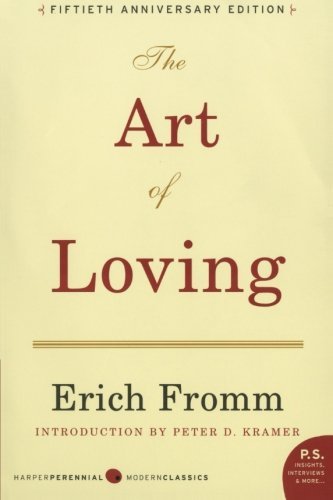
"The Art of Loving" by Erich Fromm is an insightful exploration into the nature of love, arguing that it's not merely a feeling but a skill that requires discipline, concentration, and patience. Fromm dissects various forms of love—erotic, brotherly, maternal, self-love, and love of God—and challenges the common misconception that love is a passive experience, something one "falls into." Instead, he presents love as an active capacity rooted in one's character, demanding knowledge, care, responsibility, and respect. It's a profound self-help guide presented through a philosophical lens, encouraging readers to cultivate a mature and productive approach to connection.
The similarity to "The Anatomy of Human Destructiveness" lies in Fromm's consistent approach to analyzing fundamental human behaviors and motivations. Both books meticulously dissect complex human phenomena, moving beyond superficial understandings to reveal deeper psychological and societal roots. While "Destructiveness" examines the pathology of aggression, "Loving" explores the constructive potential of human connection, yet both apply
Fromm's rigorous psychoanalytic and philosophical framework to understand what drives us and how we can achieve greater psychological health—either by mitigating destructive impulses or cultivating life-affirming ones.
People interested in personal growth and understanding the complexities of human relationships will find this book highly valuable. It offers a sophisticated yet accessible framework for re-evaluating their own understanding and practice of love, moving beyond romantic ideals to a more profound and authentic engagement. Its timeless insights into emotional maturity and the active cultivation of connection resonate strongly, providing practical wisdom for fostering healthier relationships in all aspects of life.
The Art of Loving
"The Art of Loving" by Erich Fromm is an insightful exploration into the nature of love, arguing that it's not merely a feeling but a skill that requires discipline, concentration, and patience. Fromm dissects various forms of love—erotic, brotherly, maternal, self-love, and love of God—and challenges the common misconception that love is a passive experience, something one "falls into." Instead, he presents love as an active capacity rooted in one's character, demanding knowledge, care, responsibility, and respect. It's a profound self-help guide presented through a philosophical lens, encouraging readers to cultivate a mature and productive approach to connection.
The similarity to "The Anatomy of Human Destructiveness" lies in Fromm's consistent approach to analyzing fundamental human behaviors and motivations. Both books meticulously dissect complex human phenomena, moving beyond superficial understandings to reveal deeper psychological and societal roots. While "Destructiveness" examines the pathology of aggression, "Loving" explores the constructive potential of human connection, yet both apply
Fromm's rigorous psychoanalytic and philosophical framework to understand what drives us and how we can achieve greater psychological health—either by mitigating destructive impulses or cultivating life-affirming ones.
People interested in personal growth and understanding the complexities of human relationships will find this book highly valuable. It offers a sophisticated yet accessible framework for re-evaluating their own understanding and practice of love, moving beyond romantic ideals to a more profound and authentic engagement. Its timeless insights into emotional maturity and the active cultivation of connection resonate strongly, providing practical wisdom for fostering healthier relationships in all aspects of life.
Love, Sexuality and Matriarchy: About Gender
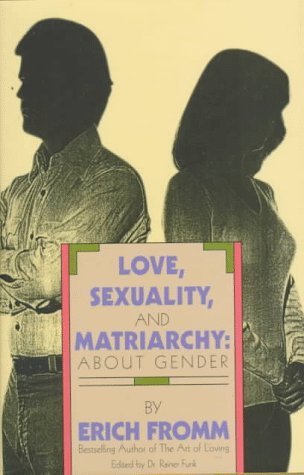
"Love, Sexuality and Matriarchy: About Gender" delves into historical and anthropological perspectives to explore the origins and impact of patriarchal and matriarchal societal structures on human relationships, especially love and sexuality. Fromm examines how gender roles and power dynamics have shaped psychological and social development, offering a critical analysis of traditional societal norms and their consequences for individual well-being and societal health.
This work resonates with "The Anatomy of Human Destructiveness" in its core methodology and intellectual ambition. Both books demonstrate Fromm's commitment to understanding the fundamental forces that shape human behavior and society. Just as "Destructiveness" dissects the roots of malevolence, "Love, Sexuality and Matriarchy" deconstructs the profound influences of gender and power on our deepest connections, revealing how societal structures can either foster or inhibit genuine human flourishing. Both apply a rigorous, critical lens to deep-seated cultural phenomena.
This analysis offers profound insights into contemporary discussions about gender equality, relationship dynamics, and societal reform. Its exploration of historical precedents and psychological underpinnings provides a robust framework for understanding the complexities of human identity and interaction. The critical perspectives offered in this book equip individuals with a deeper comprehension of how societal structures impact personal lives and collective futures.
Love, Sexuality and Matriarchy: About Gender
"Love, Sexuality and Matriarchy: About Gender" delves into historical and anthropological perspectives to explore the origins and impact of patriarchal and matriarchal societal structures on human relationships, especially love and sexuality. Fromm examines how gender roles and power dynamics have shaped psychological and social development, offering a critical analysis of traditional societal norms and their consequences for individual well-being and societal health.
This work resonates with "The Anatomy of Human Destructiveness" in its core methodology and intellectual ambition. Both books demonstrate Fromm's commitment to understanding the fundamental forces that shape human behavior and society. Just as "Destructiveness" dissects the roots of malevolence, "Love, Sexuality and Matriarchy" deconstructs the profound influences of gender and power on our deepest connections, revealing how societal structures can either foster or inhibit genuine human flourishing. Both apply a rigorous, critical lens to deep-seated cultural phenomena.
This analysis offers profound insights into contemporary discussions about gender equality, relationship dynamics, and societal reform. Its exploration of historical precedents and psychological underpinnings provides a robust framework for understanding the complexities of human identity and interaction. The critical perspectives offered in this book equip individuals with a deeper comprehension of how societal structures impact personal lives and collective futures.
More Books to Explore
Discover more titles that expand on these ideas and themes.
On Being Human
To Have or to Be? The Nature of the Psyche
The Sane Society
On Disobedience and Other Essays
The Art of Being
Man for Himself: An Inquiry into the Psychology of Ethics