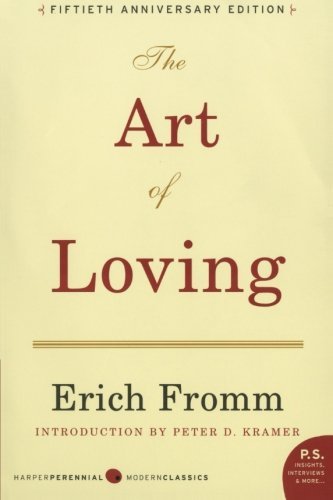
The Art of Loving
Book Description
Love is not just a feeling; it's an art. Erich Fromm unveils the transformative power of love, dissecting its many forms—romantic, familial, and self-love. With piercing clarity, he challenges conventional notions, urging a shift from passive receiving to active giving. The exploration of love becomes a profound journey, where vulnerability meets strength and connection transcends isolation. Each chapter unveils a layer, revealing that to truly love is to embrace responsibility, courage, and a deep understanding of oneself and others. Are you ready to master the art that can change everything?
Quick Book Summary
"The Art of Loving" by Erich Fromm explores the profound notion that love is not a passive experience or a fleeting emotion, but a deliberate practice and art form requiring discipline, knowledge, faith, and effort. Fromm challenges the common perception that love simply happens to people, arguing instead that love is an active choice rooted in maturity and self-awareness. He analyzes different types of love—romantic, brotherly, parental, self-love—and warns against the pitfalls of modern society, such as consumerism and narcissism, which he believes hinder authentic connection. Ultimately, Fromm calls for a transformative approach to love, emphasizing its ethical foundation and the need for individuals to cultivate loving as a skill. His work encourages readers to see love as the vital force for personal growth and societal harmony.





Summary of Key Ideas
Table of Contents
Love as an Art Requiring Discipline and Practice
Fromm begins by asserting that love should be regarded as an art, akin to music or painting, which demands both knowledge and effort to master. He dismisses the notion that finding the right object of love is all that matters, emphasizing instead that the ability to love is the core issue. He identifies love as an active, creative capacity rather than a passive state or mere feeling, urging readers to approach it with intention and discipline, much like other learned skills. To love genuinely, one must cultivate patience, concentration, and humility.
Different Forms of Love
The book expands on the various forms of love, including romantic eros, brotherly agape, parental, and self-love, dissecting their characteristics and interrelationships. Fromm suggests that no form of love is isolated; each is deeply interconnected and reflects one’s approach to humanity as a whole. He highlights that mature love is characterized by four elements: care, responsibility, respect, and knowledge. Each form of love is anchored in these qualities, and deficiencies therein can lead to possessiveness or dependency rather than true connection.
The Challenges of Love in Modern Society
Fromm critiques contemporary Western society, which he argues fosters narcissism, isolation, and commodification of relationships. These societal forces, he says, prime individuals to seek love as a commodity to be possessed or consumed, rather than as an ongoing practice. He contends that economic and social pressures encourage superficial interactions, making deep and lasting love difficult to achieve. Genuine love, according to Fromm, requires resisting these dehumanizing trends and nurturing the courage to express vulnerability and authentic connection.
The Importance of Self-Love
A core tenet of Fromm’s thesis is the necessity of self-love, which he distinguishes from selfishness or narcissism. He asserts that individuals who respect and understand themselves are more capable of loving others. Self-love, properly understood, is an affirmation of one’s own worth, boundaries, and individuality—vital for empathic engagement in all relationships. This self-respect and self-knowledge become the basis for respecting and loving others without domination or submission.
Love as an Ethical Foundation
Fromm concludes by framing love as an ethical act and social imperative—an answer to the problem of human existence. He argues that loving authentically is an act of faith and courage that leads to fulfillment for the individual and greater solidarity among people. Real love involves a commitment to personal and collective growth, and to overcoming alienation. In mastering the art of loving, individuals can foster deeper connections and play a role in creating a more compassionate and unified world.
Download This Summary
Get a free PDF of this summary instantly — no email required.