
The Art of Being
Book Description
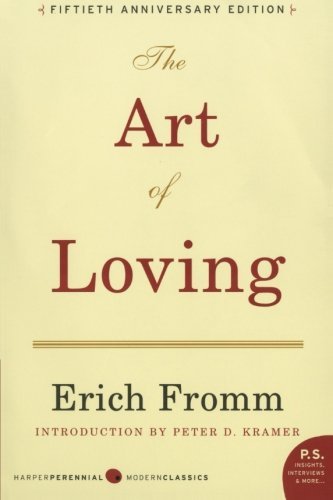
What does it truly mean to exist in a world driven by consumerism and isolation? *The Art of Being* presents a powerful exploration of human existence, weaving together profound insights on love, creativity, and self-realization. It challenges the relentless pursuit of success, urging a return to authentic living and deeper connections. With each page, the tension between societal expectations and the quest for personal fulfillment escalates. Erich Fromm's masterful narrative invites reflection on what it takes to live a meaningful life. Are you ready to embrace the art of being in an age that confuses having with being?
Quick Book Summary
In "The Art of Being," Erich Fromm investigates the essence of human existence in a modern world dominated by consumerism and alienation. Contrasting the modes of 'having' and 'being,' Fromm argues that contemporary society emphasizes materialism, possession, and success at the expense of genuine self-realization, love, and creativity. He offers a compelling critique of how this focus on possessions leads to isolation, anxiety, and a loss of meaningful connection. Instead, Fromm proposes a shift toward authentic living, which involves embracing presence, mindfulness, and creative engagement with life and others. Through philosophical, psychological, and spiritual perspectives, Fromm encourages readers to transcend societal pressures and rediscover deeper fulfillment rooted in the art of being.


Summary of Key Ideas
Table of Contents
The Problem of Having vs. Being
Fromm opens "The Art of Being" with a critical examination of the prevailing social orientation he terms the 'having' mode, wherein people measure success and happiness based on what they possess—money, status, knowledge, or objects. He contrasts this with the 'being' mode, which emphasizes qualities of aliveness, presence, and authentic engagement in life. Fromm argues that the preoccupation with acquisition and control not only alienates individuals from themselves and others but also fosters psychological distress and a pervasive sense of emptiness.
Society’s Influence on Identity and Fulfillment
The author explores the profound influence society exerts on individual identity and fulfillment. He describes how cultural narratives, mass media, and economic systems encourage conformity and competition, undermining the pursuit of genuine growth and happiness. Fromm contends that these conditioned values distort our sense of self, contributing to widespread feelings of isolation, anxiety, and meaninglessness, and he calls for a conscious reevaluation of what it means to live a fulfilled life.
The Practice of Presence and Mindfulness
To move beyond superficial modes of living, Fromm emphasizes the importance of cultivating presence and mindfulness. He suggests that authentic being arises when individuals learn to quiet the inner compulsion for constant activity and acquisition. Mindfulness, attentive awareness, and the capacity to inhabit the present moment are essential for breaking free from societal conditioning and reconnecting with one's true nature. Through practices such as meditation, reflection, and compassionate attention, individuals can rediscover joy and depth in daily experience.
Love and Connection as Foundations of Being
Fromm identifies love and meaningful connection as central components of the art of being. He posits that real love is not possessive or ego-driven but is instead an active process rooted in care, respect, and responsibility for oneself and others. Authentic relationships provide the context in which individuals can transcend self-centered tendencies and participate in shared growth. In fostering genuine connections, people fulfill a fundamental human yearning for intimacy and belonging.
Self-Realization Through Creativity and Authentic Living
Finally, Fromm details how self-realization emerges through creativity and authentic living. Living according to one’s true values and nurturing individual potential are fundamental to the art of being. Creative expression—not limited to the arts, but including everyday gestures, work, and interactions—enables individuals to assert their freedom and uniqueness. Fromm encourages readers to resist societal pressures, embrace vulnerability, and find meaning in becoming, rather than simply accumulating, thus fulfilling the promise of a truly human life.
Download This Summary
Get a free PDF of this summary instantly — no email required.