10 Books Similar to "Steve Jobs"
by Walter Isaacson

Steve Jobs: The Man Who Thought Different: A Biography

Karen Blumenthal's "Steve Jobs: The Man Who Thought Different" provides a well-researched and engaging account of Steve Jobs' life, chronicling his journey from adoption and early fascination with electronics to co-founding Apple, his ouster, and triumphant return. It delves into his complex personality, his visionary approach to technology and design, and the indelible mark he left on the world. The narrative particularly emphasizes his unconventional thinking and relentless pursuit of perfection.
This biography shares much with Walter Isaacson's "Steve Jobs" by tracing the same compelling narrative arc of Jobs' life. Both explore his unique blend of genius and challenging interpersonal dynamics, his unwavering focus on user experience, and the profound impact of his innovations. They analyze the key relationships, pivotal moments, and overarching philosophies that shaped his entrepreneurial and creative endeavors.
Readers seeking an accessible yet comprehensive introduction to Jobs' life and legacy will appreciate this book. It offers a balanced perspective on his notorious temperament and undeniable brilliance, demonstrating how his distinct approach revolutionized multiple industries. Its value lies in providing a foundational understanding of a seminal figure, inspiring contemplation on innovation, leadership, and the power of individual vision.
Steve Jobs: The Man Who Thought Different: A Biography
Karen Blumenthal's "Steve Jobs: The Man Who Thought Different" provides a well-researched and engaging account of Steve Jobs' life, chronicling his journey from adoption and early fascination with electronics to co-founding Apple, his ouster, and triumphant return. It delves into his complex personality, his visionary approach to technology and design, and the indelible mark he left on the world. The narrative particularly emphasizes his unconventional thinking and relentless pursuit of perfection.
This biography shares much with Walter Isaacson's "Steve Jobs" by tracing the same compelling narrative arc of Jobs' life. Both explore his unique blend of genius and challenging interpersonal dynamics, his unwavering focus on user experience, and the profound impact of his innovations. They analyze the key relationships, pivotal moments, and overarching philosophies that shaped his entrepreneurial and creative endeavors.
Readers seeking an accessible yet comprehensive introduction to Jobs' life and legacy will appreciate this book. It offers a balanced perspective on his notorious temperament and undeniable brilliance, demonstrating how his distinct approach revolutionized multiple industries. Its value lies in providing a foundational understanding of a seminal figure, inspiring contemplation on innovation, leadership, and the power of individual vision.
Becoming Steve Jobs: The Evolution of a Reckless Upstart into a Visionary Leader
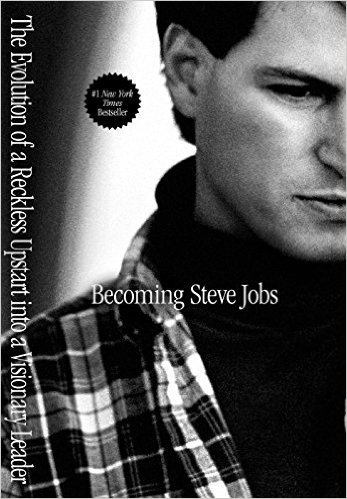
"Becoming Steve Jobs" offers a nuanced exploration of Steve Jobs's personal and professional evolution, particularly focusing on his wilderness years after being ousted from Apple and his triumphant return. Authors Schlender and Tetzeli provide an intimate, long-term perspective, chronicling Jobs's growth from a volatile and often abrasive entrepreneur into a more mature, strategically adept leader who guided Apple to unprecedented success. It’s a narrative centered on his development, learning, and the relationships that shaped his later vision.
This book shares foundational thematic elements with Isaacson's "Steve Jobs," namely the life and career trajectory of one of history's most impactful innovators. Both works delve into Jobs's complex personality, his relentless pursuit of perfection, and his profound influence on technology and culture. They both strive to demystify the man behind the myth, offering insights into his motivations and methods.
This account will appeal to those seeking a more focused and perhaps less critical understanding of Jobs's journey, particularly his growth and leadership maturation. It offers a valuable alternative perspective, highlighting how experience and personal reflection honed his visionary instincts, providing a richer, more sympathetic portrait of his development. It's an essential read for anyone interested in leadership, innovation, and the transformative power of redemption and self-improvement in business.
Becoming Steve Jobs: The Evolution of a Reckless Upstart into a Visionary Leader
"Becoming Steve Jobs" offers a nuanced exploration of Steve Jobs's personal and professional evolution, particularly focusing on his wilderness years after being ousted from Apple and his triumphant return. Authors Schlender and Tetzeli provide an intimate, long-term perspective, chronicling Jobs's growth from a volatile and often abrasive entrepreneur into a more mature, strategically adept leader who guided Apple to unprecedented success. It’s a narrative centered on his development, learning, and the relationships that shaped his later vision.
This book shares foundational thematic elements with Isaacson's "Steve Jobs," namely the life and career trajectory of one of history's most impactful innovators. Both works delve into Jobs's complex personality, his relentless pursuit of perfection, and his profound influence on technology and culture. They both strive to demystify the man behind the myth, offering insights into his motivations and methods.
This account will appeal to those seeking a more focused and perhaps less critical understanding of Jobs's journey, particularly his growth and leadership maturation. It offers a valuable alternative perspective, highlighting how experience and personal reflection honed his visionary instincts, providing a richer, more sympathetic portrait of his development. It's an essential read for anyone interested in leadership, innovation, and the transformative power of redemption and self-improvement in business.
Elon Musk

Walter Isaacson's "Elon Musk" offers an unflinching, detailed biography of the enigmatic entrepreneur and innovator. It delves into Musk's tumultuous childhood, his relentless drive and often abrasive personality, and his audacious efforts to revolutionize industries from electric vehicles and space exploration to artificial intelligence and social media. The narrative explores the complex motivations behind his ventures, charting both his spectacular successes and his controversial missteps.
The book shares Isaacson's signature biographical style found in "Steve Jobs," meticulously researching and presenting the life story of a visionary who profoundly shaped our technological landscape. Both books portray brilliant, driven, and often flawed individuals who pushed boundaries, disrupted established industries, and faced immense personal and professional challenges. Isaacson reveals the intense personal cost of their ambition and the often-unconventional leadership styles that defined their impact.
This biography will deeply resonate with anyone fascinated by the intersection of technology, leadership, and human ambition. It provides a unique, behind-the-scenes look at the forces shaping our future, offering valuable insights into the mindset of a radical innovator. Understanding Musk's journey, his successes, and his failures offers a compelling case study in entrepreneurial audacity and the complexities of modern technological leadership.
Elon Musk
Walter Isaacson's "Elon Musk" offers an unflinching, detailed biography of the enigmatic entrepreneur and innovator. It delves into Musk's tumultuous childhood, his relentless drive and often abrasive personality, and his audacious efforts to revolutionize industries from electric vehicles and space exploration to artificial intelligence and social media. The narrative explores the complex motivations behind his ventures, charting both his spectacular successes and his controversial missteps.
The book shares Isaacson's signature biographical style found in "Steve Jobs," meticulously researching and presenting the life story of a visionary who profoundly shaped our technological landscape. Both books portray brilliant, driven, and often flawed individuals who pushed boundaries, disrupted established industries, and faced immense personal and professional challenges. Isaacson reveals the intense personal cost of their ambition and the often-unconventional leadership styles that defined their impact.
This biography will deeply resonate with anyone fascinated by the intersection of technology, leadership, and human ambition. It provides a unique, behind-the-scenes look at the forces shaping our future, offering valuable insights into the mindset of a radical innovator. Understanding Musk's journey, his successes, and his failures offers a compelling case study in entrepreneurial audacity and the complexities of modern technological leadership.
How to Think Like Steve Jobs
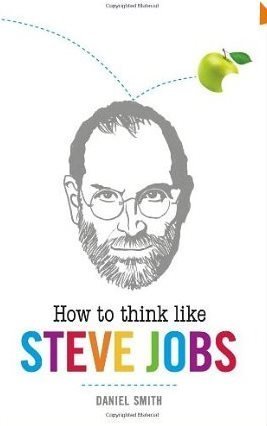
"How to Think Like Steve Jobs" distills the core philosophies, strategies, and principles that guided Steve Jobs's career. It breaks down his approach to innovation, design, marketing, and leadership into actionable insights, aiming to equip individuals with tools to foster similar disruptive thinking in their own endeavors.
This book shares thematic DNA with Isaacson's "Steve Jobs" by focusing on the same iconic figure and his impact. While Isaacson provides a comprehensive narrative biography, Smith's work extracts and synthesizes the practical takeaways from Jobs's life and methods, essentially offering a concentrated analysis of his operational genius.
It will appeal to those seeking practical application of celebrated business acumen. The book offers a blueprint for understanding and potentially emulating the mindset behind some of the most influential technological and design achievements of our time, proving valuable for aspiring innovators, entrepreneurs, and anyone interested in strategic thinking.
How to Think Like Steve Jobs
"How to Think Like Steve Jobs" distills the core philosophies, strategies, and principles that guided Steve Jobs's career. It breaks down his approach to innovation, design, marketing, and leadership into actionable insights, aiming to equip individuals with tools to foster similar disruptive thinking in their own endeavors.
This book shares thematic DNA with Isaacson's "Steve Jobs" by focusing on the same iconic figure and his impact. While Isaacson provides a comprehensive narrative biography, Smith's work extracts and synthesizes the practical takeaways from Jobs's life and methods, essentially offering a concentrated analysis of his operational genius.
It will appeal to those seeking practical application of celebrated business acumen. The book offers a blueprint for understanding and potentially emulating the mindset behind some of the most influential technological and design achievements of our time, proving valuable for aspiring innovators, entrepreneurs, and anyone interested in strategic thinking.
The Innovation Secrets of Steve Jobs

"The Innovation Secrets of Steve Jobs" distills Jobs's business and design philosophies into actionable principles. Carmine Gallo analyzes Jobs's presentations, product launches, and interviews to identify recurring patterns in his approach to innovation, marketing, and leadership. The book breaks down these strategies into practical lessons for professionals seeking to emulate elements of Jobs's success.
This book offers a focused, application-oriented counterpart to Isaacson's comprehensive biography. While "Steve Jobs" provides the detailed narrative and personal history, Gallo's work extracts the direct business takeaways, essentially translating the "what happened" into "how it was done" regarding Jobs's innovative methods. Both books explore the mind and impact of the Silicon Valley icon, albeit from different angles.
It will deeply resonate with individuals eager to understand and apply the underlying principles behind Apple's revolutionary products and marketing. The book offers clear frameworks for thinking about creativity, presentation, and strategic execution, making it a valuable resource for entrepreneurs, marketers, and anyone aspiring to foster innovation within their own endeavors.
The Innovation Secrets of Steve Jobs
"The Innovation Secrets of Steve Jobs" distills Jobs's business and design philosophies into actionable principles. Carmine Gallo analyzes Jobs's presentations, product launches, and interviews to identify recurring patterns in his approach to innovation, marketing, and leadership. The book breaks down these strategies into practical lessons for professionals seeking to emulate elements of Jobs's success.
This book offers a focused, application-oriented counterpart to Isaacson's comprehensive biography. While "Steve Jobs" provides the detailed narrative and personal history, Gallo's work extracts the direct business takeaways, essentially translating the "what happened" into "how it was done" regarding Jobs's innovative methods. Both books explore the mind and impact of the Silicon Valley icon, albeit from different angles.
It will deeply resonate with individuals eager to understand and apply the underlying principles behind Apple's revolutionary products and marketing. The book offers clear frameworks for thinking about creativity, presentation, and strategic execution, making it a valuable resource for entrepreneurs, marketers, and anyone aspiring to foster innovation within their own endeavors.
The Innovators: How a Group of Hackers, Geniuses and Geeks Created the Digital Revolution
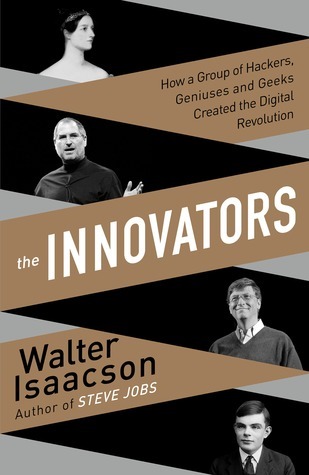
"The Innovators" chronicles the intertwined stories of the collective brilliance that forged the digital age. It explores the diverse personalities—mathematicians, engineers, programmers, and entrepreneurs—who collaborated, competed, and built upon each other's breakthroughs, from Augusta Ada Lovelace's pioneering algorithms to the internet's genesis. Isaacson expertly weaves a narrative that emphasizes the collaborative nature of innovation, revealing how individual genius often thrives within a communal intellectual ecosystem.
The similarity to "Steve Jobs" lies in Isaacson's signature approach to documenting the human element behind technological revolutions. Both books delve into the personalities, motivations, and sometimes tumultuous relationships of the individuals who shaped our modern world. While "Steve Jobs" offers an intimate portrait of a singular, visionary leader, "The Innovators" expands this lens to showcase the broader tapestry of interconnected minds and their shared journey in creating unprecedented change.
This book will appeal to those fascinated by the origins of technology and the interplay of human ingenuity. It offers a deeper understanding of how foundational inventions emerge not from isolated brilliance but through a symphony of diverse talents and relentless pursuit. Its value lies in demystifying the complex history of the digital era, revealing the intricate dance of collaboration, competition, and serendipity that underpins widespread innovation.
The Innovators: How a Group of Hackers, Geniuses and Geeks Created the Digital Revolution
"The Innovators" chronicles the intertwined stories of the collective brilliance that forged the digital age. It explores the diverse personalities—mathematicians, engineers, programmers, and entrepreneurs—who collaborated, competed, and built upon each other's breakthroughs, from Augusta Ada Lovelace's pioneering algorithms to the internet's genesis. Isaacson expertly weaves a narrative that emphasizes the collaborative nature of innovation, revealing how individual genius often thrives within a communal intellectual ecosystem.
The similarity to "Steve Jobs" lies in Isaacson's signature approach to documenting the human element behind technological revolutions. Both books delve into the personalities, motivations, and sometimes tumultuous relationships of the individuals who shaped our modern world. While "Steve Jobs" offers an intimate portrait of a singular, visionary leader, "The Innovators" expands this lens to showcase the broader tapestry of interconnected minds and their shared journey in creating unprecedented change.
This book will appeal to those fascinated by the origins of technology and the interplay of human ingenuity. It offers a deeper understanding of how foundational inventions emerge not from isolated brilliance but through a symphony of diverse talents and relentless pursuit. Its value lies in demystifying the complex history of the digital era, revealing the intricate dance of collaboration, competition, and serendipity that underpins widespread innovation.
Elon Musk: Tesla, SpaceX, and the Quest for a Fantastic Future
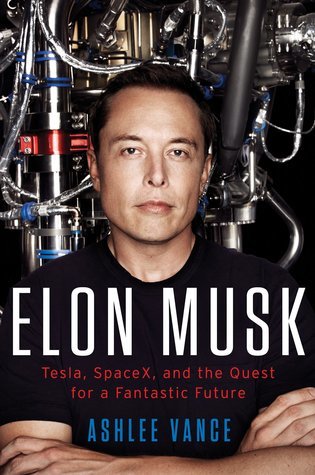
"Elon Musk: Tesla, SpaceX, and the Quest for a Fantastic Future" chronicles the life and ambition of Elon Musk, a visionary entrepreneur behind companies like Tesla, SpaceX, and PayPal. The book delves into his relentless drive, often unconventional methods, and the immense challenges he faced in transforming industries such as electric vehicles, space exploration, and renewable energy. It paints a picture of a man dedicated to realizing a future he believes is essential for humanity's survival and progress.
This biography shares significant parallels with "Steve Jobs." Both books explore the lives of iconic, often controversial, figures who single-handedly reshaped major industries through a combination of audacious vision, uncompromising standards, and a demanding leadership style. They each detail the intense personal sacrifices and the profound impact these individuals had on innovation, product design, and the very concept of what's possible, despite facing numerous failures and criticisms along the way.
This book will appeal to those fascinated by the psychology of groundbreaking innovators and the process of disruptive change. It offers insight into the monumental effort required to bring ambitious technological visions to fruition, providing a compelling narrative of perseverance, strategic thinking, and the relentless pursuit of seemingly impossible goals that inspire and educate alike.
Elon Musk: Tesla, SpaceX, and the Quest for a Fantastic Future
"Elon Musk: Tesla, SpaceX, and the Quest for a Fantastic Future" chronicles the life and ambition of Elon Musk, a visionary entrepreneur behind companies like Tesla, SpaceX, and PayPal. The book delves into his relentless drive, often unconventional methods, and the immense challenges he faced in transforming industries such as electric vehicles, space exploration, and renewable energy. It paints a picture of a man dedicated to realizing a future he believes is essential for humanity's survival and progress.
This biography shares significant parallels with "Steve Jobs." Both books explore the lives of iconic, often controversial, figures who single-handedly reshaped major industries through a combination of audacious vision, uncompromising standards, and a demanding leadership style. They each detail the intense personal sacrifices and the profound impact these individuals had on innovation, product design, and the very concept of what's possible, despite facing numerous failures and criticisms along the way.
This book will appeal to those fascinated by the psychology of groundbreaking innovators and the process of disruptive change. It offers insight into the monumental effort required to bring ambitious technological visions to fruition, providing a compelling narrative of perseverance, strategic thinking, and the relentless pursuit of seemingly impossible goals that inspire and educate alike.
The Everything Store: Jeff Bezos and the Age of Amazon

"The Everything Store: Jeff Bezos and the Age of Amazon" chronicles the meteoric rise of Amazon from a small online bookstore to a global retail and technology behemoth. It delves into Jeff Bezos's relentless ambition, his unconventional leadership style, and the innovative, often ruthless, strategies that propelled Amazon to dominate various industries, from e-commerce to cloud computing. The book provides a detailed look at the company's culture, its successes, and its many challenges.
This book shares significant thematic parallels with "Steve Jobs." Both biographies center on visionary, often polarizing, founders who revolutionized entire industries through sheer force of will, an unwavering focus on the customer, and a relentless pursuit of innovation. They explore the intense corporate cultures these leaders fostered, their complex relationships with employees, and the profound impact their personal philosophies had on shaping their respective companies and the modern world.
Anyone interested in entrepreneurship, disruptive innovation, or the psychology of influential business leaders will discover deep insights here. The book offers a captivating, unvarnished look at the creation of a modern empire, providing valuable lessons on strategy, resilience, and the relentless drive required to build a company that fundamentally alters consumer behavior and global commerce.
The Everything Store: Jeff Bezos and the Age of Amazon
"The Everything Store: Jeff Bezos and the Age of Amazon" chronicles the meteoric rise of Amazon from a small online bookstore to a global retail and technology behemoth. It delves into Jeff Bezos's relentless ambition, his unconventional leadership style, and the innovative, often ruthless, strategies that propelled Amazon to dominate various industries, from e-commerce to cloud computing. The book provides a detailed look at the company's culture, its successes, and its many challenges.
This book shares significant thematic parallels with "Steve Jobs." Both biographies center on visionary, often polarizing, founders who revolutionized entire industries through sheer force of will, an unwavering focus on the customer, and a relentless pursuit of innovation. They explore the intense corporate cultures these leaders fostered, their complex relationships with employees, and the profound impact their personal philosophies had on shaping their respective companies and the modern world.
Anyone interested in entrepreneurship, disruptive innovation, or the psychology of influential business leaders will discover deep insights here. The book offers a captivating, unvarnished look at the creation of a modern empire, providing valuable lessons on strategy, resilience, and the relentless drive required to build a company that fundamentally alters consumer behavior and global commerce.
In the Plex: How Google Thinks, Works, and Shapes Our Lives

"In the Plex" offers an insightful deep dive into the nascent years and rapid ascent of Google. Steven Levy chronicles the company's unique culture, its innovative approach to problem-solving, and the personalities of its founders, Sergey Brin and Larry Page, as they built a technological empire that profoundly reshaped how we access information and interact with the digital world. The narrative explores Google's engineering ethos, its often-unconventional management style, and the dilemmas it faced in balancing its mission with its immense power.
The similarity to "Steve Jobs" lies in both books providing an intimate, behind-the-scenes look at the genesis and evolution of a transformative technology company through the lens of its visionary, often idiosyncratic, founders. Both works illuminate the intense creative drive, the relentless pursuit of perfection, and the sometimes ruthless decisions required to innovate at the highest level. They explore the dynamic interplay between technological breakthrough, business strategy, and the personal convictions of those leading the charge.
This book will appeal to those fascinated by the origins of technological disruption and the forces that shape modern industry. It offers a comprehensive understanding of how Google became a global phenomenon, providing valuable lessons in innovation, corporate culture, and strategic thinking. Anyone interested in the intersection of technology, entrepreneurship, and societal impact will gain significant insights into the mindsets that built one of the world's most influential companies.
In the Plex: How Google Thinks, Works, and Shapes Our Lives
"In the Plex" offers an insightful deep dive into the nascent years and rapid ascent of Google. Steven Levy chronicles the company's unique culture, its innovative approach to problem-solving, and the personalities of its founders, Sergey Brin and Larry Page, as they built a technological empire that profoundly reshaped how we access information and interact with the digital world. The narrative explores Google's engineering ethos, its often-unconventional management style, and the dilemmas it faced in balancing its mission with its immense power.
The similarity to "Steve Jobs" lies in both books providing an intimate, behind-the-scenes look at the genesis and evolution of a transformative technology company through the lens of its visionary, often idiosyncratic, founders. Both works illuminate the intense creative drive, the relentless pursuit of perfection, and the sometimes ruthless decisions required to innovate at the highest level. They explore the dynamic interplay between technological breakthrough, business strategy, and the personal convictions of those leading the charge.
This book will appeal to those fascinated by the origins of technological disruption and the forces that shape modern industry. It offers a comprehensive understanding of how Google became a global phenomenon, providing valuable lessons in innovation, corporate culture, and strategic thinking. Anyone interested in the intersection of technology, entrepreneurship, and societal impact will gain significant insights into the mindsets that built one of the world's most influential companies.
The Pixar Touch: The Making of a Company
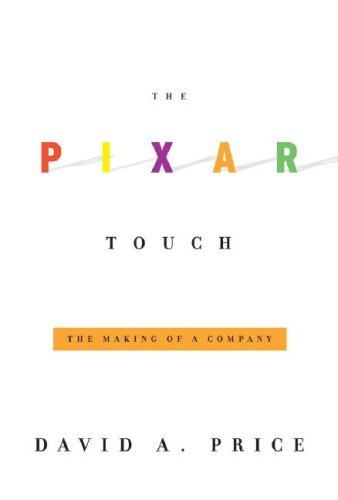
"The Pixar Touch" chronicles the captivating origin story and evolution of Pixar Animation Studios, detailing its struggles, triumphs, and the innovative individuals who shaped its unique culture and groundbreaking creative process. It delves into the technical and artistic innovations that revolutionized computer animation, showcasing how a small division within Lucasfilm became an industry giant.
This book shares significant thematic and biographical overlaps with "Steve Jobs." Both explore the genesis of revolutionary companies built on a blend of technological prowess, uncompromising artistic vision, and powerful leadership. Jobs himself plays a pivotal role in Pixar's narrative, making "The Pixar Touch" an essential companion for understanding a crucial period in his career and the entrepreneurial spirit that defined his ventures.
This narrative offers an insightful look into the challenging yet rewarding process of building a world-class creative enterprise. It provides valuable lessons in innovation, leadership, and fostering a culture where art and technology beautifully converge. Anyone interested in the intersection of business, creativity, and technological advancement will gain considerable insight from this expertly told story.
The Pixar Touch: The Making of a Company
"The Pixar Touch" chronicles the captivating origin story and evolution of Pixar Animation Studios, detailing its struggles, triumphs, and the innovative individuals who shaped its unique culture and groundbreaking creative process. It delves into the technical and artistic innovations that revolutionized computer animation, showcasing how a small division within Lucasfilm became an industry giant.
This book shares significant thematic and biographical overlaps with "Steve Jobs." Both explore the genesis of revolutionary companies built on a blend of technological prowess, uncompromising artistic vision, and powerful leadership. Jobs himself plays a pivotal role in Pixar's narrative, making "The Pixar Touch" an essential companion for understanding a crucial period in his career and the entrepreneurial spirit that defined his ventures.
This narrative offers an insightful look into the challenging yet rewarding process of building a world-class creative enterprise. It provides valuable lessons in innovation, leadership, and fostering a culture where art and technology beautifully converge. Anyone interested in the intersection of business, creativity, and technological advancement will gain considerable insight from this expertly told story.
More Books to Explore
Discover more titles that expand on these ideas and themes.
Steve Jobs: The Man Who Thought Different: A Biography
Becoming Steve Jobs: The Evolution of a Reckless Upstart into a Visionary Leader
Elon Musk
How to Think Like Steve Jobs
The Innovation Secrets of Steve Jobs
The Innovators: How a Group of Hackers, Geniuses and Geeks Created the Digital Revolution