10 Books Similar to "In the Plex: How Google Thinks, Works, and Shapes Our Lives"
by Steven Levy

How Google Works

"How Google Works" offers a comprehensive inside look at Google's unique corporate culture, management philosophies, and operational strategies that fueled its astronomical success. Written by Eric Schmidt, its former CEO, and Jonathan Rosenberg, a key executive, the book deconstructs Google's approach to talent, innovation, decision-making, and scaling, providing a direct roadmap for cultivating a high-performing, agile organization in the digital age.
This book resonates strongly with "In the Plex" by Steven Levy, as both delve into the inner workings of Google, exploring its foundational principles and the unconventional methods that defined its growth. While Levy's work offers an outsider's journalistic perspective, Schmidt and Rosenberg provide an executive's firsthand account, reinforcing many of the same themes regarding Google's emphasis on engineering-driven culture, data-informed decisions, and empowering "smart creative" employees. Both books illustrate how Google's distinct approach to business redefined an industry.
Anyone interested in the secrets behind an innovation powerhouse will appreciate this book. It offers invaluable insights for entrepreneurs, managers, and aspiring leaders seeking to understand how to foster creativity, build resilient teams, and navigate rapid technological change. The practical lessons and strategic frameworks presented deliver tangible value for anyone looking to apply Google's model of innovation to their own ventures or organizational challenges.
How Google Works
"How Google Works" offers a comprehensive inside look at Google's unique corporate culture, management philosophies, and operational strategies that fueled its astronomical success. Written by Eric Schmidt, its former CEO, and Jonathan Rosenberg, a key executive, the book deconstructs Google's approach to talent, innovation, decision-making, and scaling, providing a direct roadmap for cultivating a high-performing, agile organization in the digital age.
This book resonates strongly with "In the Plex" by Steven Levy, as both delve into the inner workings of Google, exploring its foundational principles and the unconventional methods that defined its growth. While Levy's work offers an outsider's journalistic perspective, Schmidt and Rosenberg provide an executive's firsthand account, reinforcing many of the same themes regarding Google's emphasis on engineering-driven culture, data-informed decisions, and empowering "smart creative" employees. Both books illustrate how Google's distinct approach to business redefined an industry.
Anyone interested in the secrets behind an innovation powerhouse will appreciate this book. It offers invaluable insights for entrepreneurs, managers, and aspiring leaders seeking to understand how to foster creativity, build resilient teams, and navigate rapid technological change. The practical lessons and strategic frameworks presented deliver tangible value for anyone looking to apply Google's model of innovation to their own ventures or organizational challenges.
The Everything Store: Jeff Bezos and the Age of Amazon

"The Everything Store" offers an in-depth chronicle of Amazon's rise, detailing Jeff Bezos's relentless vision and the company's often disruptive strategies to dominate e-commerce and beyond. It explores the foundational principles, cultural peculiarities, and pivotal decisions that transformed an online bookseller into a global behemoth.
This book shares significant thematic overlap with "In the Plex." Both works delve into the origins and evolution of transformative tech giants, meticulously examining the unique corporate cultures, the pioneering founders' philosophies, and the innovative, sometimes controversial, business practices that propelled these companies to unprecedented influence. Both offer a journalistic deep dive into the inner workings of an organization that reshaped its industry.
Anyone interested in the dynamics of innovation, entrepreneurship, and the creation of Silicon Valley powerhouses will find immense value in this narrative. It provides a rare glimpse into the mindset of a visionary leader and the complex forces that build and sustain a massive, market-defining enterprise, offering crucial insights into modern business strategy and technological disruption.
The Everything Store: Jeff Bezos and the Age of Amazon
"The Everything Store" offers an in-depth chronicle of Amazon's rise, detailing Jeff Bezos's relentless vision and the company's often disruptive strategies to dominate e-commerce and beyond. It explores the foundational principles, cultural peculiarities, and pivotal decisions that transformed an online bookseller into a global behemoth.
This book shares significant thematic overlap with "In the Plex." Both works delve into the origins and evolution of transformative tech giants, meticulously examining the unique corporate cultures, the pioneering founders' philosophies, and the innovative, sometimes controversial, business practices that propelled these companies to unprecedented influence. Both offer a journalistic deep dive into the inner workings of an organization that reshaped its industry.
Anyone interested in the dynamics of innovation, entrepreneurship, and the creation of Silicon Valley powerhouses will find immense value in this narrative. It provides a rare glimpse into the mindset of a visionary leader and the complex forces that build and sustain a massive, market-defining enterprise, offering crucial insights into modern business strategy and technological disruption.
Steve Jobs

"Steve Jobs" is a comprehensive biography that delves into the tumultuous life and visionary career of Apple's co-founder. Based on extensive interviews with Jobs himself, as well as over 100 family members, friends, adversaries, and colleagues, the book chronicles his relentless pursuit of perfection, his often abrasive personality, and his profound impact on multiple industries, from personal computing to digital music and animation. It explores the driving forces behind his innovations and the complex character behind the iconic presentations.
This biography shares a thematic core with "In the Plex" by offering an unparalleled, insider's view into the foundational culture and operational philosophies of a transformative tech giant. Both books meticulously document the evolution of a groundbreaking company through the powerful personalities and strategic decisions that shaped its trajectory, providing insight into the internal dynamics, engineering feats, and market disruptive ideals that defined their respective eras.
The book appeals to those interested in the confluence of technology, leadership, and entrepreneurship. It offers valuable lessons on vision, perseverance, and the often difficult choices involved in building world-changing enterprises. Professionals, aspiring innovators, and anyone curious about the human drama behind technological revolution will gain a deeper understanding of the forces that drive innovation and the personal sacrifices often demanded by genius.
Steve Jobs
"Steve Jobs" is a comprehensive biography that delves into the tumultuous life and visionary career of Apple's co-founder. Based on extensive interviews with Jobs himself, as well as over 100 family members, friends, adversaries, and colleagues, the book chronicles his relentless pursuit of perfection, his often abrasive personality, and his profound impact on multiple industries, from personal computing to digital music and animation. It explores the driving forces behind his innovations and the complex character behind the iconic presentations.
This biography shares a thematic core with "In the Plex" by offering an unparalleled, insider's view into the foundational culture and operational philosophies of a transformative tech giant. Both books meticulously document the evolution of a groundbreaking company through the powerful personalities and strategic decisions that shaped its trajectory, providing insight into the internal dynamics, engineering feats, and market disruptive ideals that defined their respective eras.
The book appeals to those interested in the confluence of technology, leadership, and entrepreneurship. It offers valuable lessons on vision, perseverance, and the often difficult choices involved in building world-changing enterprises. Professionals, aspiring innovators, and anyone curious about the human drama behind technological revolution will gain a deeper understanding of the forces that drive innovation and the personal sacrifices often demanded by genius.
The Innovators: How a Group of Hackers, Geniuses and Geeks Created the Digital Revolution
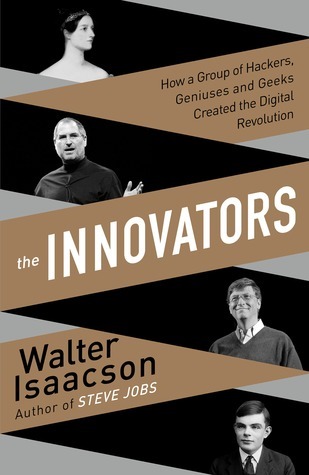
"The Innovators" meticulously chronicles the intellectual journey behind the digital revolution, tracing the interconnected stories of key figures and collaborations from Ada Lovelace to the internet pioneers. Isaacson examines how their individual brilliance and collective efforts, spanning decades, gave birth to the foundational technologies and ideas that define our modern computing world. It’s a narrative about the human element, the interplay of creativity, engineering, and vision that transformed abstract concepts into tangible realities.
This book shares significant thematic DNA with "In the Plex." Both works delve deep into the origins and evolution of transformative technological entities, focusing on the people, philosophies, and pivotal moments that shaped their trajectories. While one zooms in on a specific company, Google, the other provides a broader historical sweep of the digital age's architects. Both books offer an insider's perspective on the iterative process of innovation and the interplay of individual genius within collaborative environments, illustrating how grand visions translate into world-changing technologies.
The appeal of "The Innovators" lies in its ability to demystify complex technological breakthroughs by humanizing the inventors. It offers a profound understanding of how interconnected ideas and collaborative spirit, rather than isolated genius, propelled us into the digital age. This narrative provides invaluable context for comprehending the roots of our current technological landscape and appreciating the persistent ingenuity required to build it. It’s an essential read for anyone seeking to grasp the human story behind the machines that define our modern lives.
The Innovators: How a Group of Hackers, Geniuses and Geeks Created the Digital Revolution
"The Innovators" meticulously chronicles the intellectual journey behind the digital revolution, tracing the interconnected stories of key figures and collaborations from Ada Lovelace to the internet pioneers. Isaacson examines how their individual brilliance and collective efforts, spanning decades, gave birth to the foundational technologies and ideas that define our modern computing world. It’s a narrative about the human element, the interplay of creativity, engineering, and vision that transformed abstract concepts into tangible realities.
This book shares significant thematic DNA with "In the Plex." Both works delve deep into the origins and evolution of transformative technological entities, focusing on the people, philosophies, and pivotal moments that shaped their trajectories. While one zooms in on a specific company, Google, the other provides a broader historical sweep of the digital age's architects. Both books offer an insider's perspective on the iterative process of innovation and the interplay of individual genius within collaborative environments, illustrating how grand visions translate into world-changing technologies.
The appeal of "The Innovators" lies in its ability to demystify complex technological breakthroughs by humanizing the inventors. It offers a profound understanding of how interconnected ideas and collaborative spirit, rather than isolated genius, propelled us into the digital age. This narrative provides invaluable context for comprehending the roots of our current technological landscape and appreciating the persistent ingenuity required to build it. It’s an essential read for anyone seeking to grasp the human story behind the machines that define our modern lives.
Hackers: Heroes of the Computer Revolution

"Hackers: Heroes of the Computer Revolution" chronicles the nascent days of computing through the lives of the brilliant, often eccentric individuals who pioneered personal computing and the internet. It illuminates the ideology of hacking – not as malicious activity, but as a relentless pursuit of knowledge, elegant solutions, and the free flow of information, charting their contributions from MIT’s AI Lab to the early homebrew computer clubs.
This work resonates with "In the Plex" by Steven Levy himself due to their shared thematic core: understanding the foundational philosophies and personal narratives driving technological revolutions. Both books delve into the culture of innovation, the intellectual passions, and the often unconventional personalities that shape world-changing enterprises, whether it's the birth of computing or the rise of a global internet giant. Each provides an insider's look at how specific, influential communities approach problem-solving and value creation.
The book offers a compelling narrative for those interested in the origins of modern technology and the human element behind its advancement. It provides crucial context for understanding the culture and ethics that underpinned the digital age, offering lessons on innovation, collaboration, and the enduring impact of a passionate vision. Its historical insights remain profoundly relevant to today's tech landscape.
Hackers: Heroes of the Computer Revolution
"Hackers: Heroes of the Computer Revolution" chronicles the nascent days of computing through the lives of the brilliant, often eccentric individuals who pioneered personal computing and the internet. It illuminates the ideology of hacking – not as malicious activity, but as a relentless pursuit of knowledge, elegant solutions, and the free flow of information, charting their contributions from MIT’s AI Lab to the early homebrew computer clubs.
This work resonates with "In the Plex" by Steven Levy himself due to their shared thematic core: understanding the foundational philosophies and personal narratives driving technological revolutions. Both books delve into the culture of innovation, the intellectual passions, and the often unconventional personalities that shape world-changing enterprises, whether it's the birth of computing or the rise of a global internet giant. Each provides an insider's look at how specific, influential communities approach problem-solving and value creation.
The book offers a compelling narrative for those interested in the origins of modern technology and the human element behind its advancement. It provides crucial context for understanding the culture and ethics that underpinned the digital age, offering lessons on innovation, collaboration, and the enduring impact of a passionate vision. Its historical insights remain profoundly relevant to today's tech landscape.
Becoming Steve Jobs: The Evolution of a Reckless Upstart into a Visionary Leader
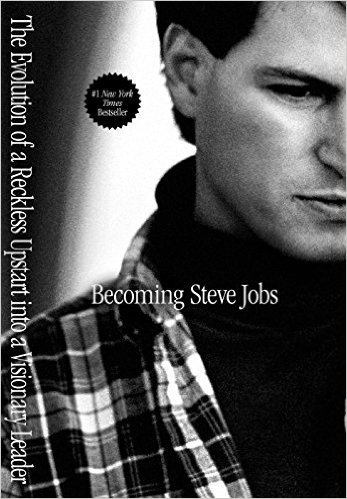
"Becoming Steve Jobs" offers an intimate and comprehensive look at the iconic Apple co-founder's professional and personal journey. It meticulously traces his development from a tumultuous, often misjudged figure to a transformative leader, utilizing unparalleled access to Jobs's inner circle, including interviews with family, colleagues, and competitors. The book reveals the pivotal experiences and relationships that sculpted his unparalleled vision and relentless drive.
This work resonates with "In the Plex" by exploring the foundational principles and unconventional culture of a tech titan from its formative stages. Both books delve into the DNA of a groundbreaking company, examining the personalities of its key architects, their innovative methodologies, and the lasting impact they've had on our digital landscape. They provide insider perspectives on how revolutionary ideas are conceived, challenged, and ultimately brought to fruition in a dynamic, high-stakes environment.
The appeal of "Becoming Steve Jobs" lies in its authoritative and nuanced portrayal of a complex, influential figure. It provides invaluable insights into leadership, innovation, and overcoming adversity, offering a richly detailed narrative that transcends mere biography. The deep dive into Jobs’s evolution, complete with his triumphs and failings, furnishes a compelling case study on how a singular vision can reshape industries and indeed, the world.
Becoming Steve Jobs: The Evolution of a Reckless Upstart into a Visionary Leader
"Becoming Steve Jobs" offers an intimate and comprehensive look at the iconic Apple co-founder's professional and personal journey. It meticulously traces his development from a tumultuous, often misjudged figure to a transformative leader, utilizing unparalleled access to Jobs's inner circle, including interviews with family, colleagues, and competitors. The book reveals the pivotal experiences and relationships that sculpted his unparalleled vision and relentless drive.
This work resonates with "In the Plex" by exploring the foundational principles and unconventional culture of a tech titan from its formative stages. Both books delve into the DNA of a groundbreaking company, examining the personalities of its key architects, their innovative methodologies, and the lasting impact they've had on our digital landscape. They provide insider perspectives on how revolutionary ideas are conceived, challenged, and ultimately brought to fruition in a dynamic, high-stakes environment.
The appeal of "Becoming Steve Jobs" lies in its authoritative and nuanced portrayal of a complex, influential figure. It provides invaluable insights into leadership, innovation, and overcoming adversity, offering a richly detailed narrative that transcends mere biography. The deep dive into Jobs’s evolution, complete with his triumphs and failings, furnishes a compelling case study on how a singular vision can reshape industries and indeed, the world.
Steve Jobs: The Man Who Thought Different: A Biography

"Steve Jobs: The Man Who Thought Different: A Biography" offers a compelling look into the life and mind of Apple’s iconic co-founder. It traces his journey from a childhood fascination with electronics to his pivotal role in revolutionizing personal computing, music, and mobile technology. The book delves into his relentless pursuit of perfection, his often abrasive leadership style, and the profound impact of his vision on the digital landscape.
This biography parallels "In the Plex" by providing an intimate, organizational deep dive into a transformative tech giant. Both books examine the personalities, innovations, and cultural forces that shaped companies now integral to modern life. They explore the genesis of groundbreaking products, the challenges of rapid growth, and the intricate balance between visionary leadership and engineering execution within a high-stakes industry.
The book will appeal to those interested in the nexus of technology, entrepreneurship, and leadership. It offers invaluable insights into the mindset required to disrupt entire industries and build enduring companies. Understanding Jobs's strategic thinking, product philosophy, and unwavering commitment to user experience provides a rich case study for anyone seeking to comprehend the forces behind Silicon Valley's most influential figures.
Steve Jobs: The Man Who Thought Different: A Biography
"Steve Jobs: The Man Who Thought Different: A Biography" offers a compelling look into the life and mind of Apple’s iconic co-founder. It traces his journey from a childhood fascination with electronics to his pivotal role in revolutionizing personal computing, music, and mobile technology. The book delves into his relentless pursuit of perfection, his often abrasive leadership style, and the profound impact of his vision on the digital landscape.
This biography parallels "In the Plex" by providing an intimate, organizational deep dive into a transformative tech giant. Both books examine the personalities, innovations, and cultural forces that shaped companies now integral to modern life. They explore the genesis of groundbreaking products, the challenges of rapid growth, and the intricate balance between visionary leadership and engineering execution within a high-stakes industry.
The book will appeal to those interested in the nexus of technology, entrepreneurship, and leadership. It offers invaluable insights into the mindset required to disrupt entire industries and build enduring companies. Understanding Jobs's strategic thinking, product philosophy, and unwavering commitment to user experience provides a rich case study for anyone seeking to comprehend the forces behind Silicon Valley's most influential figures.
The Innovation Secrets of Steve Jobs

"The Innovation Secrets of Steve Jobs" distills the core principles and strategies that fueled Steve Jobs's remarkable career and Apple's groundbreaking success. It moves beyond simple biography, analyzing his communication style, design philosophy, and unwavering commitment to customer experience and perfection, ultimately presenting them as actionable lessons for aspiring innovators and business leaders.
This book shares thematic commonalities with "In the Plex" by exploring the fundamental internal cultures and visionary leadership behind a transformative tech giant. Both delve into the foundational thinking, operational paradigms, and unique human elements that propelled their respective companies to redefine industries and impact daily life globally. They offer an inside look at how iconic organizations foster innovation.
Individuals seeking insights into effective leadership, disruptive innovation, and building world-class products will find this compelling. It offers practical takeaways on cultivating a vision, fostering creativity, and strategically communicating ideas, making it a valuable resource for anyone endeavoring to make a significant impact in their field.
The Innovation Secrets of Steve Jobs
"The Innovation Secrets of Steve Jobs" distills the core principles and strategies that fueled Steve Jobs's remarkable career and Apple's groundbreaking success. It moves beyond simple biography, analyzing his communication style, design philosophy, and unwavering commitment to customer experience and perfection, ultimately presenting them as actionable lessons for aspiring innovators and business leaders.
This book shares thematic commonalities with "In the Plex" by exploring the fundamental internal cultures and visionary leadership behind a transformative tech giant. Both delve into the foundational thinking, operational paradigms, and unique human elements that propelled their respective companies to redefine industries and impact daily life globally. They offer an inside look at how iconic organizations foster innovation.
Individuals seeking insights into effective leadership, disruptive innovation, and building world-class products will find this compelling. It offers practical takeaways on cultivating a vision, fostering creativity, and strategically communicating ideas, making it a valuable resource for anyone endeavoring to make a significant impact in their field.
How to Create a Mind: The Secret of Human Thought Revealed

"How to Create a Mind" explores Ray Kurzweil's ambitious theory that the human brain can be reverse-engineered and recreated. He delves into his pattern recognition theory of mind, proposing that the neocortex, responsible for higher-level thought, operates on hierarchical pattern recognition. Kurzweil argues this fundamental principle underpins consciousness, learning, and creativity, suggesting it can be replicated computationally.
This book shares thematic roots with "In the Plex" by examining the complex architecture of intelligence, albeit from different perspectives. While Levy analyzes the organizational and technical frameworks behind Google's vast intelligence, Kurzweil dissects the biological and computational frameworks of human intelligence, both seeking to understand how complex systems process information and generate innovative outcomes. Both books fundamentally explore the origins and mechanisms of powerful, adaptive intelligence.
Individuals interested in artificial intelligence, neuroscience, and the future of human-computer interaction will find deep insights. It offers a provocative vision of how our understanding of the brain could lead to radically advanced AI, providing a compelling framework for contemplating the very nature of consciousness and its potential for artificial replication.
How to Create a Mind: The Secret of Human Thought Revealed
"How to Create a Mind" explores Ray Kurzweil's ambitious theory that the human brain can be reverse-engineered and recreated. He delves into his pattern recognition theory of mind, proposing that the neocortex, responsible for higher-level thought, operates on hierarchical pattern recognition. Kurzweil argues this fundamental principle underpins consciousness, learning, and creativity, suggesting it can be replicated computationally.
This book shares thematic roots with "In the Plex" by examining the complex architecture of intelligence, albeit from different perspectives. While Levy analyzes the organizational and technical frameworks behind Google's vast intelligence, Kurzweil dissects the biological and computational frameworks of human intelligence, both seeking to understand how complex systems process information and generate innovative outcomes. Both books fundamentally explore the origins and mechanisms of powerful, adaptive intelligence.
Individuals interested in artificial intelligence, neuroscience, and the future of human-computer interaction will find deep insights. It offers a provocative vision of how our understanding of the brain could lead to radically advanced AI, providing a compelling framework for contemplating the very nature of consciousness and its potential for artificial replication.
How to Think Like Steve Jobs
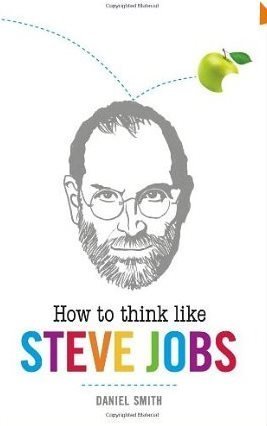
"How to Think Like Steve Jobs" dissects the mindset and strategies that defined Apple's legendary co-founder. It explores his approaches to innovation, design, marketing, and leadership, offering insights into the principles that drove his transformative business success and shaped his relentless pursuit of perfection. The book distills these philosophies into actionable concepts, revealing the thought processes behind some of the most iconic products of our time.
This book shares a fundamental similarity with "In the Plex" in its exploration of the inner workings and driving philosophies of a highly influential tech company through the lens of its principal architects. Both aim to demystify complex corporate cultures and their impact on innovation, with each book focusing on the thought patterns and operational principles of their respective titans—Jobs for Apple and the founders/executives for Google. They both provide a deep dive into the "how" and "why" behind technological disruption and market dominance.
It will appeal to individuals interested in entrepreneurship, leadership, and the history of technology. Those seeking to understand the strategic thinking behind groundbreaking innovation, or looking for inspiration to cultivate a more visionary approach in their own endeavors, will find significant value. The book offers a unique perspective on achieving market leadership and cultural impact through a distinct, often unconventional, approach to business and product development.
How to Think Like Steve Jobs
"How to Think Like Steve Jobs" dissects the mindset and strategies that defined Apple's legendary co-founder. It explores his approaches to innovation, design, marketing, and leadership, offering insights into the principles that drove his transformative business success and shaped his relentless pursuit of perfection. The book distills these philosophies into actionable concepts, revealing the thought processes behind some of the most iconic products of our time.
This book shares a fundamental similarity with "In the Plex" in its exploration of the inner workings and driving philosophies of a highly influential tech company through the lens of its principal architects. Both aim to demystify complex corporate cultures and their impact on innovation, with each book focusing on the thought patterns and operational principles of their respective titans—Jobs for Apple and the founders/executives for Google. They both provide a deep dive into the "how" and "why" behind technological disruption and market dominance.
It will appeal to individuals interested in entrepreneurship, leadership, and the history of technology. Those seeking to understand the strategic thinking behind groundbreaking innovation, or looking for inspiration to cultivate a more visionary approach in their own endeavors, will find significant value. The book offers a unique perspective on achieving market leadership and cultural impact through a distinct, often unconventional, approach to business and product development.
More Books to Explore
Discover more titles that expand on these ideas and themes.
How Google Works
The Everything Store: Jeff Bezos and the Age of Amazon
Steve Jobs
The Innovators: How a Group of Hackers, Geniuses and Geeks Created the Digital Revolution
Hackers: Heroes of the Computer Revolution
Becoming Steve Jobs: The Evolution of a Reckless Upstart into a Visionary Leader