10 Books Similar to "How Google Works"
by Eric Schmidt

In the Plex: How Google Thinks, Works, and Shapes Our Lives

"In the Plex" offers an intimate, highly detailed chronicle of Google's formative years and its meteoric rise. It delves into the company's unique culture, its engineering-driven problem-solving approach, and the thought processes of its founders, Sergey Brin and Larry Page, as they scaled an unconventional startup into a global technology superpower. Levy provides a behind-the-scenes look at critical product launches, internal debates, and the strategic decisions that defined Google's evolution.
This book shares significant thematic overlap with "How Google Works," as both provide deep dives into the inner workings, management philosophies, and cultural tenets that underpinned Google's success. Both books illuminate the distinct "Googley" way of conceptualizing innovation, talent, and organizational structure, offering insider perspectives on the company's operational DNA.
Anyone interested in the origins of modern internet culture, the dynamics of Silicon Valley, or the principles behind a truly disruptive corporation will find immense value here. It offers a crucial understanding of how a company built on ambitious, technical talent fundamentally reshaped our digital landscape and everyday lives.
In the Plex: How Google Thinks, Works, and Shapes Our Lives
"In the Plex" offers an intimate, highly detailed chronicle of Google's formative years and its meteoric rise. It delves into the company's unique culture, its engineering-driven problem-solving approach, and the thought processes of its founders, Sergey Brin and Larry Page, as they scaled an unconventional startup into a global technology superpower. Levy provides a behind-the-scenes look at critical product launches, internal debates, and the strategic decisions that defined Google's evolution.
This book shares significant thematic overlap with "How Google Works," as both provide deep dives into the inner workings, management philosophies, and cultural tenets that underpinned Google's success. Both books illuminate the distinct "Googley" way of conceptualizing innovation, talent, and organizational structure, offering insider perspectives on the company's operational DNA.
Anyone interested in the origins of modern internet culture, the dynamics of Silicon Valley, or the principles behind a truly disruptive corporation will find immense value here. It offers a crucial understanding of how a company built on ambitious, technical talent fundamentally reshaped our digital landscape and everyday lives.
The Innovation Secrets of Steve Jobs

"The Innovation Secrets of Steve Jobs" dissects the creative philosophies and methodologies that propelled Steve Jobs to iconic status in the tech world. It explores how he cultivated a culture of design excellence, user-centricity, and relentless pursuit of innovation at Apple, ultimately shaping products that transformed industries. The book distills his approach into actionable principles, illustrating them with anecdotes and examples from his career.
This book shares a fundamental kinship with "How Google Works" as both delve into the internal workings and leadership tenets of highly successful, innovation-driven technology companies. Both books examine how these organizations fostered environments conducive to groundbreaking ideas, employee empowerment, and sustained growth, offering insights into strategic thinking and organizational culture that drive industry disruption.
This book offers a compelling exploration of leadership and innovation, providing a valuable framework for understanding how to inspire creativity and deliver transformative products. Its practical insights into design thinking, strategic vision, and building a powerful brand will guide any professional seeking to elevate their own innovative capabilities and organizational impact.
The Innovation Secrets of Steve Jobs
"The Innovation Secrets of Steve Jobs" dissects the creative philosophies and methodologies that propelled Steve Jobs to iconic status in the tech world. It explores how he cultivated a culture of design excellence, user-centricity, and relentless pursuit of innovation at Apple, ultimately shaping products that transformed industries. The book distills his approach into actionable principles, illustrating them with anecdotes and examples from his career.
This book shares a fundamental kinship with "How Google Works" as both delve into the internal workings and leadership tenets of highly successful, innovation-driven technology companies. Both books examine how these organizations fostered environments conducive to groundbreaking ideas, employee empowerment, and sustained growth, offering insights into strategic thinking and organizational culture that drive industry disruption.
This book offers a compelling exploration of leadership and innovation, providing a valuable framework for understanding how to inspire creativity and deliver transformative products. Its practical insights into design thinking, strategic vision, and building a powerful brand will guide any professional seeking to elevate their own innovative capabilities and organizational impact.
How to Think Like Steve Jobs
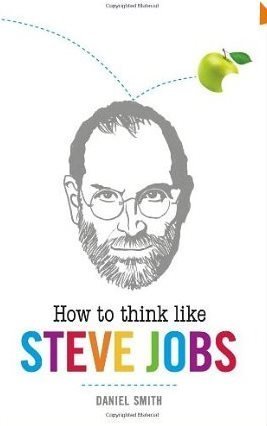
"How to Think Like Steve Jobs" dissects the distinctive mindset and strategic approaches that propelled Jobs to industry-defining success. It explores his philosophy on innovation, design, marketing, and leadership, offering insights into the principles behind Apple’s revolutionary products and cult-like following. The book aims to distill actionable lessons from his career, moving beyond anecdote to reveal the underlying thought processes.
This book aligns with "How Google Works" by offering a deep dive into the operational and philosophical underpinnings of a highly successful, innovative technology company. Both books analyze the unique corporate culture, leadership styles, and unconventional strategies that differentiate these titans from traditional businesses, focusing on the intellectual frameworks that drive their success.
Individuals seeking to understand the mechanics of disruptive innovation, cultivate a visionary leadership style, or foster a culture of creative excellence will find this book highly pertinent. It provides a practical framework for applying Jobs's seemingly abstract genius to real-world business challenges, offering valuable perspectives on product development, brand building, and strategic decision-making.
How to Think Like Steve Jobs
"How to Think Like Steve Jobs" dissects the distinctive mindset and strategic approaches that propelled Jobs to industry-defining success. It explores his philosophy on innovation, design, marketing, and leadership, offering insights into the principles behind Apple’s revolutionary products and cult-like following. The book aims to distill actionable lessons from his career, moving beyond anecdote to reveal the underlying thought processes.
This book aligns with "How Google Works" by offering a deep dive into the operational and philosophical underpinnings of a highly successful, innovative technology company. Both books analyze the unique corporate culture, leadership styles, and unconventional strategies that differentiate these titans from traditional businesses, focusing on the intellectual frameworks that drive their success.
Individuals seeking to understand the mechanics of disruptive innovation, cultivate a visionary leadership style, or foster a culture of creative excellence will find this book highly pertinent. It provides a practical framework for applying Jobs's seemingly abstract genius to real-world business challenges, offering valuable perspectives on product development, brand building, and strategic decision-making.
Measure What Matters

"Measure What Matters" elucidates the power of Objectives and Key Results (OKRs), a goal-setting framework. It details how this system, championed by Intel and refined at Google, enables organizations to define ambitious goals (Objectives) and track measurable progress (Key Results) with transparency and alignment. The book offers a practical guide to implementing OKRs for individuals, teams, and entire companies, emphasizing their role in fostering focus, commitment, and effective execution.
This book resonates with themes found in "How Google Works" by focusing on the operational backbone that drove Google's success. Both titles delve into the innovative management practices that empower knowledge workers and cultivate an agile, data-driven culture. While "How Google Works" paints a broader picture of Google's overall philosophy and talent management, "Measure What Matters" zeroes in on the indispensable role of concrete, measurable goals in achieving extraordinary results, echoing the emphasis on measurable impact found throughout Schmidt's work.
Those interested in maximizing productivity and strategic execution will find immense value in this book. It offers a blueprint for transforming abstract aspirations into tangible achievements, providing a verifiable methodology for enhancing individual and organizational performance. The straightforward principles and illustrative case studies make it an essential resource for leaders and managers seeking to drive meaningful progress and foster a culture of accountability in any enterprise.
Measure What Matters
"Measure What Matters" elucidates the power of Objectives and Key Results (OKRs), a goal-setting framework. It details how this system, championed by Intel and refined at Google, enables organizations to define ambitious goals (Objectives) and track measurable progress (Key Results) with transparency and alignment. The book offers a practical guide to implementing OKRs for individuals, teams, and entire companies, emphasizing their role in fostering focus, commitment, and effective execution.
This book resonates with themes found in "How Google Works" by focusing on the operational backbone that drove Google's success. Both titles delve into the innovative management practices that empower knowledge workers and cultivate an agile, data-driven culture. While "How Google Works" paints a broader picture of Google's overall philosophy and talent management, "Measure What Matters" zeroes in on the indispensable role of concrete, measurable goals in achieving extraordinary results, echoing the emphasis on measurable impact found throughout Schmidt's work.
Those interested in maximizing productivity and strategic execution will find immense value in this book. It offers a blueprint for transforming abstract aspirations into tangible achievements, providing a verifiable methodology for enhancing individual and organizational performance. The straightforward principles and illustrative case studies make it an essential resource for leaders and managers seeking to drive meaningful progress and foster a culture of accountability in any enterprise.
Zero to One: Notes on Startups, or How to Build the Future

"Zero to One" challenges the conventional wisdom that success lies in incremental improvement. Instead, Peter Thiel advocates for creating entirely new things—going from "zero to one"—rather than merely copying existing models. It's a treatise on building truly innovative companies, emphasizing the importance of unique vision, monopolistic thinking (in a positive, value-creating sense), and foundational truths over competitive imitation.
Both books delve into the core principles of building exceptionally successful, technology-driven companies. While "How Google Works" offers an insider's look at Google's operational philosophies and culture, "Zero to One" provides a more philosophical and strategic framework for founding and scaling ventures that break new ground. Both emphasize the paramount importance of disruptive innovation, talented people, and a differentiated approach to market dominance.
This book offers profound insights for entrepreneurs, investors, and anyone interested in the mechanics of groundbreaking innovation. It provides a powerful counter-narrative to prevalent startup culture, urging a focus on creating unique value and enduring monopolies. The strategic thinking presented can reshape one's perspective on building successful ventures and understanding technological progress, making it a truly thought-provoking read that transcends typical business advice.
Zero to One: Notes on Startups, or How to Build the Future
"Zero to One" challenges the conventional wisdom that success lies in incremental improvement. Instead, Peter Thiel advocates for creating entirely new things—going from "zero to one"—rather than merely copying existing models. It's a treatise on building truly innovative companies, emphasizing the importance of unique vision, monopolistic thinking (in a positive, value-creating sense), and foundational truths over competitive imitation.
Both books delve into the core principles of building exceptionally successful, technology-driven companies. While "How Google Works" offers an insider's look at Google's operational philosophies and culture, "Zero to One" provides a more philosophical and strategic framework for founding and scaling ventures that break new ground. Both emphasize the paramount importance of disruptive innovation, talented people, and a differentiated approach to market dominance.
This book offers profound insights for entrepreneurs, investors, and anyone interested in the mechanics of groundbreaking innovation. It provides a powerful counter-narrative to prevalent startup culture, urging a focus on creating unique value and enduring monopolies. The strategic thinking presented can reshape one's perspective on building successful ventures and understanding technological progress, making it a truly thought-provoking read that transcends typical business advice.
Becoming Steve Jobs: The Evolution of a Reckless Upstart into a Visionary Leader
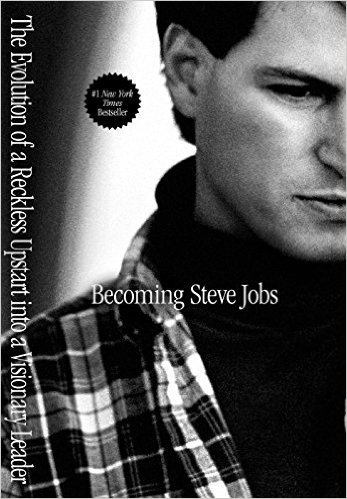
"Becoming Steve Jobs" offers a nuanced and comprehensive portrayal of Steve Jobs, tracing his tumultuous career from his volatile early days at Apple and NeXT to his triumphant return and transformation into a revered leader. It delves into his personal growth, strategic insights, and the often-unseen forces that shaped his entrepreneurial journey and the iconic companies he built.
This book shares common ground with "How Google Works" by offering an insider's perspective on the unique corporate cultures and leadership philosophies that drive innovation in Silicon Valley. Both books illuminate how groundbreaking companies foster creativity, manage complex talent, and navigate competitive landscapes to achieve extraordinary success, focusing on the human element behind technological empires.
The narrative provides invaluable lessons in leadership, resilience, and the relentless pursuit of excellence. It offers profound insights into fostering innovation and developing a compelling product vision, making it essential for anyone interested in business strategy, entrepreneurial development, or the evolution of influential individuals and organizations.
Becoming Steve Jobs: The Evolution of a Reckless Upstart into a Visionary Leader
"Becoming Steve Jobs" offers a nuanced and comprehensive portrayal of Steve Jobs, tracing his tumultuous career from his volatile early days at Apple and NeXT to his triumphant return and transformation into a revered leader. It delves into his personal growth, strategic insights, and the often-unseen forces that shaped his entrepreneurial journey and the iconic companies he built.
This book shares common ground with "How Google Works" by offering an insider's perspective on the unique corporate cultures and leadership philosophies that drive innovation in Silicon Valley. Both books illuminate how groundbreaking companies foster creativity, manage complex talent, and navigate competitive landscapes to achieve extraordinary success, focusing on the human element behind technological empires.
The narrative provides invaluable lessons in leadership, resilience, and the relentless pursuit of excellence. It offers profound insights into fostering innovation and developing a compelling product vision, making it essential for anyone interested in business strategy, entrepreneurial development, or the evolution of influential individuals and organizations.
Swipe to Unlock: The Primer on Technology and Business Strategy

"Swipe to Unlock" serves as an accessible and comprehensive guide to the technology industry's core products, strategies, and operational models. It demystifies complex tech concepts, from how software is built to the intricacies of business models like network effects and platform economics, making them understandable for a broad professional audience.
This book shares significant thematic overlap with "How Google Works," particularly in its focus on the intertwined nature of technology and business strategy. Both volumes dissect the principles that drive successful tech companies, emphasizing innovation, product development, and organizational culture as key competitive advantages. They illuminate how leading tech firms leverage their unique operating philosophies to achieve market dominance.
Its appeal lies in its practical utility for anyone seeking to understand or navigate the modern tech landscape. The clear explanations and strategic insights empower professionals across various sectors to grasp the underlying mechanisms of the digital economy, fostering a more informed approach to business and innovation. The book's capacity to simplify complex ideas into actionable knowledge makes it exceptionally valuable.
Swipe to Unlock: The Primer on Technology and Business Strategy
"Swipe to Unlock" serves as an accessible and comprehensive guide to the technology industry's core products, strategies, and operational models. It demystifies complex tech concepts, from how software is built to the intricacies of business models like network effects and platform economics, making them understandable for a broad professional audience.
This book shares significant thematic overlap with "How Google Works," particularly in its focus on the intertwined nature of technology and business strategy. Both volumes dissect the principles that drive successful tech companies, emphasizing innovation, product development, and organizational culture as key competitive advantages. They illuminate how leading tech firms leverage their unique operating philosophies to achieve market dominance.
Its appeal lies in its practical utility for anyone seeking to understand or navigate the modern tech landscape. The clear explanations and strategic insights empower professionals across various sectors to grasp the underlying mechanisms of the digital economy, fostering a more informed approach to business and innovation. The book's capacity to simplify complex ideas into actionable knowledge makes it exceptionally valuable.
Steve Jobs

"Steve Jobs" by Walter Isaacson offers an unparalleled look into the life, mind, and complex character of the legendary Apple co-founder. It delves into his relentless pursuit of perfection, his often polarizing leadership style, and the creative genius that led to revolutionary products like the Macintosh, iPhone, and iPad, chronicling his journey from adoption to his final battle with cancer.
This biography shares thematic commonalities with "How Google Works," particularly in its exploration of innovation-driven company cultures and the impact of visionary leadership on technological advancement. Both books examine how strong personalities and unconventional strategies shape the growth and success of iconic Silicon Valley giants, emphasizing product excellence and pushing boundaries.
Individuals seeking insight into the inner workings of tech pioneers, the psychology of ambitious creators, and the genesis of transformative technologies will find significant value. It provides a rare and intimate glimpse into the mind of a pivotal figure, offering lessons on leadership, design, and inspiring disruption that transcend the tech industry.
Steve Jobs
"Steve Jobs" by Walter Isaacson offers an unparalleled look into the life, mind, and complex character of the legendary Apple co-founder. It delves into his relentless pursuit of perfection, his often polarizing leadership style, and the creative genius that led to revolutionary products like the Macintosh, iPhone, and iPad, chronicling his journey from adoption to his final battle with cancer.
This biography shares thematic commonalities with "How Google Works," particularly in its exploration of innovation-driven company cultures and the impact of visionary leadership on technological advancement. Both books examine how strong personalities and unconventional strategies shape the growth and success of iconic Silicon Valley giants, emphasizing product excellence and pushing boundaries.
Individuals seeking insight into the inner workings of tech pioneers, the psychology of ambitious creators, and the genesis of transformative technologies will find significant value. It provides a rare and intimate glimpse into the mind of a pivotal figure, offering lessons on leadership, design, and inspiring disruption that transcend the tech industry.
Explosive Growth: A Few Things I Learned While Growing To 100 Million Users - And Losing $78 Million

"Explosive Growth" chronicles author Cliff Lerner's tumultuous journey building a groundbreaking mobile dating app, covering its rapid ascent to 100 million users alongside the severe financial challenges that ultimately led to substantial losses. It’s a candid look at the intense pressures of scaling a tech startup, the critical decisions, and the often-unforeseen consequences of hyper-growth, offering a raw, unfiltered perspective on startup life from inception to exit.
This book shares DNA with "How Google Works" by providing a deep dive into the inner workings of a tech company, albeit from a pre-IPO, startup perspective rather than an established giant. Both books emphasize the importance of product innovation, data-driven decisions, and navigating a rapidly evolving digital landscape. While Schmidt focuses on managing creative talent and a culture of continuous innovation, Lerner illustrates these principles in the high-stakes, resource-constrained environment of a burgeoning enterprise.
The narrative appeals to anyone interested in entrepreneurship, product development, or the unvarnished realities of the tech industry. It provides invaluable lessons on growth hacking, user acquisition, and the potential pitfalls that can derail even the most promising ventures. Its honesty about both monumental successes and costly failures offers practical insights and cautionary tales, serving as a compelling guide for aspiring founders and seasoned professionals alike.
Explosive Growth: A Few Things I Learned While Growing To 100 Million Users - And Losing $78 Million
"Explosive Growth" chronicles author Cliff Lerner's tumultuous journey building a groundbreaking mobile dating app, covering its rapid ascent to 100 million users alongside the severe financial challenges that ultimately led to substantial losses. It’s a candid look at the intense pressures of scaling a tech startup, the critical decisions, and the often-unforeseen consequences of hyper-growth, offering a raw, unfiltered perspective on startup life from inception to exit.
This book shares DNA with "How Google Works" by providing a deep dive into the inner workings of a tech company, albeit from a pre-IPO, startup perspective rather than an established giant. Both books emphasize the importance of product innovation, data-driven decisions, and navigating a rapidly evolving digital landscape. While Schmidt focuses on managing creative talent and a culture of continuous innovation, Lerner illustrates these principles in the high-stakes, resource-constrained environment of a burgeoning enterprise.
The narrative appeals to anyone interested in entrepreneurship, product development, or the unvarnished realities of the tech industry. It provides invaluable lessons on growth hacking, user acquisition, and the potential pitfalls that can derail even the most promising ventures. Its honesty about both monumental successes and costly failures offers practical insights and cautionary tales, serving as a compelling guide for aspiring founders and seasoned professionals alike.
Creativity, Inc.: Overcoming the Unseen Forces That Stand in the Way of True Inspiration
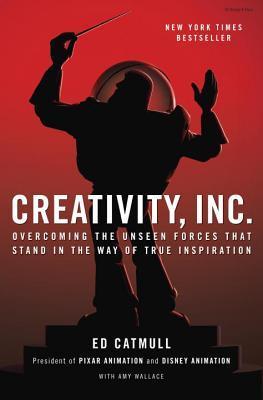
"Creativity, Inc." delves into the principles and practices that allowed Pixar Animation Studios to foster sustained innovation and creative excellence. Ed Catmull, co-founder of Pixar, shares invaluable insights from his career, detailing how to build a company culture that not only avoids stifling creativity but actively encourages it, tackling common organizational pitfalls along the way.
This book shares significant DNA with "How Google Works" because both offer a founder's perspective on managing highly talented, creative individuals in fast-paced, high-stakes environments. Both prioritize a culture of experimentation, radical transparency, open communication, and the empowerment of a knowledge-based workforce, demonstrating how these elements translate into commercial success and sustained competitive advantage.
The appeal lies in its practical, actionable guidance for leaders and managers seeking to cultivate genuine innovation within their own organizations. It provides a blueprint for building resilient, collaborative teams designed for long-term creative output, offering a masterclass in overcoming the inherent challenges of managing genius and maintaining a dynamic, creative pipeline.
Creativity, Inc.: Overcoming the Unseen Forces That Stand in the Way of True Inspiration
"Creativity, Inc." delves into the principles and practices that allowed Pixar Animation Studios to foster sustained innovation and creative excellence. Ed Catmull, co-founder of Pixar, shares invaluable insights from his career, detailing how to build a company culture that not only avoids stifling creativity but actively encourages it, tackling common organizational pitfalls along the way.
This book shares significant DNA with "How Google Works" because both offer a founder's perspective on managing highly talented, creative individuals in fast-paced, high-stakes environments. Both prioritize a culture of experimentation, radical transparency, open communication, and the empowerment of a knowledge-based workforce, demonstrating how these elements translate into commercial success and sustained competitive advantage.
The appeal lies in its practical, actionable guidance for leaders and managers seeking to cultivate genuine innovation within their own organizations. It provides a blueprint for building resilient, collaborative teams designed for long-term creative output, offering a masterclass in overcoming the inherent challenges of managing genius and maintaining a dynamic, creative pipeline.
More Books to Explore
Discover more titles that expand on these ideas and themes.
In the Plex: How Google Thinks, Works, and Shapes Our Lives
The Innovation Secrets of Steve Jobs
How to Think Like Steve Jobs
Measure What Matters
Zero to One: Notes on Startups, or How to Build the Future
Becoming Steve Jobs: The Evolution of a Reckless Upstart into a Visionary Leader