10 Books Similar to "Family Matters"
by Rohinton Mistry

Such a Long Journey

"Such a Long Journey" centers on Gustad Noble, a Parsi bank clerk in 1970s Bombay, whose quiet life unravels when he becomes entangled in a clandestine government operation. His efforts to help an old friend result in a series of difficult moral and ethical choices, deeply impacting his family and community, and forcing him to confront the complexities of loyalty and responsibility.
The similarity to "Family Matters" lies in Mistry's masterful exploration of the Parsi community in Bombay, focusing on a patriarch grappling with societal pressures, aging, and the disintegration of traditional values. Both novels delve into the intricate dynamics of extended families, the burden of secrets, and the enduring human spirit in the face of adversity, using a blend of realism and subtle tragicomedy.
This book offers a profound and immersive experience into a specific cultural milieu, revealing universal truths about human endurance, the corruption of power, and the resilience of family bonds. Its rich characterizations and poignant narrative provide valuable insights into life during a tumultuous period in India, resonating with anyone interested in deep-seated social commentary and heartfelt storytelling.
Such a Long Journey
"Such a Long Journey" centers on Gustad Noble, a Parsi bank clerk in 1970s Bombay, whose quiet life unravels when he becomes entangled in a clandestine government operation. His efforts to help an old friend result in a series of difficult moral and ethical choices, deeply impacting his family and community, and forcing him to confront the complexities of loyalty and responsibility.
The similarity to "Family Matters" lies in Mistry's masterful exploration of the Parsi community in Bombay, focusing on a patriarch grappling with societal pressures, aging, and the disintegration of traditional values. Both novels delve into the intricate dynamics of extended families, the burden of secrets, and the enduring human spirit in the face of adversity, using a blend of realism and subtle tragicomedy.
This book offers a profound and immersive experience into a specific cultural milieu, revealing universal truths about human endurance, the corruption of power, and the resilience of family bonds. Its rich characterizations and poignant narrative provide valuable insights into life during a tumultuous period in India, resonating with anyone interested in deep-seated social commentary and heartfelt storytelling.
A Fine Balance

"A Fine Balance" unflinchingly depicts India during the tumultuous Emergency years of the mid-1970s. It interweaves the lives of four disparate characters—a Parsi widow, a young student, and two lower-caste men working as tailors—as they navigate poverty, political oppression, and unexpected human connections in Mumbai. It’s a powerful narrative about survival, dignity, and the enduring human spirit amidst immense hardship.
Both Mistry novels excel at crafting intricate portraits of ordinary Parsi families and individuals grappling with societal pressures and personal dilemmas within a meticulously rendered Indian setting. They share a profound empathy for their characters, exploring themes of familial duty, social injustice, and the resilience required to maintain a sense of self and hope in challenging environments. The narrative style in both is marked by rich detail, poignant character development, and a blend of tragedy and understated humor.
This novel will resonate deeply with those who appreciate profound character studies set against significant historical backdrops. Its masterful storytelling provides a vital, often heart-wrenching, glimpse into a specific period of Indian history and the universal struggles of humanity. It offers a valuable opportunity for introspection on themes of class, caste, and political volatility, ultimately leaving a lasting emotional and intellectual impression.
A Fine Balance
"A Fine Balance" unflinchingly depicts India during the tumultuous Emergency years of the mid-1970s. It interweaves the lives of four disparate characters—a Parsi widow, a young student, and two lower-caste men working as tailors—as they navigate poverty, political oppression, and unexpected human connections in Mumbai. It’s a powerful narrative about survival, dignity, and the enduring human spirit amidst immense hardship.
Both Mistry novels excel at crafting intricate portraits of ordinary Parsi families and individuals grappling with societal pressures and personal dilemmas within a meticulously rendered Indian setting. They share a profound empathy for their characters, exploring themes of familial duty, social injustice, and the resilience required to maintain a sense of self and hope in challenging environments. The narrative style in both is marked by rich detail, poignant character development, and a blend of tragedy and understated humor.
This novel will resonate deeply with those who appreciate profound character studies set against significant historical backdrops. Its masterful storytelling provides a vital, often heart-wrenching, glimpse into a specific period of Indian history and the universal struggles of humanity. It offers a valuable opportunity for introspection on themes of class, caste, and political volatility, ultimately leaving a lasting emotional and intellectual impression.
The Rice Mother

*The Rice Mother* traces the epic life of Lakshmi, an ambitious young woman from Sri Lanka who migrates to Malaysia in the 1930s. Through her eyes, and later those of her children, we witness the complex tapestry of family life against a backdrop of war, cultural shifts, and personal sacrifice as she strives to build a legacy for her descendants.
This novel resonates with *Family Matters* through its profound exploration of intergenerational family dynamics, the burdens of duty, and the persistent weight of the past. Both books intimately portray how individual choices ripple through generations, shaping identities and relationships within a close-knit, yet often fractured, family unit, particularly within a specific cultural context.
The narrative offers a rich, immersive experience into a different culture and historical period, inviting introspection on universal themes of resilience, belonging, and the enduring power of family love. Its nuanced character studies and vivid storytelling provide a captivating read, prompting reflection on one's own familial connections and the unspoken histories that bind us.
The Rice Mother
*The Rice Mother* traces the epic life of Lakshmi, an ambitious young woman from Sri Lanka who migrates to Malaysia in the 1930s. Through her eyes, and later those of her children, we witness the complex tapestry of family life against a backdrop of war, cultural shifts, and personal sacrifice as she strives to build a legacy for her descendants.
This novel resonates with *Family Matters* through its profound exploration of intergenerational family dynamics, the burdens of duty, and the persistent weight of the past. Both books intimately portray how individual choices ripple through generations, shaping identities and relationships within a close-knit, yet often fractured, family unit, particularly within a specific cultural context.
The narrative offers a rich, immersive experience into a different culture and historical period, inviting introspection on universal themes of resilience, belonging, and the enduring power of family love. Its nuanced character studies and vivid storytelling provide a captivating read, prompting reflection on one's own familial connections and the unspoken histories that bind us.
Custody
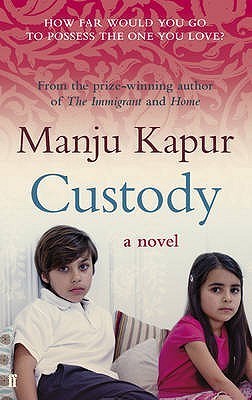
"Custody" by Manju Kapur centers on the arduous and often emotionally brutal battle for a child's custody following a marital breakdown in contemporary India. The narrative delves into the complexities of family law, societal expectations, and the deeply personal toll such conflicts take on individuals, especially the mothers and children involved. It explores themes of identity, sacrifice, and the enduring power dynamics within family structures.
This novel resonates with "Family Matters" through its acute focus on the intricate and frequently fraught relationships within a family, particularly concerning filial duty, intergenerational conflict, and the burdens of caregiving. Both authors excel at crafting nuanced characters facing profound moral and emotional dilemmas, set against realistic cultural backdrops that subtly influence their choices and circumstances. The shared exploration of domestic struggles and personal integrity amidst societal pressures forms a strong thematic bridge.
This book offers a compelling narrative for those who appreciate insightful character studies and explorations of social issues through a domestic lens. Its honest portrayal of the vulnerabilities and strengths inherent in family ties, coupled with its examination of a prominent legal and emotional challenge, provides both intellectual stimulation and emotional resonance. It offers a window into the human condition under duress, prompting reflection on love, responsibility, and justice.
Custody
"Custody" by Manju Kapur centers on the arduous and often emotionally brutal battle for a child's custody following a marital breakdown in contemporary India. The narrative delves into the complexities of family law, societal expectations, and the deeply personal toll such conflicts take on individuals, especially the mothers and children involved. It explores themes of identity, sacrifice, and the enduring power dynamics within family structures.
This novel resonates with "Family Matters" through its acute focus on the intricate and frequently fraught relationships within a family, particularly concerning filial duty, intergenerational conflict, and the burdens of caregiving. Both authors excel at crafting nuanced characters facing profound moral and emotional dilemmas, set against realistic cultural backdrops that subtly influence their choices and circumstances. The shared exploration of domestic struggles and personal integrity amidst societal pressures forms a strong thematic bridge.
This book offers a compelling narrative for those who appreciate insightful character studies and explorations of social issues through a domestic lens. Its honest portrayal of the vulnerabilities and strengths inherent in family ties, coupled with its examination of a prominent legal and emotional challenge, provides both intellectual stimulation and emotional resonance. It offers a window into the human condition under duress, prompting reflection on love, responsibility, and justice.
The House of Blue Mangoes
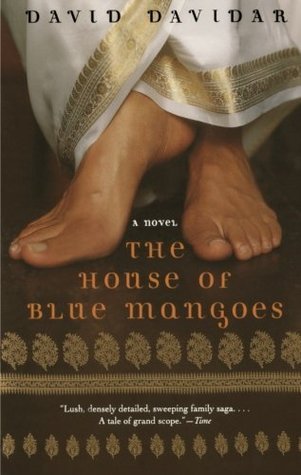
"The House of Blue Mangoes" chronicles the generational saga of the Dorai family in rural southern India, tracing their lives from the late 19th century through India's struggle for independence. It examines evolving societal norms, political upheaval, and the enduring bonds and conflicts within a family navigating profound historical shifts.
This novel shares a thematic heart with "Family Matters" through its meticulous portrayal of a family's internal dynamics amidst external societal pressures. Both books excel at character-driven narratives, exploring the complexities of familial duty, intergenerational conflict, and the struggle for personal autonomy within a collective identity, all set against a richly detailed cultural backdrop.
The book offers a compelling narrative tapestry that illuminates crucial periods of Indian history through intimate human experiences. Its rich character development and exploration of universal themes like tradition versus modernity, political awakening, and the search for belonging provide a deeply resonant and thought-provoking reading experience.
The House of Blue Mangoes
"The House of Blue Mangoes" chronicles the generational saga of the Dorai family in rural southern India, tracing their lives from the late 19th century through India's struggle for independence. It examines evolving societal norms, political upheaval, and the enduring bonds and conflicts within a family navigating profound historical shifts.
This novel shares a thematic heart with "Family Matters" through its meticulous portrayal of a family's internal dynamics amidst external societal pressures. Both books excel at character-driven narratives, exploring the complexities of familial duty, intergenerational conflict, and the struggle for personal autonomy within a collective identity, all set against a richly detailed cultural backdrop.
The book offers a compelling narrative tapestry that illuminates crucial periods of Indian history through intimate human experiences. Its rich character development and exploration of universal themes like tradition versus modernity, political awakening, and the search for belonging provide a deeply resonant and thought-provoking reading experience.
Red Earth and Pouring Rain
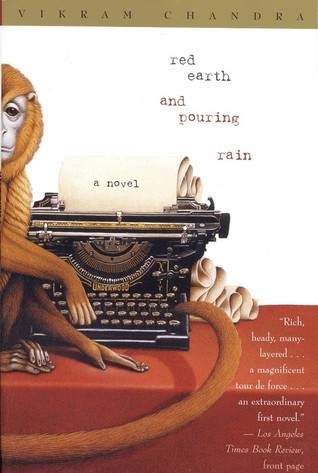
"Red Earth and Pouring Rain" intricately weaves together a contemporary narrative with an epic tale from 19th-century India. At its heart is an American student, seriously injured in an accident, whose consciousness shifts between his own life and a previous incarnation as an Indian poet named Sanjay. This dual narrative explores themes of identity, transmigration, and the power of storytelling itself, ultimately culminating in Sanjay writing his life story to appease a monkey god.
Both novels excel in their richly detailed portrayal of Indian life and their profound exploration of family dynamics. Like "Family Matters," "Red Earth and Pouring Rain" delves into intergenerational relationships, the weight of tradition, and the hidden struggles within a household. Characters in both books contend with societal expectations, personal sacrifices, and the moral complexities that arise from their circumstances, creating a deeply human and relatable experience.
This novel will resonate with those who appreciate sprawling, character-driven narratives that offer a nuanced look at cultural heritage and personal destiny. Its blending of historical epic and modern-day introspection provides a powerful commentary on storytelling's enduring influence and the interconnectedness of past and present. It offers insight into the human condition, inviting reflection on the stories we tell ourselves and the lives we inherit.
Red Earth and Pouring Rain
"Red Earth and Pouring Rain" intricately weaves together a contemporary narrative with an epic tale from 19th-century India. At its heart is an American student, seriously injured in an accident, whose consciousness shifts between his own life and a previous incarnation as an Indian poet named Sanjay. This dual narrative explores themes of identity, transmigration, and the power of storytelling itself, ultimately culminating in Sanjay writing his life story to appease a monkey god.
Both novels excel in their richly detailed portrayal of Indian life and their profound exploration of family dynamics. Like "Family Matters," "Red Earth and Pouring Rain" delves into intergenerational relationships, the weight of tradition, and the hidden struggles within a household. Characters in both books contend with societal expectations, personal sacrifices, and the moral complexities that arise from their circumstances, creating a deeply human and relatable experience.
This novel will resonate with those who appreciate sprawling, character-driven narratives that offer a nuanced look at cultural heritage and personal destiny. Its blending of historical epic and modern-day introspection provides a powerful commentary on storytelling's enduring influence and the interconnectedness of past and present. It offers insight into the human condition, inviting reflection on the stories we tell ourselves and the lives we inherit.
The Death of Vishnu
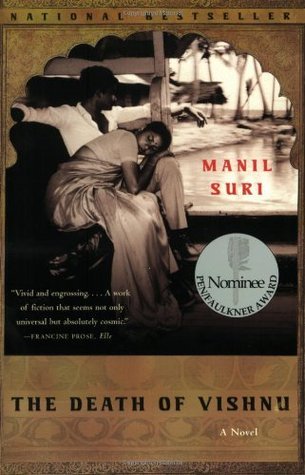
"The Death of Vishnu" centers on a homeless man, Vishnu, dying on the staircase of a Mumbai apartment building. His slow demise becomes a focal point for the residents, revealing their individual lives, grudges, and aspirations. The narrative skilfully weaves together their perspectives, offering a microcosm of Indian society grappling with class, tradition, and modernity.
Both novels excel in their detailed, empathetic portrayal of everyday life within confined, community-driven settings. Like "Family Matters," Suri's work delves deep into the nuances of family dynamics, intergenerational tensions, and the often unsaid compromises that define domestic existence. The slow, meticulous character development and the subtle exploration of moral ambiguities resonate strongly across both books.
This novel will appeal to those who appreciate intricate character studies and social realism. It offers a profound look into the human condition, showcasing the resilience of the common person and the complex tapestry of urban Indian life. Its value lies in its ability to spark contemplation about compassion, social responsibility, and the often-overlooked dignity of marginalized individuals.
The Death of Vishnu
"The Death of Vishnu" centers on a homeless man, Vishnu, dying on the staircase of a Mumbai apartment building. His slow demise becomes a focal point for the residents, revealing their individual lives, grudges, and aspirations. The narrative skilfully weaves together their perspectives, offering a microcosm of Indian society grappling with class, tradition, and modernity.
Both novels excel in their detailed, empathetic portrayal of everyday life within confined, community-driven settings. Like "Family Matters," Suri's work delves deep into the nuances of family dynamics, intergenerational tensions, and the often unsaid compromises that define domestic existence. The slow, meticulous character development and the subtle exploration of moral ambiguities resonate strongly across both books.
This novel will appeal to those who appreciate intricate character studies and social realism. It offers a profound look into the human condition, showcasing the resilience of the common person and the complex tapestry of urban Indian life. Its value lies in its ability to spark contemplation about compassion, social responsibility, and the often-overlooked dignity of marginalized individuals.
The Moor's Last Sigh

Salman Rushdie’s "The Moor's Last Sigh" chronicles the extraordinary life and lineage of Moraes Zogoiby, known as "Moor," born with an accelerated aging condition. Spanning four generations of a prominent spice-trading family in Cochin, India, the novel weaves together myth, history, art, and betrayal against the backdrop of India's post-colonial era, culminating in Moor's exile and pursuit of revenge in Spain.
Both "The Moor's Last Sigh" and "Family Matters" delve profoundly into the intricacies of family dynamics within an Indian context. They explore the weighty legacy of ancestry, the challenges of intergenerational conflict, and the enduring power of familial bonds amidst societal shifts and personal tragedies. Each novel also showcases a rich, almost tactile depiction of Indian culture and history, framing personal narratives within a broader national tapestry.
This novel offers an immersive experience into a world where personal fate intertwines with historical forces, enriching the understanding of identity and belonging. Its vibrant prose and expansive storytelling provide a deep engagement with India's multifaceted heritage and the universal struggles of love, loss, and legacy, resonating long after the final page.
The Moor's Last Sigh
Salman Rushdie’s "The Moor's Last Sigh" chronicles the extraordinary life and lineage of Moraes Zogoiby, known as "Moor," born with an accelerated aging condition. Spanning four generations of a prominent spice-trading family in Cochin, India, the novel weaves together myth, history, art, and betrayal against the backdrop of India's post-colonial era, culminating in Moor's exile and pursuit of revenge in Spain.
Both "The Moor's Last Sigh" and "Family Matters" delve profoundly into the intricacies of family dynamics within an Indian context. They explore the weighty legacy of ancestry, the challenges of intergenerational conflict, and the enduring power of familial bonds amidst societal shifts and personal tragedies. Each novel also showcases a rich, almost tactile depiction of Indian culture and history, framing personal narratives within a broader national tapestry.
This novel offers an immersive experience into a world where personal fate intertwines with historical forces, enriching the understanding of identity and belonging. Its vibrant prose and expansive storytelling provide a deep engagement with India's multifaceted heritage and the universal struggles of love, loss, and legacy, resonating long after the final page.
The World We Found

"The World We Found" explores the lives of four Indian women, once inseparable during their college years, as they navigate divergent paths through marriage, motherhood, and career in modern India. The novel delves into their enduring friendships and the complex choices they make as they grapple with personal aspirations against the backdrop of societal expectations and political shifts.
This novel shares a foundational similarity with "Family Matters" in its deep, nuanced portrayal of family dynamics and the quiet struggles of ordinary individuals within a specific cultural context. Both authors excel at crafting intricate character studies, illuminating the weight of tradition, the complexities of intergenerational relationships, and the search for identity amid personal and societal pressures within Indian society.
This story offers a rich tapestry of human experience, resonant with themes of friendship, resilience, and the evolving roles of women. It provides insightful perspectives into contemporary Indian life, presenting authentic characters whose joys and heartbreaks are profoundly relatable. The emotional depth and social commentary make it a deeply engaging and thought-provoking read.
The World We Found
"The World We Found" explores the lives of four Indian women, once inseparable during their college years, as they navigate divergent paths through marriage, motherhood, and career in modern India. The novel delves into their enduring friendships and the complex choices they make as they grapple with personal aspirations against the backdrop of societal expectations and political shifts.
This novel shares a foundational similarity with "Family Matters" in its deep, nuanced portrayal of family dynamics and the quiet struggles of ordinary individuals within a specific cultural context. Both authors excel at crafting intricate character studies, illuminating the weight of tradition, the complexities of intergenerational relationships, and the search for identity amid personal and societal pressures within Indian society.
This story offers a rich tapestry of human experience, resonant with themes of friendship, resilience, and the evolving roles of women. It provides insightful perspectives into contemporary Indian life, presenting authentic characters whose joys and heartbreaks are profoundly relatable. The emotional depth and social commentary make it a deeply engaging and thought-provoking read.
The Toss of a Lemon
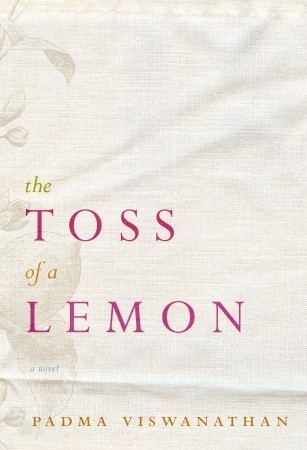
Padma Viswanathan’s "The Toss of a Lemon" chronicles the life of a young Brahmin widow in a traditional South Indian village across several decades of the 20th century. Left with two small children after her husband's sudden death, Sivakami navigates the constraints of her societal role, raising her family and subtly challenging rigid customs through her resilience and quiet determination. The narrative explores themes of duty, grief, societal expectations, and the enduring strength of the human spirit within a historically specific cultural context.
The similarity to "Family Matters" lies in their shared exploration of intricate family dynamics, the burdens of tradition, and the quiet struggles of individuals within a tightly-knit community. Both novels meticulously construct worlds steeped in cultural nuance, revealing how deeply personal choices are influenced by historical context and familial obligation. They excel at portraying ordinary lives infused with profound emotional impact, particularly concerning aging, dependency, and the evolving roles of family members.
This book offers a rich, immersive experience into a world often unseen by Western audiences, providing significant insights into historical South Indian society and the universal challenges of navigating loss, duty, and change. Its carefully crafted characters and evocative prose illuminate the human capacity for endurance and the subtle ways individuals carve out agency even within restrictive environments, making it a valuable and deeply moving read.
The Toss of a Lemon
Padma Viswanathan’s "The Toss of a Lemon" chronicles the life of a young Brahmin widow in a traditional South Indian village across several decades of the 20th century. Left with two small children after her husband's sudden death, Sivakami navigates the constraints of her societal role, raising her family and subtly challenging rigid customs through her resilience and quiet determination. The narrative explores themes of duty, grief, societal expectations, and the enduring strength of the human spirit within a historically specific cultural context.
The similarity to "Family Matters" lies in their shared exploration of intricate family dynamics, the burdens of tradition, and the quiet struggles of individuals within a tightly-knit community. Both novels meticulously construct worlds steeped in cultural nuance, revealing how deeply personal choices are influenced by historical context and familial obligation. They excel at portraying ordinary lives infused with profound emotional impact, particularly concerning aging, dependency, and the evolving roles of family members.
This book offers a rich, immersive experience into a world often unseen by Western audiences, providing significant insights into historical South Indian society and the universal challenges of navigating loss, duty, and change. Its carefully crafted characters and evocative prose illuminate the human capacity for endurance and the subtle ways individuals carve out agency even within restrictive environments, making it a valuable and deeply moving read.
More Books to Explore
Discover more titles that expand on these ideas and themes.
Such a Long Journey
A Fine Balance
The Rice Mother
Custody
The House of Blue Mangoes
Red Earth and Pouring Rain