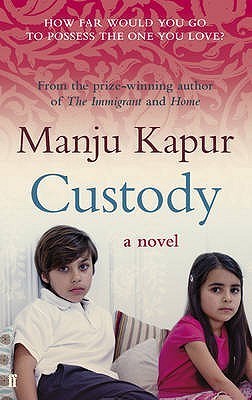
Custody
Book Description
Love, betrayal, and the battle for innocence collide in 'Custody,' a gripping tale that unveils the dark undercurrents of family life in contemporary India. As a couple's tumultuous marriage unravels, their children become pawns in a relentless custody battle that exposes hidden secrets and moral dilemmas. Tensions soar as loyalties are tested and alliances fracture. Emotions run high in a narrative that navigates the complex web of desire, power, and societal expectations. With each turn of the page, an unsettling question looms: who truly deserves to raise the children caught in a storm of adult conflict?
Quick Book Summary
"Custody" by Manju Kapur delves into the emotional turmoil of a disintegrating marriage set against the backdrop of urban India in the 1990s. Raman and Shagun, a modern, affluent couple, find their lives upended when Shagun falls in love with another man. Their painful divorce turns their once-loving home into a battleground, with their young children, Arjun and Roohi, becoming unwilling casualties. Through compelling storytelling, Kapur examines the complexities of love, betrayal, and societal pressures, as both parents fiercely contest the right to raise their children. The novel exposes the often unjust legal and social systems that govern family life, asking probing questions about parenthood, morality, and the scars left behind by adult conflicts. Ultimately, "Custody" is a poignant exploration of the fragility of family, the consequences of personal choices, and the search for justice in a deeply traditional society.





Summary of Key Ideas
Table of Contents
The Fragility of Modern Relationships
Raman and Shagun appear to have an ideal life: a prosperous existence in cosmopolitan Gurgaon, advancing careers, and two young children. Their marriage, however, is unravelling beneath the surface. Shagun’s dissatisfaction with her role and a growing attraction to Raman’s boss, Ashok, ignite a chain of events that shatters the family. When Shagun pursues a relationship with Ashok, she leaves Raman, propelling the family into the chaos of separation and divorce.
The Social and Legal Systems of Custody
The legal and emotional battle for custody over their children, Arjun and Roohi, becomes a bitter contest. The courts, ill-equipped to address the mental and emotional strain on the children, treat them as possessions to be divided. Both Raman and Shagun use legal strategies and personal manipulations, each convinced their love garners them the right to parent. The legal proceedings and their consequences reveal the deep flaws and inadequacies of the Indian judicial system when dealing with complex family matters.
Impact of Divorce on Children
The children, especially adolescent Arjun, are caught between their parents’ desires and their own needs for stability. Roohi, the younger child, becomes a symbol of innocence lost in the adult world’s machinations. Through their shifting loyalties, acting out, and confusion, Kapur highlights the overlooked suffering of children in divorce. Their experiences offer a sensitive portrait of how parental conflict reverberates through young lives, shaping their sense of self and security.
Gender Roles and Societal Expectations
Kapur skillfully uses the custody battle to critique prevailing gender roles and societal expectations in India. Shagun’s pursuit of personal happiness is branded as selfishness, while Raman’s attempts to maintain control reflect deep-rooted patriarchal attitudes. Extended families too weigh in, imposing their judgments and traditions. The novel exposes the double standards facing women, as well as the societal urge to prioritize appearances and conformity over individual well-being.
The Search for Identity and Belonging
As relationships fracture and alliances shift, each character searches for stability, identity, and belonging. Whether through new partnerships, professional pursuits, or legal victories, their attempts to reconstruct their lives reveal the deep emotional costs of fractured families. "Custody" thus ultimately raises unsettling questions: What does it mean to be a parent? Who determines a child’s best interests? And can justice truly be found in the aftermath of love’s collapse?
Download This Summary
Get a free PDF of this summary instantly — no email required.