
The World We Found
Book Description
Friendship, betrayal, and the haunting shadows of the past collide in a poignant journey across the vibrant landscape of modern India. Four women, once inseparable during the tumult of their youth, find their lives irrevocably transformed as secrets and unfulfilled dreams rise to the surface. As they navigate love, loss, and the pressures of societal expectations, each is forced to confront the choices that have defined them. Tensions mount and emotions flare in a race against time that could either shatter their bonds or seal them forever. Will these friends find a way back to each other, or will their pasts tear them apart for good?
Quick Book Summary
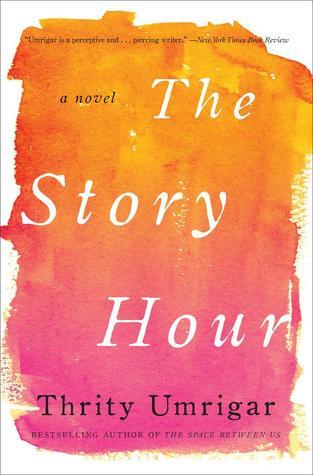
"The World We Found" by Thrity Umrigar beautifully explores the intricate bonds of female friendship set against the backdrop of modern and historical India. Four university friends—Armaiti, Laleh, Kavita, and Nishta—formed an unbreakable bond in 1970s Bombay, sharing dreams of revolution and social change. Decades later, their lives have diverged drastically, shaped by political strife, personal choices, and deep-set regrets. When Armaiti, now living in America, is diagnosed with a terminal illness, she summons her old friends for a final reunion. The request forces each woman to confront unresolved secrets, hidden resentments, and the tangled consequences of their past decisions. Through this poignant, lyrical narrative, Umrigar deftly considers themes of memory, identity, the passage of time, and the enduring power of friendship, highlighting how the past continues to shape the present.


Summary of Key Ideas
Table of Contents
Friendship and Estrangement
Four women who once stood at the brink of social and political transformation in 1970s Bombay find themselves scattered and changed by the passage of decades. Armaiti has built a new life in America, while Laleh remains in India, living a relatively privileged existence. Kavita has kept significant parts of her identity hidden from her friends, and Nishta’s life has been altered most drastically, caught in the grip of a restrictive marriage and cultural upheaval. When Armaiti learns she is gravely ill, she calls on her old friends for one last reunion, stirring up the memories and promises of their youth.
The Legacy of Political and Social Change
The book unpacks the profound ties of friendship that have endured, albeit frayed, over the years. The women’s bond is tested by time, distance, and diverging paths, but at its core, there is an underlying desire for reconnection and healing. As they contemplate their shared idealism from the university days—when activism and dreams of a better world united them—they are forced to measure the reality of their current lives against those youthful aspirations.
Identity, Religion, and Societal Expectations
Political and societal changes emerge as silent characters in the book, shaping the personal trajectories of the protagonists. Nishta’s experiences, in particular, reflect the rise of fundamentalism and communal tension in India, as she grapples with the consequences of marrying outside her own faith. This backdrop underscores the ways in which external forces—religion, gender roles, and class divisions—exert influence on individual destinies and relationships.
Secrets, Betrayal, and Redemption
Each woman is compelled to confront hidden truths, personal betrayals, and the secrets they’ve kept from one another. Kavita is forced to reckon with her sexual identity, which she has concealed for decades, while Laleh must accept the limitations of her privilege in helping those she loves. The possibility of redemption and forgiveness is carefully explored, not as an easy resolution but as a difficult, ongoing process that requires honesty and vulnerability.
In the end, "The World We Found" is a meditation on what is lost and what endures. Through cycles of love, loss, and the resilience of its characters, the novel asks whether friendship can survive the pressures of time and change. The story balances heartbreak with hope, suggesting that while the world may not always turn out as we hoped, the connections we forge can provide meaning and solace, even amidst disappointment and upheaval.
Download This Summary
Get a free PDF of this summary instantly — no email required.