10 Books Similar to "Whores and Other Feminists"
by Jill Nagle
Outrageous Acts and Everyday Rebellions
Gloria Steinem's "Outrageous Acts and Everyday Rebellions" is a collection of essays and articles spanning decades of her feminist activism and journalism. It explores themes of gender inequality, patriarchal structures, reproductive rights, and the personal intertwined with the political, often through firsthand accounts and incisive cultural commentary. Steinem tackles everything from the politics of beauty to the realities of misogyny, consistently advocating for women's liberation and societal transformation.
This collection resonates with "Whores and Other Feminists" through its unapologetic examination of societal norms and its challenge to conventional views of female identity and sexuality. Both books foreground marginalized voices and experiences, questioning the systems that define and restrict women. They share a commitment to deconstructing patriarchal narratives and elevating perspectives that deviate from the mainstream, exploring the complex interplay of power, gender, and societal expectations.
The book profoundly speaks to those seeking a foundational understanding of feminist thought from a renowned pioneer. It offers sharp, witty, and deeply insightful critiques of a world grappling with evolving gender dynamics. Its historical context provides valuable perspective on contemporary struggles, allowing readers to trace the roots of many ongoing social dialogues and offering inspiration through Steinem's enduring commitment to justice and equality.
Outrageous Acts and Everyday Rebellions
Gloria Steinem's "Outrageous Acts and Everyday Rebellions" is a collection of essays and articles spanning decades of her feminist activism and journalism. It explores themes of gender inequality, patriarchal structures, reproductive rights, and the personal intertwined with the political, often through firsthand accounts and incisive cultural commentary. Steinem tackles everything from the politics of beauty to the realities of misogyny, consistently advocating for women's liberation and societal transformation.
This collection resonates with "Whores and Other Feminists" through its unapologetic examination of societal norms and its challenge to conventional views of female identity and sexuality. Both books foreground marginalized voices and experiences, questioning the systems that define and restrict women. They share a commitment to deconstructing patriarchal narratives and elevating perspectives that deviate from the mainstream, exploring the complex interplay of power, gender, and societal expectations.
The book profoundly speaks to those seeking a foundational understanding of feminist thought from a renowned pioneer. It offers sharp, witty, and deeply insightful critiques of a world grappling with evolving gender dynamics. Its historical context provides valuable perspective on contemporary struggles, allowing readers to trace the roots of many ongoing social dialogues and offering inspiration through Steinem's enduring commitment to justice and equality.
Feminist Theory: From Margin to Center
"Feminist Theory: From Margin to Center" critically examines dominant feminist thought, arguing that its historical focus has largely excluded the experiences of marginalized women, particularly women of color. Bell hooks advocates for a more inclusive and intersectional feminism that addresses varied forms of oppression—race, class, and gender—rather than prioritizing one over others. She dissects how systems of power reinforce social hierarchies and offers a framework for building a truly liberatory feminist movement.
This work resonates with "Whores and Other Feminists" due to their shared commitment to challenging conventional feminist narratives and centering voices often relegated to the periphery. Both texts dissect the limitations of mainstream feminism and actively seek to broaden its scope by incorporating perspectives from those traditionally excluded, whether based on profession, race, or socio-economic status. They collectively push for a more complex and nuanced understanding of patriarchal structures and feminist resistance.
The book will appeal to those seeking a deeper, more critically informed understanding of feminism. Its rigorous analysis provides invaluable insights into the complexities of power dynamics and social stratification. It serves as an essential guide for anyone interested in intersectionality, social justice, and the ongoing evolution of feminist thought, offering actionable frameworks for inclusive activism and intellectual engagement.
Feminist Theory: From Margin to Center
"Feminist Theory: From Margin to Center" critically examines dominant feminist thought, arguing that its historical focus has largely excluded the experiences of marginalized women, particularly women of color. Bell hooks advocates for a more inclusive and intersectional feminism that addresses varied forms of oppression—race, class, and gender—rather than prioritizing one over others. She dissects how systems of power reinforce social hierarchies and offers a framework for building a truly liberatory feminist movement.
This work resonates with "Whores and Other Feminists" due to their shared commitment to challenging conventional feminist narratives and centering voices often relegated to the periphery. Both texts dissect the limitations of mainstream feminism and actively seek to broaden its scope by incorporating perspectives from those traditionally excluded, whether based on profession, race, or socio-economic status. They collectively push for a more complex and nuanced understanding of patriarchal structures and feminist resistance.
The book will appeal to those seeking a deeper, more critically informed understanding of feminism. Its rigorous analysis provides invaluable insights into the complexities of power dynamics and social stratification. It serves as an essential guide for anyone interested in intersectionality, social justice, and the ongoing evolution of feminist thought, offering actionable frameworks for inclusive activism and intellectual engagement.
Who Stole Feminism? How Women Have Betrayed Women

"Who Stole Feminism? How Women Have Betrayed Women" by Christina Hoff Sommers critiques what she perceives as radical elements within contemporary feminism. Sommers argues that a vocal faction has strayed from earlier, more equitable feminist goals, advocating for an agenda that, in her view, is divisive and counterproductive to women's true interests. She distinguishes between "equity feminism," which seeks equal rights, and "gender feminism," which she believes promotes a victimhood narrative and a hostile view of men.
Both books engage in a critical, internal examination of feminism itself. While Nagle's "Whores and Other Feminists" explores the spectrum of feminist thought through a lens of sex-positive agency, Sommers' work interrogates the movement's ideological trajectory. They both tackle the question of what feminism *is* and *ought to be*, albeit from vastly different perspectives, prompting readers to reconsider established feminist narratives and their implications.
This book offers a dissenting voice within feminist discourse, providing a thought-provoking counterpoint for anyone interested in the complex evolution of the movement. Its critical analysis challenges conventional wisdom, encouraging a deeper, more nuanced understanding of feminist history, goals, and internal debates. It is valuable for those seeking a conservative critique of modern feminism and a robust discussion of its divergent paths.
Who Stole Feminism? How Women Have Betrayed Women
"Who Stole Feminism? How Women Have Betrayed Women" by Christina Hoff Sommers critiques what she perceives as radical elements within contemporary feminism. Sommers argues that a vocal faction has strayed from earlier, more equitable feminist goals, advocating for an agenda that, in her view, is divisive and counterproductive to women's true interests. She distinguishes between "equity feminism," which seeks equal rights, and "gender feminism," which she believes promotes a victimhood narrative and a hostile view of men.
Both books engage in a critical, internal examination of feminism itself. While Nagle's "Whores and Other Feminists" explores the spectrum of feminist thought through a lens of sex-positive agency, Sommers' work interrogates the movement's ideological trajectory. They both tackle the question of what feminism *is* and *ought to be*, albeit from vastly different perspectives, prompting readers to reconsider established feminist narratives and their implications.
This book offers a dissenting voice within feminist discourse, providing a thought-provoking counterpoint for anyone interested in the complex evolution of the movement. Its critical analysis challenges conventional wisdom, encouraging a deeper, more nuanced understanding of feminist history, goals, and internal debates. It is valuable for those seeking a conservative critique of modern feminism and a robust discussion of its divergent paths.
The Beauty Myth
"The Beauty Myth" by Naomi Wolf dissects the societal construct of beauty, arguing it's not inherent but a political tool to maintain patriarchal power and control over women. Wolf contends that as women gained economic and political freedom, the "beauty myth" intensified, creating new forms of oppression through unattainable standards, media manipulation, and industries profiting from female insecurity. It explores how these pressures impact women's bodies, careers, self-esteem, and overall agency.
This book shares significant common ground with "Whores and Other Feminists" by Jill Nagle due to their shared feminist lens on societal pressures and female autonomy. Both works critically examine how women are pigeonholed and constrained by societal expectations – whether through the beauty ideal or through labels and judgments related to sexuality and work. They both advocate for a more liberated understanding of female identity and experience, challenging dominant narratives that limit women's choices and self-definition.
This exploration of beauty as a mechanism of control offers profound insights for anyone interested in gender studies, sociology, or critical media literacy. Its enduring relevance lies in its ability to illuminate the insidious ways societal norms shape individual perceptions and experiences, encouraging a deeper understanding of liberation and resistance against oppressive systems. It empowers a critical examination of seemingly benign cultural phenomena.
The Beauty Myth
"The Beauty Myth" by Naomi Wolf dissects the societal construct of beauty, arguing it's not inherent but a political tool to maintain patriarchal power and control over women. Wolf contends that as women gained economic and political freedom, the "beauty myth" intensified, creating new forms of oppression through unattainable standards, media manipulation, and industries profiting from female insecurity. It explores how these pressures impact women's bodies, careers, self-esteem, and overall agency.
This book shares significant common ground with "Whores and Other Feminists" by Jill Nagle due to their shared feminist lens on societal pressures and female autonomy. Both works critically examine how women are pigeonholed and constrained by societal expectations – whether through the beauty ideal or through labels and judgments related to sexuality and work. They both advocate for a more liberated understanding of female identity and experience, challenging dominant narratives that limit women's choices and self-definition.
This exploration of beauty as a mechanism of control offers profound insights for anyone interested in gender studies, sociology, or critical media literacy. Its enduring relevance lies in its ability to illuminate the insidious ways societal norms shape individual perceptions and experiences, encouraging a deeper understanding of liberation and resistance against oppressive systems. It empowers a critical examination of seemingly benign cultural phenomena.
Pornography: Men Possessing Women

Andrea Dworkin's "Pornography: Men Possessing Women" is a foundational feminist text that rigorously critiques pornography not as free expression, but as a systematic act of male dominance and female subordination. Dworkin argues that pornography objectifies women, depicting them as inherently subservient and available for male sexual gratification, thereby normalizing violence and inequality against women in society. She meticulously dissects its themes, imagery, and implications for women's agency and societal power structures.
The books share a critical lens on female sexuality, agency, and societal power dynamics. Both works challenge conventional understandings of explicit content and sexual labor by examining them through a feminist framework that exposes inherent inequalities and exploitative structures. They delve into how women’s bodies and sexualities are portrayed and controlled within patriarchal systems, prompting readers to reconsider what constitutes consent, freedom, and empowerment.
This analysis offers profound insights into the societal impact of sexual imagery and the historical subjugation of women through various forms of exploitation. Its rigorous argumentation and provocative conclusions provide a robust framework for understanding the politics of pornography and its connection to broader feminist struggles. Those interested in radical feminist theory, media critique, and the ongoing fight for gender equality will find immense value in its unflinching examination.
Pornography: Men Possessing Women
Andrea Dworkin's "Pornography: Men Possessing Women" is a foundational feminist text that rigorously critiques pornography not as free expression, but as a systematic act of male dominance and female subordination. Dworkin argues that pornography objectifies women, depicting them as inherently subservient and available for male sexual gratification, thereby normalizing violence and inequality against women in society. She meticulously dissects its themes, imagery, and implications for women's agency and societal power structures.
The books share a critical lens on female sexuality, agency, and societal power dynamics. Both works challenge conventional understandings of explicit content and sexual labor by examining them through a feminist framework that exposes inherent inequalities and exploitative structures. They delve into how women’s bodies and sexualities are portrayed and controlled within patriarchal systems, prompting readers to reconsider what constitutes consent, freedom, and empowerment.
This analysis offers profound insights into the societal impact of sexual imagery and the historical subjugation of women through various forms of exploitation. Its rigorous argumentation and provocative conclusions provide a robust framework for understanding the politics of pornography and its connection to broader feminist struggles. Those interested in radical feminist theory, media critique, and the ongoing fight for gender equality will find immense value in its unflinching examination.
Unspeakable Things: Sex, Lies and Revolution

Laurie Penny's "Unspeakable Things: Sex, Lies and Revolution" is a provocative collection of essays dissecting the intersections of gender, class, technology, and power in contemporary society. Penny unflinchingly examines how personal experiences, particularly those concerning sexuality and mental health, are intrinsically linked to broader political and economic structures, challenging conventional wisdom and advocating for radical social change.
The book resonates strongly with themes found in "Whores and Other Feminists" by Jill Nagle. Both works boldly confront societal taboos surrounding female sexuality and agency, offering incisive critiques of patriarchal norms and the limitations they impose. They share a commitment to amplifying marginalized voices and questioning established narratives, asserting that personal liberation is inseparable from political revolution.
This book offers a compelling exploration of urgent contemporary issues, providing fresh perspectives on feminism, capitalism, and personal freedom. Its direct and analytical approach to dismantling patriarchal structures and advocating for systemic change offers intellectual stimulation and practical insights, empowering contemplation of a more equitable future.
Unspeakable Things: Sex, Lies and Revolution
Laurie Penny's "Unspeakable Things: Sex, Lies and Revolution" is a provocative collection of essays dissecting the intersections of gender, class, technology, and power in contemporary society. Penny unflinchingly examines how personal experiences, particularly those concerning sexuality and mental health, are intrinsically linked to broader political and economic structures, challenging conventional wisdom and advocating for radical social change.
The book resonates strongly with themes found in "Whores and Other Feminists" by Jill Nagle. Both works boldly confront societal taboos surrounding female sexuality and agency, offering incisive critiques of patriarchal norms and the limitations they impose. They share a commitment to amplifying marginalized voices and questioning established narratives, asserting that personal liberation is inseparable from political revolution.
This book offers a compelling exploration of urgent contemporary issues, providing fresh perspectives on feminism, capitalism, and personal freedom. Its direct and analytical approach to dismantling patriarchal structures and advocating for systemic change offers intellectual stimulation and practical insights, empowering contemplation of a more equitable future.
Feminism Is for Everybody: Passionate Politics

bell hooks' "Feminism Is for Everybody: Passionate Politics" serves as an accessible introduction to feminist theory and practice. Hooks diligently demystifies feminism, presenting it not as a monolithic ideology, but as a diverse movement advocating for social justice and equality across gender, race, and class. She articulates core feminist principles, critiques common misconceptions, and invites engagement in building a more equitable world.
Both "Feminism Is for Everybody" and Nagle's "Whores and Other Feminists" share a foundational commitment to broadening the feminist discourse and challenging conventional societal narratives. While Nagle's collection specifically amplifies marginalized voices within sex work to illustrate the complexities of female agency and economic realities, hooks provides an overarching framework for understanding how power structures impact all women, encouraging a critical examination of societal norms and their impact on diverse identities. Each work, in its own way, advocates for a more inclusive, intersectional understanding of liberation.
This book offers a vital entry point for anyone seeking to understand feminism beyond media stereotypes. Its clear, direct language empowers individuals to grasp complex theoretical concepts, fostering critical thinking about gender roles and systemic inequalities. The work provides a strong foundation for engaging with feminist ideas and actively participating in social change, affirming that feminism’s pursuit of justice benefits everyone.
Feminism Is for Everybody: Passionate Politics
bell hooks' "Feminism Is for Everybody: Passionate Politics" serves as an accessible introduction to feminist theory and practice. Hooks diligently demystifies feminism, presenting it not as a monolithic ideology, but as a diverse movement advocating for social justice and equality across gender, race, and class. She articulates core feminist principles, critiques common misconceptions, and invites engagement in building a more equitable world.
Both "Feminism Is for Everybody" and Nagle's "Whores and Other Feminists" share a foundational commitment to broadening the feminist discourse and challenging conventional societal narratives. While Nagle's collection specifically amplifies marginalized voices within sex work to illustrate the complexities of female agency and economic realities, hooks provides an overarching framework for understanding how power structures impact all women, encouraging a critical examination of societal norms and their impact on diverse identities. Each work, in its own way, advocates for a more inclusive, intersectional understanding of liberation.
This book offers a vital entry point for anyone seeking to understand feminism beyond media stereotypes. Its clear, direct language empowers individuals to grasp complex theoretical concepts, fostering critical thinking about gender roles and systemic inequalities. The work provides a strong foundation for engaging with feminist ideas and actively participating in social change, affirming that feminism’s pursuit of justice benefits everyone.
The Female Eunuch
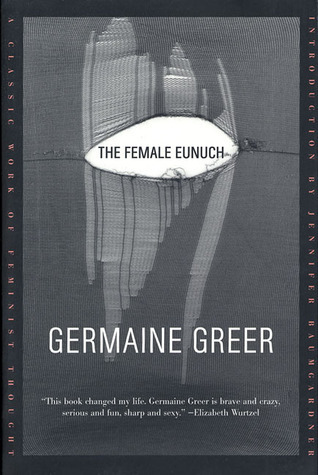
"The Female Eunuch" by Germaine Greer is a seminal feminist text from 1970 that critiques the traditional roles and expectations imposed on women. Greer argues that women are systematically conditioned into passivity, sacrificing their natural vitality and autonomy to conform to male-defined ideals of femininity, thus becoming "eunuchs." The book dissects various aspects of this subjugation, from sexuality and family structures to work and cultural representation, advocating for a radical re-evaluation of women's societal position and personal liberation.
This work resonates with "Whores and Other Feminists" through its core examination of female agency and sexual politics within systemic oppression. Both books challenge conventional narratives surrounding women's roles and sexual expression, confronting societal judgments and advocating for a reclamation of female power. Greer, like Nagle, delves into how societal structures, cultural norms, and even intimate relationships can constrain women, making a powerful case for individual and collective rebellion against such limitations.
It will appeal to those interested in foundational feminist thought and the historical underpinnings of contemporary gender discussions. Its audacious style and incisive analysis offer a profound understanding of how women’s identities have been shaped and constrained, and why sustained feminist critique remains vital. The book's enduring relevance lies in its ability to provoke critical thought about liberation, societal expectations, and the continuous struggle for genuine equality.
The Female Eunuch
"The Female Eunuch" by Germaine Greer is a seminal feminist text from 1970 that critiques the traditional roles and expectations imposed on women. Greer argues that women are systematically conditioned into passivity, sacrificing their natural vitality and autonomy to conform to male-defined ideals of femininity, thus becoming "eunuchs." The book dissects various aspects of this subjugation, from sexuality and family structures to work and cultural representation, advocating for a radical re-evaluation of women's societal position and personal liberation.
This work resonates with "Whores and Other Feminists" through its core examination of female agency and sexual politics within systemic oppression. Both books challenge conventional narratives surrounding women's roles and sexual expression, confronting societal judgments and advocating for a reclamation of female power. Greer, like Nagle, delves into how societal structures, cultural norms, and even intimate relationships can constrain women, making a powerful case for individual and collective rebellion against such limitations.
It will appeal to those interested in foundational feminist thought and the historical underpinnings of contemporary gender discussions. Its audacious style and incisive analysis offer a profound understanding of how women’s identities have been shaped and constrained, and why sustained feminist critique remains vital. The book's enduring relevance lies in its ability to provoke critical thought about liberation, societal expectations, and the continuous struggle for genuine equality.
The Vagina Monologues

"The Vagina Monologues" is a groundbreaking play composed of various monologues delving into themes of sexuality, identity, and the female experience. Each piece, delivered by different women, navigates topics from consensual sex and orgasms to sexual violence and birth, highlighting the diverse perspectives and shared vulnerabilities associated with the female anatomy and existence.
This work resonates with "Whores and Other Feminists" due to their shared commitment to reclaiming and recontextualizing female agency, particularly concerning sexuality and societal perceptions. Both texts challenge conventional narratives, offering a platform for voices that have historically been marginalized or silenced, and critically examining the labels and judgments placed upon women.
Its enduring appeal lies in its powerful, direct articulation of deeply personal yet universal experiences. The raw honesty and emotional depth within "The Vagina Monologues" foster empathy and understanding, encouraging a re-evaluation of societal norms and a celebration of female strength and resilience. It serves as a vital tool for sparking dialogue and promoting awareness about crucial issues facing women globally.
The Vagina Monologues
"The Vagina Monologues" is a groundbreaking play composed of various monologues delving into themes of sexuality, identity, and the female experience. Each piece, delivered by different women, navigates topics from consensual sex and orgasms to sexual violence and birth, highlighting the diverse perspectives and shared vulnerabilities associated with the female anatomy and existence.
This work resonates with "Whores and Other Feminists" due to their shared commitment to reclaiming and recontextualizing female agency, particularly concerning sexuality and societal perceptions. Both texts challenge conventional narratives, offering a platform for voices that have historically been marginalized or silenced, and critically examining the labels and judgments placed upon women.
Its enduring appeal lies in its powerful, direct articulation of deeply personal yet universal experiences. The raw honesty and emotional depth within "The Vagina Monologues" foster empathy and understanding, encouraging a re-evaluation of societal norms and a celebration of female strength and resilience. It serves as a vital tool for sparking dialogue and promoting awareness about crucial issues facing women globally.
Ain't I a Woman: Black Women and Feminism
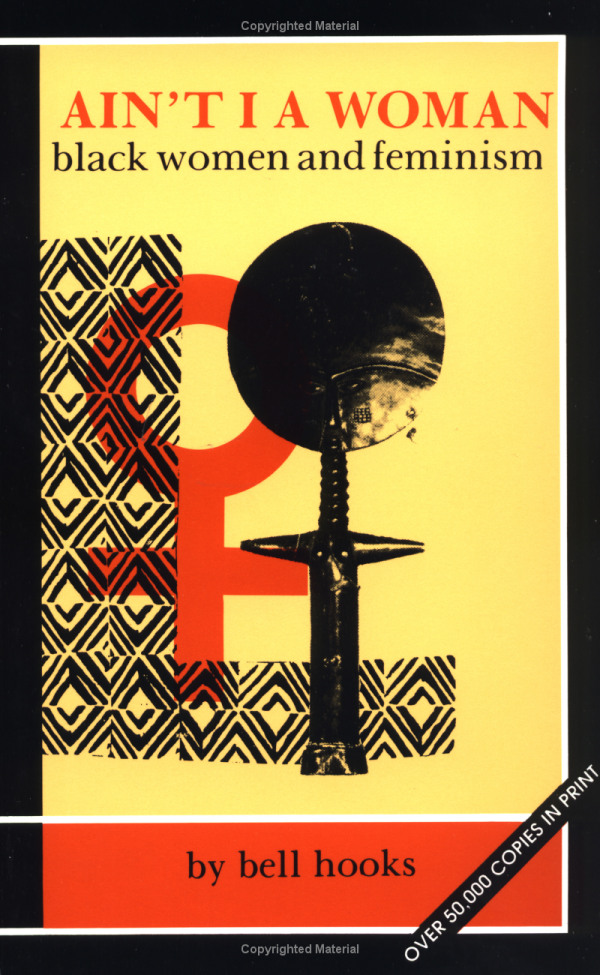
"Ain't I a Woman: Black Women and Feminism" by bell hooks critically examines the historical and ongoing struggles of Black women within both the feminist movement and American society. It exposes how Black women's experiences with sexism and racism were often marginalized or ignored by mainstream feminism, which primarily focused on the concerns of white women. Hooks calls for a more inclusive and intersectional understanding of feminism, one that acknowledges and addresses the unique oppressions faced by Black women.
This book shares thematic ground with "Whores and Other Feminists" by Jill Nagle in its exploration of marginalized voices and the complexities within feminist discourse. Both works challenge conventional feminist narratives, pushing for a broader, more nuanced understanding of female agency and liberation. They each spotlight groups whose experiences have been excluded or misrepresented, urging a re-evaluation of who gets to define "feminism" and what struggles are deemed worthy of attention.
This exploration offers profound insights into the evolution of feminist thought and the necessity of inclusive activism, providing a deeper understanding of the interplay between race, gender, and power. It illuminates how societal structures can compound oppression, fostering a more critical and comprehensive perspective on social justice.
Ain't I a Woman: Black Women and Feminism
"Ain't I a Woman: Black Women and Feminism" by bell hooks critically examines the historical and ongoing struggles of Black women within both the feminist movement and American society. It exposes how Black women's experiences with sexism and racism were often marginalized or ignored by mainstream feminism, which primarily focused on the concerns of white women. Hooks calls for a more inclusive and intersectional understanding of feminism, one that acknowledges and addresses the unique oppressions faced by Black women.
This book shares thematic ground with "Whores and Other Feminists" by Jill Nagle in its exploration of marginalized voices and the complexities within feminist discourse. Both works challenge conventional feminist narratives, pushing for a broader, more nuanced understanding of female agency and liberation. They each spotlight groups whose experiences have been excluded or misrepresented, urging a re-evaluation of who gets to define "feminism" and what struggles are deemed worthy of attention.
This exploration offers profound insights into the evolution of feminist thought and the necessity of inclusive activism, providing a deeper understanding of the interplay between race, gender, and power. It illuminates how societal structures can compound oppression, fostering a more critical and comprehensive perspective on social justice.
More Books to Explore
Discover more titles that expand on these ideas and themes.
Outrageous Acts and Everyday Rebellions
Feminist Theory: From Margin to Center
Who Stole Feminism? How Women Have Betrayed Women
The Beauty Myth
Pornography: Men Possessing Women
Unspeakable Things: Sex, Lies and Revolution