10 Books Similar to "When Things Fall Apart: Heart Advice for Difficult Times"
by Pema Chödrön

Don't Bite the Hook: Finding Freedom from Anger, Resentment, and Other Destructive Emotions

"Don't Bite the Hook" directly addresses the pervasive, often debilitating experience of anger, resentment, and other destructive emotional patterns. Chödrön guides practitioners to recognize the initial spark of these emotions rather than reflexively reacting. The book offers practical strategies rooted in Buddhist principles for cultivating spaciousness around difficult feelings, allowing for conscious engagement instead of impulsive escalation. It's about developing internal resilience and wisdom to disengage from the automatic suffering these emotions generate.
This book resonates deeply with "When Things Fall Apart" by sharing its foundational theme of finding wisdom and opportunity within adversity. Both texts encourage embracing discomfort as a path to profound understanding, rather than resisting or escaping it. They both emphasize cultivating mindfulness and compassion, not just for others, but crucially, for one's own challenging internal states, offering a consistent framework for navigating life's inevitable difficulties with grace.
Its value lies in providing actionable steps for transforming ingrained emotional habits that cause significant personal distress and interpersonal friction. The wisdom offered is not merely theoretical; it's a guide to practical liberation from the cycles of anger and resentment. Anyone grappling with these powerful emotions will find in "Don't Bite the Hook" a compassionate, clear, and ultimately empowering handbook for cultivating inner peace and healthier responses.
Don't Bite the Hook: Finding Freedom from Anger, Resentment, and Other Destructive Emotions
"Don't Bite the Hook" directly addresses the pervasive, often debilitating experience of anger, resentment, and other destructive emotional patterns. Chödrön guides practitioners to recognize the initial spark of these emotions rather than reflexively reacting. The book offers practical strategies rooted in Buddhist principles for cultivating spaciousness around difficult feelings, allowing for conscious engagement instead of impulsive escalation. It's about developing internal resilience and wisdom to disengage from the automatic suffering these emotions generate.
This book resonates deeply with "When Things Fall Apart" by sharing its foundational theme of finding wisdom and opportunity within adversity. Both texts encourage embracing discomfort as a path to profound understanding, rather than resisting or escaping it. They both emphasize cultivating mindfulness and compassion, not just for others, but crucially, for one's own challenging internal states, offering a consistent framework for navigating life's inevitable difficulties with grace.
Its value lies in providing actionable steps for transforming ingrained emotional habits that cause significant personal distress and interpersonal friction. The wisdom offered is not merely theoretical; it's a guide to practical liberation from the cycles of anger and resentment. Anyone grappling with these powerful emotions will find in "Don't Bite the Hook" a compassionate, clear, and ultimately empowering handbook for cultivating inner peace and healthier responses.
How to Practice: The Way to a Meaningful Life

"How to Practice: The Way to a Meaningful Life" distills the Dalai Lama's profound wisdom into actionable steps for cultivating inner peace and compassion. It offers practical guidance on meditation, ethical conduct, and understanding the nature of suffering to foster a more meaningful existence. The book provides a clear framework for integrating Buddhist principles into everyday life, emphasizing universal human values rather than prescriptive religious doctrine.
This book shares a core sensibility with "When Things Fall Apart" by confronting the unavoidable challenges of life head-on. Both authors offer solace and practical strategies for navigating difficult emotions and circumstances not by avoiding them, but by engaging with them mindfully. They emphasize acceptance, self-awareness, and the development of compassion as crucial tools for transforming hardship into an opportunity for growth.
Individuals seeking to cultivate resilience, emotional balance, and a deeper sense of purpose will find this book immensely valuable. It provides concrete, accessible methods for developing qualities like patience, forgiveness, and altruism, enriching one's inner world and relationships. The Dalai Lama's gentle yet authoritative voice inspires a pathway toward greater equanimity and a more compassionate engagement with the world.
How to Practice: The Way to a Meaningful Life
"How to Practice: The Way to a Meaningful Life" distills the Dalai Lama's profound wisdom into actionable steps for cultivating inner peace and compassion. It offers practical guidance on meditation, ethical conduct, and understanding the nature of suffering to foster a more meaningful existence. The book provides a clear framework for integrating Buddhist principles into everyday life, emphasizing universal human values rather than prescriptive religious doctrine.
This book shares a core sensibility with "When Things Fall Apart" by confronting the unavoidable challenges of life head-on. Both authors offer solace and practical strategies for navigating difficult emotions and circumstances not by avoiding them, but by engaging with them mindfully. They emphasize acceptance, self-awareness, and the development of compassion as crucial tools for transforming hardship into an opportunity for growth.
Individuals seeking to cultivate resilience, emotional balance, and a deeper sense of purpose will find this book immensely valuable. It provides concrete, accessible methods for developing qualities like patience, forgiveness, and altruism, enriching one's inner world and relationships. The Dalai Lama's gentle yet authoritative voice inspires a pathway toward greater equanimity and a more compassionate engagement with the world.
Anger: Wisdom for Cooling the Flames
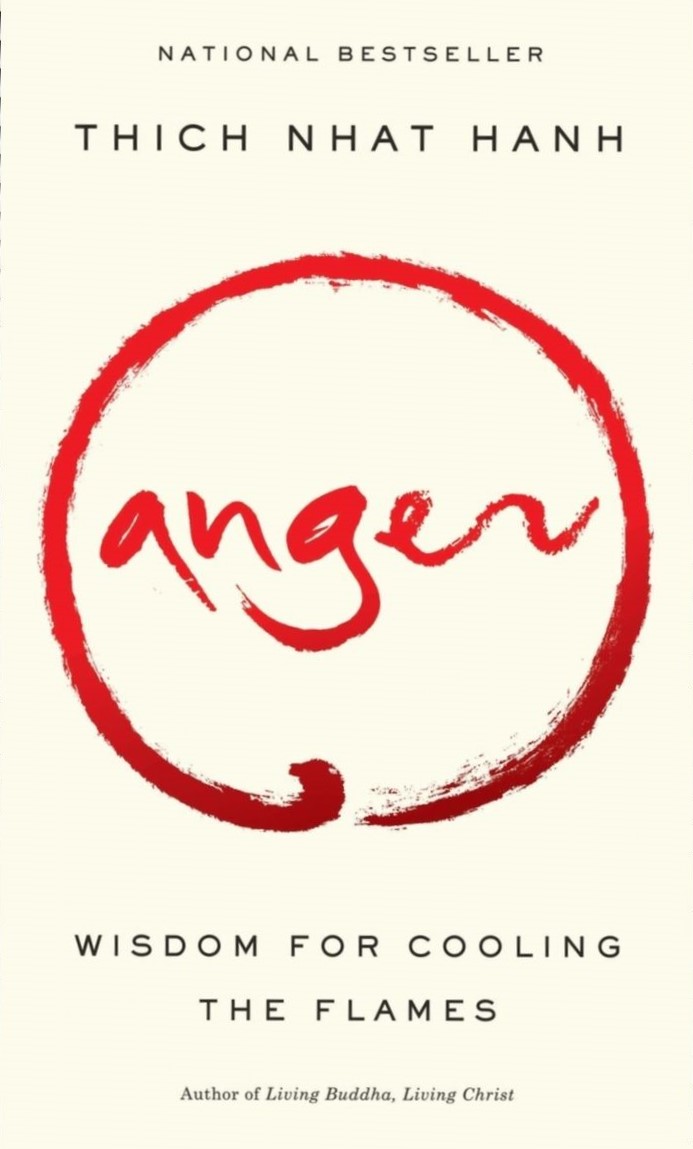
"Anger: Wisdom for Cooling the Flames" offers a profound and practical guide to understanding and transforming the powerful emotion of anger. Thich Nhat Hanh, a renowned Zen master, gently unpacks the roots of anger, distinguishing it from hatred and illustrating how mindfulness practices can cultivate compassion and empathy, ultimately leading to inner peace and healthier relationships. It's a compassionate exploration of how to observe, embrace, and ultimately release the grip of reactive rage.
This book shares significant thematic overlap with "When Things Fall Apart." Both Chödrön and Hanh address the innate human experience of suffering and difficult emotions, providing wisdom rooted in Buddhist principles. While Chödrön offers broader advice for navigating pervasive life challenges and uncertainty, Hanh specifically zeroes in on anger, a particularly destructive and common human experience. Both authors emphasize the importance of mindful awareness, self-compassion, and practical techniques to work with, rather than suppress, uncomfortable feelings.
Anyone seeking a path to greater emotional intelligence and equanimity will find immense value in Hanh's teachings. It provides actionable strategies for managing intense emotions, fostering inner peace, and enhancing interpersonal connections. The book empowers individuals to move beyond reactive patterns, offering a vision of genuine transformation and a more compassionate way of engaging with their inner and outer worlds.
Anger: Wisdom for Cooling the Flames
"Anger: Wisdom for Cooling the Flames" offers a profound and practical guide to understanding and transforming the powerful emotion of anger. Thich Nhat Hanh, a renowned Zen master, gently unpacks the roots of anger, distinguishing it from hatred and illustrating how mindfulness practices can cultivate compassion and empathy, ultimately leading to inner peace and healthier relationships. It's a compassionate exploration of how to observe, embrace, and ultimately release the grip of reactive rage.
This book shares significant thematic overlap with "When Things Fall Apart." Both Chödrön and Hanh address the innate human experience of suffering and difficult emotions, providing wisdom rooted in Buddhist principles. While Chödrön offers broader advice for navigating pervasive life challenges and uncertainty, Hanh specifically zeroes in on anger, a particularly destructive and common human experience. Both authors emphasize the importance of mindful awareness, self-compassion, and practical techniques to work with, rather than suppress, uncomfortable feelings.
Anyone seeking a path to greater emotional intelligence and equanimity will find immense value in Hanh's teachings. It provides actionable strategies for managing intense emotions, fostering inner peace, and enhancing interpersonal connections. The book empowers individuals to move beyond reactive patterns, offering a vision of genuine transformation and a more compassionate way of engaging with their inner and outer worlds.
The Tibetan Book of Living and Dying

"The Tibetan Book of Living and Dying" serves as a comprehensive guide to understanding death and impermanence from a Tibetan Buddhist perspective. It delves into the nature of mind, explains the bardo states (transitional phases after death), and offers practical advice on caring for the dying and preparing for one's own death with wisdom and compassion. The book emphasizes cultivating an awareness of life's fleeting nature to live more fully and meaningfully.
This book shares foundational similarities with Pema Chödrön's "When Things Fall Apart" by confronting the unavoidable realities of suffering, change, and the dissolution of external certainties. Both texts advocate for an open-hearted engagement with difficult experiences rather than resistance, guiding individuals to find ground in inner wisdom when external circumstances crumble. They both champion the transformative power of embracing impermanence for genuine liberation.
The profound insights offered here will resonate deeply with those seeking guidance through life's inevitable challenges, particularly grief, loss, and the fear of death. Its wisdom provides a framework for cultivating equanimity and compassion, not just for oneself but for others, making it an invaluable resource for navigating the human condition with greater understanding and skillful means.
The Tibetan Book of Living and Dying
"The Tibetan Book of Living and Dying" serves as a comprehensive guide to understanding death and impermanence from a Tibetan Buddhist perspective. It delves into the nature of mind, explains the bardo states (transitional phases after death), and offers practical advice on caring for the dying and preparing for one's own death with wisdom and compassion. The book emphasizes cultivating an awareness of life's fleeting nature to live more fully and meaningfully.
This book shares foundational similarities with Pema Chödrön's "When Things Fall Apart" by confronting the unavoidable realities of suffering, change, and the dissolution of external certainties. Both texts advocate for an open-hearted engagement with difficult experiences rather than resistance, guiding individuals to find ground in inner wisdom when external circumstances crumble. They both champion the transformative power of embracing impermanence for genuine liberation.
The profound insights offered here will resonate deeply with those seeking guidance through life's inevitable challenges, particularly grief, loss, and the fear of death. Its wisdom provides a framework for cultivating equanimity and compassion, not just for oneself but for others, making it an invaluable resource for navigating the human condition with greater understanding and skillful means.
Heart Centered Living: Messages Inspired by Christ Consciousness
"Heart Centered Living: Messages Inspired by Christ Consciousness" presents a collection of channeled messages aimed at fostering an inward journey. It encourages individuals to connect with their authentic selves, move beyond egoic patterns, and embrace a life guided by compassion, intuition, and unconditional love. The book emphasizes self-acceptance and the realization of one's inherent spiritual nature.
It shares common ground with "When Things Fall Apart" through its focus on navigating life's challenges from a place of inner strength and wisdom. Both books offer guidance on transforming suffering, understanding the impermanence of existence, and cultivating an open-hearted approach to difficult experiences, rather than resisting them. They advocate for a profound shift in perspective to find peace amidst turmoil.
This book will appeal to those seeking practical spiritual guidance for personal growth and emotional resilience. It offers a framework for developing a more compassionate relationship with oneself and others, and for finding meaning and purpose even when external circumstances are turbulent. The insights provided can lead to a deeper sense of clarity and inner peace.
Heart Centered Living: Messages Inspired by Christ Consciousness
"Heart Centered Living: Messages Inspired by Christ Consciousness" presents a collection of channeled messages aimed at fostering an inward journey. It encourages individuals to connect with their authentic selves, move beyond egoic patterns, and embrace a life guided by compassion, intuition, and unconditional love. The book emphasizes self-acceptance and the realization of one's inherent spiritual nature.
It shares common ground with "When Things Fall Apart" through its focus on navigating life's challenges from a place of inner strength and wisdom. Both books offer guidance on transforming suffering, understanding the impermanence of existence, and cultivating an open-hearted approach to difficult experiences, rather than resisting them. They advocate for a profound shift in perspective to find peace amidst turmoil.
This book will appeal to those seeking practical spiritual guidance for personal growth and emotional resilience. It offers a framework for developing a more compassionate relationship with oneself and others, and for finding meaning and purpose even when external circumstances are turbulent. The insights provided can lead to a deeper sense of clarity and inner peace.
The Buddha Is Still Teaching: Contemporary Buddhist Wisdom
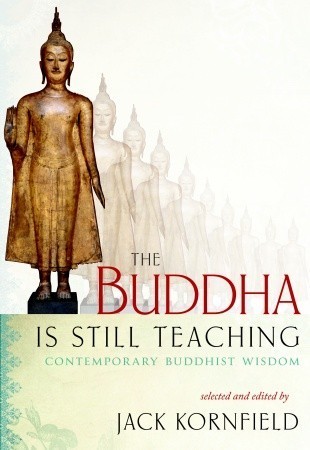
"The Buddha Is Still Teaching: Contemporary Buddhist Wisdom" by Jack Kornfield offers practical insights into applying Buddhist principles to the challenges of modern life. It explores themes of mindfulness, compassion, and resilience, guiding individuals toward a more peaceful and awakened existence through relatable anecdotes and clear explanations of ancient teachings.
This book shares significant common ground with Pema Chödrön’s "When Things Fall Apart" by emphasizing the wisdom found in embracing suffering and impermanence rather than resisting them. Both works provide accessible spiritual guidance for navigating difficult emotions and life transitions, fostering a greater capacity for self-acceptance and inner peace amidst uncertainty.
This work appeals through its grounded approach to spirituality, providing actionable wisdom for everyday struggles. Its value lies in empowering individuals to cultivate greater awareness and equanimity, transforming adversity into opportunities for growth and fostering a deeper connection to themselves and the world around them.
The Buddha Is Still Teaching: Contemporary Buddhist Wisdom
"The Buddha Is Still Teaching: Contemporary Buddhist Wisdom" by Jack Kornfield offers practical insights into applying Buddhist principles to the challenges of modern life. It explores themes of mindfulness, compassion, and resilience, guiding individuals toward a more peaceful and awakened existence through relatable anecdotes and clear explanations of ancient teachings.
This book shares significant common ground with Pema Chödrön’s "When Things Fall Apart" by emphasizing the wisdom found in embracing suffering and impermanence rather than resisting them. Both works provide accessible spiritual guidance for navigating difficult emotions and life transitions, fostering a greater capacity for self-acceptance and inner peace amidst uncertainty.
This work appeals through its grounded approach to spirituality, providing actionable wisdom for everyday struggles. Its value lies in empowering individuals to cultivate greater awareness and equanimity, transforming adversity into opportunities for growth and fostering a deeper connection to themselves and the world around them.
Awakening the Buddha Within: Tibetan Wisdom for the Western World

"Awakening the Buddha Within" by Surya Das offers a comprehensive introduction to Tibetan Buddhist principles and practices, reinterpreted for a Western audience. It demystifies core concepts like impermanence, suffering, and enlightenment, providing practical guidance for cultivating mindfulness, compassion, and inner peace in daily life. The book aims to empower individuals to tap into their innate wisdom and develop a more awakened perspective.
This book shares significant thematic overlap with Pema Chödrön's "When Things Fall Apart." Both explore the transformative potential of adversity, encouraging readers to embrace uncertainty and discomfort as pathways to growth. They both draw heavily on Buddhist wisdom to offer solace and practical strategies for navigating life's challenges, focusing on transforming emotional suffering into opportunities for deeper understanding and resilience.
Individuals seeking pragmatic spiritual guidance will discover immense value in this work. Its approachable explanations of profound Buddhist teachings, coupled with actionable exercises, make it an excellent resource for anyone looking to cultivate greater self-awareness, emotional balance, and a more compassionate engagement with the world, especially during difficult periods.
Awakening the Buddha Within: Tibetan Wisdom for the Western World
"Awakening the Buddha Within" by Surya Das offers a comprehensive introduction to Tibetan Buddhist principles and practices, reinterpreted for a Western audience. It demystifies core concepts like impermanence, suffering, and enlightenment, providing practical guidance for cultivating mindfulness, compassion, and inner peace in daily life. The book aims to empower individuals to tap into their innate wisdom and develop a more awakened perspective.
This book shares significant thematic overlap with Pema Chödrön's "When Things Fall Apart." Both explore the transformative potential of adversity, encouraging readers to embrace uncertainty and discomfort as pathways to growth. They both draw heavily on Buddhist wisdom to offer solace and practical strategies for navigating life's challenges, focusing on transforming emotional suffering into opportunities for deeper understanding and resilience.
Individuals seeking pragmatic spiritual guidance will discover immense value in this work. Its approachable explanations of profound Buddhist teachings, coupled with actionable exercises, make it an excellent resource for anyone looking to cultivate greater self-awareness, emotional balance, and a more compassionate engagement with the world, especially during difficult periods.
The Five Things We Cannot Change: And the Happiness We Find by Embracing Them
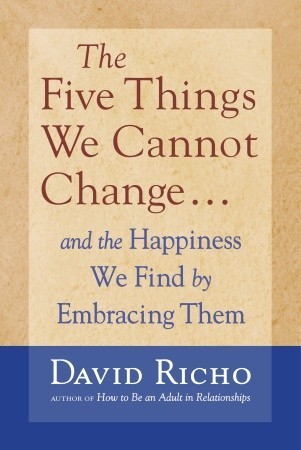
David Richo's "The Five Things We Cannot Change" explores fundamental aspects of life—impermanence, suffering, no control, work, and loss—that are inescapable. He argues that true happiness doesn't come from avoiding these realities, but from accepting and embracing them as integral parts of the human experience. The book offers a practical framework for navigating these challenges with greater wisdom and compassion.
This work resonates strongly with Pema Chödrön's "When Things Fall Apart" due to their shared core message: suffering is an unavoidable part of life, and our ability to find peace and resilience lies not in resisting it, but in developing a more accepting and open-hearted relationship with it. Both authors draw on spiritual wisdom to guide readers toward a more mindful and less reactive approach to difficult circumstances.
Individuals seeking to cultivate inner peace and a more grounded approach to life's inevitable ups and downs will gravitate towards this book. Its straightforward guidance on accepting universal truths provides a powerful antidote to the common tendency to push away discomfort. The insights offered can be genuinely transformative, fostering a deeper sense of presence and self-compassion.
The Five Things We Cannot Change: And the Happiness We Find by Embracing Them
David Richo's "The Five Things We Cannot Change" explores fundamental aspects of life—impermanence, suffering, no control, work, and loss—that are inescapable. He argues that true happiness doesn't come from avoiding these realities, but from accepting and embracing them as integral parts of the human experience. The book offers a practical framework for navigating these challenges with greater wisdom and compassion.
This work resonates strongly with Pema Chödrön's "When Things Fall Apart" due to their shared core message: suffering is an unavoidable part of life, and our ability to find peace and resilience lies not in resisting it, but in developing a more accepting and open-hearted relationship with it. Both authors draw on spiritual wisdom to guide readers toward a more mindful and less reactive approach to difficult circumstances.
Individuals seeking to cultivate inner peace and a more grounded approach to life's inevitable ups and downs will gravitate towards this book. Its straightforward guidance on accepting universal truths provides a powerful antidote to the common tendency to push away discomfort. The insights offered can be genuinely transformative, fostering a deeper sense of presence and self-compassion.
Live in a Better Way: Reflections on Truth, Love, and Happiness
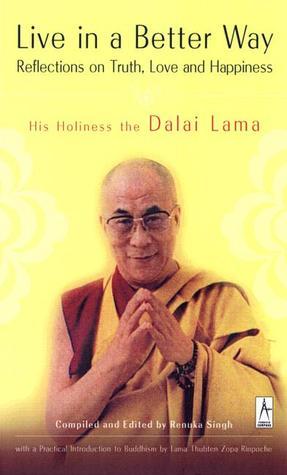
"Live in a Better Way" distills the timeless wisdom of the Dalai Lama, offering pragmatic guidance on cultivating inner peace, compassion, and authentic happiness amidst life's inherent complexities. It explores key Buddhist principles like interdependence and the nature of suffering, translating them into actionable insights for navigating daily challenges and fostering a more meaningful existence, focusing on the cultivation of a compassionate mindset as the path to a better life.
This book shares significant thematic overlap with Pema Chödrön's "When Things Fall Apart." Both works address the inevitability of suffering and impermanence, offering pathways not to escape discomfort, but to engage with it mindfully. They emphasize transforming adversity into opportunities for growth and cultivating inner resilience, drawing from Buddhist philosophical frameworks to offer solace and practical tools for navigating emotional turbulence.
Its profound yet accessible wisdom makes it a valuable resource. It provides a clear framework for understanding and ameliorating personal suffering and promoting a more compassionate engagement with the world. The clear-headed insights offer a path towards greater equanimity and deeper connection, enriching one's personal development and fostering a more balanced perspective on life's inevitable ups and downs.
Live in a Better Way: Reflections on Truth, Love, and Happiness
"Live in a Better Way" distills the timeless wisdom of the Dalai Lama, offering pragmatic guidance on cultivating inner peace, compassion, and authentic happiness amidst life's inherent complexities. It explores key Buddhist principles like interdependence and the nature of suffering, translating them into actionable insights for navigating daily challenges and fostering a more meaningful existence, focusing on the cultivation of a compassionate mindset as the path to a better life.
This book shares significant thematic overlap with Pema Chödrön's "When Things Fall Apart." Both works address the inevitability of suffering and impermanence, offering pathways not to escape discomfort, but to engage with it mindfully. They emphasize transforming adversity into opportunities for growth and cultivating inner resilience, drawing from Buddhist philosophical frameworks to offer solace and practical tools for navigating emotional turbulence.
Its profound yet accessible wisdom makes it a valuable resource. It provides a clear framework for understanding and ameliorating personal suffering and promoting a more compassionate engagement with the world. The clear-headed insights offer a path towards greater equanimity and deeper connection, enriching one's personal development and fostering a more balanced perspective on life's inevitable ups and downs.
The Words of My Perfect Teacher
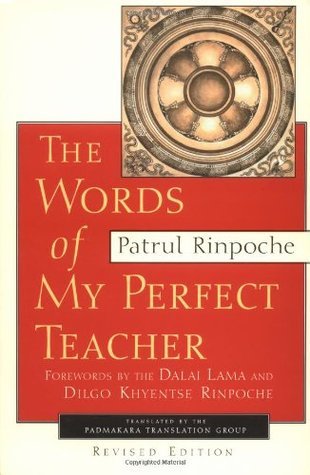
"The Words of My Perfect Teacher" is a comprehensive guide to fundamental Buddhist practices, particularly within the Nyingma tradition. It meticulously outlines the "preliminary practices" (Ngöndro) – foundational exercises designed to purify the mind, accumulate merit, and prepare for deeper meditation and insight. The book unpacks complex philosophical concepts through relatable stories and practical advice, making the spiritual path accessible and understandable.
Like "When Things Fall Apart," this book offers profound wisdom for navigating life's inherent difficulties. Both works emphasize confronting discomfort, cultivating compassion, and understanding impermanence and suffering not as obstacles to be avoided, but as opportunities for growth and awakening. While Chödrön delivers contemporary psychological insights, Rinpoche grounds these principles in ancient, systematic Buddhist methodology, providing a detailed map for spiritual progression.
This text will deeply resonate with individuals seeking a structured and authentic path for spiritual development and emotional resilience. Its timeless teachings on mindfulness, ethical conduct, and the nature of reality provide practical tools for transforming adversity into wisdom, fostering inner peace, and developing genuine altruism. The clear guidance on foundational practices offers a powerful framework for cultivating a more spacious and courageous mind, especially when facing life's inevitable challenges.
The Words of My Perfect Teacher
"The Words of My Perfect Teacher" is a comprehensive guide to fundamental Buddhist practices, particularly within the Nyingma tradition. It meticulously outlines the "preliminary practices" (Ngöndro) – foundational exercises designed to purify the mind, accumulate merit, and prepare for deeper meditation and insight. The book unpacks complex philosophical concepts through relatable stories and practical advice, making the spiritual path accessible and understandable.
Like "When Things Fall Apart," this book offers profound wisdom for navigating life's inherent difficulties. Both works emphasize confronting discomfort, cultivating compassion, and understanding impermanence and suffering not as obstacles to be avoided, but as opportunities for growth and awakening. While Chödrön delivers contemporary psychological insights, Rinpoche grounds these principles in ancient, systematic Buddhist methodology, providing a detailed map for spiritual progression.
This text will deeply resonate with individuals seeking a structured and authentic path for spiritual development and emotional resilience. Its timeless teachings on mindfulness, ethical conduct, and the nature of reality provide practical tools for transforming adversity into wisdom, fostering inner peace, and developing genuine altruism. The clear guidance on foundational practices offers a powerful framework for cultivating a more spacious and courageous mind, especially when facing life's inevitable challenges.
More Books to Explore
Discover more titles that expand on these ideas and themes.
Don't Bite the Hook: Finding Freedom from Anger, Resentment, and Other Destructive Emotions
How to Practice: The Way to a Meaningful Life
Anger: Wisdom for Cooling the Flames
The Tibetan Book of Living and Dying
Heart Centered Living: Messages Inspired by Christ Consciousness
The Buddha Is Still Teaching: Contemporary Buddhist Wisdom