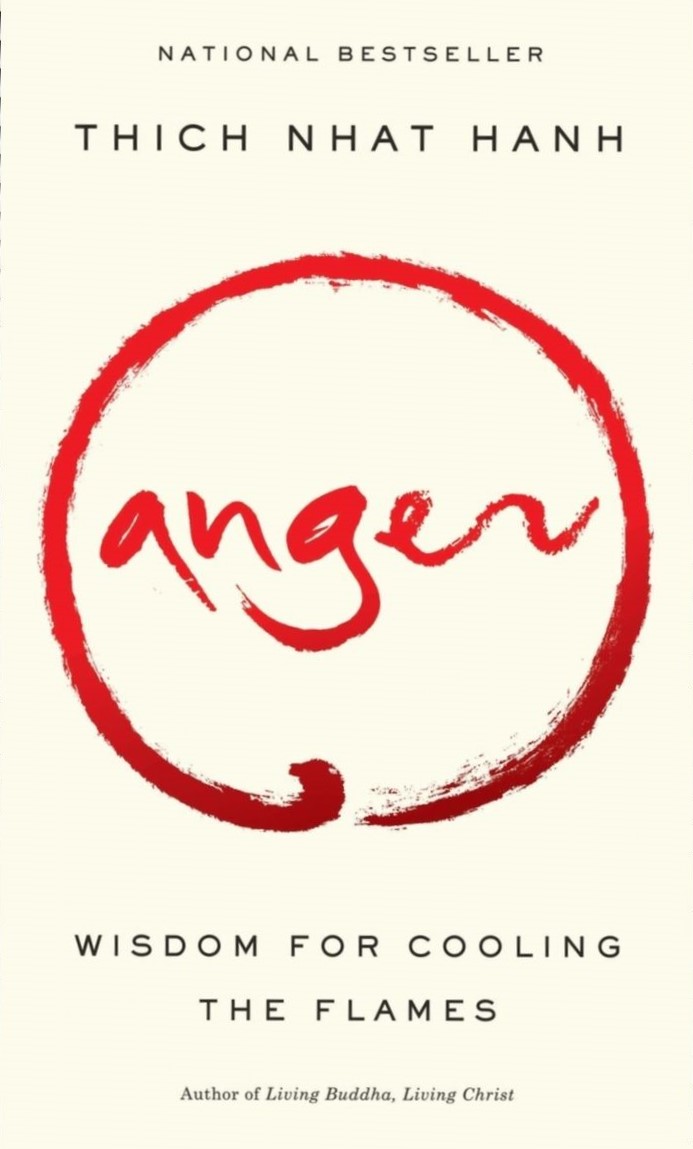
Anger: Wisdom for Cooling the Flames
Book Description
Anger can be a raging storm, destroying everything in its wake. But what if that same fire could illuminate a path to understanding and compassion? In "Anger: Wisdom for Cooling the Flames," Thich Nhat Hanh masterfully guides through the tumultuous landscape of our emotions, revealing powerful strategies to transform anger into insight. With deep wisdom and practical exercises, this book is a lifeline for anyone trapped in the cycle of wrath. Imagine harnessing the power of your feelings, not letting them control you. Are you ready to turn your fiery response into a profound moment of clarity?
Quick Book Summary
In "Anger: Wisdom for Cooling the Flames," Thich Nhat Hanh explores the overwhelming emotion of anger and offers a path to transform its destructive energy into compassion and understanding. Through the teachings of mindfulness and deep listening, he explains how acknowledging and embracing anger—rather than suppressing or ignoring it—can illuminate our core wounds and unmet needs. The book provides practical exercises grounded in Buddhist philosophy, such as conscious breathing, meditation, and mindful communication. With gentle wisdom, Thich Nhat Hanh invites readers to view anger not as an enemy, but as a guide that can help us understand ourselves and foster positive change in our relationships and communities. This book is both a spiritual manual and a practical guide for turning moments of fury into opportunities for healing.



Summary of Key Ideas
Table of Contents
Mindful Awareness and Embracing Emotions
Thich Nhat Hanh opens with the foundational practice of mindful awareness—learning to recognize and embrace anger as it arises. Instead of denying or fighting this emotion, he urges adopting an attitude of gentle curiosity. Observing our feelings without judgment creates space for self-understanding and interrupts the cycle of automatic reactivity. Through mindfulness, we see that anger is often just the visible tip of deeper pain, fear, or unmet needs.
Transforming Anger Through Compassion
The next major theme is the power of compassion in transforming anger. Thich Nhat Hanh emphasizes that anger is not inherently negative; it holds energy that, if understood and redirected, can foster growth and healing. Compassion toward oneself—acknowledging our distress and treating it with kindness—enables us to care for our own suffering. Efforts are then expanded outward, as we learn to see the suffering in others who may have provoked our anger, opening a path to forgiveness and empathy.
Communication and Deep Listening
Communication is presented as a vital tool for diffusing anger in relationships. Thich Nhat Hanh introduces the concept of deep listening and loving speech, practices which help us express emotions honestly while maintaining respect for others. By communicating from a place of mindful presence rather than emotional reactivity, we break the cycle of blame and retaliation and instead foster genuine understanding and connection. This not only cools the flames of anger but also strengthens the bonds between individuals.
Healing and Reconciliation in Relationships
Healing and reconciliation take center stage as the book guides readers through the process of making peace with difficult emotions and repairing relationships. Thich Nhat Hanh outlines methods such as mindful dialogues, mutual recognition of suffering, and the practice of offering apologies with sincerity. He stresses that healing is possible both within oneself and with others, leading to deeper harmony in families and communities.
Practical Techniques for Emotional Regulation
Throughout the book, practical techniques are interwoven, encouraging the reader to integrate mindfulness into daily life. These include conscious breathing, walking meditation, and guided reflections for interrupting explosive outbursts. Thich Nhat Hanh provides step-by-step exercises for recognizing the onset of anger, pausing to reflect, and responding thoughtfully. The focus remains on cultivating presence and self-mastery, empowering readers to use anger as a catalyst for insight, compassion, and lasting change.
Download This Summary
Get a free PDF of this summary instantly — no email required.