10 Books Similar to "Two Treatises of Government"
by John Locke

Second Treatise of Government
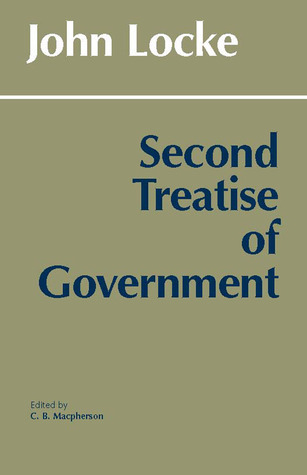
The "Second Treatise of Government" systematically outlines John Locke's influential philosophy on civil government. At its core, it argues for individual natural rights to life, liberty, and property, asserting that government legitimacy derives from the consent of the governed. It posits a social contract where people transfer some rights to a government, which, in turn, is obligated to protect those natural rights. Should the government fail to do so, citizens retain the right to resist or overthrow it, emphasizing the concept of popular sovereignty and limited government.
This work is similar to "Two Treatises of Government" because it *is* the second treatise within that larger two-part publication. While the "First Treatise" diligently dismantles Robert Filmer's defense of absolute monarchy based on divine right, the "Second Treatise" then constructs Locke's alternative vision of legitimate political authority from the ground up, making them intrinsically linked and complementary pieces addressing different aspects of the same overarching philosophical project.
It will appeal to those interested in the foundations of democratic thought, individual liberties, and the nature of political power. Its arguments profoundly shaped subsequent political revolutions and constitutional documents, offering enduring insights into governmental structure, citizen rights, and the conditions under which governance can be considered just. Its historical significance and enduring relevance make it an invaluable study for understanding modern liberal democracies.
Second Treatise of Government
The "Second Treatise of Government" systematically outlines John Locke's influential philosophy on civil government. At its core, it argues for individual natural rights to life, liberty, and property, asserting that government legitimacy derives from the consent of the governed. It posits a social contract where people transfer some rights to a government, which, in turn, is obligated to protect those natural rights. Should the government fail to do so, citizens retain the right to resist or overthrow it, emphasizing the concept of popular sovereignty and limited government.
This work is similar to "Two Treatises of Government" because it *is* the second treatise within that larger two-part publication. While the "First Treatise" diligently dismantles Robert Filmer's defense of absolute monarchy based on divine right, the "Second Treatise" then constructs Locke's alternative vision of legitimate political authority from the ground up, making them intrinsically linked and complementary pieces addressing different aspects of the same overarching philosophical project.
It will appeal to those interested in the foundations of democratic thought, individual liberties, and the nature of political power. Its arguments profoundly shaped subsequent political revolutions and constitutional documents, offering enduring insights into governmental structure, citizen rights, and the conditions under which governance can be considered just. Its historical significance and enduring relevance make it an invaluable study for understanding modern liberal democracies.
The Social Contract
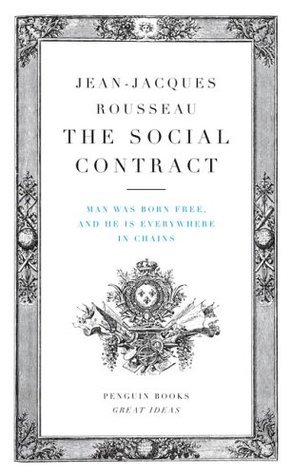
Jean-Jacques Rousseau's *The Social Contract* explores the concept of legitimate political authority, arguing that true government arises from the consent of the governed. He posits that individuals surrender some natural freedoms to a collective "general will" to gain civil liberty and protection, emphasizing popular sovereignty and the idea that laws should reflect the common good, not individual whims or the interests of a select few.
This work resonates with Locke's *Two Treatises of Government* through their shared emphasis on consent as the foundation of legitimate government and the rejection of absolute monarchy. Both thinkers lay groundwork for modern democratic theory, asserting that governmental power ultimately derives from the people and is subject to their oversight, with citizens retaining inherent rights that even the state cannot legitimately infringe upon.
This book offers profound insights into the origins and purpose of political society, stimulating thought on individual rights, collective responsibility, and the ideal structure of governance. It provides a foundational text for understanding liberal democratic principles and will be appreciated for its rigorous argument and enduring relevance to contemporary debates about freedom, authority, and the nature of the state.
The Social Contract
Jean-Jacques Rousseau's *The Social Contract* explores the concept of legitimate political authority, arguing that true government arises from the consent of the governed. He posits that individuals surrender some natural freedoms to a collective "general will" to gain civil liberty and protection, emphasizing popular sovereignty and the idea that laws should reflect the common good, not individual whims or the interests of a select few.
This work resonates with Locke's *Two Treatises of Government* through their shared emphasis on consent as the foundation of legitimate government and the rejection of absolute monarchy. Both thinkers lay groundwork for modern democratic theory, asserting that governmental power ultimately derives from the people and is subject to their oversight, with citizens retaining inherent rights that even the state cannot legitimately infringe upon.
This book offers profound insights into the origins and purpose of political society, stimulating thought on individual rights, collective responsibility, and the ideal structure of governance. It provides a foundational text for understanding liberal democratic principles and will be appreciated for its rigorous argument and enduring relevance to contemporary debates about freedom, authority, and the nature of the state.
Leviathan

Hobbes's *Leviathan* argues that people, driven by self-interest and fear in a "state of nature," necessitate a powerful, absolute sovereign to maintain peace and order. Without such a governing authority, life would be "solitary, poor, nasty, brutish, and short." This social contract, once entered, cannot be broken, as the sovereign's authority prevents the chaos of individual freedom.
Both *Leviathan* and Locke's *Two Treatises of Government* are foundational texts exploring the origins and legitimate scope of government. They grapple with the "state of nature," the concept of a social contract, and the fundamental rights and responsibilities of individuals and the state. Both offer comprehensive philosophical frameworks for political organization.
This work offers profound insights into the justifications for political authority and the trade-offs between individual liberty and collective security. Its rigorous arguments provide a crucial historical perspective on enduring questions about power, governance, and human nature, enriching anyone's understanding of political philosophy and societal structures.
Leviathan
Hobbes's *Leviathan* argues that people, driven by self-interest and fear in a "state of nature," necessitate a powerful, absolute sovereign to maintain peace and order. Without such a governing authority, life would be "solitary, poor, nasty, brutish, and short." This social contract, once entered, cannot be broken, as the sovereign's authority prevents the chaos of individual freedom.
Both *Leviathan* and Locke's *Two Treatises of Government* are foundational texts exploring the origins and legitimate scope of government. They grapple with the "state of nature," the concept of a social contract, and the fundamental rights and responsibilities of individuals and the state. Both offer comprehensive philosophical frameworks for political organization.
This work offers profound insights into the justifications for political authority and the trade-offs between individual liberty and collective security. Its rigorous arguments provide a crucial historical perspective on enduring questions about power, governance, and human nature, enriching anyone's understanding of political philosophy and societal structures.
On Liberty and Other Essays

"On Liberty and Other Essays" critically examines the boundaries of individual freedom in relation to society and the state. Mill argues for the utmost personal liberty, provided it doesn't harm others, and delves into the importance of free speech, diversity of thought, and limitations on governmental and societal power over an individual's self-development.
Both works fundamentally explore the legitimate scope of government authority and the inherent rights of individuals. Locke’s "Two Treatises" lays foundational arguments for consent of the governed and natural rights, while Mill builds on these concepts, extending the discourse to the nuances of social control and individual autonomy within a developed liberal society, grappling with where state power should cede to personal conviction.
This collection offers profound insights into enduring questions about freedom, governance, and the individual's place in society. Its exploration of intellectual and personal independence, even dissenting views, remains highly relevant, providing a robust framework for understanding contemporary debates on civil liberties, free expression, and the responsibilities inherent in a just society. Its arguments are invaluable for anyone seeking a deeper understanding of liberal political thought.
On Liberty and Other Essays
"On Liberty and Other Essays" critically examines the boundaries of individual freedom in relation to society and the state. Mill argues for the utmost personal liberty, provided it doesn't harm others, and delves into the importance of free speech, diversity of thought, and limitations on governmental and societal power over an individual's self-development.
Both works fundamentally explore the legitimate scope of government authority and the inherent rights of individuals. Locke’s "Two Treatises" lays foundational arguments for consent of the governed and natural rights, while Mill builds on these concepts, extending the discourse to the nuances of social control and individual autonomy within a developed liberal society, grappling with where state power should cede to personal conviction.
This collection offers profound insights into enduring questions about freedom, governance, and the individual's place in society. Its exploration of intellectual and personal independence, even dissenting views, remains highly relevant, providing a robust framework for understanding contemporary debates on civil liberties, free expression, and the responsibilities inherent in a just society. Its arguments are invaluable for anyone seeking a deeper understanding of liberal political thought.
A Treatise of Human Nature

David Hume's "A Treatise of Human Nature" is a comprehensive philosophical investigation into the foundations of human understanding, passion, and morality. It meticulously dissects the mechanisms of the mind, arguing that all knowledge originates from sensory experience and examining how beliefs, emotions, and ethical judgments are formed. Hume challenges traditional notions of causation, personal identity, and objective moral truths, emphasizing the role of custom and sentiment in shaping human thought and behavior.
The similarity to Locke’s "Two Treatises of Government" lies in their shared Enlightenment-era pursuit of rational inquiry into fundamental aspects of human existence and social organization. Both works represent foundational texts in Western philosophy, seeking to dismantle established dogmas and construct explanations based on reason and experience. While Locke focuses on political philosophy and the origins of government, Hume delves into the very nature of the human beings who form and are governed by such structures. Both thinkers are empiricists, grounding their arguments in experience rather than innate ideas or divine revelation.
This work appeals to those interested in the origins of modern philosophy, psychology, and ethics. It offers profound insights into human nature that remain relevant for understanding contemporary thought on consciousness, morality, and even artificial intelligence. Engaging with Hume's arguments cultivates critical thinking and offers a historical perspective on how our understanding of ourselves has evolved, making it an invaluable resource for students and scholars of philosophy, psychology, and anyone curious about the deepest questions concerning human experience.
A Treatise of Human Nature
David Hume's "A Treatise of Human Nature" is a comprehensive philosophical investigation into the foundations of human understanding, passion, and morality. It meticulously dissects the mechanisms of the mind, arguing that all knowledge originates from sensory experience and examining how beliefs, emotions, and ethical judgments are formed. Hume challenges traditional notions of causation, personal identity, and objective moral truths, emphasizing the role of custom and sentiment in shaping human thought and behavior.
The similarity to Locke’s "Two Treatises of Government" lies in their shared Enlightenment-era pursuit of rational inquiry into fundamental aspects of human existence and social organization. Both works represent foundational texts in Western philosophy, seeking to dismantle established dogmas and construct explanations based on reason and experience. While Locke focuses on political philosophy and the origins of government, Hume delves into the very nature of the human beings who form and are governed by such structures. Both thinkers are empiricists, grounding their arguments in experience rather than innate ideas or divine revelation.
This work appeals to those interested in the origins of modern philosophy, psychology, and ethics. It offers profound insights into human nature that remain relevant for understanding contemporary thought on consciousness, morality, and even artificial intelligence. Engaging with Hume's arguments cultivates critical thinking and offers a historical perspective on how our understanding of ourselves has evolved, making it an invaluable resource for students and scholars of philosophy, psychology, and anyone curious about the deepest questions concerning human experience.
On Liberty

"On Liberty" boldly defends individual freedom against both governmental overreach and the tyranny of social opinion. Mill argues that competent adults should be free to pursue their own interests and beliefs as long as they do not harm others. He champions freedom of thought and expression as essential for truth and societal progress, emphasizing that conformity stifles innovation and critical thinking.
This seminal work echoes themes in Locke's "Two Treatises" by fundamentally asserting the sanctity of individual rights and limiting the legitimate power of the state. Both texts grapple with the balance between individual liberty and societal order, questioning the extent to which authority can justly interfere with personal choices. They share a foundational commitment to governmental accountability and the inherent dignity of the individual.
This book offers profound insights into the enduring struggles for individual autonomy and intellectual freedom. It provides a robust framework for understanding the ethical boundaries of power and the importance of diverse perspectives in a healthy society. Engaging with Mill's arguments encourages critical reflection on contemporary debates concerning free speech, personal choice, and the role of collective influence.
On Liberty
"On Liberty" boldly defends individual freedom against both governmental overreach and the tyranny of social opinion. Mill argues that competent adults should be free to pursue their own interests and beliefs as long as they do not harm others. He champions freedom of thought and expression as essential for truth and societal progress, emphasizing that conformity stifles innovation and critical thinking.
This seminal work echoes themes in Locke's "Two Treatises" by fundamentally asserting the sanctity of individual rights and limiting the legitimate power of the state. Both texts grapple with the balance between individual liberty and societal order, questioning the extent to which authority can justly interfere with personal choices. They share a foundational commitment to governmental accountability and the inherent dignity of the individual.
This book offers profound insights into the enduring struggles for individual autonomy and intellectual freedom. It provides a robust framework for understanding the ethical boundaries of power and the importance of diverse perspectives in a healthy society. Engaging with Mill's arguments encourages critical reflection on contemporary debates concerning free speech, personal choice, and the role of collective influence.
Discourse on Method and Meditations on First Philosophy

Descartes' "Discourse on Method and Meditations on First Philosophy" chronicles his radical quest for certain knowledge, systematically doubting all prior beliefs to rebuild truth from an undeniable foundation: his own existence as a thinking being. This process leads him to establish criteria for clear and distinct ideas, ultimately proving God's existence and the distinction between mind and body.
Both works are foundational texts of the Enlightenment, exploring the origins of legitimate authority and knowledge. Locke systematically deconstructs divine right monarchy and builds a case for government by consent, much as Descartes dismantles traditional epistemology to construct a new method for acquiring knowledge. They share a revolutionary spirit concerning established norms and a commitment to rational inquiry as the basis for understanding the world and human society.
The depth of intellectual rigor and the enduring questions both books pose – about the nature of truth, the source of authority, and the fundamental principles governing human interaction – make them profoundly engaging. They offer a masterclass in critical thinking and lay the groundwork for modern philosophy and political thought, providing insightful perspectives that continue to resonate in contemporary discussions about governance, individual rights, and the pursuit of knowledge.
Discourse on Method and Meditations on First Philosophy
Descartes' "Discourse on Method and Meditations on First Philosophy" chronicles his radical quest for certain knowledge, systematically doubting all prior beliefs to rebuild truth from an undeniable foundation: his own existence as a thinking being. This process leads him to establish criteria for clear and distinct ideas, ultimately proving God's existence and the distinction between mind and body.
Both works are foundational texts of the Enlightenment, exploring the origins of legitimate authority and knowledge. Locke systematically deconstructs divine right monarchy and builds a case for government by consent, much as Descartes dismantles traditional epistemology to construct a new method for acquiring knowledge. They share a revolutionary spirit concerning established norms and a commitment to rational inquiry as the basis for understanding the world and human society.
The depth of intellectual rigor and the enduring questions both books pose – about the nature of truth, the source of authority, and the fundamental principles governing human interaction – make them profoundly engaging. They offer a masterclass in critical thinking and lay the groundwork for modern philosophy and political thought, providing insightful perspectives that continue to resonate in contemporary discussions about governance, individual rights, and the pursuit of knowledge.
Rights of Man

Thomas Paine's "Rights of Man" passionately champions the inherent rights of individuals and argues for a government founded on popular sovereignty rather than hereditary rule. Paine dissects the French Revolution, defending its principles against Edmund Burke's criticisms and advocating for republican ideals, individual freedom, and social welfare programs. He envisions a society where government serves the people, ensuring their liberty and prosperity.
"Rights of Man" echoes Locke's "Two Treatises of Government" in its foundational premise of natural rights and its rejection of absolute power. Both works assert that legitimate government derives its authority from the consent of the governed, not divine right or tradition. Locke's concept of a social contract, where individuals cede some rights for the protection of others, finds a clear resonance in Paine's arguments for a government accountable to its citizens.
This book offers a compelling exploration of individual liberty and governmental legitimacy, themes perennially relevant. Its eloquent defense of human rights and its critique of oppressive regimes resonate deeply, providing a historical lens on enduring political questions. Engaging with Paine's arguments empowers one to better understand the bedrock principles of modern democratic thought and the ongoing struggle for justice and equality.
Rights of Man
Thomas Paine's "Rights of Man" passionately champions the inherent rights of individuals and argues for a government founded on popular sovereignty rather than hereditary rule. Paine dissects the French Revolution, defending its principles against Edmund Burke's criticisms and advocating for republican ideals, individual freedom, and social welfare programs. He envisions a society where government serves the people, ensuring their liberty and prosperity.
"Rights of Man" echoes Locke's "Two Treatises of Government" in its foundational premise of natural rights and its rejection of absolute power. Both works assert that legitimate government derives its authority from the consent of the governed, not divine right or tradition. Locke's concept of a social contract, where individuals cede some rights for the protection of others, finds a clear resonance in Paine's arguments for a government accountable to its citizens.
This book offers a compelling exploration of individual liberty and governmental legitimacy, themes perennially relevant. Its eloquent defense of human rights and its critique of oppressive regimes resonate deeply, providing a historical lens on enduring political questions. Engaging with Paine's arguments empowers one to better understand the bedrock principles of modern democratic thought and the ongoing struggle for justice and equality.
Discourse on the Origin of Inequality

Rousseau's "Discourse on the Origin of Inequality" explores the fundamental questions of human nature and societal development. It posits that humans in a natural state were free, self-sufficient, and relatively peaceful, and that most forms of inequality we observe are not natural but rather a product of civilization, private property, and the formation of complex social structures. Rousseau critically examines how these developments led to competition, corruption, and the loss of individual liberty.
The "Discourse" shares a common intellectual ground with Locke's "Two Treatises of Government" by delving into the foundational principles of political society and individual rights. Both works are seminal texts in political philosophy, challenging existing notions of power and societal order by examining the origins of government, the natural state of humanity, and the legitimacy of authority. They both seek to understand the social contract and the proper relationship between the governed and the governing.
This examination of human nature, societal evolution, and the very concept of justice offers profound insights into contemporary political and social issues. Its historical influence on democratic thought and revolutionary movements is undeniable, making it essential reading for anyone seeking to understand the philosophical underpinnings of modern society and the ongoing debates about equality, freedom, and governance.
Discourse on the Origin of Inequality
Rousseau's "Discourse on the Origin of Inequality" explores the fundamental questions of human nature and societal development. It posits that humans in a natural state were free, self-sufficient, and relatively peaceful, and that most forms of inequality we observe are not natural but rather a product of civilization, private property, and the formation of complex social structures. Rousseau critically examines how these developments led to competition, corruption, and the loss of individual liberty.
The "Discourse" shares a common intellectual ground with Locke's "Two Treatises of Government" by delving into the foundational principles of political society and individual rights. Both works are seminal texts in political philosophy, challenging existing notions of power and societal order by examining the origins of government, the natural state of humanity, and the legitimacy of authority. They both seek to understand the social contract and the proper relationship between the governed and the governing.
This examination of human nature, societal evolution, and the very concept of justice offers profound insights into contemporary political and social issues. Its historical influence on democratic thought and revolutionary movements is undeniable, making it essential reading for anyone seeking to understand the philosophical underpinnings of modern society and the ongoing debates about equality, freedom, and governance.
Discourse on Method
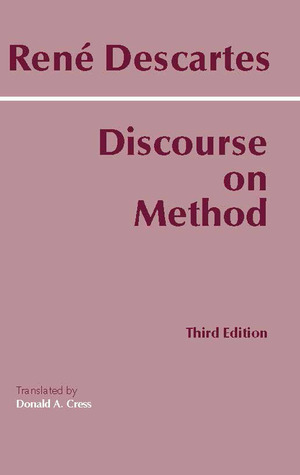
Descartes' "Discourse on Method" is a foundational philosophical work outlining his groundbreaking approach to knowledge and truth. He articulates a systematic doubt, rejecting all beliefs not absolutely certain, and builds anew from the primary certainty of his own existence as a thinking being ("Cogito, ergo sum"). It's a personal intellectual journey, offering a new method for scientific and philosophical inquiry.
Both works are seminal texts of the Enlightenment, advocating for rational inquiry and challenging established authority. While Locke dismantles the divine right of kings to construct a theory of legitimate government based on consent, Descartes similarly dismantles scholastic traditions to build knowledge purely on reason. Both thinkers championed individual reason as the ultimate arbiter of truth, whether in politics or epistemology.
This book offers a powerful blueprint for critical thinking and independent reasoning. It demonstrates the process of intellectual self-emancipation, encouraging a rigorous and skeptical approach to understanding the world. Its enduring legacy lies in its invitation to readers to question assumptions and seek personal certainty, making it an invaluable guide for navigating complex ideas.
Discourse on Method
Descartes' "Discourse on Method" is a foundational philosophical work outlining his groundbreaking approach to knowledge and truth. He articulates a systematic doubt, rejecting all beliefs not absolutely certain, and builds anew from the primary certainty of his own existence as a thinking being ("Cogito, ergo sum"). It's a personal intellectual journey, offering a new method for scientific and philosophical inquiry.
Both works are seminal texts of the Enlightenment, advocating for rational inquiry and challenging established authority. While Locke dismantles the divine right of kings to construct a theory of legitimate government based on consent, Descartes similarly dismantles scholastic traditions to build knowledge purely on reason. Both thinkers championed individual reason as the ultimate arbiter of truth, whether in politics or epistemology.
This book offers a powerful blueprint for critical thinking and independent reasoning. It demonstrates the process of intellectual self-emancipation, encouraging a rigorous and skeptical approach to understanding the world. Its enduring legacy lies in its invitation to readers to question assumptions and seek personal certainty, making it an invaluable guide for navigating complex ideas.
More Books to Explore
Discover more titles that expand on these ideas and themes.
Second Treatise of Government
The Social Contract
Leviathan
On Liberty and Other Essays
A Treatise of Human Nature
On Liberty