10 Books Similar to "The Social Animal: The Hidden Sources of Love, Character, and Achievement"
by David Brooks

How to Know a Person: The Art of Seeing Others Deeply and Being Deeply Seen

"How to Know a Person: The Art of Seeing Others Deeply and Being Deeply Seen" delves into the crucial skill of truly understanding other individuals, moving beyond surface-level interactions to foster genuine connection. It explores practical approaches, drawing on psychology, philosophy, and personal anecdotes, to cultivate empathy, active listening, and the ability to interpret non-verbal cues, ultimately aiming for more profound and meaningful relationships.
This book shares thematic DNA with "The Social Animal" as both works by Brooks meticulously examine the intricate dynamics of human connection and the foundational elements shaping our social identities. While "The Social Animal" explored the interplay of conscious and unconscious forces in shaping life trajectories, "How to Know a Person" offers a more granular, actionable guide to navigating interpersonal relationships with greater insight and intention, a practical application of the broader social observations from the earlier work.
This work will resonate with anyone seeking to deepen their interpersonal skills, whether in personal relationships, professional environments, or civic engagement. It offers a powerful framework for enhancing emotional intelligence and building more robust communities, providing tools for both understanding others and, by extension, better understanding oneself. Its insights are invaluable for fostering a more empathetic and connected society.
How to Know a Person: The Art of Seeing Others Deeply and Being Deeply Seen
"How to Know a Person: The Art of Seeing Others Deeply and Being Deeply Seen" delves into the crucial skill of truly understanding other individuals, moving beyond surface-level interactions to foster genuine connection. It explores practical approaches, drawing on psychology, philosophy, and personal anecdotes, to cultivate empathy, active listening, and the ability to interpret non-verbal cues, ultimately aiming for more profound and meaningful relationships.
This book shares thematic DNA with "The Social Animal" as both works by Brooks meticulously examine the intricate dynamics of human connection and the foundational elements shaping our social identities. While "The Social Animal" explored the interplay of conscious and unconscious forces in shaping life trajectories, "How to Know a Person" offers a more granular, actionable guide to navigating interpersonal relationships with greater insight and intention, a practical application of the broader social observations from the earlier work.
This work will resonate with anyone seeking to deepen their interpersonal skills, whether in personal relationships, professional environments, or civic engagement. It offers a powerful framework for enhancing emotional intelligence and building more robust communities, providing tools for both understanding others and, by extension, better understanding oneself. Its insights are invaluable for fostering a more empathetic and connected society.
The Social Animal
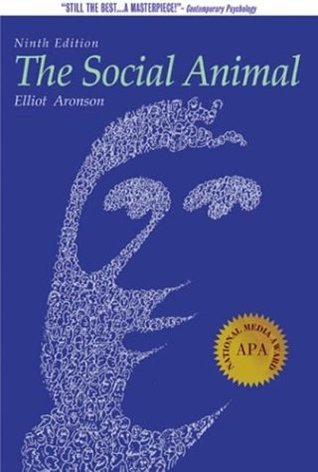
Elliot Aronson's "The Social Animal" delves into the intricate world of social psychology, exploring how fundamental human needs drive our thoughts, feelings, and behaviors within groups. It examines classic experiments and theories to illuminate phenomena like conformity, prejudice, attraction, and aggression, offering profound insights into the human condition and our interactions with one another.
This book shares a foundational interest with David Brooks' "The Social Animal" in understanding the complex interplay between individual psychology and societal influences. Both titles, despite their different authors and focuses (sociology vs. social psychology), ultimately aim to uncover the deeply ingrained, often unconscious, factors that shape who we are and how we navigate the social world. They each explore the "hidden sources" of our actions, albeit through different academic lenses.
Those interested in understanding the fundamental drivers behind human behavior, group dynamics, and how society molds the individual will find this book immensely compelling. Its clear explanations of complex psychological principles and classic research make it an accessible yet rigorous exploration of why we act the way we do, providing a richer perspective on personal relationships and societal structures.
The Social Animal
Elliot Aronson's "The Social Animal" delves into the intricate world of social psychology, exploring how fundamental human needs drive our thoughts, feelings, and behaviors within groups. It examines classic experiments and theories to illuminate phenomena like conformity, prejudice, attraction, and aggression, offering profound insights into the human condition and our interactions with one another.
This book shares a foundational interest with David Brooks' "The Social Animal" in understanding the complex interplay between individual psychology and societal influences. Both titles, despite their different authors and focuses (sociology vs. social psychology), ultimately aim to uncover the deeply ingrained, often unconscious, factors that shape who we are and how we navigate the social world. They each explore the "hidden sources" of our actions, albeit through different academic lenses.
Those interested in understanding the fundamental drivers behind human behavior, group dynamics, and how society molds the individual will find this book immensely compelling. Its clear explanations of complex psychological principles and classic research make it an accessible yet rigorous exploration of why we act the way we do, providing a richer perspective on personal relationships and societal structures.
The Road to Character

"The Road to Character" delves into the concept of "eulogy virtues" – the deeper, more profound qualities we hope to be remembered for, like courage, honesty, and integrity. Brooks argues that modern society often prioritizes "resume virtues" – skills and achievements that lead to external success – at the expense of these fundamental character traits. The book encourages a journey of self-reflection and moral cultivation, exploring how individuals throughout history have wrestled with their imperfections and built meaningful lives.
This work resonates strongly with "The Social Animal" because both books explore the multifaceted nature of human development and the often-unseen forces shaping our lives. While "The Social Animal" examines the subconscious influences on love, relationships, and achievement through a sociological and psychological lens, "The Road to Character" focuses squarely on the cultivation of inner moral strength and ethical decision-making. Both emphasize that true fulfillment stems from deeper wellsprings than superficial accomplishments.
The book will appeal to those seeking a richer understanding of personal ethics and the pursuit of a meaningful life beyond material success. It offers valuable insights into historical figures who exemplified profound character, providing models for introspection and moral growth. It’s a book for anyone grappling with the challenge of living a life of purpose and enduring virtue in a complex world.
The Road to Character
"The Road to Character" delves into the concept of "eulogy virtues" – the deeper, more profound qualities we hope to be remembered for, like courage, honesty, and integrity. Brooks argues that modern society often prioritizes "resume virtues" – skills and achievements that lead to external success – at the expense of these fundamental character traits. The book encourages a journey of self-reflection and moral cultivation, exploring how individuals throughout history have wrestled with their imperfections and built meaningful lives.
This work resonates strongly with "The Social Animal" because both books explore the multifaceted nature of human development and the often-unseen forces shaping our lives. While "The Social Animal" examines the subconscious influences on love, relationships, and achievement through a sociological and psychological lens, "The Road to Character" focuses squarely on the cultivation of inner moral strength and ethical decision-making. Both emphasize that true fulfillment stems from deeper wellsprings than superficial accomplishments.
The book will appeal to those seeking a richer understanding of personal ethics and the pursuit of a meaningful life beyond material success. It offers valuable insights into historical figures who exemplified profound character, providing models for introspection and moral growth. It’s a book for anyone grappling with the challenge of living a life of purpose and enduring virtue in a complex world.
Social Intelligence: The New Science of Human Relationships

Daniel Goleman's "Social Intelligence" explores the profound impact of our social connections on our brains and bodies. It argues that our interactions with others directly shape our neural pathways and emotional well-being, revealing how our social experiences are deeply intertwined with our individual identity and health. The book delves into the unconscious, often invisible, ways we communicate and influence each other, highlighting the biological underpinnings of connection.
This book resonates strongly with David Brooks' "The Social Animal" because both works champion the idea that humans are fundamentally social creatures, shaped more by relationships and emotional intelligence than by pure rationality. Both authors emphasize the non-cognitive aspects of human experience – the empathy, instinct, and subconscious cues – that drive our decisions, define our character, and determine our success in life, whether professional or personal.
Individuals seeking a deeper understanding of human behavior and the intricate dance of social interaction will find this book highly illuminating. It provides a scientific framework for comprehending why our relationships matter so profoundly and how we can cultivate more fulfilling and effective connections. Its insights offer practical value for improving communication, leadership, and personal well-being by acknowledging and harnessing the power of our inherent social nature.
Social Intelligence: The New Science of Human Relationships
Daniel Goleman's "Social Intelligence" explores the profound impact of our social connections on our brains and bodies. It argues that our interactions with others directly shape our neural pathways and emotional well-being, revealing how our social experiences are deeply intertwined with our individual identity and health. The book delves into the unconscious, often invisible, ways we communicate and influence each other, highlighting the biological underpinnings of connection.
This book resonates strongly with David Brooks' "The Social Animal" because both works champion the idea that humans are fundamentally social creatures, shaped more by relationships and emotional intelligence than by pure rationality. Both authors emphasize the non-cognitive aspects of human experience – the empathy, instinct, and subconscious cues – that drive our decisions, define our character, and determine our success in life, whether professional or personal.
Individuals seeking a deeper understanding of human behavior and the intricate dance of social interaction will find this book highly illuminating. It provides a scientific framework for comprehending why our relationships matter so profoundly and how we can cultivate more fulfilling and effective connections. Its insights offer practical value for improving communication, leadership, and personal well-being by acknowledging and harnessing the power of our inherent social nature.
Behave: The Biology of Humans at Our Best and Worst
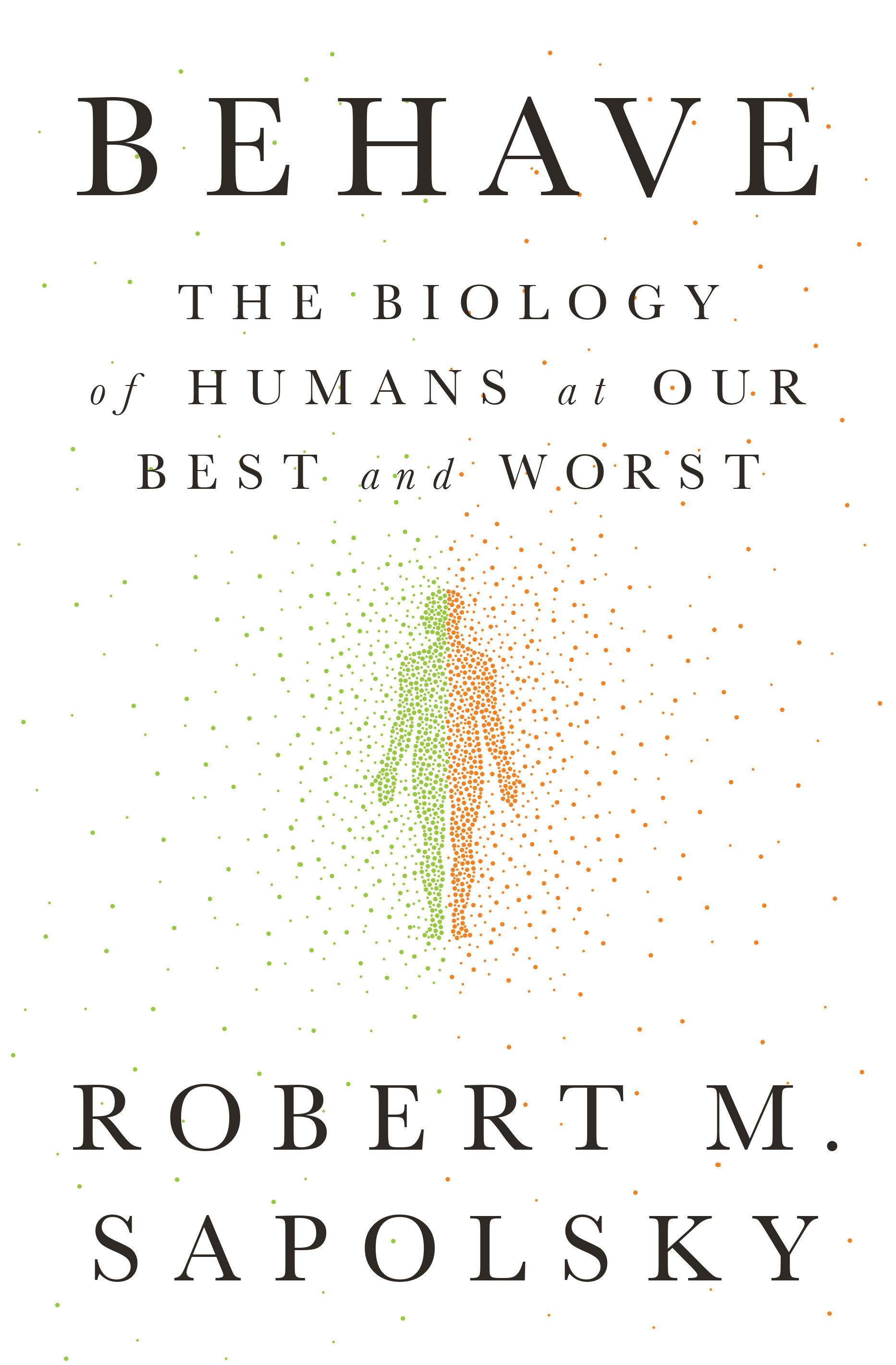
"Behave" meticulously explores the biological underpinnings of human behavior, unraveling what makes us act the way we do, from our best altruistic moments to our worst violent impulses. Sapolsky traces behavior back through seconds, minutes, days, and even millennia, examining neurological processes, hormonal influences, childhood experiences, and evolutionary pressures.
The book shares common ground with "The Social Animal" by delving into the complex interplay of internal and external factors that shape human nature. Both authors probe the hidden forces — whether biological or sociological — that govern our choices, relationships, and societal structures, aiming to provide a deeper understanding of human flourishing and dysfunction.
This work offers profound insights into the mechanisms driving empathy, aggression, decision-making, and moral reasoning. It equips individuals with a more nuanced perspective on human actions, fostering greater understanding and potentially informing solutions to complex societal challenges.
Behave: The Biology of Humans at Our Best and Worst
"Behave" meticulously explores the biological underpinnings of human behavior, unraveling what makes us act the way we do, from our best altruistic moments to our worst violent impulses. Sapolsky traces behavior back through seconds, minutes, days, and even millennia, examining neurological processes, hormonal influences, childhood experiences, and evolutionary pressures.
The book shares common ground with "The Social Animal" by delving into the complex interplay of internal and external factors that shape human nature. Both authors probe the hidden forces — whether biological or sociological — that govern our choices, relationships, and societal structures, aiming to provide a deeper understanding of human flourishing and dysfunction.
This work offers profound insights into the mechanisms driving empathy, aggression, decision-making, and moral reasoning. It equips individuals with a more nuanced perspective on human actions, fostering greater understanding and potentially informing solutions to complex societal challenges.
A Social Ontology
"A Social Ontology" by David Weissman delves into the fundamental nature of social reality, exploring how social structures, norms, and institutions come into being and persist. It examines the building blocks of our collective existence, from individual intentions to shared understandings, and how these elements coalesce to form the complex social world we inhabit.
This philosophical inquiry shares a thematic resonance with Brooks' "The Social Animal" through their mutual exploration of humanity's inherently social nature. Both authors investigate the profound, often invisible, ways our social environment shapes individual character, choices, and ultimately, our lives. While Brooks focuses on the psychological and neurological underpinnings, Weissman provides a rigorous metaphysical framework for understanding these social forces.
Anyone seeking a deeper understanding of the societal forces that shape human experience will find this book intellectually stimulating and profoundly insightful. It offers a systematic way to think about the origins and mechanisms of social phenomena, enriching one's perspective on human behavior, cultural evolution, and the very fabric of society.
A Social Ontology
"A Social Ontology" by David Weissman delves into the fundamental nature of social reality, exploring how social structures, norms, and institutions come into being and persist. It examines the building blocks of our collective existence, from individual intentions to shared understandings, and how these elements coalesce to form the complex social world we inhabit.
This philosophical inquiry shares a thematic resonance with Brooks' "The Social Animal" through their mutual exploration of humanity's inherently social nature. Both authors investigate the profound, often invisible, ways our social environment shapes individual character, choices, and ultimately, our lives. While Brooks focuses on the psychological and neurological underpinnings, Weissman provides a rigorous metaphysical framework for understanding these social forces.
Anyone seeking a deeper understanding of the societal forces that shape human experience will find this book intellectually stimulating and profoundly insightful. It offers a systematic way to think about the origins and mechanisms of social phenomena, enriching one's perspective on human behavior, cultural evolution, and the very fabric of society.
Community: The Structure of Belonging
*Community: The Structure of Belonging* explores how we can intentionally create and sustain authentic communities, moving beyond superficial interactions to foster genuine connection and shared purpose. Block emphasizes that true community emerges from a commitment to deeper conversations, shared accountability, and a collective sense of ownership, transforming how we work and live together.
This book aligns with *The Social Animal* by dissecting the fundamental human need for belonging and connection, and how these relationships shape our lives. Both authors delve into the underlying social structures that influence individual character and collective achievement, albeit through slightly different lenses—Brooks from an evolutionary and psychological perspective, and Block from an organizational and civic one.
This book will appeal to those seeking a practical framework for building more meaningful connections in their personal and professional lives. It offers actionable insights for fostering strong, resilient groups, demonstrating how to move from mere coexistence to truly collaborative and supportive environments. Its value lies in providing a roadmap for cultivating vibrant communities.
Community: The Structure of Belonging
*Community: The Structure of Belonging* explores how we can intentionally create and sustain authentic communities, moving beyond superficial interactions to foster genuine connection and shared purpose. Block emphasizes that true community emerges from a commitment to deeper conversations, shared accountability, and a collective sense of ownership, transforming how we work and live together.
This book aligns with *The Social Animal* by dissecting the fundamental human need for belonging and connection, and how these relationships shape our lives. Both authors delve into the underlying social structures that influence individual character and collective achievement, albeit through slightly different lenses—Brooks from an evolutionary and psychological perspective, and Block from an organizational and civic one.
This book will appeal to those seeking a practical framework for building more meaningful connections in their personal and professional lives. It offers actionable insights for fostering strong, resilient groups, demonstrating how to move from mere coexistence to truly collaborative and supportive environments. Its value lies in providing a roadmap for cultivating vibrant communities.
Connect: 12 Vital Ties That Open Your Heart, Lengthen Your Life, and Deepen Your Soul
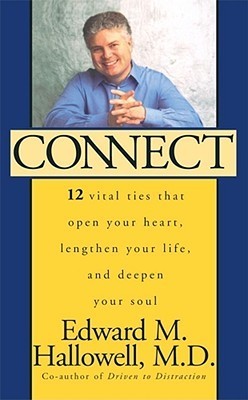
"Connect" explores the fundamental human need for connection, identifying twelve distinct "ties" that enrich our lives. Hallowell argues that our physical and mental well-being are deeply intertwined with the quality and quantity of our relationships, from self-connection to community engagement. He offers practical strategies to cultivate these ties, leading to greater happiness, resilience, and a sense of purpose.
This work resonates with "The Social Animal" by emphasizing the profound impact of social interactions and relationships on individual development and societal flourishing. Both books delve into the often-unseen forces that shape our identities, choices, and overall well-being, moving beyond purely individualistic perspectives to highlight the critical role of our social fabric.
The book offers a compelling roadmap for navigating an increasingly disconnected world. It provides actionable insights for strengthening personal bonds and fostering a more meaningful existence, appealing to anyone seeking to deepen their relationships, enhance their emotional and physical health, and cultivate a richer sense of belonging.
Connect: 12 Vital Ties That Open Your Heart, Lengthen Your Life, and Deepen Your Soul
"Connect" explores the fundamental human need for connection, identifying twelve distinct "ties" that enrich our lives. Hallowell argues that our physical and mental well-being are deeply intertwined with the quality and quantity of our relationships, from self-connection to community engagement. He offers practical strategies to cultivate these ties, leading to greater happiness, resilience, and a sense of purpose.
This work resonates with "The Social Animal" by emphasizing the profound impact of social interactions and relationships on individual development and societal flourishing. Both books delve into the often-unseen forces that shape our identities, choices, and overall well-being, moving beyond purely individualistic perspectives to highlight the critical role of our social fabric.
The book offers a compelling roadmap for navigating an increasingly disconnected world. It provides actionable insights for strengthening personal bonds and fostering a more meaningful existence, appealing to anyone seeking to deepen their relationships, enhance their emotional and physical health, and cultivate a richer sense of belonging.
The Happiness Hypothesis: Finding Modern Truth in Ancient Wisdom
"The Happiness Hypothesis" by Jonathan Haidt explores ten "Great Ideas" about happiness and meaning gleaned from ancient philosophers and religious traditions. Haidt then analyzes these timeless concepts through the lens of modern psychological research, neuroscience, and evolutionary biology. He seeks to bridge the gap between ancient wisdom and contemporary science, offering a nuanced understanding of human nature and well-being.
This book shares significant common ground with Brooks' "The Social Animal" by delving into the non-rational, intuitive aspects of human behavior and their profound influence on our lives. Both authors emphasize that our emotional and subconscious processes often supersede pure logic in shaping our character, relationships, and pursuit of fulfillment, moving beyond simplistic views of rationality.
The insights offered in "The Happiness Hypothesis" will appeal to individuals seeking a deeper understanding of human psychology and the age-old quest for a meaningful life. It provides practical frameworks for self-reflection and personal growth, offering well-supported perspectives on how to navigate modern challenges by drawing upon enduring truths.
The Happiness Hypothesis: Finding Modern Truth in Ancient Wisdom
"The Happiness Hypothesis" by Jonathan Haidt explores ten "Great Ideas" about happiness and meaning gleaned from ancient philosophers and religious traditions. Haidt then analyzes these timeless concepts through the lens of modern psychological research, neuroscience, and evolutionary biology. He seeks to bridge the gap between ancient wisdom and contemporary science, offering a nuanced understanding of human nature and well-being.
This book shares significant common ground with Brooks' "The Social Animal" by delving into the non-rational, intuitive aspects of human behavior and their profound influence on our lives. Both authors emphasize that our emotional and subconscious processes often supersede pure logic in shaping our character, relationships, and pursuit of fulfillment, moving beyond simplistic views of rationality.
The insights offered in "The Happiness Hypothesis" will appeal to individuals seeking a deeper understanding of human psychology and the age-old quest for a meaningful life. It provides practical frameworks for self-reflection and personal growth, offering well-supported perspectives on how to navigate modern challenges by drawing upon enduring truths.
Knowing People: The Personal Use of Social Psychology
"Knowing People: The Personal Use of Social Psychology" distills complex social psychology research into practical insights for everyday life. It explores how cognitive biases, group dynamics, and societal influences shape our perceptions, decisions, and relationships, offering a toolkit for understanding ourselves and others more deeply.
Both books delve into the invisible forces that govern human behavior and social interaction. Like "The Social Animal," Lovaglia's work unpacks the underlying drivers of character, connection, and success, moving beyond superficial explanations to reveal the profound impact of social science principles on personal development and societal structures.
This book will appeal to individuals seeking to elevate their emotional intelligence and interpersonal skills. It offers tangible ways to navigate social situations more effectively, build stronger connections, and make more informed choices, providing a valuable framework for anyone interested in applying psychological understanding to real-world challenges.
Knowing People: The Personal Use of Social Psychology
"Knowing People: The Personal Use of Social Psychology" distills complex social psychology research into practical insights for everyday life. It explores how cognitive biases, group dynamics, and societal influences shape our perceptions, decisions, and relationships, offering a toolkit for understanding ourselves and others more deeply.
Both books delve into the invisible forces that govern human behavior and social interaction. Like "The Social Animal," Lovaglia's work unpacks the underlying drivers of character, connection, and success, moving beyond superficial explanations to reveal the profound impact of social science principles on personal development and societal structures.
This book will appeal to individuals seeking to elevate their emotional intelligence and interpersonal skills. It offers tangible ways to navigate social situations more effectively, build stronger connections, and make more informed choices, providing a valuable framework for anyone interested in applying psychological understanding to real-world challenges.
More Books to Explore
Discover more titles that expand on these ideas and themes.
How to Know a Person: The Art of Seeing Others Deeply and Being Deeply Seen
The Social Animal
The Road to Character
Social Intelligence: The New Science of Human Relationships
Behave: The Biology of Humans at Our Best and Worst
A Social Ontology