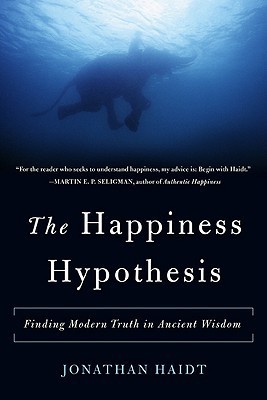
The Happiness Hypothesis: Finding Modern Truth in Ancient Wisdom
Book Description
What if the keys to happiness have been hidden in the wisdom of ancient philosophers? In "The Happiness Hypothesis," Jonathan Haidt embarks on an exhilarating journey, merging modern psychology with timeless insights from history’s greatest thinkers. Exploring the intricate dance between our emotions, rational mind, and the world around us, he reveals powerful truths that can transform lives. From the paradoxes of pleasure to the strength found in adversity, every page unveils a new layer of understanding about the pursuit of joy. Can the wisdom of the past illuminate a brighter path to happiness in today’s chaotic world?
Quick Book Summary
In "The Happiness Hypothesis," psychologist Jonathan Haidt examines ancient philosophical ideas through the lens of modern scientific research, uncovering enduring truths about human happiness. By weaving together wisdom from thinkers like Buddha, Plato, and Confucius with contemporary psychological findings, Haidt explores the relationship between our intuitive emotions and rational thoughts. He introduces the metaphor of the mind as a rider (reason) on an elephant (emotion), underscoring how both parts must work in harmony for well-being. The book delves into topics such as the paradox of seeking pleasure, the redemptive power of adversity, and the significance of love and purpose. Ultimately, Haidt demonstrates that fulfillment is possible when we balance internal and external circumstances, draw on ancient insights, and cultivate virtue and connection in a modern world.



Summary of Key Ideas
Table of Contents
The Interplay of Emotion and Reason
Jonathan Haidt anchors his exploration of happiness in the metaphor of the rider and the elephant: the rational mind as the rider and our intuitive, emotional side as the elephant. Ancient wisdom and modern psychology agree that these two parts often struggle but must ultimately coexist harmoniously for true well-being. Haidt explains that much of our behavior is driven by the elephant, making lasting change challenging without addressing our unconscious motivations. Self-knowledge, meditation, and self-reflection can help align the rider and elephant, fostering greater behavioral control and peace.
The Pursuit and Paradox of Happiness
Haidt examines the paradoxical nature of happiness: the more directly we pursue pleasure, the more fleeting it becomes. Drawing from ancient philosophies such as Stoicism and Buddhist thought, he illustrates how people overestimate the impact of external events—both positive and negative—on lasting happiness. Techniques like gratitude, savoring, and reappraising negative experiences can improve our satisfaction. Haidt also highlights the importance of having a sense of purpose, which often transcends the simple pursuit of pleasure and instead provides more enduring fulfillment.
Growth Through Adversity
One of the book's central themes is the growth that emerges from adversity. Haidt synthesizes psychological studies with ancient stories of post-traumatic growth, emphasizing how overcoming challenges can yield deeper strengths, wisdom, and happiness. He explains that strategies such as narrative reconstruction—reframing personal hardships into meaningful stories—enable people to harness suffering for personal development. This is echoed in religious and philosophical traditions, which teach that suffering is a fundamental, if painful, part of the human experience that can ultimately be transformative.
The Importance of Relationships and Purpose
Relationships, community, and connection form another pillar of happiness. Haidt shows that close bonds, whether familial, romantic, or communal, are consistently linked to well-being across cultures and eras. Love and trust foster cooperation, meaning, and a sense of belonging. He stresses the role of reciprocity, kindness, and moral behavior—values championed by historical figures from Confucius to Jesus—in building thriving relationships and societies. These connections create a supportive context for facing life's uncertainties.
Finding Balance Between Ancient Wisdom and Modern Science
Concluding, Haidt argues that the richest path to happiness emerges from balancing ancient wisdom with scientific knowledge. While genetics set a baseline for happiness, personal agency and cultural influences offer room for improvement. Haidt encourages readers to integrate practices such as meditation, gratitude, and moral striving into their lives. By blending the best of philosophy, science, and practical exercises, individuals can cultivate enduring happiness in a modern, complex world.
Download This Summary
Get a free PDF of this summary instantly — no email required.