10 Books Similar to "The Silent Language"
by Edward T. Hall

The Dance of Life: The Other Dimension of Time

"The Dance of Life: The Other Dimension of Time" delves into the intricate concept of polychronic and monochronic time, exploring how cultures perceive and utilize time differently beyond the mere ticking of clocks. Hall elucidates how these differing temporal frameworks profoundly influence communication, social interaction, and organizational structures, fundamentally shaping human experience. He goes beyond a linear understanding, revealing time as a dynamic, culturally constructed phenomenon that orchestrates daily life.
This book resonates strongly with "The Silent Language" because both works dissect the hidden codes that govern human interaction. Just as "The Silent Language" unpacks non-verbal communication, "The Dance of Life" unravels the unspoken rules and assumptions surrounding time. Both are foundational texts in proxemics and chronemics, highlighting the often-unconscious cultural programming that dictates behavior and understanding across societies.
Individuals seeking a deeper understanding of cultural nuances and the invisible forces shaping human behavior will find this valuable. Its insights are particularly beneficial for anyone engaged in international business, cross-cultural communication, or simply interested in how different societies organize and experience reality. It offers a powerful lens through which to interpret seemingly disparate behaviors and fosters greater empathy and effectiveness in diverse settings.
The Dance of Life: The Other Dimension of Time
"The Dance of Life: The Other Dimension of Time" delves into the intricate concept of polychronic and monochronic time, exploring how cultures perceive and utilize time differently beyond the mere ticking of clocks. Hall elucidates how these differing temporal frameworks profoundly influence communication, social interaction, and organizational structures, fundamentally shaping human experience. He goes beyond a linear understanding, revealing time as a dynamic, culturally constructed phenomenon that orchestrates daily life.
This book resonates strongly with "The Silent Language" because both works dissect the hidden codes that govern human interaction. Just as "The Silent Language" unpacks non-verbal communication, "The Dance of Life" unravels the unspoken rules and assumptions surrounding time. Both are foundational texts in proxemics and chronemics, highlighting the often-unconscious cultural programming that dictates behavior and understanding across societies.
Individuals seeking a deeper understanding of cultural nuances and the invisible forces shaping human behavior will find this valuable. Its insights are particularly beneficial for anyone engaged in international business, cross-cultural communication, or simply interested in how different societies organize and experience reality. It offers a powerful lens through which to interpret seemingly disparate behaviors and fosters greater empathy and effectiveness in diverse settings.
Construing Experience Through Meaning: A Language-Based Approach to Cognition (Open Linguistics
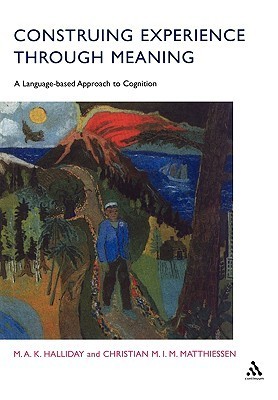
"Construing Experience Through Meaning" delves into how language isn't just a communication tool, but fundamental to how we understand and organize our reality. It argues that the grammatical and lexical choices we make reflect and simultaneously shape our cognitive processes, demonstrating how meaning is actively constructed through linguistic structures rather than passively received. It's a deep exploration of the symbiotic relationship between language and thought.
Both books explore the profound, often unconscious, ways in which systems of communication shape human experience. While "The Silent Language" focuses on non-verbal cues and cultural context as carriers of meaning, "Construing Experience Through Meaning" examines the explicit structures of spoken and written language as the primary architects of our perception and interpretation of the world. Both reveal hidden layers of communication that profoundly influence our understanding.
This book offers a compelling framework for anyone interested in the foundational underpinnings of human understanding and interaction. Its insights provide a powerful lens through which to analyze rhetoric, intercultural communication, and even personal cognitive biases, enriching one's ability to critically engage with information and better comprehend the intricate mechanisms of meaning-making.
Construing Experience Through Meaning: A Language-Based Approach to Cognition (Open Linguistics
"Construing Experience Through Meaning" delves into how language isn't just a communication tool, but fundamental to how we understand and organize our reality. It argues that the grammatical and lexical choices we make reflect and simultaneously shape our cognitive processes, demonstrating how meaning is actively constructed through linguistic structures rather than passively received. It's a deep exploration of the symbiotic relationship between language and thought.
Both books explore the profound, often unconscious, ways in which systems of communication shape human experience. While "The Silent Language" focuses on non-verbal cues and cultural context as carriers of meaning, "Construing Experience Through Meaning" examines the explicit structures of spoken and written language as the primary architects of our perception and interpretation of the world. Both reveal hidden layers of communication that profoundly influence our understanding.
This book offers a compelling framework for anyone interested in the foundational underpinnings of human understanding and interaction. Its insights provide a powerful lens through which to analyze rhetoric, intercultural communication, and even personal cognitive biases, enriching one's ability to critically engage with information and better comprehend the intricate mechanisms of meaning-making.
The Definitive Book of Body Language

"The Definitive Book of Body Language" by Allan Pease offers a comprehensive, accessible guide to understanding nonverbal communication. It meticulously details how gestures, postures, facial expressions, and spatial relationships convey meaning, often unconsciously, providing practical insights into interpreting and utilizing these signals in various social and professional contexts.
This book shares significant thematic overlap with Edward T. Hall's "The Silent Language" in its fundamental exploration of unspoken communication. Both works emphasize the profound impact of nonverbal cues on human interaction, asserting that a significant portion of our daily dialogue occurs outside of spoken words, and that understanding these undercurrents is crucial for effective communication.
Anyone interested in improving their interpersonal skills, deciphering subtle social cues, or enhancing their professional presence will find this book immensely appealing and valuable. Its clear explanations and practical applications empower individuals to navigate social dynamics with greater awareness and efficacy, fostering better understanding and more successful interactions.
The Definitive Book of Body Language
"The Definitive Book of Body Language" by Allan Pease offers a comprehensive, accessible guide to understanding nonverbal communication. It meticulously details how gestures, postures, facial expressions, and spatial relationships convey meaning, often unconsciously, providing practical insights into interpreting and utilizing these signals in various social and professional contexts.
This book shares significant thematic overlap with Edward T. Hall's "The Silent Language" in its fundamental exploration of unspoken communication. Both works emphasize the profound impact of nonverbal cues on human interaction, asserting that a significant portion of our daily dialogue occurs outside of spoken words, and that understanding these undercurrents is crucial for effective communication.
Anyone interested in improving their interpersonal skills, deciphering subtle social cues, or enhancing their professional presence will find this book immensely appealing and valuable. Its clear explanations and practical applications empower individuals to navigate social dynamics with greater awareness and efficacy, fostering better understanding and more successful interactions.
Talk, Talk, Talk: An Investigation into the Mystery of Speech
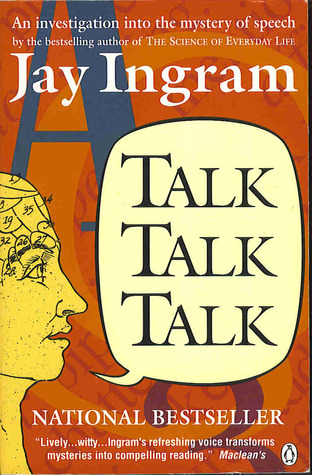
"Talk, Talk, Talk" by Jay Ingram delves into the intricate origins and multifaceted nature of human speech. It explores how we learned to speak, the biological and evolutionary underpinnings of language, and the remarkable cognitive processes that enable our complex verbal communication. Ingram dissects everything from phonetics and grammar to the social and cultural roles of speech, making the science accessible and engaging.
This book resonates with "The Silent Language" by Edward T. Hall in its focus on the non-explicit layers of human communication and its cultural implications. While Hall examines nonverbal cues, Ingram investigates the very foundation of verbal language, exposing its hidden structures and often unconscious mechanisms, much like Hall reveals the unspoken rules governing proxemics and chronemics. Both authors illuminate the profound, often unexamined, ways we interact and interpret the world through communication.
The book offers a fascinating journey into one of humanity's most defining characteristics. Its comprehensive yet approachable exploration of speech provides deep insights into human behavior, culture, and cognition. Anyone curious about the "hows" and "whys" of language will gain a richer understanding of their own interactions and the fundamental role speech plays in shaping our reality.
Talk, Talk, Talk: An Investigation into the Mystery of Speech
"Talk, Talk, Talk" by Jay Ingram delves into the intricate origins and multifaceted nature of human speech. It explores how we learned to speak, the biological and evolutionary underpinnings of language, and the remarkable cognitive processes that enable our complex verbal communication. Ingram dissects everything from phonetics and grammar to the social and cultural roles of speech, making the science accessible and engaging.
This book resonates with "The Silent Language" by Edward T. Hall in its focus on the non-explicit layers of human communication and its cultural implications. While Hall examines nonverbal cues, Ingram investigates the very foundation of verbal language, exposing its hidden structures and often unconscious mechanisms, much like Hall reveals the unspoken rules governing proxemics and chronemics. Both authors illuminate the profound, often unexamined, ways we interact and interpret the world through communication.
The book offers a fascinating journey into one of humanity's most defining characteristics. Its comprehensive yet approachable exploration of speech provides deep insights into human behavior, culture, and cognition. Anyone curious about the "hows" and "whys" of language will gain a richer understanding of their own interactions and the fundamental role speech plays in shaping our reality.
Body Language: How to Read Others' Thoughts by Their Gestures

"Body Language: How to Read Others' Thoughts by Their Gestures" offers a practical guide to understanding nonverbal communication. It breaks down various gestures, postures, facial expressions, and movements, explaining what they often signify about a person's feelings, intentions, and thoughts. The book provides easily digestible categories of nonverbal cues and offers advice on interpreting them in various social and professional contexts.
This book resonates strongly with "The Silent Language" because both delve into the profound impact of nonverbal communication on human interaction. While Hall established the foundational concept of culture's influence on communication beyond words, Pease provides a more accessible, practical lexicon for interpreting those very silent cues. Both emphasize that much of what we communicate happens unconsciously, through signals rather than speech.
The straightforward presentation of observable behaviors and their typical meanings makes the book highly appealing. Its value lies in empowering individuals to become more astute observers, improving their ability to navigate social dynamics, enhance personal relationships, and build better professional connections by understanding the unspoken messages around them.
Body Language: How to Read Others' Thoughts by Their Gestures
"Body Language: How to Read Others' Thoughts by Their Gestures" offers a practical guide to understanding nonverbal communication. It breaks down various gestures, postures, facial expressions, and movements, explaining what they often signify about a person's feelings, intentions, and thoughts. The book provides easily digestible categories of nonverbal cues and offers advice on interpreting them in various social and professional contexts.
This book resonates strongly with "The Silent Language" because both delve into the profound impact of nonverbal communication on human interaction. While Hall established the foundational concept of culture's influence on communication beyond words, Pease provides a more accessible, practical lexicon for interpreting those very silent cues. Both emphasize that much of what we communicate happens unconsciously, through signals rather than speech.
The straightforward presentation of observable behaviors and their typical meanings makes the book highly appealing. Its value lies in empowering individuals to become more astute observers, improving their ability to navigate social dynamics, enhance personal relationships, and build better professional connections by understanding the unspoken messages around them.
The Social Animal
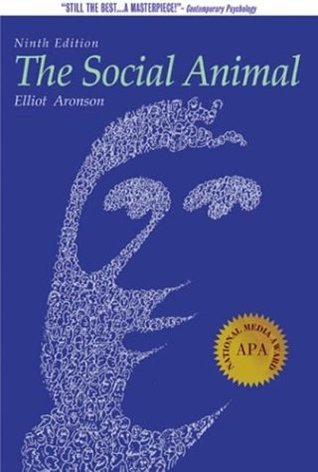
Elliot Aronson's "The Social Animal" delves into the intricate world of human social psychology, exploring how and why we think, feel, and behave in social contexts. It unpacks fundamental concepts like conformity, obedience, persuasion, aggression, and attraction, using accessible language and real-world examples to explain the powerful forces that shape our interactions and perceptions of others.
This book shares a significant kinship with Edward T. Hall's "The Silent Language" in its exploration of unspoken communication and the subtle, often unconscious, influences that govern human behavior. Both authors effectively decode the hidden rules and underlying structures that shape our social reality, moving beyond superficial observations to reveal the profound impact of environment and nonverbal cues on our interactions.
Individuals interested in understanding the fundamental building blocks of human social conduct, the mechanics of group dynamics, and the powerful, unseen forces influencing our daily lives will find this book quite insightful. It offers a robust framework for interpreting social situations and developing a more nuanced awareness of both self and others, proving valuable for anyone seeking to navigate the complexities of human relationships with greater understanding.
The Social Animal
Elliot Aronson's "The Social Animal" delves into the intricate world of human social psychology, exploring how and why we think, feel, and behave in social contexts. It unpacks fundamental concepts like conformity, obedience, persuasion, aggression, and attraction, using accessible language and real-world examples to explain the powerful forces that shape our interactions and perceptions of others.
This book shares a significant kinship with Edward T. Hall's "The Silent Language" in its exploration of unspoken communication and the subtle, often unconscious, influences that govern human behavior. Both authors effectively decode the hidden rules and underlying structures that shape our social reality, moving beyond superficial observations to reveal the profound impact of environment and nonverbal cues on our interactions.
Individuals interested in understanding the fundamental building blocks of human social conduct, the mechanics of group dynamics, and the powerful, unseen forces influencing our daily lives will find this book quite insightful. It offers a robust framework for interpreting social situations and developing a more nuanced awareness of both self and others, proving valuable for anyone seeking to navigate the complexities of human relationships with greater understanding.
Talking to Strangers: What We Should Know About the People We Don't Know
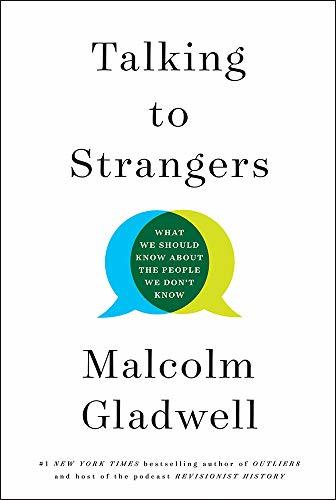
Malcolm Gladwell's "Talking to Strangers" delves into the systemic misunderstandings that arise when we interact with people we don't know, particularly in high-stakes situations. He explores how our default assumptions about transparency and truth-telling often lead us astray, analyzing real-world events like the Amanda Knox case and the death of Sandra Bland to illustrate these cognitive pitfalls. The book argues that our inherent tendencies to trust, coupled with our inability to truly discern others' intentions or emotional states, create fertile ground for misinterpretation and tragic outcomes.
This book resonates strongly with Edward T. Hall's "The Silent Language" through its fundamental exploration of communication failures rooted in unexamined assumptions about human behavior. Both authors dissect the hidden codes and unwritten rules that govern our interactions, whether they be the cultural nuances Hall illuminates or the psychological defaults Gladwell exposes. They each highlight how profoundly our perceptions and interpretations are shaped by factors beyond explicit words, leading to critical breakdowns when these underlying frameworks differ or are misread.
The insights offered in "Talking to Strangers" provide a compelling lens through which to re-evaluate our everyday interactions and larger societal challenges. It offers a powerful framework for understanding why communication so frequently falters, encouraging a more critical and nuanced approach to interpreting others. This understanding fosters greater empathy and equips individuals with the capacity to navigate complex social landscapes more effectively, potentially averting misjudgments and fostering more constructive engagement.
Talking to Strangers: What We Should Know About the People We Don't Know
Malcolm Gladwell's "Talking to Strangers" delves into the systemic misunderstandings that arise when we interact with people we don't know, particularly in high-stakes situations. He explores how our default assumptions about transparency and truth-telling often lead us astray, analyzing real-world events like the Amanda Knox case and the death of Sandra Bland to illustrate these cognitive pitfalls. The book argues that our inherent tendencies to trust, coupled with our inability to truly discern others' intentions or emotional states, create fertile ground for misinterpretation and tragic outcomes.
This book resonates strongly with Edward T. Hall's "The Silent Language" through its fundamental exploration of communication failures rooted in unexamined assumptions about human behavior. Both authors dissect the hidden codes and unwritten rules that govern our interactions, whether they be the cultural nuances Hall illuminates or the psychological defaults Gladwell exposes. They each highlight how profoundly our perceptions and interpretations are shaped by factors beyond explicit words, leading to critical breakdowns when these underlying frameworks differ or are misread.
The insights offered in "Talking to Strangers" provide a compelling lens through which to re-evaluate our everyday interactions and larger societal challenges. It offers a powerful framework for understanding why communication so frequently falters, encouraging a more critical and nuanced approach to interpreting others. This understanding fosters greater empathy and equips individuals with the capacity to navigate complex social landscapes more effectively, potentially averting misjudgments and fostering more constructive engagement.
Myth and Meaning: Cracking the Code of Culture

"Myth and Meaning: Cracking the Code of Culture" by Claude Lévi-Strauss explores how myths, these seemingly fantastical stories, are not just ancient tales but structured responses to fundamental human questions about the universe and our place within it. Lévi-Strauss argues that myths, across diverse cultures, share underlying logical patterns, revealing universal cognitive structures that shape human thought and social organization. He deciphers these "codes" to understand the deeper meanings and functions of cultural narratives.
Both "Myth and Meaning" and "The Silent Language" delve into the unspoken rules and hidden meanings that govern human interaction and culture. While Hall examines nonverbal communication and proxemics, Lévi-Strauss dissects the deeper, structural codes embedded in cultural narratives. They both emphasize that much of human communication and social order operates beneath conscious awareness, detectable only through careful observation and analytical frameworks.
This book offers profound insights into the human mind and cultural diversity. It provides a powerful lens through which to understand not only ancient societies but also the implicit cultural frameworks shaping contemporary life. It cultivates a keener appreciation for the intricate ways meaning is constructed and transmitted, enriching one's understanding of human experience and the subtle forces influencing our perceptions.
Myth and Meaning: Cracking the Code of Culture
"Myth and Meaning: Cracking the Code of Culture" by Claude Lévi-Strauss explores how myths, these seemingly fantastical stories, are not just ancient tales but structured responses to fundamental human questions about the universe and our place within it. Lévi-Strauss argues that myths, across diverse cultures, share underlying logical patterns, revealing universal cognitive structures that shape human thought and social organization. He deciphers these "codes" to understand the deeper meanings and functions of cultural narratives.
Both "Myth and Meaning" and "The Silent Language" delve into the unspoken rules and hidden meanings that govern human interaction and culture. While Hall examines nonverbal communication and proxemics, Lévi-Strauss dissects the deeper, structural codes embedded in cultural narratives. They both emphasize that much of human communication and social order operates beneath conscious awareness, detectable only through careful observation and analytical frameworks.
This book offers profound insights into the human mind and cultural diversity. It provides a powerful lens through which to understand not only ancient societies but also the implicit cultural frameworks shaping contemporary life. It cultivates a keener appreciation for the intricate ways meaning is constructed and transmitted, enriching one's understanding of human experience and the subtle forces influencing our perceptions.
Nonviolent Communication: A Language of Life

"Nonviolent Communication: A Language of Life" by Marshall B. Rosenberg offers a structured approach to interpersonal communication centered on empathy and understanding. It posits that human conflict often arises from unmet needs and ineffective communication, and provides a framework for expressing one's own needs and feelings while empathetically hearing those of others, ultimately fostering connection and collaboration.
This work resonates with "The Silent Language" by Edward T. Hall in its fundamental premise: that effective communication extends far beyond spoken words and requires a deep understanding of underlying dynamics. Both books dissect the unwritten rules and implicit cues that shape human interaction, with Hall focusing on cultural context and Rosenberg on emotional and psychological foundations. Both advocate for a deliberate, analytical approach to deciphering and influencing human connection.
Individuals seeking to improve their relationships, navigate conflict constructively, or simply understand themselves and others more profoundly will find immense value. It provides actionable strategies for fostering deeper connection, resolving disagreements peacefully, and expressing oneself authentically, ultimately leading to more fulfilling personal and professional interactions.
Nonviolent Communication: A Language of Life
"Nonviolent Communication: A Language of Life" by Marshall B. Rosenberg offers a structured approach to interpersonal communication centered on empathy and understanding. It posits that human conflict often arises from unmet needs and ineffective communication, and provides a framework for expressing one's own needs and feelings while empathetically hearing those of others, ultimately fostering connection and collaboration.
This work resonates with "The Silent Language" by Edward T. Hall in its fundamental premise: that effective communication extends far beyond spoken words and requires a deep understanding of underlying dynamics. Both books dissect the unwritten rules and implicit cues that shape human interaction, with Hall focusing on cultural context and Rosenberg on emotional and psychological foundations. Both advocate for a deliberate, analytical approach to deciphering and influencing human connection.
Individuals seeking to improve their relationships, navigate conflict constructively, or simply understand themselves and others more profoundly will find immense value. It provides actionable strategies for fostering deeper connection, resolving disagreements peacefully, and expressing oneself authentically, ultimately leading to more fulfilling personal and professional interactions.
The Social Construction of Reality: A Treatise in the Sociology of Knowledge

"The Social Construction of Reality" explores how our shared understanding of the world isn't inherent or objective, but rather a product of human interaction and agreement. It delves into the processes by which societies create, maintain, and internalize common sense, institutions, and beliefs, shaping what we perceive as "reality" itself. This foundational text in sociology of knowledge highlights the dynamic and often unconscious ways we collectively build our social order.
This book resonates with "The Silent Language" because both works fundamentally examine how non-physical, culturally embedded elements influence human perception and behavior. While Hall focuses on the subtle, often unspoken codes that govern communication, Berger and Luckmann investigate the broader, societal-level construction of meaning and shared understanding, showing how these "silent" frameworks become the very fabric of our perceived reality.
Anyone interested in the hidden forces that shape human experience will find immense value in this profound exploration. It offers a powerful lens through which to critically examine everyday assumptions, understand cultural differences, and appreciate the malleable nature of truth within society, fostering a deeper comprehension of both individual and collective existence.
The Social Construction of Reality: A Treatise in the Sociology of Knowledge
"The Social Construction of Reality" explores how our shared understanding of the world isn't inherent or objective, but rather a product of human interaction and agreement. It delves into the processes by which societies create, maintain, and internalize common sense, institutions, and beliefs, shaping what we perceive as "reality" itself. This foundational text in sociology of knowledge highlights the dynamic and often unconscious ways we collectively build our social order.
This book resonates with "The Silent Language" because both works fundamentally examine how non-physical, culturally embedded elements influence human perception and behavior. While Hall focuses on the subtle, often unspoken codes that govern communication, Berger and Luckmann investigate the broader, societal-level construction of meaning and shared understanding, showing how these "silent" frameworks become the very fabric of our perceived reality.
Anyone interested in the hidden forces that shape human experience will find immense value in this profound exploration. It offers a powerful lens through which to critically examine everyday assumptions, understand cultural differences, and appreciate the malleable nature of truth within society, fostering a deeper comprehension of both individual and collective existence.
More Books to Explore
Discover more titles that expand on these ideas and themes.
The Dance of Life: The Other Dimension of Time
Construing Experience Through Meaning: A Language-Based Approach to Cognition (Open Linguistics
The Definitive Book of Body Language
Talk, Talk, Talk: An Investigation into the Mystery of Speech
Body Language: How to Read Others' Thoughts by Their Gestures
The Social Animal