10 Books Similar to "The Shadow of the Sun"
by Ryszard Kapuściński

Travels with Herodotus

"Travels with Herodotus" chronicles Ryszard Kapuściński's formative years as a foreign correspondent, intertwined with his parallel engagement with the ancient Greek historian Herodotus's *Histories*. It’s a reflective journey through post-colonial Africa, Asia, and Eastern Europe, where Kapuściński grapples with the complexities of new nations while finding solace and perspective in the timeless observations of his ancient predecessor. The book blends personal anecdote, historical context, and philosophical inquiry into the nature of "otherness" and human storytelling.
Both "Travels with Herodotus" and "The Shadow of the Sun" explore the intricacies of reporting from unfamiliar lands, focusing on the human condition amidst political and social upheaval. They share Kapuściński's distinctive narrative style, blending vivid firsthand experiences with profound historical and philosophical reflection. Each book presents a deeply empathetic lens on the lives and cultures encountered, moving beyond mere reportage to offer insightful analyses of geopolitics and human nature. The author's personal growth and intellectual curiosity are central themes in both works.
This book will appeal to those who value insightful travel writing and a deeper understanding of the reporter's craft. It offers a unique perspective on the challenges of cross-cultural communication and the enduring power of historical inquiry to illuminate contemporary events. The blend of personal narrative, historical context, and philosophical musings provides a rich and thought-provoking experience, encouraging reflection on one's own place in a complex world.
Travels with Herodotus
"Travels with Herodotus" chronicles Ryszard Kapuściński's formative years as a foreign correspondent, intertwined with his parallel engagement with the ancient Greek historian Herodotus's *Histories*. It’s a reflective journey through post-colonial Africa, Asia, and Eastern Europe, where Kapuściński grapples with the complexities of new nations while finding solace and perspective in the timeless observations of his ancient predecessor. The book blends personal anecdote, historical context, and philosophical inquiry into the nature of "otherness" and human storytelling.
Both "Travels with Herodotus" and "The Shadow of the Sun" explore the intricacies of reporting from unfamiliar lands, focusing on the human condition amidst political and social upheaval. They share Kapuściński's distinctive narrative style, blending vivid firsthand experiences with profound historical and philosophical reflection. Each book presents a deeply empathetic lens on the lives and cultures encountered, moving beyond mere reportage to offer insightful analyses of geopolitics and human nature. The author's personal growth and intellectual curiosity are central themes in both works.
This book will appeal to those who value insightful travel writing and a deeper understanding of the reporter's craft. It offers a unique perspective on the challenges of cross-cultural communication and the enduring power of historical inquiry to illuminate contemporary events. The blend of personal narrative, historical context, and philosophical musings provides a rich and thought-provoking experience, encouraging reflection on one's own place in a complex world.
Imperium

"Imperium" is a profound exploration of the Soviet Union’s vast territory and complex history, from the author's early travels in the 1960s to the cusp of its dissolution. Kapuściński interweaves personal anecdotes with historical context, offering a mosaic of cultures, political ideologies, and the human condition across a colossal empire. It’s a journey through geographic expanse and the shifting sands of time, revealing a world often unseen and misunderstood.
Similar to "The Shadow of the Sun," "Imperium" showcases Kapuściński's signature blend of immersive journalism and evocative prose. Both books are deeply personal accounts derived from extensive, firsthand experience, focusing on regions undergoing significant socio-political transformations. The author's unique perspective, characterized by empathy, historical rigor, and a keen eye for detail, is consistent across both works, revealing the human drama beneath large-scale events.
This book offers a rare and intimate glimpse into one of the 20th century's defining geopolitical entities. It provides invaluable insights into the fall of a superpower, the lingering legacy of authoritarianism, and the resilience of ordinary people. Its timeless observations on power, identity, and change resonate strongly, making it a compelling read for those seeking a deeper understanding of history and the human spirit.
Imperium
"Imperium" is a profound exploration of the Soviet Union’s vast territory and complex history, from the author's early travels in the 1960s to the cusp of its dissolution. Kapuściński interweaves personal anecdotes with historical context, offering a mosaic of cultures, political ideologies, and the human condition across a colossal empire. It’s a journey through geographic expanse and the shifting sands of time, revealing a world often unseen and misunderstood.
Similar to "The Shadow of the Sun," "Imperium" showcases Kapuściński's signature blend of immersive journalism and evocative prose. Both books are deeply personal accounts derived from extensive, firsthand experience, focusing on regions undergoing significant socio-political transformations. The author's unique perspective, characterized by empathy, historical rigor, and a keen eye for detail, is consistent across both works, revealing the human drama beneath large-scale events.
This book offers a rare and intimate glimpse into one of the 20th century's defining geopolitical entities. It provides invaluable insights into the fall of a superpower, the lingering legacy of authoritarianism, and the resilience of ordinary people. Its timeless observations on power, identity, and change resonate strongly, making it a compelling read for those seeking a deeper understanding of history and the human spirit.
Mukiwa: A White Boy in Africa
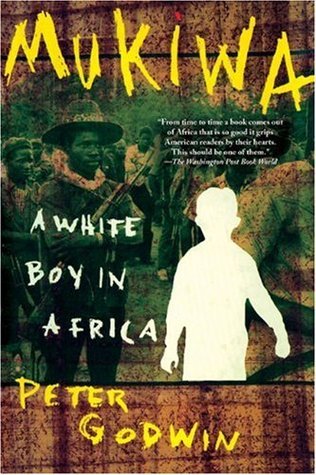
Peter Godwin's "Mukiwa: A White Boy in Africa" is a poignant memoir detailing his childhood and adolescence in Rhodesia during its tumultuous transition to independent Zimbabwe. It offers a deeply personal perspective on a nation fractured by colonialism, civil war, and the complex identities formed within such a landscape, seen through the eyes of a white African boy grappling with loyalty, justice, and belonging.
This memoir resonates strongly with "The Shadow of the Sun" through its shared focus on the African continent's socio-political upheaval and its profound impact on individuals. Both authors offer nuanced, on-the-ground observations of historical turning points, exploring themes of nation-building, cultural clashes, and the human condition amidst vast change. While Kapuściński is an outsider journalist, Godwin is an insider documenting his formative years, providing complementary views on similar historical currents.
The book offers a compelling exploration of identity during a period of immense change, inviting reflection on colonialism's legacy and the complexities of belonging. Its vivid storytelling and intimate perspective provide valuable insights into historical events and the personal toll of conflict, fostering a deeper understanding of African history and human resilience.
Mukiwa: A White Boy in Africa
Peter Godwin's "Mukiwa: A White Boy in Africa" is a poignant memoir detailing his childhood and adolescence in Rhodesia during its tumultuous transition to independent Zimbabwe. It offers a deeply personal perspective on a nation fractured by colonialism, civil war, and the complex identities formed within such a landscape, seen through the eyes of a white African boy grappling with loyalty, justice, and belonging.
This memoir resonates strongly with "The Shadow of the Sun" through its shared focus on the African continent's socio-political upheaval and its profound impact on individuals. Both authors offer nuanced, on-the-ground observations of historical turning points, exploring themes of nation-building, cultural clashes, and the human condition amidst vast change. While Kapuściński is an outsider journalist, Godwin is an insider documenting his formative years, providing complementary views on similar historical currents.
The book offers a compelling exploration of identity during a period of immense change, inviting reflection on colonialism's legacy and the complexities of belonging. Its vivid storytelling and intimate perspective provide valuable insights into historical events and the personal toll of conflict, fostering a deeper understanding of African history and human resilience.
Chasing the Devil: The Search for Africa's Fighting Spirit

Tim Butcher's "Chasing the Devil" chronicles his ambitious journey across the Sierra Leone-Liberia border, retracing the path of Graham Greene’s 1930s trek. It's a personal quest to understand how these nations, ravaged by brutal civil wars, are navigating their post-conflict identities and rediscovering their resilience. Butcher immerses himself in the communities, offering a deeply human perspective on the scars of war and the enduring spirit of survival.
This book resonates with "The Shadow of the Sun" through its investigative journalism rooted in personal experience. Both authors are foreign correspondents venturing into complex, often dangerous, African landscapes. They eschew superficial analysis for on-the-ground encounters, allowing the voices of the people and the nuances of the environment to tell the story. Each work prioritizes anthropological observation and a profound curiosity about the human condition in adversity.
The book will appeal to those seeking authentic, nuanced accounts of Africa beyond typical headlines. It offers valuable insights into post-conflict societies, the challenges of nation-building, and the indomitable courage of ordinary people. Readers will gain a deeper appreciation for the historical and contemporary realities of West Africa, fostering empathy and understanding through a compelling narrative.
Chasing the Devil: The Search for Africa's Fighting Spirit
Tim Butcher's "Chasing the Devil" chronicles his ambitious journey across the Sierra Leone-Liberia border, retracing the path of Graham Greene’s 1930s trek. It's a personal quest to understand how these nations, ravaged by brutal civil wars, are navigating their post-conflict identities and rediscovering their resilience. Butcher immerses himself in the communities, offering a deeply human perspective on the scars of war and the enduring spirit of survival.
This book resonates with "The Shadow of the Sun" through its investigative journalism rooted in personal experience. Both authors are foreign correspondents venturing into complex, often dangerous, African landscapes. They eschew superficial analysis for on-the-ground encounters, allowing the voices of the people and the nuances of the environment to tell the story. Each work prioritizes anthropological observation and a profound curiosity about the human condition in adversity.
The book will appeal to those seeking authentic, nuanced accounts of Africa beyond typical headlines. It offers valuable insights into post-conflict societies, the challenges of nation-building, and the indomitable courage of ordinary people. Readers will gain a deeper appreciation for the historical and contemporary realities of West Africa, fostering empathy and understanding through a compelling narrative.
The Shadow of Kilimanjaro: On Foot Across East Africa
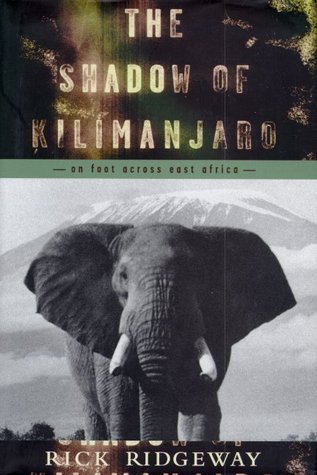
"The Shadow of Kilimanjaro: On Foot Across East Africa" describes Rick Ridgeway’s personal journey across East Africa, primarily on foot. It’s an immersive narrative detailing his travel experiences, observations of the landscape and wildlife, and interactions with various communities. More than just a travelogue, it delves into the challenges and beauty of traversing a vast, complex region while confronting questions of conservation and cultural change.
This book resonates with "The Shadow of the Sun" through its embrace of immersive, on-the-ground reporting. Both authors immerse themselves deeply in their chosen African territories, crafting narratives born from direct experience and keen observation. They share a commitment to portraying the continent's multifaceted reality, beyond simplistic stereotypes, by focusing on the everyday lives, cultural nuances, and enduring spirit of its people and places.
This account offers a compelling blend of adventure, cultural exploration, and insightful commentary on environmental issues. Its detailed descriptions transport one to the heart of East Africa, providing a vivid sense of place and an understanding of the region's socio-ecological complexities. The narrative's authenticity and Ridgeway's reflective approach create a valuable perspective on the continent's enduring legacy and contemporary challenges.
The Shadow of Kilimanjaro: On Foot Across East Africa
"The Shadow of Kilimanjaro: On Foot Across East Africa" describes Rick Ridgeway’s personal journey across East Africa, primarily on foot. It’s an immersive narrative detailing his travel experiences, observations of the landscape and wildlife, and interactions with various communities. More than just a travelogue, it delves into the challenges and beauty of traversing a vast, complex region while confronting questions of conservation and cultural change.
This book resonates with "The Shadow of the Sun" through its embrace of immersive, on-the-ground reporting. Both authors immerse themselves deeply in their chosen African territories, crafting narratives born from direct experience and keen observation. They share a commitment to portraying the continent's multifaceted reality, beyond simplistic stereotypes, by focusing on the everyday lives, cultural nuances, and enduring spirit of its people and places.
This account offers a compelling blend of adventure, cultural exploration, and insightful commentary on environmental issues. Its detailed descriptions transport one to the heart of East Africa, providing a vivid sense of place and an understanding of the region's socio-ecological complexities. The narrative's authenticity and Ridgeway's reflective approach create a valuable perspective on the continent's enduring legacy and contemporary challenges.
Blood River: A Journey to Africa’s Broken Heart
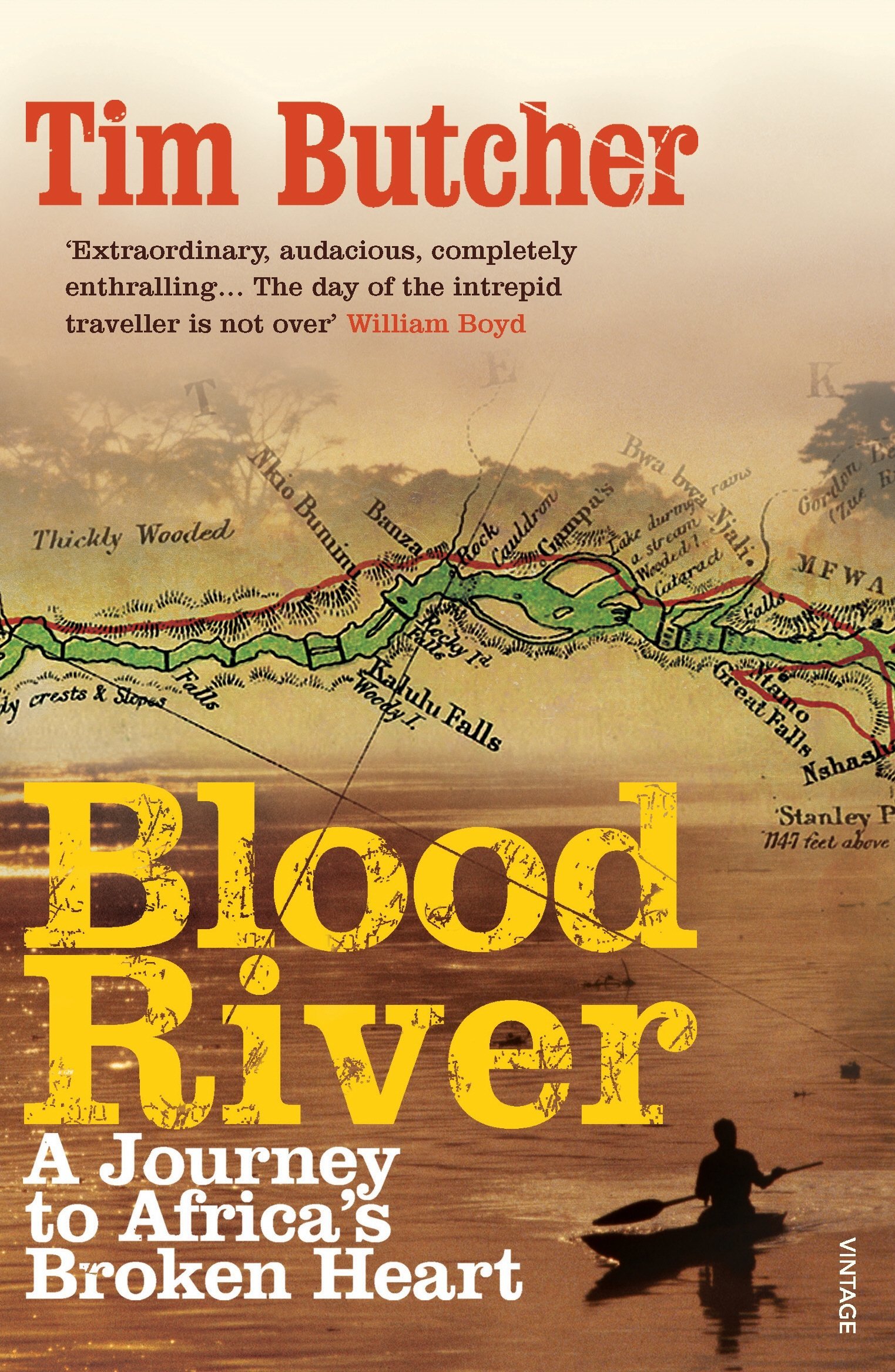
"Blood River" chronicles Tim Butcher's ambitious and perilous journey tracing Henry Morton Stanley’s 1870s expedition down the Congo River, from its source to the Atlantic. It's a vivid, firsthand account that illuminates the contemporary socio-political landscape of the Democratic Republic of Congo, weaving in historical context with intense personal experience.
The book shares Kapuściński's approach of immersing oneself deeply in a challenging African environment to gain profound insights into its people and politics. Both authors eschew superficial analysis, instead offering nuanced portraits of complex societies through their personal encounters, observations, and profound empathy for the human condition amidst hardship.
This book will appeal to those who appreciate a rigorous, experiential form of journalism that delves beneath headlines to expose the human cost and resilience found in turbulent regions. Its value lies in offering an unfiltered, often harrowing, yet ultimately humanizing perspective on a country frequently misunderstood, providing both historical depth and contemporary relevance.
Blood River: A Journey to Africa’s Broken Heart
"Blood River" chronicles Tim Butcher's ambitious and perilous journey tracing Henry Morton Stanley’s 1870s expedition down the Congo River, from its source to the Atlantic. It's a vivid, firsthand account that illuminates the contemporary socio-political landscape of the Democratic Republic of Congo, weaving in historical context with intense personal experience.
The book shares Kapuściński's approach of immersing oneself deeply in a challenging African environment to gain profound insights into its people and politics. Both authors eschew superficial analysis, instead offering nuanced portraits of complex societies through their personal encounters, observations, and profound empathy for the human condition amidst hardship.
This book will appeal to those who appreciate a rigorous, experiential form of journalism that delves beneath headlines to expose the human cost and resilience found in turbulent regions. Its value lies in offering an unfiltered, often harrowing, yet ultimately humanizing perspective on a country frequently misunderstood, providing both historical depth and contemporary relevance.
A Day in the Life of Africa
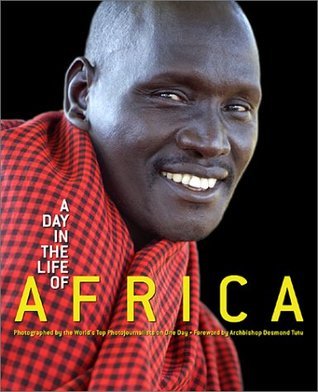
"A Day in the Life of Africa" offers a captivating photographic mosaic, capturing the continent's diverse realities within a single 24-hour period. It’s a collective work, featuring contributions from numerous photojournalists who fanned out across 50 African nations to document the ordinary and extraordinary moments of daily life, from bustling urban centers to remote rural communities.
This book resonates strongly with "The Shadow of the Sun" through its dedication to presenting a multifaceted, authentic portrayal of Africa, moving beyond superficial stereotypes. Both works emphasize direct observation and lived experience, though one through the lens of a singular narrative voice and the other through a multitude of visual perspectives. Both prioritize human stories within the broader context of the continent's social and cultural landscapes.
It will appeal to those seeking a vivid, immediate immersion into the complexities and beauties of Africa. The book provides an invaluable visual counterpoint to written accounts, offering a profound sense of place and personal connection through its intimate depictions of people, cultures, and environments across such a vast and varied continent.
A Day in the Life of Africa
"A Day in the Life of Africa" offers a captivating photographic mosaic, capturing the continent's diverse realities within a single 24-hour period. It’s a collective work, featuring contributions from numerous photojournalists who fanned out across 50 African nations to document the ordinary and extraordinary moments of daily life, from bustling urban centers to remote rural communities.
This book resonates strongly with "The Shadow of the Sun" through its dedication to presenting a multifaceted, authentic portrayal of Africa, moving beyond superficial stereotypes. Both works emphasize direct observation and lived experience, though one through the lens of a singular narrative voice and the other through a multitude of visual perspectives. Both prioritize human stories within the broader context of the continent's social and cultural landscapes.
It will appeal to those seeking a vivid, immediate immersion into the complexities and beauties of Africa. The book provides an invaluable visual counterpoint to written accounts, offering a profound sense of place and personal connection through its intimate depictions of people, cultures, and environments across such a vast and varied continent.
Shah of Shahs

"Shah of Shahs" meticulously dissects the unraveling of Iran under Mohammad Reza Pahlavi, the last Shah, through the eyes of a foreign correspondent. Kapuściński probes the mechanisms of authoritarian power, the intoxicating allure of Westernization, and the profound cultural clash that fueled the 1979 revolution, all while illustrating the human cost of political upheaval and the complexities of historical change.
Its similarity to "The Shadow of the Sun" lies in Kapuściński’s signature method: a blend of immersive journalism, personal reflections, and broader historical analysis. Both books eschew conventional reporting for a deeper, more philosophical inquiry into the nature of power, culture, and societal transformation. He uses micro-narratives and vivid observations to illuminate macro-historical forces, whether in Africa or the Middle East.
This narrative holds immense appeal and value for those interested in understanding the nuances of revolution, the fragile nature of political regimes, and the impact of modernization on traditional societies. It offers a unique, human-centered perspective on a pivotal moment in 20th-century history, providing insights into the enduring challenges of nation-building and the complexities of cultural identity in a globalized world.
Shah of Shahs
"Shah of Shahs" meticulously dissects the unraveling of Iran under Mohammad Reza Pahlavi, the last Shah, through the eyes of a foreign correspondent. Kapuściński probes the mechanisms of authoritarian power, the intoxicating allure of Westernization, and the profound cultural clash that fueled the 1979 revolution, all while illustrating the human cost of political upheaval and the complexities of historical change.
Its similarity to "The Shadow of the Sun" lies in Kapuściński’s signature method: a blend of immersive journalism, personal reflections, and broader historical analysis. Both books eschew conventional reporting for a deeper, more philosophical inquiry into the nature of power, culture, and societal transformation. He uses micro-narratives and vivid observations to illuminate macro-historical forces, whether in Africa or the Middle East.
This narrative holds immense appeal and value for those interested in understanding the nuances of revolution, the fragile nature of political regimes, and the impact of modernization on traditional societies. It offers a unique, human-centered perspective on a pivotal moment in 20th-century history, providing insights into the enduring challenges of nation-building and the complexities of cultural identity in a globalized world.
The Emperor: Downfall of An Autocrat
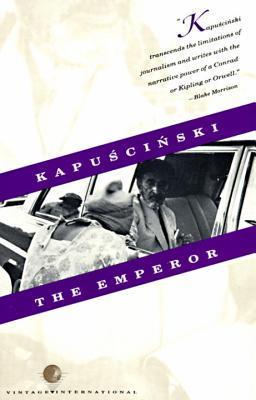
"The Emperor: Downfall of An Autocrat" meticulously chronicles the final years and eventual ousting of Haile Selassie I, Ethiopia's last emperor. Kapuściński constructs a compelling narrative through a mosaic of interviews with former insiders—servants, ministers, and other court figures—revealing the inner workings of an absolute monarchy crumbling under its own weight and a shifting global landscape. It’s a profound examination of power, corruption, and the human cost of autocracy.
This book shares "The Shadow of the Sun's" deep journalistic immersion and ethnographic approach. Both works delve into the complexities of African societies during periods of significant political and social upheaval, seen through the eyes of those directly experiencing it. Kapuściński's signature style of blending factual reportage with literary sensibility, creating vivid portraits of individuals and cultures, is prominent in both titles.
This book offers a fascinating insight into the mechanics of dictatorship and societal collapse, providing a valuable historical case study. Its narrative artistry makes complex political dynamics accessible, resonating with anyone interested in political science, history, or the human condition under extreme pressure. It is a timeless exploration of leadership, devotion, and the inevitable consequences of unchecked power.
The Emperor: Downfall of An Autocrat
"The Emperor: Downfall of An Autocrat" meticulously chronicles the final years and eventual ousting of Haile Selassie I, Ethiopia's last emperor. Kapuściński constructs a compelling narrative through a mosaic of interviews with former insiders—servants, ministers, and other court figures—revealing the inner workings of an absolute monarchy crumbling under its own weight and a shifting global landscape. It’s a profound examination of power, corruption, and the human cost of autocracy.
This book shares "The Shadow of the Sun's" deep journalistic immersion and ethnographic approach. Both works delve into the complexities of African societies during periods of significant political and social upheaval, seen through the eyes of those directly experiencing it. Kapuściński's signature style of blending factual reportage with literary sensibility, creating vivid portraits of individuals and cultures, is prominent in both titles.
This book offers a fascinating insight into the mechanics of dictatorship and societal collapse, providing a valuable historical case study. Its narrative artistry makes complex political dynamics accessible, resonating with anyone interested in political science, history, or the human condition under extreme pressure. It is a timeless exploration of leadership, devotion, and the inevitable consequences of unchecked power.
Exterminate All the Brutes: One Man's Odyssey into the Heart of Darkness and the Origins of European Genocide

"Exterminate All the Brutes" is Sven Lindqvist’s chilling and meticulous non-fiction exploration of how European colonialism, rationalized by racial superiority, directly led to the atrocities of the Holocaust. Drawing connections between 19th-century imperial conquest in Africa and 20th-century genocide, Lindqvist argues forcefully that the mass killings in Europe were not an aberration but a continuation of long-standing colonial practices. He weaves together personal travelogue, historical analysis, and literary criticism, particularly of Conrad's *Heart of Darkness*, to expose the ideological underpinnings of extreme violence.
Both books delve into the complex and often brutal realities of Africa through the lens of a Western observer. While Kapuściński offers vivid, immediate journalistic dispatches from post-colonial Africa grappling with political upheaval, Lindqvist excavates the historical and ideological roots of European exploitation on the continent, showing how that past continues to resonate. Both authors challenge conventional narratives, forcing a confrontation with uncomfortable truths about power, race, and history.
This work appeals to anyone seeking a profound understanding of the historical continuum of genocidal thought and practice. Its rigorous scholarship and impassioned delivery offer crucial insights into the origins of modern humanitarian crises and the enduring legacy of colonialism. It provides invaluable context for understanding contemporary geopolitical dynamics and the persistent scars of racialized violence.
Exterminate All the Brutes: One Man's Odyssey into the Heart of Darkness and the Origins of European Genocide
"Exterminate All the Brutes" is Sven Lindqvist’s chilling and meticulous non-fiction exploration of how European colonialism, rationalized by racial superiority, directly led to the atrocities of the Holocaust. Drawing connections between 19th-century imperial conquest in Africa and 20th-century genocide, Lindqvist argues forcefully that the mass killings in Europe were not an aberration but a continuation of long-standing colonial practices. He weaves together personal travelogue, historical analysis, and literary criticism, particularly of Conrad's *Heart of Darkness*, to expose the ideological underpinnings of extreme violence.
Both books delve into the complex and often brutal realities of Africa through the lens of a Western observer. While Kapuściński offers vivid, immediate journalistic dispatches from post-colonial Africa grappling with political upheaval, Lindqvist excavates the historical and ideological roots of European exploitation on the continent, showing how that past continues to resonate. Both authors challenge conventional narratives, forcing a confrontation with uncomfortable truths about power, race, and history.
This work appeals to anyone seeking a profound understanding of the historical continuum of genocidal thought and practice. Its rigorous scholarship and impassioned delivery offer crucial insights into the origins of modern humanitarian crises and the enduring legacy of colonialism. It provides invaluable context for understanding contemporary geopolitical dynamics and the persistent scars of racialized violence.
More Books to Explore
Discover more titles that expand on these ideas and themes.
Travels with Herodotus
Imperium
Mukiwa: A White Boy in Africa
Chasing the Devil: The Search for Africa's Fighting Spirit
The Shadow of Kilimanjaro: On Foot Across East Africa
Blood River: A Journey to Africa’s Broken Heart