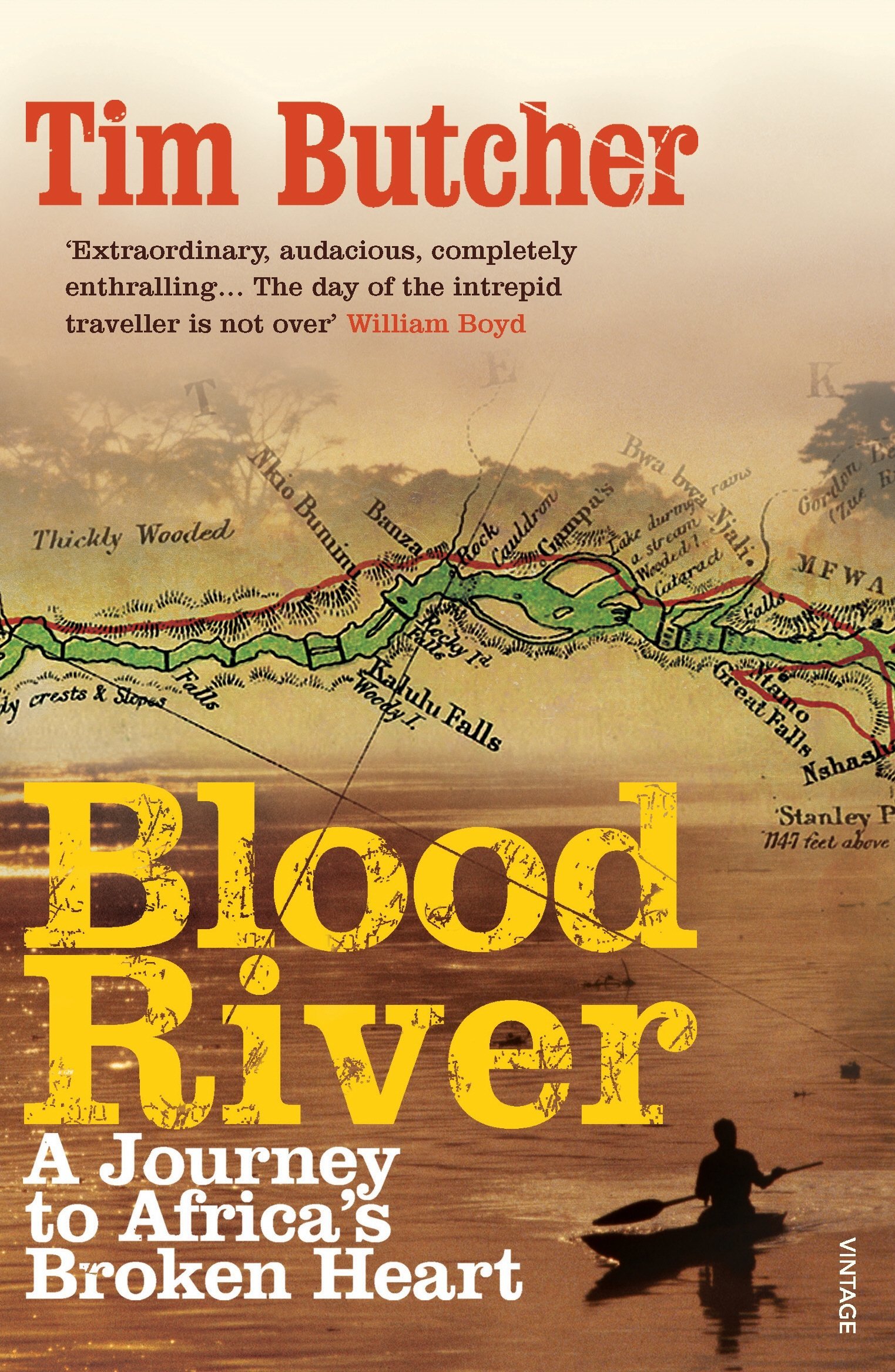
Blood River: A Journey to Africa’s Broken Heart
Book Description
A treacherous river flows through the heart of a land scarred by violence and despair. Tim Butcher embarks on an audacious journey along the Congo River, navigating a landscape of breathtaking beauty and harrowing tragedy. His quest unearths haunting stories of loss, resilience, and the relentless quest for hope amid chaos. Each twist of the river reveals a rich tapestry of cultures and a history soaked in blood, challenging perceptions of the African experience. As darkness looms and uncertainties grow, will the journey illuminate a path to redemption or sink deeper into despair?
Quick Book Summary
"Blood River" by Tim Butcher chronicles a perilous journey along the Congo River, tracing the legendary route of explorer H.M. Stanley. Blending historical insight with riveting personal narrative, Butcher ventures through modern-day Congo, a region plagued by instability, poverty, and echoes of colonial exploitation. Along the way, he encounters diverse landscapes, communities marked by endurance, and vestiges of a traumatic past. His voyage becomes an exploration of both Congo’s tumultuous history and its present struggles, highlighting cycles of violence and resilience amid chaos. "Blood River" is at once an adventure, a meditation on African history and politics, and a poignant commentary on survival, hope, and the search for redemption in a land haunted by its own legacy.




Summary of Key Ideas
Table of Contents
The Enduring Legacy of Colonialism
Tim Butcher’s journey begins with the ambition to follow the Congo River — retracing the route of Victorian explorer H.M. Stanley. Setting out from the river’s source, Butcher is propelled by the entwined allure of adventure and historical curiosity. The Congo River, one of Africa’s greatest waterways, is also a symbol of the continent’s enduring heartache and shattered dreams. From the outset, Butcher confronts logistical nightmares, bureaucratic roadblocks, and the omnipresent threat of violence in the Democratic Republic of Congo. The journey is anything but romantic, quickly unraveling the mythologies that have shrouded the Congo for centuries.
The Perilous Nature of Exploration
As Butcher travels deeper, he unearths the scars of colonialism and their lingering effects. The Congo, once the personal fiefdom of King Leopold II and later a pawn in postcolonial power struggles, is revealed as a nation caught in an inescapable cycle of exploitation and instability. The crumbling remnants of colonial infrastructure and tales of past atrocities intersect with current-day realities: corrupt officials, volatile militias, and communities left to fend for themselves. Butcher’s perspective as a journalist adds depth, offering keen observations of how history continues to shape the lived experience of Congolese people.
Resilience and Hope Amid Chaos
The narrative is punctuated by moments of immense hardship and danger, from impassable terrain to near-constant threats of robbery or violence. Yet, amid the uncertainty, Butcher encounters humanity and hope. The people he meets — river traders, missionaries, villagers, and guides — reveal a spirit of resilience. Their stories underscore the daily acts of endurance required for survival in a land marked by upheaval. Relationships forged along the journey serve as lifelines, challenging Western preconceptions and emphasizing the complexity of African societies.
The Interplay of History and Modern Tragedy
Throughout, "Blood River" grapples with the interplay between past and present, illuminating how the Congo’s historical traumas perpetuate modern tragedies. The book shifts seamlessly between Butcher’s present-day ordeals and episodes from Stanley’s original expedition, weaving a tapestry of continuity and change. The reader is drawn into a landscape that is as much psychological as physical, haunted by the specter of unfulfilled potential and recurring violence.
Complexities of African Identity
In the end, Butcher’s odyssey serves not only as an act of physical endurance but as a powerful meditation on the Congo’s place in the world. He resists neat conclusions, instead portraying a region defined by its contradictions — breathtaking beauty shadowed by tragedy, despair tempered by fierce hope. "Blood River" reframes the Congo as a microcosm of Africa’s broader challenges and possibilities, urging readers to move beyond stereotypes and reckon with the region’s profound complexities.
Download This Summary
Get a free PDF of this summary instantly — no email required.