10 Books Similar to "The Psychology of Money"
by Morgan Housel
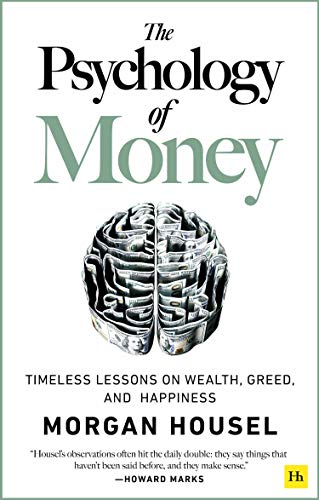
Moolala: Why Smart People Do Dumb Things with Their Money - and What You Can Do About It
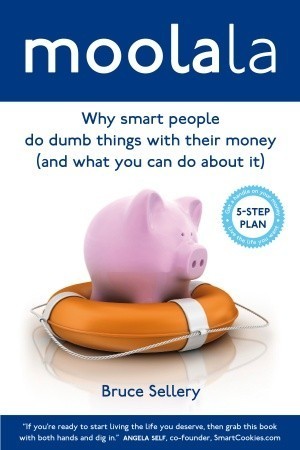
"Moolala" dissects the often irrational behaviors intelligent individuals exhibit with their finances, exploring the underlying cognitive biases and emotional drivers that lead to poor money decisions. It then offers practical, actionable strategies for recognizing these pitfalls and building healthier financial habits.
This book resonates with "The Psychology of Money" by emphasizing that financial success isn't solely about mathematical prowess or market understanding, but profoundly influenced by human psychology, emotions, and personal biases. Both works highlight the narrative aspect of money and the non-logical factors shaping our financial lives.
The insights offered will appeal to anyone seeking to understand the behavioral roots of their financial choices and implement tangible improvements. Its clear elucidation of common money traps, coupled with actionable advice, provides a framework for more mindful and effective financial management.
Moolala: Why Smart People Do Dumb Things with Their Money - and What You Can Do About It
"Moolala" dissects the often irrational behaviors intelligent individuals exhibit with their finances, exploring the underlying cognitive biases and emotional drivers that lead to poor money decisions. It then offers practical, actionable strategies for recognizing these pitfalls and building healthier financial habits.
This book resonates with "The Psychology of Money" by emphasizing that financial success isn't solely about mathematical prowess or market understanding, but profoundly influenced by human psychology, emotions, and personal biases. Both works highlight the narrative aspect of money and the non-logical factors shaping our financial lives.
The insights offered will appeal to anyone seeking to understand the behavioral roots of their financial choices and implement tangible improvements. Its clear elucidation of common money traps, coupled with actionable advice, provides a framework for more mindful and effective financial management.
The Most Important Thing: Uncommon Sense for the Thoughtful Investor

"The Most Important Thing" by Howard Marks distills investment wisdom into easily digestible essays. Marks emphasizes second-level thinking – moving beyond obvious conclusions to anticipate how others will react – and understanding market cycles, risk, and value. It's a pragmatic guide encouraging independent thought rather than following the herd, underscoring that superior returns often stem from unconventional, yet carefully considered, approaches.
This book shares significant thematic overlap with "The Psychology of Money" because both delve into the human elements underpinning financial decision-making. While Housel focuses on cognitive biases and behavioral finance, Marks champions a rational, often contrarian, mindset that actively counters emotional impulses and conventional wisdom in investing. Both authors highlight that successful financial outcomes are profoundly shaped by temperament and understanding market psychology as much as, if not more than, pure analysis.
Individuals interested in cultivating a more robust and resilient approach to investing will appreciate Marks's insightful perspectives. His emphasis on evaluating risk, understanding cycles, and fostering a disciplined, independent thought process provides a valuable framework for navigating market complexities, transcending mere stock picking to cultivate enduring financial intelligence.
The Most Important Thing: Uncommon Sense for the Thoughtful Investor
"The Most Important Thing" by Howard Marks distills investment wisdom into easily digestible essays. Marks emphasizes second-level thinking – moving beyond obvious conclusions to anticipate how others will react – and understanding market cycles, risk, and value. It's a pragmatic guide encouraging independent thought rather than following the herd, underscoring that superior returns often stem from unconventional, yet carefully considered, approaches.
This book shares significant thematic overlap with "The Psychology of Money" because both delve into the human elements underpinning financial decision-making. While Housel focuses on cognitive biases and behavioral finance, Marks champions a rational, often contrarian, mindset that actively counters emotional impulses and conventional wisdom in investing. Both authors highlight that successful financial outcomes are profoundly shaped by temperament and understanding market psychology as much as, if not more than, pure analysis.
Individuals interested in cultivating a more robust and resilient approach to investing will appreciate Marks's insightful perspectives. His emphasis on evaluating risk, understanding cycles, and fostering a disciplined, independent thought process provides a valuable framework for navigating market complexities, transcending mere stock picking to cultivate enduring financial intelligence.
Secrets of the Millionaire Mind: Mastering the Inner Game of Wealth

"Secrets of the Millionaire Mind" explores the internal beliefs and "money blueprints" that dictate financial success. Eker argues that individuals often harbor subconscious patterns around money, learned from childhood, that prevent them from accumulating wealth, regardless of their skills or opportunities. The book identifies these limiting beliefs and offers practical strategies and affirmations to rewire one's financial mindset, emphasizing that true wealth building begins with transforming how one thinks and feels about money.
This book resonates with "The Psychology of Money" by focusing on the non-technical, psychological aspects of personal finance. Both authors underscore that mastering financial success is less about complex formulas or market timing and more about understanding human behavior, biases, and ingrained attitudes towards money. They both highlight that our emotional and psychological framework is a primary determinant of our financial outcomes.
It will appeal to those seeking a deeper understanding of the personal drivers behind financial success and failure. Its actionable insights into identifying and overcoming limiting belief systems can empower individuals to break free from self-sabotaging financial habits, leading to a more intentional and prosperous financial future. It offers a clear path for cultivating a mindset conducive to wealth.
Secrets of the Millionaire Mind: Mastering the Inner Game of Wealth
"Secrets of the Millionaire Mind" explores the internal beliefs and "money blueprints" that dictate financial success. Eker argues that individuals often harbor subconscious patterns around money, learned from childhood, that prevent them from accumulating wealth, regardless of their skills or opportunities. The book identifies these limiting beliefs and offers practical strategies and affirmations to rewire one's financial mindset, emphasizing that true wealth building begins with transforming how one thinks and feels about money.
This book resonates with "The Psychology of Money" by focusing on the non-technical, psychological aspects of personal finance. Both authors underscore that mastering financial success is less about complex formulas or market timing and more about understanding human behavior, biases, and ingrained attitudes towards money. They both highlight that our emotional and psychological framework is a primary determinant of our financial outcomes.
It will appeal to those seeking a deeper understanding of the personal drivers behind financial success and failure. Its actionable insights into identifying and overcoming limiting belief systems can empower individuals to break free from self-sabotaging financial habits, leading to a more intentional and prosperous financial future. It offers a clear path for cultivating a mindset conducive to wealth.
My Money My Way: Taking Back Control of Your Financial Life

"My Money My Way: Taking Back Control of Your Financial Life" empowers individuals to design a financial system that genuinely serves their personal values and lifestyle. Kumiko Love, known for her "Budget Mom" brand, moves beyond rigid budgeting rules, advocating for a flexible approach that respects individual choices and circumstances. The book guides individuals in identifying their financial stressors and crafting practical, sustainable strategies for debt repayment, saving, and mindful spending, ultimately fostering a sense of autonomy and peace with their money.
This book shares thematic DNA with "The Psychology of Money" by prioritizing the human element in financial decision-making. Both works underscore that personal experiences, emotions, and individual perspectives profoundly shape financial outcomes. While Housel dissects the broader behavioral biases influencing markets and wealth, Love offers actionable frameworks to navigate personal finances by acknowledging and working with one's own unique psychological relationship with money, rather than against it.
This approach will resonate deeply with those who have struggled with conventional budgeting or felt overwhelmed by financial stress. It offers a refreshing alternative, emphasizing self-compassion and personalized solutions over one-size-fits-all mandates. The practical exercises and empowering narrative provide a valuable roadmap for anyone seeking to build a healthier, more authentic, and ultimately more effective financial life.
My Money My Way: Taking Back Control of Your Financial Life
"My Money My Way: Taking Back Control of Your Financial Life" empowers individuals to design a financial system that genuinely serves their personal values and lifestyle. Kumiko Love, known for her "Budget Mom" brand, moves beyond rigid budgeting rules, advocating for a flexible approach that respects individual choices and circumstances. The book guides individuals in identifying their financial stressors and crafting practical, sustainable strategies for debt repayment, saving, and mindful spending, ultimately fostering a sense of autonomy and peace with their money.
This book shares thematic DNA with "The Psychology of Money" by prioritizing the human element in financial decision-making. Both works underscore that personal experiences, emotions, and individual perspectives profoundly shape financial outcomes. While Housel dissects the broader behavioral biases influencing markets and wealth, Love offers actionable frameworks to navigate personal finances by acknowledging and working with one's own unique psychological relationship with money, rather than against it.
This approach will resonate deeply with those who have struggled with conventional budgeting or felt overwhelmed by financial stress. It offers a refreshing alternative, emphasizing self-compassion and personalized solutions over one-size-fits-all mandates. The practical exercises and empowering narrative provide a valuable roadmap for anyone seeking to build a healthier, more authentic, and ultimately more effective financial life.
Money and Happiness (The Scientific Way): Scientifically Proven Ways To Be Happy And Highly Effective Life Hacks For Financial Independence
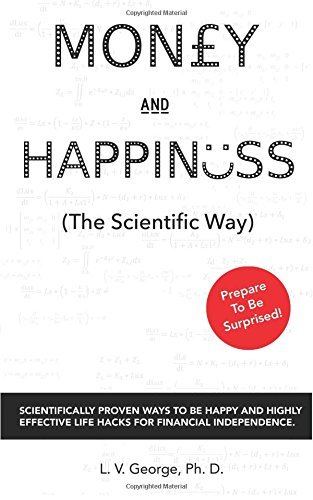
Dr. L.V. George's "Money and Happiness (The Scientific Way)" explores the intricate relationship between financial well-being and personal contentment. It delves into research-backed strategies and practical "life hacks" designed to foster financial independence, ultimately leading to greater happiness. The book focuses on actionable, evidence-based approaches to managing money, understanding its emotional impact, and leveraging financial decisions to enhance overall life satisfaction.
This book shares significant thematic overlap with Morgan Housel's "The Psychology of Money" by examining the non-rational, behavioral aspects of personal finance. Both works underscore that successful financial management isn't solely about mathematical formulas but deeply intertwined with human emotions, biases, and psychological patterns. They each challenge conventional wisdom, offering nuanced perspectives on wealth creation and the pursuit of financial peace of mind.
This book will appeal to individuals seeking a deeper, more intentional connection between their finances and their personal contentment. It offers practical tools and scientific grounding for navigating money matters, moving beyond mere accumulation to a more holistic understanding of how wealth contributes to a fulfilling life. The insights provided can guide better decision-making, offering a pathway toward both financial stability and genuine happiness.
Money and Happiness (The Scientific Way): Scientifically Proven Ways To Be Happy And Highly Effective Life Hacks For Financial Independence
Dr. L.V. George's "Money and Happiness (The Scientific Way)" explores the intricate relationship between financial well-being and personal contentment. It delves into research-backed strategies and practical "life hacks" designed to foster financial independence, ultimately leading to greater happiness. The book focuses on actionable, evidence-based approaches to managing money, understanding its emotional impact, and leveraging financial decisions to enhance overall life satisfaction.
This book shares significant thematic overlap with Morgan Housel's "The Psychology of Money" by examining the non-rational, behavioral aspects of personal finance. Both works underscore that successful financial management isn't solely about mathematical formulas but deeply intertwined with human emotions, biases, and psychological patterns. They each challenge conventional wisdom, offering nuanced perspectives on wealth creation and the pursuit of financial peace of mind.
This book will appeal to individuals seeking a deeper, more intentional connection between their finances and their personal contentment. It offers practical tools and scientific grounding for navigating money matters, moving beyond mere accumulation to a more holistic understanding of how wealth contributes to a fulfilling life. The insights provided can guide better decision-making, offering a pathway toward both financial stability and genuine happiness.
Money Game: A Wealth Manifestation Guide. Level Up Your Mindset Step-By-Step & Create An Abundant Life

*Money Game* by Daniel Mangena offers a practical, step-by-step guide to cultivating a mindset conducive to wealth creation and abundance. It delves into the internal game of money, focusing on psychological principles and actionable strategies to shift perspectives and behaviors around finance, ultimately aiming to help individuals manifest their desired financial realities.
It shares similarities with *The Psychology of Money* by Morgan Housel in its core emphasis on the behavioral and emotional aspects of finance. Both books acknowledge that financial success is not solely about mathematical formulas or market analysis, but profoundly influenced by personal beliefs, biases, and psychological frameworks. While Housel examines historical narratives and common human tendencies, Mangena provides a prescriptive approach to actively reshape these internal financial landscapes.
This book will appeal to those seeking a direct roadmap to improve their financial outlook by addressing their internal relationship with money. Its value lies in providing concrete techniques and a structured pathway to challenge limiting beliefs, adopt empowering financial habits, and actively work towards an abundant life, bridging the gap between understanding financial psychology and actively applying it for personal gain.
Money Game: A Wealth Manifestation Guide. Level Up Your Mindset Step-By-Step & Create An Abundant Life
*Money Game* by Daniel Mangena offers a practical, step-by-step guide to cultivating a mindset conducive to wealth creation and abundance. It delves into the internal game of money, focusing on psychological principles and actionable strategies to shift perspectives and behaviors around finance, ultimately aiming to help individuals manifest their desired financial realities.
It shares similarities with *The Psychology of Money* by Morgan Housel in its core emphasis on the behavioral and emotional aspects of finance. Both books acknowledge that financial success is not solely about mathematical formulas or market analysis, but profoundly influenced by personal beliefs, biases, and psychological frameworks. While Housel examines historical narratives and common human tendencies, Mangena provides a prescriptive approach to actively reshape these internal financial landscapes.
This book will appeal to those seeking a direct roadmap to improve their financial outlook by addressing their internal relationship with money. Its value lies in providing concrete techniques and a structured pathway to challenge limiting beliefs, adopt empowering financial habits, and actively work towards an abundant life, bridging the gap between understanding financial psychology and actively applying it for personal gain.
Your Money or Your Life

"Your Money or Your Life" (YMOL) guides individuals toward financial independence by redefining their relationship with money. It emphasizes understanding how much "life energy" (time) is traded for earned income and then aligning spending with personal values. The book advocates for tracking all finances, reducing unnecessary expenses, and ultimately investing savings to achieve a point where passive income covers living costs, freeing individuals from traditional employment.
YMOL shares fundamental common ground with "The Psychology of Money" by delving into the behavioral aspects of personal finance. Both books assert that financial success isn't solely about mathematical formulas or market intelligence, but profoundly influenced by personal beliefs, emotions, and societal conditioning. They both encourage a reflective, intentional approach to wealth beyond simple accumulation, prioritizing financial well-being and a fulfilling life over mere quantitative gains.
This book will appeal to those seeking a deeper, more intentional relationship with their money and their life's purpose. It offers a practical, step-by-step framework for evaluating financial decisions through a values-based lens, enabling a profound shift from a consumer mindset to one of financial autonomy and personal freedom. Its enduring principles provide a valuable blueprint for achieving not just financial security, but a more meaningful existence.
Your Money or Your Life
"Your Money or Your Life" (YMOL) guides individuals toward financial independence by redefining their relationship with money. It emphasizes understanding how much "life energy" (time) is traded for earned income and then aligning spending with personal values. The book advocates for tracking all finances, reducing unnecessary expenses, and ultimately investing savings to achieve a point where passive income covers living costs, freeing individuals from traditional employment.
YMOL shares fundamental common ground with "The Psychology of Money" by delving into the behavioral aspects of personal finance. Both books assert that financial success isn't solely about mathematical formulas or market intelligence, but profoundly influenced by personal beliefs, emotions, and societal conditioning. They both encourage a reflective, intentional approach to wealth beyond simple accumulation, prioritizing financial well-being and a fulfilling life over mere quantitative gains.
This book will appeal to those seeking a deeper, more intentional relationship with their money and their life's purpose. It offers a practical, step-by-step framework for evaluating financial decisions through a values-based lens, enabling a profound shift from a consumer mindset to one of financial autonomy and personal freedom. Its enduring principles provide a valuable blueprint for achieving not just financial security, but a more meaningful existence.
How to Think Like a Millionaire
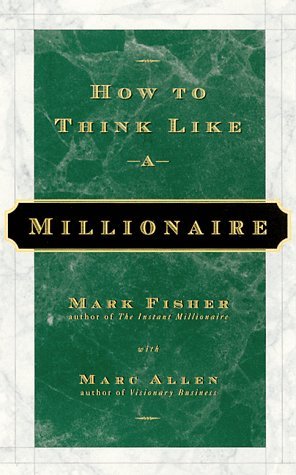
"How to Think Like a Millionaire" delves into the mindset and strategic approaches successful individuals employ to accumulate wealth. It's less about specific investments and more about cultivating the psychological habits, perspectives, and belief systems that pave the way for financial abundance. Fisher examines common traits like resilience, goal-setting, risk assessment, and continuous learning, framing them as essential components of a millionaire's mental toolkit.
This book shares significant thematic overlap with "The Psychology of Money" by emphasizing the non-technical, behavioral aspects of financial success. Both authors argue that mastering one's emotions, biases, and thought patterns is often more critical than purely economic knowledge in achieving long-term financial goals. They both pivot away from prescriptive financial formulas towards an understanding of the internal frameworks that drive financial outcomes.
This exploration of a success-oriented mindset will resonate deeply with anyone seeking to understand the deeper drivers of financial achievement. It offers practical insights into reshaping personal beliefs and actions, providing a valuable framework for cultivating discipline, seizing opportunities, and navigating financial challenges effectively. The focus on internal transformation makes it a powerful guide for personal and fiscal growth.
How to Think Like a Millionaire
"How to Think Like a Millionaire" delves into the mindset and strategic approaches successful individuals employ to accumulate wealth. It's less about specific investments and more about cultivating the psychological habits, perspectives, and belief systems that pave the way for financial abundance. Fisher examines common traits like resilience, goal-setting, risk assessment, and continuous learning, framing them as essential components of a millionaire's mental toolkit.
This book shares significant thematic overlap with "The Psychology of Money" by emphasizing the non-technical, behavioral aspects of financial success. Both authors argue that mastering one's emotions, biases, and thought patterns is often more critical than purely economic knowledge in achieving long-term financial goals. They both pivot away from prescriptive financial formulas towards an understanding of the internal frameworks that drive financial outcomes.
This exploration of a success-oriented mindset will resonate deeply with anyone seeking to understand the deeper drivers of financial achievement. It offers practical insights into reshaping personal beliefs and actions, providing a valuable framework for cultivating discipline, seizing opportunities, and navigating financial challenges effectively. The focus on internal transformation makes it a powerful guide for personal and fiscal growth.
Get Rich, Lucky Bitch: Release Your Money Blocks and Live a First Class Life

"Get Rich, Lucky Bitch" by Denise Duffield-Thomas explores how ingrained beliefs and emotional patterns, often subconscious, hinder financial success. It offers practical exercises and mindset shifts to identify and overcome these "money blocks," thereby empowering individuals to attract wealth and live a more fulfilling life.
Both books delve into the non-rational aspects of financial behavior. While Housel focuses on the pervasive cognitive biases and historical narratives that influence everyone, Duffield-Thomas zeroes in on the personal, often self-sabotaging, psychological barriers specific individuals erect against prosperity. Both argue that understanding these underlying psychological forces is paramount to financial well-being, even more so than traditional financial literacy.
The direct and action-oriented approach of "Get Rich, Lucky Bitch" will resonate with those seeking actionable strategies to transform their financial reality. Its focus on internal narrative and emotional well-being offers tangible tools for personal growth alongside financial improvement, making it a valuable resource for anyone ready to consciously reshape their relationship with money and embrace a more abundant existence.
Get Rich, Lucky Bitch: Release Your Money Blocks and Live a First Class Life
"Get Rich, Lucky Bitch" by Denise Duffield-Thomas explores how ingrained beliefs and emotional patterns, often subconscious, hinder financial success. It offers practical exercises and mindset shifts to identify and overcome these "money blocks," thereby empowering individuals to attract wealth and live a more fulfilling life.
Both books delve into the non-rational aspects of financial behavior. While Housel focuses on the pervasive cognitive biases and historical narratives that influence everyone, Duffield-Thomas zeroes in on the personal, often self-sabotaging, psychological barriers specific individuals erect against prosperity. Both argue that understanding these underlying psychological forces is paramount to financial well-being, even more so than traditional financial literacy.
The direct and action-oriented approach of "Get Rich, Lucky Bitch" will resonate with those seeking actionable strategies to transform their financial reality. Its focus on internal narrative and emotional well-being offers tangible tools for personal growth alongside financial improvement, making it a valuable resource for anyone ready to consciously reshape their relationship with money and embrace a more abundant existence.
The Happiness Hypothesis: Finding Modern Truth in Ancient Wisdom
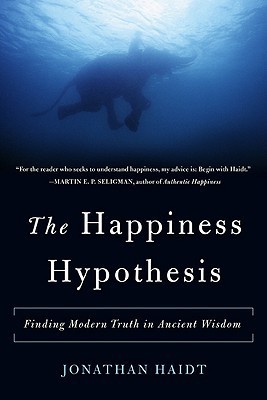
"The Happiness Hypothesis" explores ten "great ideas" about happiness from ancient philosophers and religions, then examines them through the lens of modern psychological science. Haidt masterfully synthesizes timeless wisdom with contemporary research, offering practical insights into human nature, morality, and the pursuit of a meaningful life. It effectively bridges the gap between historical thought and current understanding of well-being.
This book resonates with "The Psychology of Money" due to their shared methodology: both decode complex human behaviors by intertwining ancient or enduring principles with contemporary empirical evidence. While Housel focuses on our often-irrational relationship with finances, Haidt zeroes in on our equally complex relationship with happiness and virtue. Both authors excel at explaining profound, often counter-intuitive, truths about human decision-making and flourishing in an accessible, engaging manner.
The book's appeal lies in its sophisticated yet approachable exploration of foundational human questions. It equips individuals with a richer understanding of themselves and the world, offering a framework for navigating life's challenges and cultivating lasting contentment. Anyone seeking a deeper, evidence-based perspective on how to live well will find its insights profoundly enriching.
The Happiness Hypothesis: Finding Modern Truth in Ancient Wisdom
"The Happiness Hypothesis" explores ten "great ideas" about happiness from ancient philosophers and religions, then examines them through the lens of modern psychological science. Haidt masterfully synthesizes timeless wisdom with contemporary research, offering practical insights into human nature, morality, and the pursuit of a meaningful life. It effectively bridges the gap between historical thought and current understanding of well-being.
This book resonates with "The Psychology of Money" due to their shared methodology: both decode complex human behaviors by intertwining ancient or enduring principles with contemporary empirical evidence. While Housel focuses on our often-irrational relationship with finances, Haidt zeroes in on our equally complex relationship with happiness and virtue. Both authors excel at explaining profound, often counter-intuitive, truths about human decision-making and flourishing in an accessible, engaging manner.
The book's appeal lies in its sophisticated yet approachable exploration of foundational human questions. It equips individuals with a richer understanding of themselves and the world, offering a framework for navigating life's challenges and cultivating lasting contentment. Anyone seeking a deeper, evidence-based perspective on how to live well will find its insights profoundly enriching.
More Books to Explore
Discover more titles that expand on these ideas and themes.
Moolala: Why Smart People Do Dumb Things with Their Money - and What You Can Do About It
The Most Important Thing: Uncommon Sense for the Thoughtful Investor
Secrets of the Millionaire Mind: Mastering the Inner Game of Wealth
My Money My Way: Taking Back Control of Your Financial Life
Money and Happiness (The Scientific Way): Scientifically Proven Ways To Be Happy And Highly Effective Life Hacks For Financial Independence
Money Game: A Wealth Manifestation Guide. Level Up Your Mindset Step-By-Step & Create An Abundant Life