10 Books Similar to "The Possibility of Altruism"
by Thomas Nagel
Unto Others: The Evolution and Psychology of Unselfish Behavior
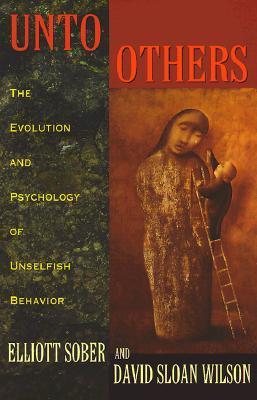
"Unto Others" delves into the fascinating origins and motivations behind altruistic behavior, exploring how seemingly selfless acts can be understood through the lenses of evolutionary biology and psychological theory. It examines whether true altruism exists or if all beneficent actions ultimately serve a self-interest, however subtle.
This book resonates with "The Possibility of Altruism" by confronting the core philosophical question of whether genuine other-regarding motivations are viable. Both works grapple with the nature of ethical action and the underlying reasons individuals might act for the benefit of others, even at personal cost, albeit from different disciplinary vantage points.
This book holds significant appeal for anyone intellectually curious about human nature and morality. It offers a rigorous, interdisciplinary exploration of a fundamental aspect of social interaction, providing a richer understanding of empathy, cooperation, and the complex interplay between individual well-being and collective good.
Unto Others: The Evolution and Psychology of Unselfish Behavior
"Unto Others" delves into the fascinating origins and motivations behind altruistic behavior, exploring how seemingly selfless acts can be understood through the lenses of evolutionary biology and psychological theory. It examines whether true altruism exists or if all beneficent actions ultimately serve a self-interest, however subtle.
This book resonates with "The Possibility of Altruism" by confronting the core philosophical question of whether genuine other-regarding motivations are viable. Both works grapple with the nature of ethical action and the underlying reasons individuals might act for the benefit of others, even at personal cost, albeit from different disciplinary vantage points.
This book holds significant appeal for anyone intellectually curious about human nature and morality. It offers a rigorous, interdisciplinary exploration of a fundamental aspect of social interaction, providing a richer understanding of empathy, cooperation, and the complex interplay between individual well-being and collective good.
Practical Ethics

Peter Singer's "Practical Ethics" explores the application of ethical reasoning to real-world dilemmas. It systematically examines contemporary moral issues such as animal rights, abortion, poverty, and environmental destruction, arguing for a utilitarian approach that prioritizes minimizing suffering and maximizing well-being. Singer dissects complex problems, offering clear, often provocative, arguments for specific ethical positions.
This book resonates with "The Possibility of Altruism" in its foundational commitment to rational ethical inquiry and the belief that ethical principles can and should guide individual and societal actions. Both authors tackle the nature of moral obligation, examining how reason can necessitate or illuminate our duties to others, even those outside our immediate circle. They share a focus on extending moral consideration and challenging conventional boundaries of ethical thought.
This work appeals to anyone seeking a rigorous yet accessible framework for navigating pressing moral questions. It offers intellectual tools to analyze ethical complexities, encouraging critical thinking and prompting a re-evaluation of personal values and societal norms. Its direct engagement with contentious issues and its clear argumentative style make it a valuable resource for developing a more informed and coherent ethical perspective.
Practical Ethics
Peter Singer's "Practical Ethics" explores the application of ethical reasoning to real-world dilemmas. It systematically examines contemporary moral issues such as animal rights, abortion, poverty, and environmental destruction, arguing for a utilitarian approach that prioritizes minimizing suffering and maximizing well-being. Singer dissects complex problems, offering clear, often provocative, arguments for specific ethical positions.
This book resonates with "The Possibility of Altruism" in its foundational commitment to rational ethical inquiry and the belief that ethical principles can and should guide individual and societal actions. Both authors tackle the nature of moral obligation, examining how reason can necessitate or illuminate our duties to others, even those outside our immediate circle. They share a focus on extending moral consideration and challenging conventional boundaries of ethical thought.
This work appeals to anyone seeking a rigorous yet accessible framework for navigating pressing moral questions. It offers intellectual tools to analyze ethical complexities, encouraging critical thinking and prompting a re-evaluation of personal values and societal norms. Its direct engagement with contentious issues and its clear argumentative style make it a valuable resource for developing a more informed and coherent ethical perspective.
Anarchy, State, and Utopia

"Anarchy, State, and Utopia" by Robert Nozick is a foundational work in libertarian political philosophy. It argues for a minimal state, often termed a "night-watchman state," whose functions are strictly limited to protecting individuals from force, fraud, and theft, and enforcing contracts. Nozick contends that any more extensive state violates individual rights, particularly property rights, which he considers inviolable. He explores the concept of distributive justice, famously asserting that " patterned" distributions are inherently unjust, as they necessitate continuous interference with individual liberty.
Both books delve into fundamental questions concerning the nature of moral and political obligations, particularly how individual autonomy and rationality intersect with broader societal structures and demands. While Nagel explores the rational basis for altruism by considering the impersonal standpoint, Nozick similarly grounds his political theory in individual rights and a distinct conception of rational self-interest that precludes extensive state intervention, both navigating how individual agency interacts with normative claims.
This work appeals to those interested in robust defenses of individual liberty and critical examinations of state power. Its rigorous philosophical arguments provide a powerful counterpoint to theories advocating for more extensive government, offering valuable insights into property rights, justice, and the moral limits of political authority.
Anarchy, State, and Utopia
"Anarchy, State, and Utopia" by Robert Nozick is a foundational work in libertarian political philosophy. It argues for a minimal state, often termed a "night-watchman state," whose functions are strictly limited to protecting individuals from force, fraud, and theft, and enforcing contracts. Nozick contends that any more extensive state violates individual rights, particularly property rights, which he considers inviolable. He explores the concept of distributive justice, famously asserting that " patterned" distributions are inherently unjust, as they necessitate continuous interference with individual liberty.
Both books delve into fundamental questions concerning the nature of moral and political obligations, particularly how individual autonomy and rationality intersect with broader societal structures and demands. While Nagel explores the rational basis for altruism by considering the impersonal standpoint, Nozick similarly grounds his political theory in individual rights and a distinct conception of rational self-interest that precludes extensive state intervention, both navigating how individual agency interacts with normative claims.
This work appeals to those interested in robust defenses of individual liberty and critical examinations of state power. Its rigorous philosophical arguments provide a powerful counterpoint to theories advocating for more extensive government, offering valuable insights into property rights, justice, and the moral limits of political authority.
The Most Good You Can Do: How Effective Altruism Is Changing Ideas About Living Ethically

Peter Singer's "The Most Good You Can Do" makes a compelling case for effective altruism, a movement advocating that individuals use evidence and reason to determine the most impactful ways to improve the world. It explores how thoughtful, strategic giving and career choices can alleviate suffering and promote well-being on a large scale, challenging conventional notions of charity and ethical living.
This book aligns with Nagel's "The Possibility of Altruism" by delving into the very nature and motivation behind selfless action. Both works grapple with the philosophical underpinning of why individuals *should* act altruistically, though Singer then pushes further into the practical application of that imperative, moving beyond the 'why' to the 'how' in a systematic, evidence-based manner.
This book offers a potent call to action for anyone seeking to live a more meaningful and impactful life. It provides actionable frameworks for ethical decision-making and demonstrates that individual choices, when guided by reason and a commitment to measurable good, can genuinely transform the world. Its practical guidance combined with its ethical urgency makes it a profoundly valuable read.
The Most Good You Can Do: How Effective Altruism Is Changing Ideas About Living Ethically
Peter Singer's "The Most Good You Can Do" makes a compelling case for effective altruism, a movement advocating that individuals use evidence and reason to determine the most impactful ways to improve the world. It explores how thoughtful, strategic giving and career choices can alleviate suffering and promote well-being on a large scale, challenging conventional notions of charity and ethical living.
This book aligns with Nagel's "The Possibility of Altruism" by delving into the very nature and motivation behind selfless action. Both works grapple with the philosophical underpinning of why individuals *should* act altruistically, though Singer then pushes further into the practical application of that imperative, moving beyond the 'why' to the 'how' in a systematic, evidence-based manner.
This book offers a potent call to action for anyone seeking to live a more meaningful and impactful life. It provides actionable frameworks for ethical decision-making and demonstrates that individual choices, when guided by reason and a commitment to measurable good, can genuinely transform the world. Its practical guidance combined with its ethical urgency makes it a profoundly valuable read.
Free Will

Sam Harris's "Free Will" concisely argues that the intuitive sensation of conscious choice is an illusion. He explores how our decisions are determined by a vast interplay of preceding causes – genetic predispositions, environmental influences, and neural firings – over which we ultimately have no control. This book challenges the very foundation of personal responsibility and moral culpability, suggesting profound implications for our justice system and personal outlook.
This exploration of determinism resonates strongly with Thomas Nagel's "The Possibility of Altruism." Both works delve into fundamental questions about human agency and the roots of our actions, examining whether our choices are truly free or if they arise from deeper, pre-determined structures. While Nagel investigates the rational basis for acting altruistically despite self-interest, Harris examines the very nature of that "self" and its capacity for independent action, creating a compelling dialogue on the nature of human will and motivation.
Engaging with these ideas offers valuable insight into the complex mechanisms that shape human behavior. The book encourages a deeper understanding of ourselves and others, fostering a more nuanced perspective on blame, praise, and the societal structures built upon concepts of free will. It provides a thought-provoking challenge to conventional wisdom, prompting critical reflection on personal agency and moral philosophy.
Free Will
Sam Harris's "Free Will" concisely argues that the intuitive sensation of conscious choice is an illusion. He explores how our decisions are determined by a vast interplay of preceding causes – genetic predispositions, environmental influences, and neural firings – over which we ultimately have no control. This book challenges the very foundation of personal responsibility and moral culpability, suggesting profound implications for our justice system and personal outlook.
This exploration of determinism resonates strongly with Thomas Nagel's "The Possibility of Altruism." Both works delve into fundamental questions about human agency and the roots of our actions, examining whether our choices are truly free or if they arise from deeper, pre-determined structures. While Nagel investigates the rational basis for acting altruistically despite self-interest, Harris examines the very nature of that "self" and its capacity for independent action, creating a compelling dialogue on the nature of human will and motivation.
Engaging with these ideas offers valuable insight into the complex mechanisms that shape human behavior. The book encourages a deeper understanding of ourselves and others, fostering a more nuanced perspective on blame, praise, and the societal structures built upon concepts of free will. It provides a thought-provoking challenge to conventional wisdom, prompting critical reflection on personal agency and moral philosophy.
On Human Nature

Edward O. Wilson's *On Human Nature* explores the biological roots of human behavior, viewing our social structures, ethics, and even our capacity for love and aggression through an evolutionary lens. Wilson, a renowned sociobiologist, argues that our genes play a significant role in shaping our psychological predispositions and the development of culture, challenging purely cultural explanations for human actions.
This work resonates with Nagel's *The Possibility of Altruism* by delving into the fundamental basis of human motivation and moral capacity. Both books grapple with the question of whether our seemingly "higher" moral impulses, like altruism, can be truly autonomous or if they are ultimately reducible to more self-interested or biological drives. Wilson provides the biological framework that Nagel implicitly or explicitly considers when dissecting the rational and psychological dimensions of altruism.
It will appeal to those interested in the profound interplay between biology, ethics, and human society. The book offers a compelling, albeit sometimes controversial, perspective on why we behave the way we do, inviting reflection on the origins of morality and the constraints and possibilities inherent in our nature. It provides a foundational understanding of human behavioral drivers, enriching discussions on ethical theory and social structures.
On Human Nature
Edward O. Wilson's *On Human Nature* explores the biological roots of human behavior, viewing our social structures, ethics, and even our capacity for love and aggression through an evolutionary lens. Wilson, a renowned sociobiologist, argues that our genes play a significant role in shaping our psychological predispositions and the development of culture, challenging purely cultural explanations for human actions.
This work resonates with Nagel's *The Possibility of Altruism* by delving into the fundamental basis of human motivation and moral capacity. Both books grapple with the question of whether our seemingly "higher" moral impulses, like altruism, can be truly autonomous or if they are ultimately reducible to more self-interested or biological drives. Wilson provides the biological framework that Nagel implicitly or explicitly considers when dissecting the rational and psychological dimensions of altruism.
It will appeal to those interested in the profound interplay between biology, ethics, and human society. The book offers a compelling, albeit sometimes controversial, perspective on why we behave the way we do, inviting reflection on the origins of morality and the constraints and possibilities inherent in our nature. It provides a foundational understanding of human behavioral drivers, enriching discussions on ethical theory and social structures.
The Virtue of Selfishness: A New Concept of Egoism

Ayn Rand's "The Virtue of Selfishness" champions egoism as a moral imperative, arguing that self-interest, pursued rationally, is the only ethical path. It posits that an individual's primary moral obligation is to achieve their own happiness and flourishing, rejecting altruism as a self-sacrificing and ultimately destructive ideology.
Despite their seemingly opposing titles, both books delve into the fundamental nature of human motivation and the underpinnings of morality. Nagel's "The Possibility of Altruism" explores how, even with a seemingly self-interested perspective, genuine concern for others might arise, while Rand directly confronts the perceived virtues of selflessness, asserting the moral legitimacy of self-interest. Both works interrogate the validity and implications of different ethical frameworks concerning individual action and interpersonal obligation.
This book offers a provocative and intellectually stimulating challenge to conventional moral thinking. Its forceful defense of egoism provides a robust framework for understanding individual autonomy and ambition. Engaging with Rand's arguments can refine one's own ethical perspectives, and encourage a critical examination of societal expectations surrounding selflessness and personal responsibility.
The Virtue of Selfishness: A New Concept of Egoism
Ayn Rand's "The Virtue of Selfishness" champions egoism as a moral imperative, arguing that self-interest, pursued rationally, is the only ethical path. It posits that an individual's primary moral obligation is to achieve their own happiness and flourishing, rejecting altruism as a self-sacrificing and ultimately destructive ideology.
Despite their seemingly opposing titles, both books delve into the fundamental nature of human motivation and the underpinnings of morality. Nagel's "The Possibility of Altruism" explores how, even with a seemingly self-interested perspective, genuine concern for others might arise, while Rand directly confronts the perceived virtues of selflessness, asserting the moral legitimacy of self-interest. Both works interrogate the validity and implications of different ethical frameworks concerning individual action and interpersonal obligation.
This book offers a provocative and intellectually stimulating challenge to conventional moral thinking. Its forceful defense of egoism provides a robust framework for understanding individual autonomy and ambition. Engaging with Rand's arguments can refine one's own ethical perspectives, and encourage a critical examination of societal expectations surrounding selflessness and personal responsibility.
The Myths We Live By

Mary Midgley’s "The Myths We Live By" explores the fundamental, often unexamined, stories and belief systems that shape our understanding of the world, ourselves, and our place within society. She argues that these “myths” are not mere falsehoods but rather essential frameworks, from scientific paradigms to ethical ideologies, that guide our actions and perceptions. The book champions a nuanced, interdisciplinary approach to understanding these pervasive narratives, urging us to recognize their powerful influence and the intellectual and moral dangers of adhering blindly to them.
This work resonates with "The Possibility of Altruism" by Thomas Nagel through their shared philosophical rigor in examining foundational human concepts. Both books delve into the underpinnings of ethical thought and human motivation, albeit from different angles. Where Nagel scrutinizes the rational basis for altruism by exploring objectivity and our capacity to view ourselves as one among many, Midgley investigates the deeper, often unstated, narratives that either enable or obstruct such objective ethical considerations. Both compel readers to critically evaluate their most deeply held assumptions about being and acting.
It will appeal to individuals interested in philosophical self-reflection and the societal forces that mold our ethical outlook. The book provides a powerful lens for dissecting both personal biases and broader cultural narratives, equipping its audience with tools for more critical and empathetic engagement with complex issues. Its insights foster a deeper understanding of human nature and the intellectual courage needed to challenge prevailing dogma, making it invaluable for anyone seeking a richer, more critically informed perspective on life.
The Myths We Live By
Mary Midgley’s "The Myths We Live By" explores the fundamental, often unexamined, stories and belief systems that shape our understanding of the world, ourselves, and our place within society. She argues that these “myths” are not mere falsehoods but rather essential frameworks, from scientific paradigms to ethical ideologies, that guide our actions and perceptions. The book champions a nuanced, interdisciplinary approach to understanding these pervasive narratives, urging us to recognize their powerful influence and the intellectual and moral dangers of adhering blindly to them.
This work resonates with "The Possibility of Altruism" by Thomas Nagel through their shared philosophical rigor in examining foundational human concepts. Both books delve into the underpinnings of ethical thought and human motivation, albeit from different angles. Where Nagel scrutinizes the rational basis for altruism by exploring objectivity and our capacity to view ourselves as one among many, Midgley investigates the deeper, often unstated, narratives that either enable or obstruct such objective ethical considerations. Both compel readers to critically evaluate their most deeply held assumptions about being and acting.
It will appeal to individuals interested in philosophical self-reflection and the societal forces that mold our ethical outlook. The book provides a powerful lens for dissecting both personal biases and broader cultural narratives, equipping its audience with tools for more critical and empathetic engagement with complex issues. Its insights foster a deeper understanding of human nature and the intellectual courage needed to challenge prevailing dogma, making it invaluable for anyone seeking a richer, more critically informed perspective on life.
Straw Dogs: Thoughts on Humans and Other Animals

John Gray's *Straw Dogs* offers a stark, unflinching critique of humanist assumptions about human uniqueness and progress. He argues that our belief in free will and our capacity for reason are largely illusions, and that humanity is just another animal species, albeit one with a uniquely destructive impact. This provocative work challenges prevailing notions of self and civilization.
Both books, although differing in tone and conclusion, delve deeply into the nature of human agency and the constraints on our ethical choices. While Nagel explores the rational basis for altruism from an internal, subjective perspective, Gray confronts the limitations of human reason and our inherent animalistic drives, indirectly questioning the very possibility of pure, unselfish action.
This book will appeal to those who appreciate rigorous philosophical inquiry and are prepared to have their long-held beliefs scrutinized. Its value lies in its power to provoke significant introspection, offering a bracing counterpoint to optimistic narratives of human potential and forcing a re-evaluation of our place in the natural world.
Straw Dogs: Thoughts on Humans and Other Animals
John Gray's *Straw Dogs* offers a stark, unflinching critique of humanist assumptions about human uniqueness and progress. He argues that our belief in free will and our capacity for reason are largely illusions, and that humanity is just another animal species, albeit one with a uniquely destructive impact. This provocative work challenges prevailing notions of self and civilization.
Both books, although differing in tone and conclusion, delve deeply into the nature of human agency and the constraints on our ethical choices. While Nagel explores the rational basis for altruism from an internal, subjective perspective, Gray confronts the limitations of human reason and our inherent animalistic drives, indirectly questioning the very possibility of pure, unselfish action.
This book will appeal to those who appreciate rigorous philosophical inquiry and are prepared to have their long-held beliefs scrutinized. Its value lies in its power to provoke significant introspection, offering a bracing counterpoint to optimistic narratives of human potential and forcing a re-evaluation of our place in the natural world.
Moral Tribes: Emotion, Reason, and the Gap Between Us and Them
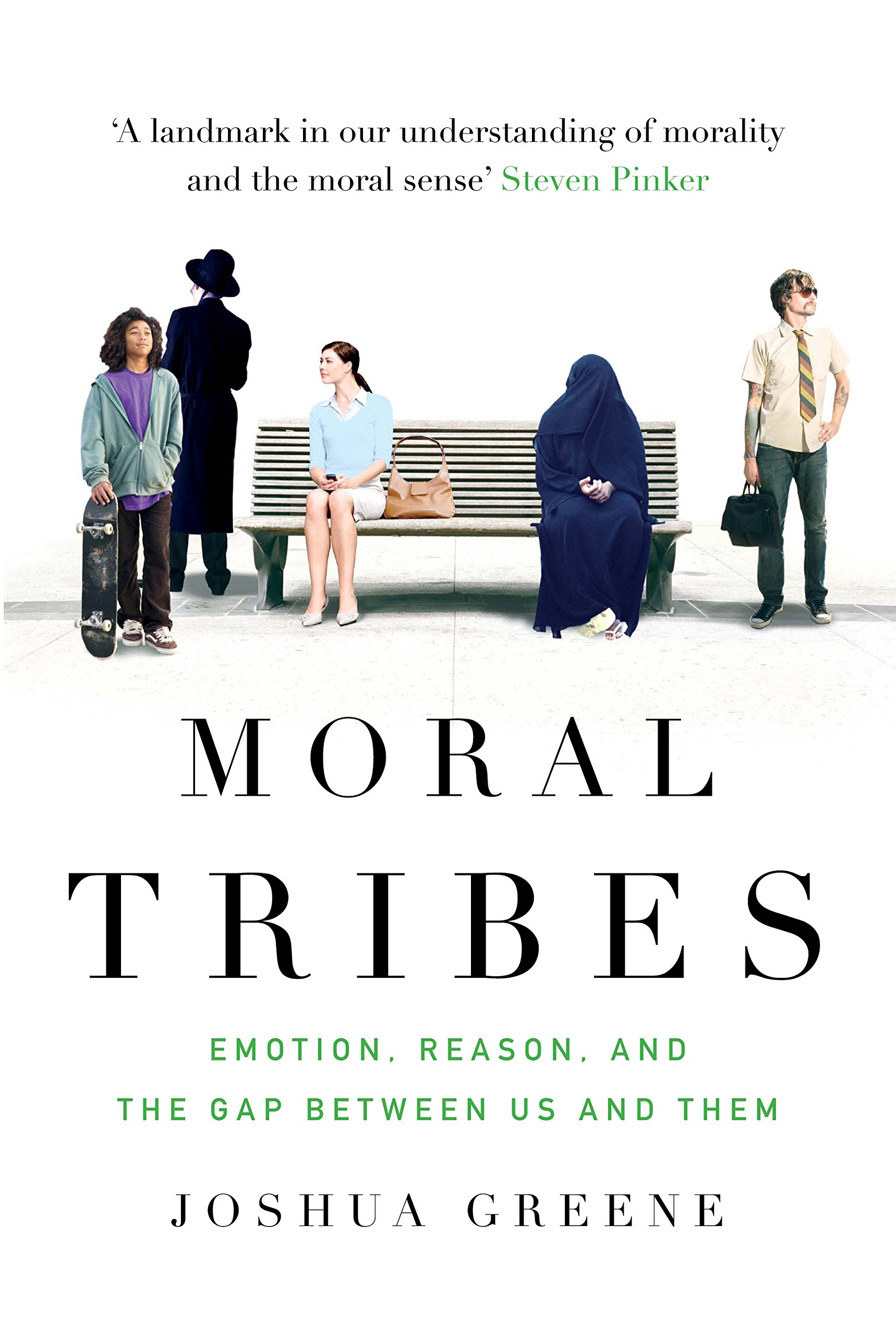
Joshua Greene's *Moral Tribes* delves into the psychology and neuroscience behind human morality, exploring why we often clash despite shared ethical foundations. He posits that our brains operate on two distinct modes – an intuitive, emotional "automatic settings" mode and a more deliberate, reasoning "manual mode" – and argues that understanding these modes is key to bridging divides between different moral "tribes."
This work shares a foundational kinship with Nagel's *The Possibility of Altruism* in its rigorous examination of the basis of moral reasoning and intersubjective obligation. Both authors grapple with the tension between individual perspectives and universal ethical demands, exploring the mechanisms by which seemingly self-interested beings can act altruistically or agree on overarching moral principles. Greene, like Nagel, seeks to deconstruct the "why" behind our moral choices and the potential for a shared ethical framework.
The book offers a compelling framework for understanding contemporary societal friction and global challenges. It illuminates the often-unconscious drivers of our moral convictions and provides practical insights into fostering greater cooperation and mutual understanding across cultural and ideological divides. Its exploration of moral psychology provides a critical lens for navigating an increasingly interconnected, yet polarized, world.
Moral Tribes: Emotion, Reason, and the Gap Between Us and Them
Joshua Greene's *Moral Tribes* delves into the psychology and neuroscience behind human morality, exploring why we often clash despite shared ethical foundations. He posits that our brains operate on two distinct modes – an intuitive, emotional "automatic settings" mode and a more deliberate, reasoning "manual mode" – and argues that understanding these modes is key to bridging divides between different moral "tribes."
This work shares a foundational kinship with Nagel's *The Possibility of Altruism* in its rigorous examination of the basis of moral reasoning and intersubjective obligation. Both authors grapple with the tension between individual perspectives and universal ethical demands, exploring the mechanisms by which seemingly self-interested beings can act altruistically or agree on overarching moral principles. Greene, like Nagel, seeks to deconstruct the "why" behind our moral choices and the potential for a shared ethical framework.
The book offers a compelling framework for understanding contemporary societal friction and global challenges. It illuminates the often-unconscious drivers of our moral convictions and provides practical insights into fostering greater cooperation and mutual understanding across cultural and ideological divides. Its exploration of moral psychology provides a critical lens for navigating an increasingly interconnected, yet polarized, world.
More Books to Explore
Discover more titles that expand on these ideas and themes.
Unto Others: The Evolution and Psychology of Unselfish Behavior
Practical Ethics
Anarchy, State, and Utopia
The Most Good You Can Do: How Effective Altruism Is Changing Ideas About Living Ethically
Free Will
On Human Nature