10 Books Similar to "The Perfect Wife"
by J.P. Delaney

The Perfect Marriage

"The Perfect Marriage" centers on Sarah Morgan, a high-powered defense attorney, whose seemingly idyllic life shatters when her husband, Adam, is accused of murdering his mistress. The narrative unfolds as Sarah takes on Adam's defense, plunging into a morally ambiguous world where marital secrets, infidelity, and hidden motives are gradually unearthed, questioning the very foundation of their relationship and the nature of truth itself.
This novel shares thematic DNA with "The Perfect Wife" through its exploration of the dark undercurrents beneath a seemingly perfect marital façade. Both books meticulously dissect the psychological complexities of a relationship tested by betrayal and the unraveling of long-held assumptions. They delve into the characters' inner lives, presenting unreliable narrators and twisting perceptions of reality.
This book will appeal to those who enjoy taut psychological thrillers centered on domestic suspense and marital intrigue. Its value lies in its compelling exploration of trust, delusion, and the lengths people go to protect their perceived realities or expose uncomfortable truths. The narrative's pacing and consistent reveals make it a gripping read, offering a satisfying blend of mystery and character-driven drama.
The Perfect Marriage
"The Perfect Marriage" centers on Sarah Morgan, a high-powered defense attorney, whose seemingly idyllic life shatters when her husband, Adam, is accused of murdering his mistress. The narrative unfolds as Sarah takes on Adam's defense, plunging into a morally ambiguous world where marital secrets, infidelity, and hidden motives are gradually unearthed, questioning the very foundation of their relationship and the nature of truth itself.
This novel shares thematic DNA with "The Perfect Wife" through its exploration of the dark undercurrents beneath a seemingly perfect marital façade. Both books meticulously dissect the psychological complexities of a relationship tested by betrayal and the unraveling of long-held assumptions. They delve into the characters' inner lives, presenting unreliable narrators and twisting perceptions of reality.
This book will appeal to those who enjoy taut psychological thrillers centered on domestic suspense and marital intrigue. Its value lies in its compelling exploration of trust, delusion, and the lengths people go to protect their perceived realities or expose uncomfortable truths. The narrative's pacing and consistent reveals make it a gripping read, offering a satisfying blend of mystery and character-driven drama.
The Girl Before
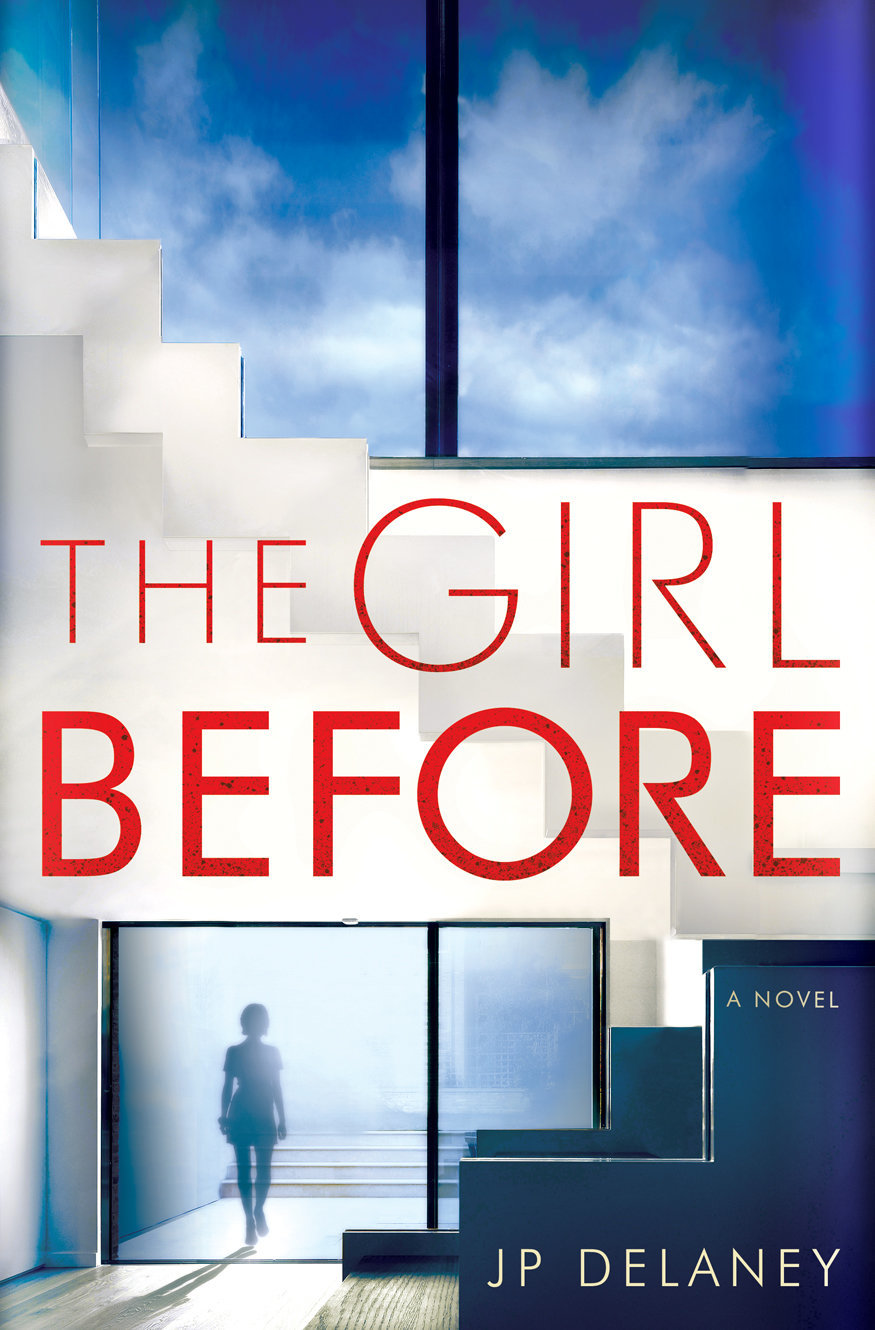
"The Girl Before" centers on Jane, a woman seeking a fresh start who moves into a minimalist, high-tech apartment designed by a brilliant but controlling architect. The previous tenant, Emma, died there under mysterious circumstances. As Jane navigates the house rules and the architect's intrusive presence, she uncovers unsettling parallels between her life and Emma's, hinting at a darker truth behind the architect's motives and the house's curated perfection.
This novel shares a striking resemblance with "The Perfect Wife" through its exploration of psychological manipulation and identity. Both feature protagonists who are subtly controlled and observed by a powerful, enigmatic male figure within an isolated, technologically advanced environment. The narratives skillfully interweave past and present perspectives, gradually revealing disturbing truths about the central relationships and the blurring lines between individuality and programmed existence.
This book offers a compelling narrative for those who appreciate meticulously crafted psychological thrillers. It delves into themes of consent, control, and the illusion of choice, prompting reflection on our relationships with technology and those who wield influence. Its tension-driven plot and insightful character studies provide both thrilling entertainment and thought-provoking commentary on modern anxieties.
The Girl Before
"The Girl Before" centers on Jane, a woman seeking a fresh start who moves into a minimalist, high-tech apartment designed by a brilliant but controlling architect. The previous tenant, Emma, died there under mysterious circumstances. As Jane navigates the house rules and the architect's intrusive presence, she uncovers unsettling parallels between her life and Emma's, hinting at a darker truth behind the architect's motives and the house's curated perfection.
This novel shares a striking resemblance with "The Perfect Wife" through its exploration of psychological manipulation and identity. Both feature protagonists who are subtly controlled and observed by a powerful, enigmatic male figure within an isolated, technologically advanced environment. The narratives skillfully interweave past and present perspectives, gradually revealing disturbing truths about the central relationships and the blurring lines between individuality and programmed existence.
This book offers a compelling narrative for those who appreciate meticulously crafted psychological thrillers. It delves into themes of consent, control, and the illusion of choice, prompting reflection on our relationships with technology and those who wield influence. Its tension-driven plot and insightful character studies provide both thrilling entertainment and thought-provoking commentary on modern anxieties.
The Ex-Wife

"The Ex-Wife" by Jess Ryder delves into the insidious paranoia haunting Natasha as her husband's ex-wife, Jen, seemingly infiltrates every aspect of their meticulously crafted new life. From cryptic messages to unsettling coincidences, Natasha grapples with the escalating suspicion that Jen is not only obsessed with her ex-husband but actively working to destroy their marriage and reputation. The narrative expertly builds tension through Natasha's isolated perspective, questioning what is real and what is a product of her unraveling mind, all while her perfect life teeters on the brink.
This novel shares significant thematic and structural DNA with "The Perfect Wife." Both books explore the psychological distress of a protagonist whose reality is subtly and sinisterly undermined by an external, seemingly manipulative, female figure. The common threads include unreliable narration, the erosion of trust within a seemingly idyllic marriage, and the unsettling question of who to believe when a perfectly constructed life begins to fray at the seams. Readers will recognize the deliberate pacing that builds suspense and the central mystery surrounding the true motives and sanity of key characters.
The appeal lies in its potent blend of domestic suspense and psychological thriller. This book offers a compelling exploration of gaslighting, obsession, and the fragility of perceived perfection, keeping one guessing until the final revelation. It provides a thrilling escape into a narrative rich with twists and turns, satisfying the desire for a well-crafted mystery that challenges assumptions about truth and perception.
The Ex-Wife
"The Ex-Wife" by Jess Ryder delves into the insidious paranoia haunting Natasha as her husband's ex-wife, Jen, seemingly infiltrates every aspect of their meticulously crafted new life. From cryptic messages to unsettling coincidences, Natasha grapples with the escalating suspicion that Jen is not only obsessed with her ex-husband but actively working to destroy their marriage and reputation. The narrative expertly builds tension through Natasha's isolated perspective, questioning what is real and what is a product of her unraveling mind, all while her perfect life teeters on the brink.
This novel shares significant thematic and structural DNA with "The Perfect Wife." Both books explore the psychological distress of a protagonist whose reality is subtly and sinisterly undermined by an external, seemingly manipulative, female figure. The common threads include unreliable narration, the erosion of trust within a seemingly idyllic marriage, and the unsettling question of who to believe when a perfectly constructed life begins to fray at the seams. Readers will recognize the deliberate pacing that builds suspense and the central mystery surrounding the true motives and sanity of key characters.
The appeal lies in its potent blend of domestic suspense and psychological thriller. This book offers a compelling exploration of gaslighting, obsession, and the fragility of perceived perfection, keeping one guessing until the final revelation. It provides a thrilling escape into a narrative rich with twists and turns, satisfying the desire for a well-crafted mystery that challenges assumptions about truth and perception.
A Perfect Husband
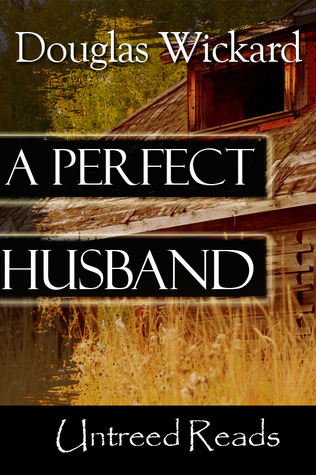
"A Perfect Husband" delves into the psychological complexities of a seemingly idyllic marriage, revealing the sinister undercurrents beneath a polished facade. The narrative follows Sarah, a woman whose life with her charismatic and successful husband, Jake, is disrupted by unsettling discoveries about his past and present activities. As Sarah unravels meticulously crafted lies, she confronts the chilling reality that the man she loves might be a dangerous imposter, ultimately forcing her to question everything she believed to be true.
The significant overlap with "The Perfect Wife" lies in both novels' exploration of domestic perfection as a gilded cage. Both feature female protagonists who uncover devastating secrets about their seemingly perfect partners, leading to a suspenseful dismantling of their identities and relationships. The central theme of unreliable perception, where the familiar becomes terrifyingly alien, binds these two narratives, cultivating a shared sense of unease and psychological tension.
This novel offers a compelling dissection of trust, identity, and the insidious nature of manipulation. It will appeal to those who appreciate sophisticated psychological thrillers that prioritize character depth and intricate plotting over gratuitous violence. The value lies in its nuanced portrayal of marital deception and the emotional toll of confronting uncomfortable truths, prompting reflection on appearances versus reality in personal relationships.
A Perfect Husband
"A Perfect Husband" delves into the psychological complexities of a seemingly idyllic marriage, revealing the sinister undercurrents beneath a polished facade. The narrative follows Sarah, a woman whose life with her charismatic and successful husband, Jake, is disrupted by unsettling discoveries about his past and present activities. As Sarah unravels meticulously crafted lies, she confronts the chilling reality that the man she loves might be a dangerous imposter, ultimately forcing her to question everything she believed to be true.
The significant overlap with "The Perfect Wife" lies in both novels' exploration of domestic perfection as a gilded cage. Both feature female protagonists who uncover devastating secrets about their seemingly perfect partners, leading to a suspenseful dismantling of their identities and relationships. The central theme of unreliable perception, where the familiar becomes terrifyingly alien, binds these two narratives, cultivating a shared sense of unease and psychological tension.
This novel offers a compelling dissection of trust, identity, and the insidious nature of manipulation. It will appeal to those who appreciate sophisticated psychological thrillers that prioritize character depth and intricate plotting over gratuitous violence. The value lies in its nuanced portrayal of marital deception and the emotional toll of confronting uncomfortable truths, prompting reflection on appearances versus reality in personal relationships.
The Perfect Divorce

"The Perfect Divorce" by Jeneva Rose follows Sarah, a woman whose seemingly idyllic marriage shatters, revealing a chilling conspiracy orchestrated by her soon-to-be ex-husband. As she navigates the emotionally fraught and legally complex terrain of her divorce, Sarah uncovers layers of dark secrets, forcing her to question everything she believed about her life and the man she married. It's a suspenseful journey of betrayal, manipulation, and Sarah's desperate fight for truth and self-preservation.
The similarity to "The Perfect Wife" lies in their shared exploration of psychological manipulation within a marital dynamic and the subsequent unravelling of a woman's reality. Both novels feature protagonists who are initially unaware of the extent of their husbands' control or sinister intentions, gradually exposing the horrifying truths behind their seemingly perfect unions. The themes of trust, betrayal, and the fight for autonomy against a controlling male figure are central to both narratives.
This novel will appeal to those who enjoy taut psychological thrillers centered on domestic suspense and marital deceit. Its value lies in its compelling narrative that keeps the reader guessing, offering a vicarious experience of piecing together a horrifying puzzle. The story delves into the psychological impact of gaslighting and betrayal, providing a cathartic, albeit intense, journey of a woman reclaiming her agency.
The Perfect Divorce
"The Perfect Divorce" by Jeneva Rose follows Sarah, a woman whose seemingly idyllic marriage shatters, revealing a chilling conspiracy orchestrated by her soon-to-be ex-husband. As she navigates the emotionally fraught and legally complex terrain of her divorce, Sarah uncovers layers of dark secrets, forcing her to question everything she believed about her life and the man she married. It's a suspenseful journey of betrayal, manipulation, and Sarah's desperate fight for truth and self-preservation.
The similarity to "The Perfect Wife" lies in their shared exploration of psychological manipulation within a marital dynamic and the subsequent unravelling of a woman's reality. Both novels feature protagonists who are initially unaware of the extent of their husbands' control or sinister intentions, gradually exposing the horrifying truths behind their seemingly perfect unions. The themes of trust, betrayal, and the fight for autonomy against a controlling male figure are central to both narratives.
This novel will appeal to those who enjoy taut psychological thrillers centered on domestic suspense and marital deceit. Its value lies in its compelling narrative that keeps the reader guessing, offering a vicarious experience of piecing together a horrifying puzzle. The story delves into the psychological impact of gaslighting and betrayal, providing a cathartic, albeit intense, journey of a woman reclaiming her agency.
Dear Wife
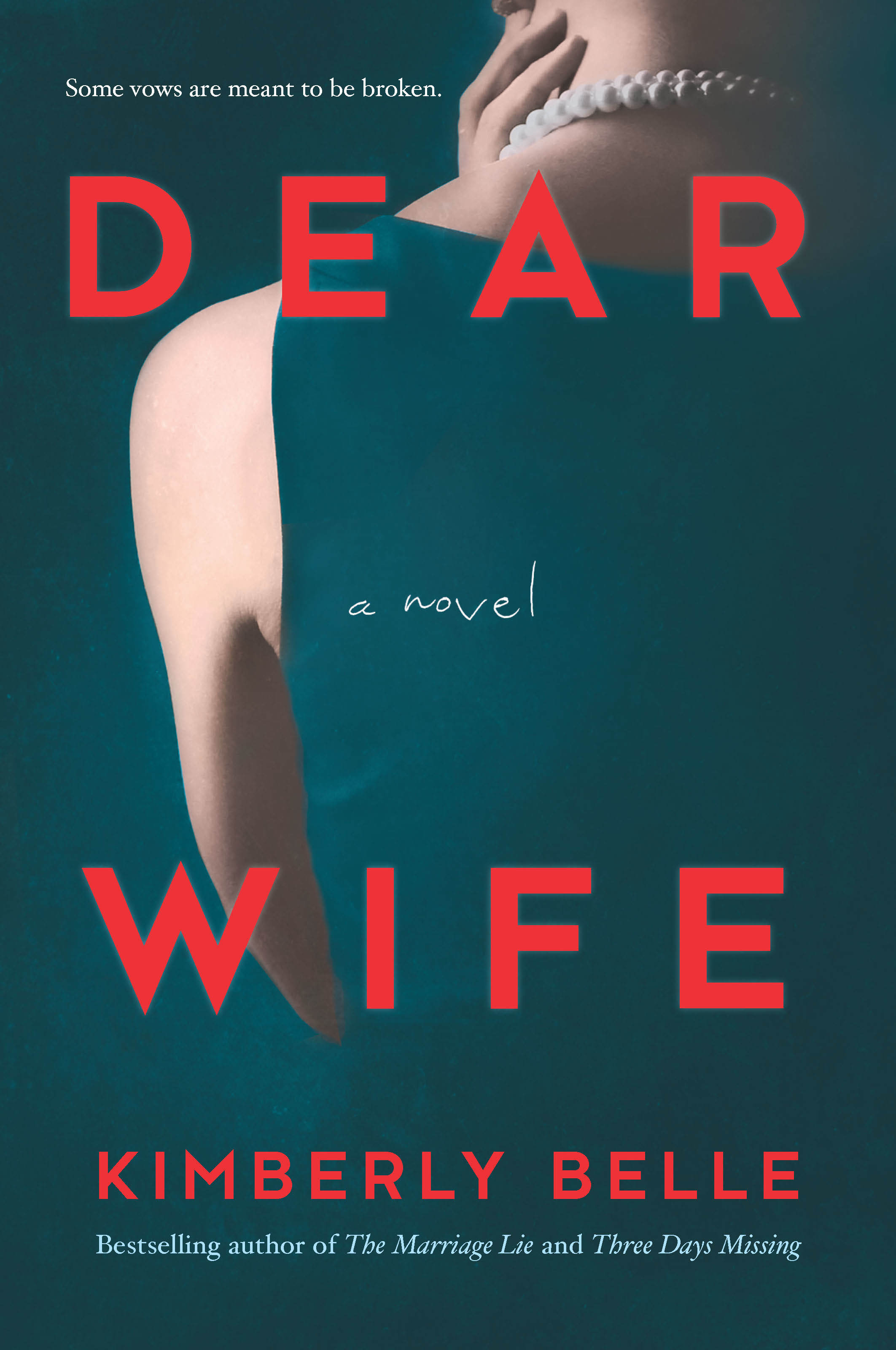
"Dear Wife" plunges into a high-stakes identity swap as a woman fleeing a controlling and dangerous man assumes the life of another, only for that new identity to unravel in terrifying ways. The narrative skillfully blurs lines between past and present, victim and perpetrator, as the protagonist struggles to maintain her fragile new existence amidst mounting suspicion and threats.
This novel shares a foundational premise with "The Perfect Wife": a woman manipulating her identity and past to escape a perilous reality, all while a powerful, manipulative male figure casts a long shadow. Both books explore themes of control, psychological manipulation, and the desperate lengths individuals will go to for survival and self-reinvention, often involving a perceived escape that proves more complicated than anticipated.
This story will appeal to those who enjoy taut psychological thrillers with unreliable narrators and intricate plots. Its value lies in its exploration of identity, agency, and the insidious nature of domestic control, offering a gripping narrative that keeps one guessing. The intricate web of deception and the protagonist's desperate fight for freedom provide both suspense and thought-provoking insights into human resilience.
Dear Wife
"Dear Wife" plunges into a high-stakes identity swap as a woman fleeing a controlling and dangerous man assumes the life of another, only for that new identity to unravel in terrifying ways. The narrative skillfully blurs lines between past and present, victim and perpetrator, as the protagonist struggles to maintain her fragile new existence amidst mounting suspicion and threats.
This novel shares a foundational premise with "The Perfect Wife": a woman manipulating her identity and past to escape a perilous reality, all while a powerful, manipulative male figure casts a long shadow. Both books explore themes of control, psychological manipulation, and the desperate lengths individuals will go to for survival and self-reinvention, often involving a perceived escape that proves more complicated than anticipated.
This story will appeal to those who enjoy taut psychological thrillers with unreliable narrators and intricate plots. Its value lies in its exploration of identity, agency, and the insidious nature of domestic control, offering a gripping narrative that keeps one guessing. The intricate web of deception and the protagonist's desperate fight for freedom provide both suspense and thought-provoking insights into human resilience.
One Perfect Couple

"One Perfect Couple" by Ruth Ware plunges readers into a high-stakes survival thriller. After a luxurious honeymoon to a deserted island resort goes disastrously wrong, a couple and their fellow travelers are stranded. As resources dwindle and rescue remains elusive, the group grapples with their primal instincts, escalating paranoia, and the horrifying realization that a killer may be among them. The narrative expertly builds tension through shifting perspectives and the deteriorating mental states of its characters.
This narrative echoes "The Perfect Wife" in its exploration of fractured relationships under extreme psychological pressure and the unsettling question of who can truly be trusted. Both novels meticulously unravel the dark secrets intertwined with seemingly ideal partnerships, forcing characters to confront uncomfortable truths about themselves and their loved ones when their foundations are shaken. The isolated setting in both amplifies the claustrophobic dread and internal conflicts.
Fans of psychological thrillers who appreciate a gripping, character-driven mystery with a strong undercurrent of suspense will find this compelling. The novel offers a profound look at human nature pushed to its limits, the fragility of trust, and the terrifying revelations that emerge when societal norms collapse. It's a valuable read for anyone seeking a thought-provoking and intensely thrilling exploration of survival and betrayal.
One Perfect Couple
"One Perfect Couple" by Ruth Ware plunges readers into a high-stakes survival thriller. After a luxurious honeymoon to a deserted island resort goes disastrously wrong, a couple and their fellow travelers are stranded. As resources dwindle and rescue remains elusive, the group grapples with their primal instincts, escalating paranoia, and the horrifying realization that a killer may be among them. The narrative expertly builds tension through shifting perspectives and the deteriorating mental states of its characters.
This narrative echoes "The Perfect Wife" in its exploration of fractured relationships under extreme psychological pressure and the unsettling question of who can truly be trusted. Both novels meticulously unravel the dark secrets intertwined with seemingly ideal partnerships, forcing characters to confront uncomfortable truths about themselves and their loved ones when their foundations are shaken. The isolated setting in both amplifies the claustrophobic dread and internal conflicts.
Fans of psychological thrillers who appreciate a gripping, character-driven mystery with a strong undercurrent of suspense will find this compelling. The novel offers a profound look at human nature pushed to its limits, the fragility of trust, and the terrifying revelations that emerge when societal norms collapse. It's a valuable read for anyone seeking a thought-provoking and intensely thrilling exploration of survival and betrayal.
The Perfect Husband

"The Perfect Husband" unravels the chilling tale of Tess, a woman who wakes from a coma with amnesia, only to discover she's married to a man suspected of being a serial killer. As she attempts to piece together her past and understand her husband's true nature, she grapples with fragmented memories and unsettling truths, forcing her to confront the terrifying possibility that the man she loves is a monster.
The similarity to "The Perfect Wife" lies in their shared exploration of unreliable female protagonists navigating marriages clouded by deceit, manipulation, and hidden identities. Both novels feature a central mystery surrounding a spouse's true character, forcing the protagonist, and consequently the reader, to question reality and trust. They skillfully employ psychological suspense to keep the audience off balance.
This novel will appeal to those who appreciate a meticulously crafted psychological thriller that delves into the dark underbelly of relationships and identity. Its value lies in its taut narrative, compelling character development, and the expertly maintained ambiguity that compels continuous engagement as the truth slowly and unsettlingly surfaces.
The Perfect Husband
"The Perfect Husband" unravels the chilling tale of Tess, a woman who wakes from a coma with amnesia, only to discover she's married to a man suspected of being a serial killer. As she attempts to piece together her past and understand her husband's true nature, she grapples with fragmented memories and unsettling truths, forcing her to confront the terrifying possibility that the man she loves is a monster.
The similarity to "The Perfect Wife" lies in their shared exploration of unreliable female protagonists navigating marriages clouded by deceit, manipulation, and hidden identities. Both novels feature a central mystery surrounding a spouse's true character, forcing the protagonist, and consequently the reader, to question reality and trust. They skillfully employ psychological suspense to keep the audience off balance.
This novel will appeal to those who appreciate a meticulously crafted psychological thriller that delves into the dark underbelly of relationships and identity. Its value lies in its taut narrative, compelling character development, and the expertly maintained ambiguity that compels continuous engagement as the truth slowly and unsettlingly surfaces.
The Wife Between Us
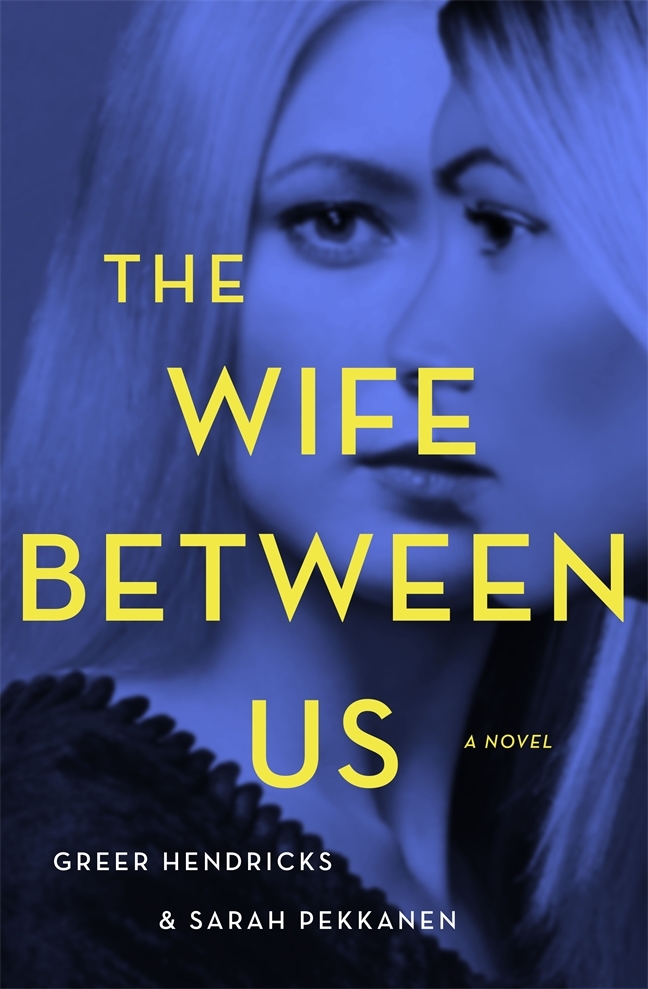
"The Wife Between Us" revolves around a cunning narrative structure, initially presenting as a psychological thriller about a woman observing her ex-husband's engagement to a younger woman. However, the story expertly twists this premise, revealing that the observer is not who she seems, and the dynamics between the ex-wife, the new fiancée, and the seemingly charming husband are far more complex and dangerous than first imagined. It's a tale of manipulation, identity, and the lengths one goes to escape a suffocating past.
This novel shares a significant thematic and structural kinship with "The Perfect Wife." Both books masterfully employ unreliable narration and significant plot twists to subvert reader expectations. They delve into relationships where appearances are deceptive, exposing the unsettling truths hidden beneath a seemingly idyllic surface. The core similarity lies in their exploration of coercive control and the protagonist’s journey to reclaim agency from a manipulative partner, often through unconventional or morally ambiguous means.
The intricate plotting and constant sense of unease will captivate those who appreciate intelligent psychological suspense. The skillful misdirection and eventual revelation offer a profoundly satisfying reading experience, prompting reflection on perception and reality. It provides valuable insight into the insidious nature of control within relationships and the resilience required to break free.
The Wife Between Us
"The Wife Between Us" revolves around a cunning narrative structure, initially presenting as a psychological thriller about a woman observing her ex-husband's engagement to a younger woman. However, the story expertly twists this premise, revealing that the observer is not who she seems, and the dynamics between the ex-wife, the new fiancée, and the seemingly charming husband are far more complex and dangerous than first imagined. It's a tale of manipulation, identity, and the lengths one goes to escape a suffocating past.
This novel shares a significant thematic and structural kinship with "The Perfect Wife." Both books masterfully employ unreliable narration and significant plot twists to subvert reader expectations. They delve into relationships where appearances are deceptive, exposing the unsettling truths hidden beneath a seemingly idyllic surface. The core similarity lies in their exploration of coercive control and the protagonist’s journey to reclaim agency from a manipulative partner, often through unconventional or morally ambiguous means.
The intricate plotting and constant sense of unease will captivate those who appreciate intelligent psychological suspense. The skillful misdirection and eventual revelation offer a profoundly satisfying reading experience, prompting reflection on perception and reality. It provides valuable insight into the insidious nature of control within relationships and the resilience required to break free.
Lie to Me
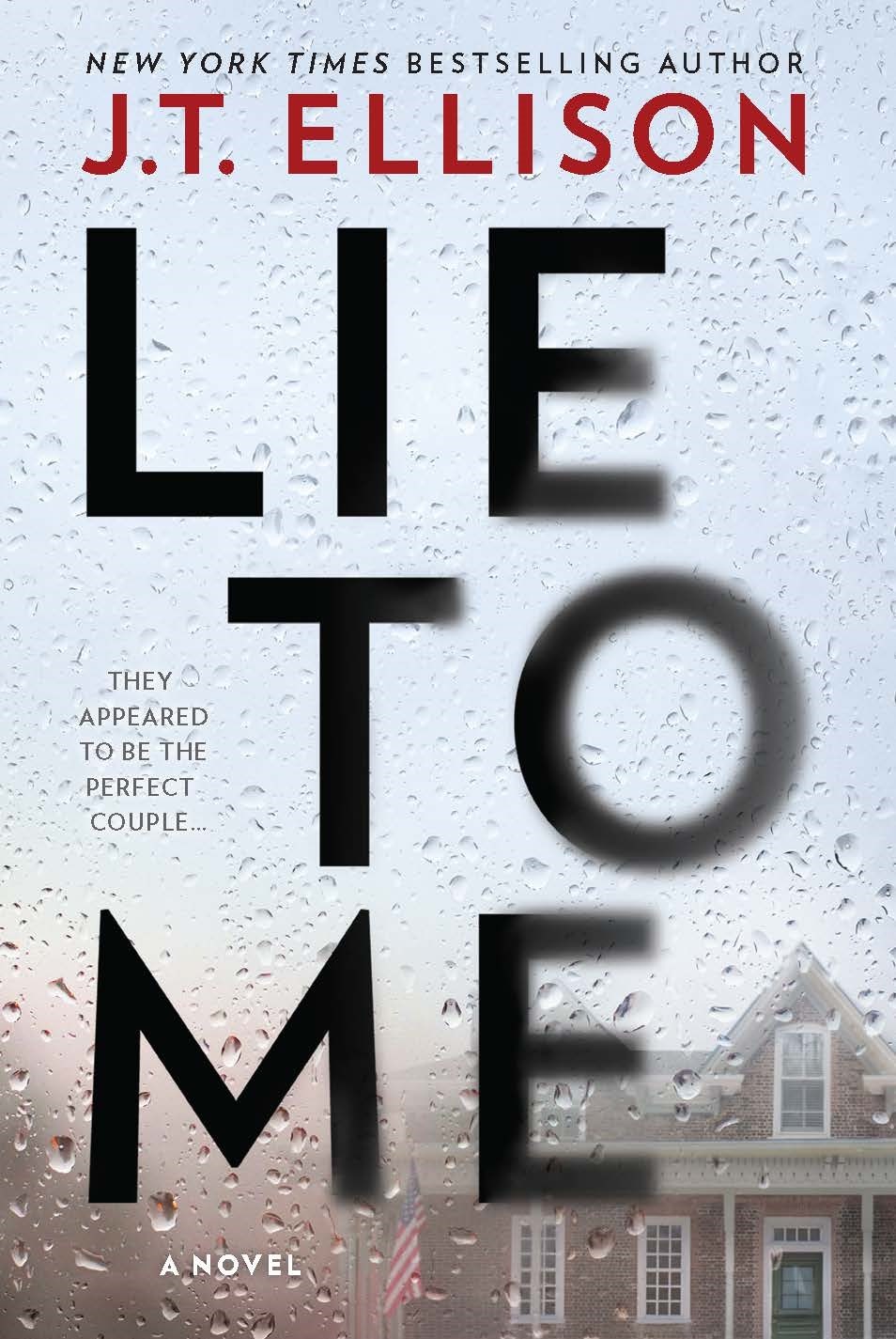
J.T. Ellison's “Lie to Me” revolves around a successful author, Sutton Montclair, whose seemingly perfect life unravels when her novelist husband, Brett, vanishes. As the investigation progresses, Sutton's own credibility is questioned, revealing a tangled web of secrets, ambition, and betrayal hidden beneath their polished facade. The narrative expertly delves into the psychological complexities of marriage and the narratives we construct around ourselves.
This novel shares a striking resemblance to "The Perfect Wife" in its exploration of deceptive relationships and the fragile nature of perceived perfection. Both books feature a central female protagonist whose understanding of her spouse is profoundly challenged by a shocking event, forcing her to confront uncomfortable truths about their shared life. The core suspense in both arises from unraveling the true identity and motivations of a seemingly devoted partner.
It will deeply engage those who appreciate psychological thrillers centered on marital secrets and unreliable narrators. The intricate plotting and character-driven suspense offer a compelling examination of trust, identity, and the lengths people go to protect their perceived realities. Its value lies in its astute commentary on the masks we wear and the unsettling realization that even those closest to us can harbor dangerous truths.
Lie to Me
J.T. Ellison's “Lie to Me” revolves around a successful author, Sutton Montclair, whose seemingly perfect life unravels when her novelist husband, Brett, vanishes. As the investigation progresses, Sutton's own credibility is questioned, revealing a tangled web of secrets, ambition, and betrayal hidden beneath their polished facade. The narrative expertly delves into the psychological complexities of marriage and the narratives we construct around ourselves.
This novel shares a striking resemblance to "The Perfect Wife" in its exploration of deceptive relationships and the fragile nature of perceived perfection. Both books feature a central female protagonist whose understanding of her spouse is profoundly challenged by a shocking event, forcing her to confront uncomfortable truths about their shared life. The core suspense in both arises from unraveling the true identity and motivations of a seemingly devoted partner.
It will deeply engage those who appreciate psychological thrillers centered on marital secrets and unreliable narrators. The intricate plotting and character-driven suspense offer a compelling examination of trust, identity, and the lengths people go to protect their perceived realities. Its value lies in its astute commentary on the masks we wear and the unsettling realization that even those closest to us can harbor dangerous truths.
More Books to Explore
Discover more titles that expand on these ideas and themes.
The Perfect Marriage
The Girl Before
The Ex-Wife
A Perfect Husband
The Perfect Divorce
Dear Wife