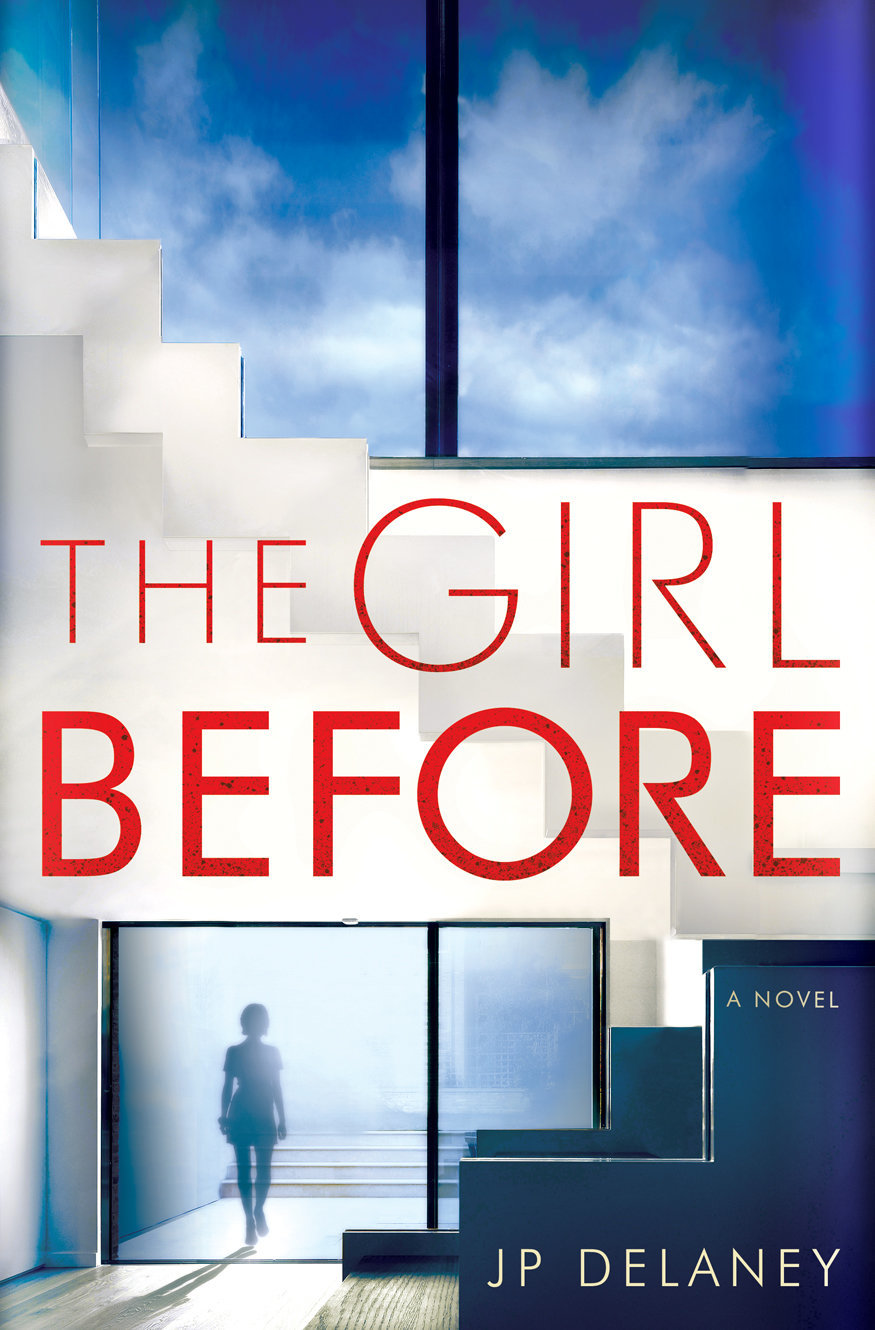
The Girl Before
Book Description
Two women, bound by a hauntingly modern house, discover that their lives are entwined in ways they never imagined. As one seeks escape from a troubled past and the other craves perfection in her new surroundings, they each confront the chilling secrets hidden within the sleek walls of this architectural marvel. Tension builds when a sinister connection to a tragic event surfaces, forcing them to question everything: their choices, their trust, and the very nature of their desires. What happens when the boundaries between the past and present blur into a dangerous game of survival?
Quick Book Summary
"The Girl Before" by J.P. Delaney is a gripping psychological thriller that intertwines the lives of two women—Emma and Jane—who, at different times, move into the same ultra-modern, minimalist house designed by the enigmatic architect Edward Monkford. Both women, drawn to the promise of a new beginning, must adhere to Monkford's strict and unusual rules to live in the house. As Jane becomes increasingly obsessed with the tragic fate of Emma, who previously lived there, she uncovers disturbing secrets about the house, its creator, and the dark events that bind her intimately to Emma. The novel is a tense exploration of obsession, control, and the patterns that repeat in both life and architecture, raising deep questions about trust, vulnerability, and the cost of seeking perfection.





Summary of Key Ideas
Table of Contents
Obsession with Perfection and Control
The novel alternates between the perspectives of Emma and Jane, two women with troubled pasts who are seeking fresh starts. Both apply to live in One Folgate Street, a cutting-edge, minimalist home designed by the controlling architect Edward Monkford. To become tenants, they must answer invasive questions and agree to dozens of strict rules, embodying Edward's vision of perfection and emphasizing control and purity. The house, with its advanced technology, adjusts to its occupants' behaviors, further intensifying the atmosphere of surveillance and restriction.
The Impact of Trauma and Desire for Renewal
Emma, running from a traumatic home invasion, hopes the sterile, ordered environment will help her heal and reclaim control over her life. However, her relationship with Edward becomes increasingly intense and unsettling. She soon finds herself drawn into a web of manipulation and secrecy, as cracks in the house's serene façade—and in Edward himself—begin to show. Emma's narrative unfolds toward a tragic end, her death lingering as an unsolved mystery for the reader and for Jane in the present timeline.
Repetition of Patterns and Fate
Jane's arrival at One Folgate Street happens after a personal tragedy: the loss of her baby. She is captivated by the opportunity for a new beginning and fascinated by the story of Emma's demise. As Jane navigates her own relationship with Edward and the house, she is haunted by parallels between her experiences and those of Emma. The house's data-driven scrutiny and Edward's controlling nature raise suspicions, driving Jane to investigate the truth behind Emma's fate and the house's dark history.
Manipulation and Power Dynamics
Central themes emerge around the allure and danger of chasing perfection. Both protagonists seek solace and identity through the house's order, but this quest leads them into dangerous territory, exposing vulnerabilities that Edward exploits. The repetition of patterns—romantic, psychological, and architectural—connects Emma's and Jane's stories, suggesting a cyclical quality to trauma, control, and victimhood. The minimalist design of the house becomes a metaphor for the characters' attempts to erase the messiness of their pasts, but ultimately reveals deeper complications.
Unraveling the Mystery of the Past
As Jane pieces together Emma's final days, the narrative's tension escalates. Uncertainty surrounds Edward's true intentions and the secrets buried in the house's design. The novel concludes with Jane confronting the truth—the blurred line between victim and survivor, and the realization of her own agency. "The Girl Before" leaves readers questioning the cost of starting over, the dangers of submission to rigid ideals, and the instability of trust, both in ourselves and in others.
Download This Summary
Get a free PDF of this summary instantly — no email required.