10 Books Similar to "The Murder of Roger Ackroyd"
by Agatha Christie

The Mysterious Affair at Styles
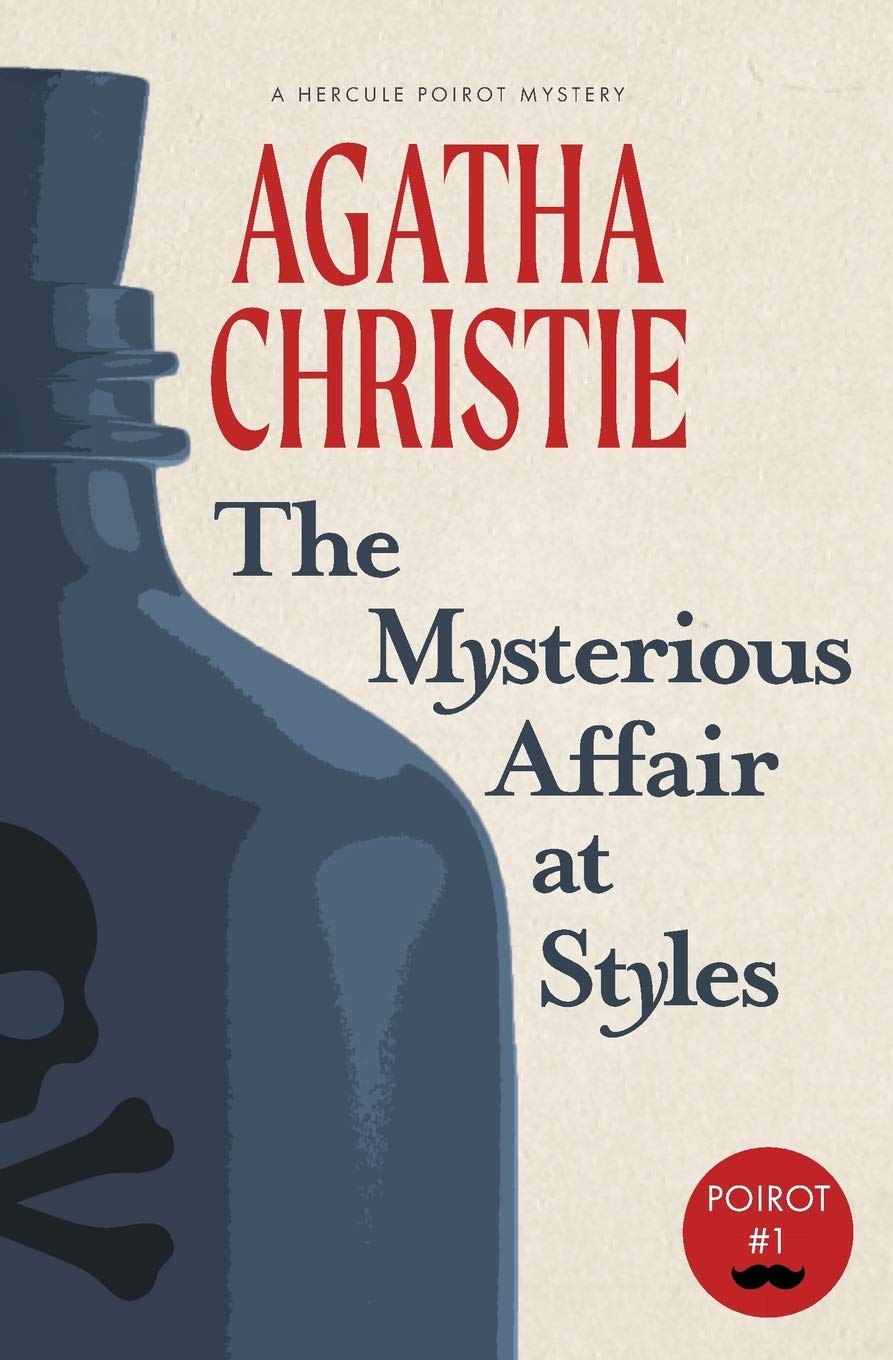
In "The Mysterious Affair at Styles," we encounter Agatha Christie's iconic detective, Hercule Poirot, for the very first time. The novel plunges us into a classic country house mystery: Emily Inglethorp, a wealthy matriarch, is poisoned. With several family members and a new, much younger husband as prime suspects, Poirot, a Belgian refugee recuperating nearby, applies his unparalleled powers of deduction to unravel the intricate web of deceit and uncover the surprising killer.
The similarity to "The Murder of Roger Ackroyd" lies in their shared DNA as quintessential Christie whodunits featuring a meticulous detective, a contained setting, and a shocking, unexpected culprit. Both novels showcase Christie's masterful misdirection and her ability to plant subtle clues while distracting the reader with red herrings. Moreover, both stories feature a significant and surprising twist in the killer's identity, challenging preconceived notions about who commits such a crime.
This novel will appeal to those who appreciate a meticulously crafted puzzle, a testament to the golden age of detective fiction. It offers a foundational understanding of Christie's genius, showcasing her early development of narrative strategy and characterization. Engaging with this book provides insight into the origins of a literary legend and a satisfying intellectual challenge, proving its value to anyone interested in the evolution of the mystery genre.
The Mysterious Affair at Styles
In "The Mysterious Affair at Styles," we encounter Agatha Christie's iconic detective, Hercule Poirot, for the very first time. The novel plunges us into a classic country house mystery: Emily Inglethorp, a wealthy matriarch, is poisoned. With several family members and a new, much younger husband as prime suspects, Poirot, a Belgian refugee recuperating nearby, applies his unparalleled powers of deduction to unravel the intricate web of deceit and uncover the surprising killer.
The similarity to "The Murder of Roger Ackroyd" lies in their shared DNA as quintessential Christie whodunits featuring a meticulous detective, a contained setting, and a shocking, unexpected culprit. Both novels showcase Christie's masterful misdirection and her ability to plant subtle clues while distracting the reader with red herrings. Moreover, both stories feature a significant and surprising twist in the killer's identity, challenging preconceived notions about who commits such a crime.
This novel will appeal to those who appreciate a meticulously crafted puzzle, a testament to the golden age of detective fiction. It offers a foundational understanding of Christie's genius, showcasing her early development of narrative strategy and characterization. Engaging with this book provides insight into the origins of a literary legend and a satisfying intellectual challenge, proving its value to anyone interested in the evolution of the mystery genre.
Murder at the Vicarage

"Murder at the Vicarage" plunges into a seemingly placid English village, St. Mary Mead, where the universally disliked Colonel Protheroe is found murdered in the vicar's study. The local vicar, Leonard Clement, becomes embroiled in the investigation alongside the keen observations of the now-iconic spinster, Miss Marple. The narrative unravels a complex web of village gossip, secret liaisons, and long-held resentments, as multiple suspects with strong motives emerge.
This novel shares a remarkable kinship with "The Murder of Roger Ackroyd" primarily through its masterful deployment of the closed-circle mystery. Both stories confine the investigation to a limited cast within a tight-knit community, forcing the detective to dissect the psychology and hidden histories of familiar faces. Furthermore, both brilliantly employ misdirection and innovative narrative techniques to challenge reader assumptions about the supposed infallibility of the narrator or key figures.
The appeal of "Murder at the Vicarage" lies in its quintessential golden age mystery structure, offering a meticulously crafted puzzle with a satisfying, albeit often surprising, resolution. Its exploration of human nature's darker undercurrents flourishing beneath a veneer of respectability, alongside the introduction of the shrewd Miss Marple, provides enduring entertainment and a compelling study of village life's intricate social dynamics.
Murder at the Vicarage
"Murder at the Vicarage" plunges into a seemingly placid English village, St. Mary Mead, where the universally disliked Colonel Protheroe is found murdered in the vicar's study. The local vicar, Leonard Clement, becomes embroiled in the investigation alongside the keen observations of the now-iconic spinster, Miss Marple. The narrative unravels a complex web of village gossip, secret liaisons, and long-held resentments, as multiple suspects with strong motives emerge.
This novel shares a remarkable kinship with "The Murder of Roger Ackroyd" primarily through its masterful deployment of the closed-circle mystery. Both stories confine the investigation to a limited cast within a tight-knit community, forcing the detective to dissect the psychology and hidden histories of familiar faces. Furthermore, both brilliantly employ misdirection and innovative narrative techniques to challenge reader assumptions about the supposed infallibility of the narrator or key figures.
The appeal of "Murder at the Vicarage" lies in its quintessential golden age mystery structure, offering a meticulously crafted puzzle with a satisfying, albeit often surprising, resolution. Its exploration of human nature's darker undercurrents flourishing beneath a veneer of respectability, alongside the introduction of the shrewd Miss Marple, provides enduring entertainment and a compelling study of village life's intricate social dynamics.
Mrs. McGinty's Dead

"Mrs. McGinty's Dead" sees Superintendent Spence requesting Hercule Poirot’s assistance when a seemingly open-and-shut murder case, where a young man is convicted of killing his landlady, Mrs. McGinty, feels unsettlingly wrong. Poirot delves into the sleepy village, uncovering a tangled web of past secrets, hidden identities, and long-buried scandals that suggest Mrs. McGinty knew too much about someone's hidden past.
Both novels feature Poirot investigating crimes where the initial suspect seems obvious, yet further scrutiny reveals a more complex, almost impossible truth. "The Murder of Roger Ackroyd" famously plays with narrative perspective to conceal the killer, while "Mrs. McGinty's Dead" similarly uses hidden identities and carefully constructed facades to mislead. Each story showcases Christie's masterful misdirection and meticulous plotting.
This book offers a classic Christie experience, delivering a satisfyingly complex puzzle that tests Poirot's deductive brilliance. It's a superb example of how hidden histories and suppressed truths can have devastating consequences, providing a rewarding intellectual exercise and a deep dive into human nature's darker corners. The intricate plotting and unexpected twists are sure to engage any mystery aficionado.
Mrs. McGinty's Dead
"Mrs. McGinty's Dead" sees Superintendent Spence requesting Hercule Poirot’s assistance when a seemingly open-and-shut murder case, where a young man is convicted of killing his landlady, Mrs. McGinty, feels unsettlingly wrong. Poirot delves into the sleepy village, uncovering a tangled web of past secrets, hidden identities, and long-buried scandals that suggest Mrs. McGinty knew too much about someone's hidden past.
Both novels feature Poirot investigating crimes where the initial suspect seems obvious, yet further scrutiny reveals a more complex, almost impossible truth. "The Murder of Roger Ackroyd" famously plays with narrative perspective to conceal the killer, while "Mrs. McGinty's Dead" similarly uses hidden identities and carefully constructed facades to mislead. Each story showcases Christie's masterful misdirection and meticulous plotting.
This book offers a classic Christie experience, delivering a satisfyingly complex puzzle that tests Poirot's deductive brilliance. It's a superb example of how hidden histories and suppressed truths can have devastating consequences, providing a rewarding intellectual exercise and a deep dive into human nature's darker corners. The intricate plotting and unexpected twists are sure to engage any mystery aficionado.
Three Act Tragedy

"Three Act Tragedy" presents a captivating mystery centered around Sir Charles Cartwright, an esteemed actor, whose seemingly innocent dinner party turns deadly when a vicar chokes to death on a cocktail. As further, similarly inexplicable deaths unfold, the legendary Hercule Poirot is drawn into a complex web of deception, challenging his acumen to distinguish between accident, suicide, and meticulously planned murder on a grand stage.
This novel echoes "The Murder of Roger Ackroyd" in its brilliant subversion of reader expectations concerning the narrator and the perpetrator. Christie masterfully employs narrative misdirection, leading the audience down a particular path only to reveal an unexpected twist in the killer's identity, often someone who has been present, if not central, to the unfolding drama from the very beginning. Both books showcase her genius for crafting seemingly insoluble puzzles rooted in human psychology.
This title offers a compelling intellectual exercise for those who appreciate meticulously constructed plots and psychological depth. Its intricate design, coupled with Christie's signature ability to shock and surprise, provides an immensely satisfying reading experience. The exploration of appearance versus reality, a recurring theme in Christie's best work, will resonate deeply with fans of classic detective fiction.
Three Act Tragedy
"Three Act Tragedy" presents a captivating mystery centered around Sir Charles Cartwright, an esteemed actor, whose seemingly innocent dinner party turns deadly when a vicar chokes to death on a cocktail. As further, similarly inexplicable deaths unfold, the legendary Hercule Poirot is drawn into a complex web of deception, challenging his acumen to distinguish between accident, suicide, and meticulously planned murder on a grand stage.
This novel echoes "The Murder of Roger Ackroyd" in its brilliant subversion of reader expectations concerning the narrator and the perpetrator. Christie masterfully employs narrative misdirection, leading the audience down a particular path only to reveal an unexpected twist in the killer's identity, often someone who has been present, if not central, to the unfolding drama from the very beginning. Both books showcase her genius for crafting seemingly insoluble puzzles rooted in human psychology.
This title offers a compelling intellectual exercise for those who appreciate meticulously constructed plots and psychological depth. Its intricate design, coupled with Christie's signature ability to shock and surprise, provides an immensely satisfying reading experience. The exploration of appearance versus reality, a recurring theme in Christie's best work, will resonate deeply with fans of classic detective fiction.
Murder Is Easy

"Murder Is Easy" follows Luke Fitzwilliam, a retired policeman, who inadvertently stumbles upon a chilling series of deaths in a seemingly idyllic English village. After encountering Miss Pinkerton, a woman convinced these "accidents" are actually murders, Fitzwilliam finds himself immersed in a world of quiet malevolence, attempting to uncover a killer before they strike again. It's a classic Christie whodunit focusing on psychological suspense and the insidious nature of evil hiding in plain sight.
The similarity to "The Murder of Roger Ackroyd" lies in their shared exploration of unreliable narratives and the subversion of reader expectations. Both novels masterfully employ a seemingly conventional murder mystery setup, only to deliver shocking, unexpected twists that fundamentally reframe the entire story. The killer's identity, and the method by which they operate, become astonishing revelations in both narratives, forcing a re-evaluation of everything previously understood.
This novel offers readers a compelling dive into Christie's mastery of plot construction and character deception. It's valuable for its intelligent plotting, the slow-burn tension, and the profound surprise embedded at its core. Fans of psychological suspense and those who appreciate a truly clever, original mystery will be captivated by its intricate design and thought-provoking resolution, making it a rewarding and memorable reading experience.
Murder Is Easy
"Murder Is Easy" follows Luke Fitzwilliam, a retired policeman, who inadvertently stumbles upon a chilling series of deaths in a seemingly idyllic English village. After encountering Miss Pinkerton, a woman convinced these "accidents" are actually murders, Fitzwilliam finds himself immersed in a world of quiet malevolence, attempting to uncover a killer before they strike again. It's a classic Christie whodunit focusing on psychological suspense and the insidious nature of evil hiding in plain sight.
The similarity to "The Murder of Roger Ackroyd" lies in their shared exploration of unreliable narratives and the subversion of reader expectations. Both novels masterfully employ a seemingly conventional murder mystery setup, only to deliver shocking, unexpected twists that fundamentally reframe the entire story. The killer's identity, and the method by which they operate, become astonishing revelations in both narratives, forcing a re-evaluation of everything previously understood.
This novel offers readers a compelling dive into Christie's mastery of plot construction and character deception. It's valuable for its intelligent plotting, the slow-burn tension, and the profound surprise embedded at its core. Fans of psychological suspense and those who appreciate a truly clever, original mystery will be captivated by its intricate design and thought-provoking resolution, making it a rewarding and memorable reading experience.
The Murder on the Links

"The Murder on the Links" plunges Hercule Poirot into a complex case on the French coast, where a millionaire is found stabbed to death on a golf course. The investigation uncovers a web of secrets, love triangles, and hidden identities, with several suspects each harboring plausible motives and shifting alibis. Poirot must untangle the intricate relationships and timelines to expose the true killer amidst a series of baffling clues.
Both novels feature a seemingly straightforward murder that spirals into a surprisingly intricate and psychologically driven mystery. A core similarity lies in the masterful manipulation of reader expectations and the unreliable narratives presented by various characters. Each book presents a seemingly unassailable alibi or circumstance that Poirot meticulously dismantles, revealing the hidden truths that underpin the crime.
This novel offers the intellectual satisfaction of a meticulously crafted puzzle, characteristic of Christie's best work. Its complex plotting and character dynamics provide an engaging challenge for those who appreciate a well-constructed "whodunit." The exploration of human fallibility and the subtle deconstruction of perceived realities offer a rewarding experience for any admirer of classic detective fiction.
The Murder on the Links
"The Murder on the Links" plunges Hercule Poirot into a complex case on the French coast, where a millionaire is found stabbed to death on a golf course. The investigation uncovers a web of secrets, love triangles, and hidden identities, with several suspects each harboring plausible motives and shifting alibis. Poirot must untangle the intricate relationships and timelines to expose the true killer amidst a series of baffling clues.
Both novels feature a seemingly straightforward murder that spirals into a surprisingly intricate and psychologically driven mystery. A core similarity lies in the masterful manipulation of reader expectations and the unreliable narratives presented by various characters. Each book presents a seemingly unassailable alibi or circumstance that Poirot meticulously dismantles, revealing the hidden truths that underpin the crime.
This novel offers the intellectual satisfaction of a meticulously crafted puzzle, characteristic of Christie's best work. Its complex plotting and character dynamics provide an engaging challenge for those who appreciate a well-constructed "whodunit." The exploration of human fallibility and the subtle deconstruction of perceived realities offer a rewarding experience for any admirer of classic detective fiction.
The A.B.C. Murders
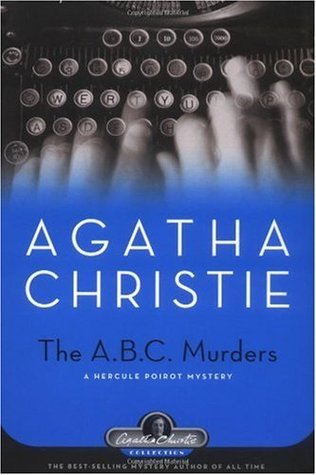
"The A.B.C. Murders" involves Hercule Poirot investigating a series of seemingly random killings in England, each preceded by a letter sent to him by a mysterious individual signing themselves "A.B.C." The murders occur in alphabetical order, targeting individuals whose names and towns also begin with the corresponding letter. The police initially struggle to connect the crimes, leaving Poirot to decipher the killer’s motive and method amidst mounting public hysteria and seemingly disparate clues.
This novel shares a key structural similarity with "The Murder of Roger Ackroyd" in its innovative approach to the reveal of the murderer. Both books challenge conventional expectations of detective fiction, presenting a solution that subtly subverts the reader's assumptions about narrative perspective and the nature of evidence, leading to a memorable and impactful conclusion. The genius of the deception lies in plain sight.
The intricate puzzle-box narrative and the audacious twist ending offer immense satisfaction. It provides a masterclass in misdirection and psychological manipulation, inviting careful analysis of every detail. The lasting appeal lies in the intellectual challenge it poses, rewarding close attention with a truly surprising and meticulously constructed resolution that redefines the genre's possibilities.
The A.B.C. Murders
"The A.B.C. Murders" involves Hercule Poirot investigating a series of seemingly random killings in England, each preceded by a letter sent to him by a mysterious individual signing themselves "A.B.C." The murders occur in alphabetical order, targeting individuals whose names and towns also begin with the corresponding letter. The police initially struggle to connect the crimes, leaving Poirot to decipher the killer’s motive and method amidst mounting public hysteria and seemingly disparate clues.
This novel shares a key structural similarity with "The Murder of Roger Ackroyd" in its innovative approach to the reveal of the murderer. Both books challenge conventional expectations of detective fiction, presenting a solution that subtly subverts the reader's assumptions about narrative perspective and the nature of evidence, leading to a memorable and impactful conclusion. The genius of the deception lies in plain sight.
The intricate puzzle-box narrative and the audacious twist ending offer immense satisfaction. It provides a masterclass in misdirection and psychological manipulation, inviting careful analysis of every detail. The lasting appeal lies in the intellectual challenge it poses, rewarding close attention with a truly surprising and meticulously constructed resolution that redefines the genre's possibilities.
Lord Edgware Dies
"Lord Edgware Dies" plunges Hercule Poirot into a perplexing case when the titular nobleman is found murdered shortly after his estranged actress wife, Jane Wilkinson, explicitly wished him dead. The police have a seemingly open-and-shut case, as Jane even openly admitted to contemplating the act. However, Poirot soon discovers a web of complicated relationships, hidden motives, and impeccable alibis, forcing him to unravel a deeply intricate mystery where nothing is quite as it appears.
The novel shares a striking structural affinity with "The Murder of Roger Ackroyd" in its audacious subversion of narrative expectations concerning the murderer’s identity. Both books masterfully play with reader assumptions about reliable narrators and conventional mystery tropes, leading to reveal that are both shocking and meticulously clued. The intricate plotting and the daring nature of the killer’s concealment are hallmarks present in both works, demonstrating Christie's unparalleled ability to mislead and surprise.
This book will captivate those who appreciate a meticulously constructed puzzle where the solution demands close attention to detail and a willingness to question every piece of evidence. Its value lies in its demonstration of narrative ingenuity, showcasing Agatha Christie at the height of her powers in crafting a whodunit that challenges even the most seasoned mystery enthusiast. It offers a rewarding experience for anyone seeking a sophisticated and deeply satisfying detective story.
Lord Edgware Dies
"Lord Edgware Dies" plunges Hercule Poirot into a perplexing case when the titular nobleman is found murdered shortly after his estranged actress wife, Jane Wilkinson, explicitly wished him dead. The police have a seemingly open-and-shut case, as Jane even openly admitted to contemplating the act. However, Poirot soon discovers a web of complicated relationships, hidden motives, and impeccable alibis, forcing him to unravel a deeply intricate mystery where nothing is quite as it appears.
The novel shares a striking structural affinity with "The Murder of Roger Ackroyd" in its audacious subversion of narrative expectations concerning the murderer’s identity. Both books masterfully play with reader assumptions about reliable narrators and conventional mystery tropes, leading to reveal that are both shocking and meticulously clued. The intricate plotting and the daring nature of the killer’s concealment are hallmarks present in both works, demonstrating Christie's unparalleled ability to mislead and surprise.
This book will captivate those who appreciate a meticulously constructed puzzle where the solution demands close attention to detail and a willingness to question every piece of evidence. Its value lies in its demonstration of narrative ingenuity, showcasing Agatha Christie at the height of her powers in crafting a whodunit that challenges even the most seasoned mystery enthusiast. It offers a rewarding experience for anyone seeking a sophisticated and deeply satisfying detective story.
After the Funeral

"After the Funeral" unpacks the suspicious death of Richard Abernethie, ostensibly from natural causes. However, when his eccentric sister, Cora, declares at the reading of his will that he was murdered, only to be found brutally bludgeoned herself the very next day, the investigation intensifies. Hercule Poirot is called in to unravel the complex web of family secrets, greed, and hidden resentments that lie beneath the surface of a seemingly respectable provincial household.
The core similarity to "The Murder of Roger Ackroyd" lies in the audacious narrative deception and the clever manipulation of reader expectation. Both novels feature a seemingly straightforward premise that gradually unravels to reveal a shocking, almost unthinkable, truth about the killer's identity. The brilliance lies in Christie's ability to hide the culprit in plain sight, challenging assumptions about who could commit such a crime.
This novel offers an enthralling puzzle for those who appreciate meticulously plotted mysteries. It provides a masterclass in misdirection and character-driven suspense, demonstrating Christie’s unparalleled skill in crafting a twist that redefines the entire narrative. Its enduring value lies in its challenge to the reader's perceptive abilities and its exploration of the darker aspects of human nature within a confined, seemingly ordinary setting.
After the Funeral
"After the Funeral" unpacks the suspicious death of Richard Abernethie, ostensibly from natural causes. However, when his eccentric sister, Cora, declares at the reading of his will that he was murdered, only to be found brutally bludgeoned herself the very next day, the investigation intensifies. Hercule Poirot is called in to unravel the complex web of family secrets, greed, and hidden resentments that lie beneath the surface of a seemingly respectable provincial household.
The core similarity to "The Murder of Roger Ackroyd" lies in the audacious narrative deception and the clever manipulation of reader expectation. Both novels feature a seemingly straightforward premise that gradually unravels to reveal a shocking, almost unthinkable, truth about the killer's identity. The brilliance lies in Christie's ability to hide the culprit in plain sight, challenging assumptions about who could commit such a crime.
This novel offers an enthralling puzzle for those who appreciate meticulously plotted mysteries. It provides a masterclass in misdirection and character-driven suspense, demonstrating Christie’s unparalleled skill in crafting a twist that redefines the entire narrative. Its enduring value lies in its challenge to the reader's perceptive abilities and its exploration of the darker aspects of human nature within a confined, seemingly ordinary setting.
Murder in the Mews

"Murder in the Mews" presents Hercule Poirot with a perplexing case involving the apparent suicide of a young woman, Barbara Allen, in her London flat. However, the discovery of a small pistol in a fish tank, among other inconsistencies, quickly casts doubt on the initial verdict. Poirot, aided by Chief Inspector Japp, must untangle a web of secrets, hidden relationships, and carefully constructed deceptions to uncover the true killer. The short story (or novella, depending on the edition) showcases Christie's skill in crafting intricate puzzles with limited clues.
The primary similarity to "The Murder of Roger Ackroyd" lies in the deceptive nature of the initial crime presentation and the eventual, shocking revelation of the killer. Both narratives excel at misdirection, leading the reader down seemingly logical paths only to pull the rug out from under them with a crucial, unexpected twist concerning the murderer's identity or actions. Furthermore, both feature Poirot meticulously dissecting seemingly minor details to expose a cleverly concealed truth, challenging preconceived notions about the victim and suspects.
This work appeals to those who appreciate Christie's mastery of the inverted detective story, where the solution is less about *who* did it and more about *how* they did it and how they almost got away with it. Its compact nature provides a satisfyingly dense mystery that rewards close attention to detail and astute readers who enjoy being outsmarted. It offers a concise yet fully realized example of Christie’s genius for intricate plotting and character-driven deception.
Murder in the Mews
"Murder in the Mews" presents Hercule Poirot with a perplexing case involving the apparent suicide of a young woman, Barbara Allen, in her London flat. However, the discovery of a small pistol in a fish tank, among other inconsistencies, quickly casts doubt on the initial verdict. Poirot, aided by Chief Inspector Japp, must untangle a web of secrets, hidden relationships, and carefully constructed deceptions to uncover the true killer. The short story (or novella, depending on the edition) showcases Christie's skill in crafting intricate puzzles with limited clues.
The primary similarity to "The Murder of Roger Ackroyd" lies in the deceptive nature of the initial crime presentation and the eventual, shocking revelation of the killer. Both narratives excel at misdirection, leading the reader down seemingly logical paths only to pull the rug out from under them with a crucial, unexpected twist concerning the murderer's identity or actions. Furthermore, both feature Poirot meticulously dissecting seemingly minor details to expose a cleverly concealed truth, challenging preconceived notions about the victim and suspects.
This work appeals to those who appreciate Christie's mastery of the inverted detective story, where the solution is less about *who* did it and more about *how* they did it and how they almost got away with it. Its compact nature provides a satisfyingly dense mystery that rewards close attention to detail and astute readers who enjoy being outsmarted. It offers a concise yet fully realized example of Christie’s genius for intricate plotting and character-driven deception.
More Books to Explore
Discover more titles that expand on these ideas and themes.
The Mysterious Affair at Styles
Murder at the Vicarage
Mrs. McGinty's Dead
Three Act Tragedy
Murder Is Easy
The Murder on the Links