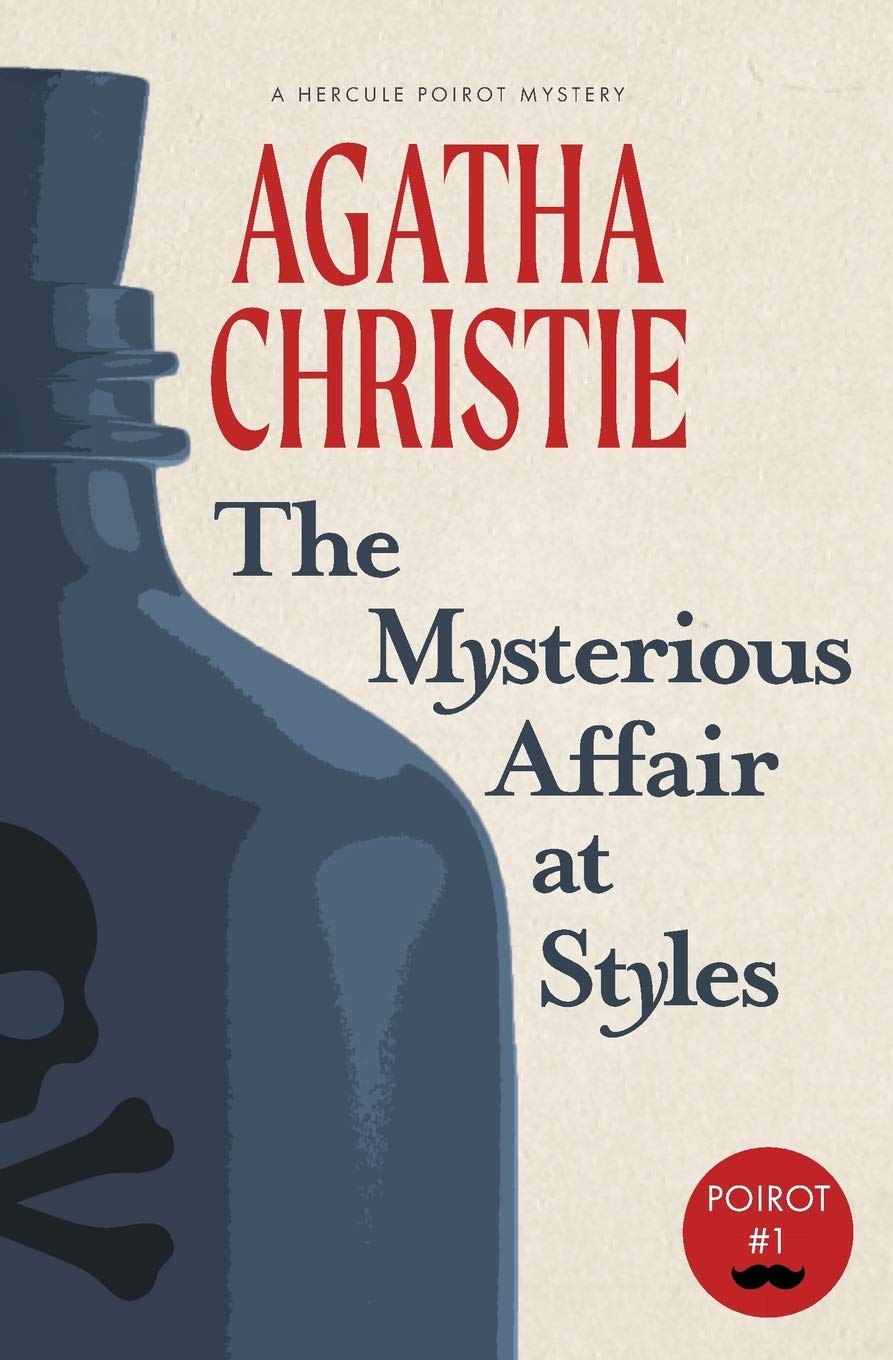
The Mysterious Affair at Styles
Book Description
Murder shatters the peace of the elegant Styles Court, a grand estate cloaked in mystery. When the wealthy matriarch is found dead, the air thickens with tension and suspicion among her family and guests. Each alibi unravels like a tightly wound thread, revealing hidden resentments and dark secrets beneath the surface. Enter the brilliant detective Hercule Poirot, whose razor-sharp mind must piece together the enigmatic puzzle before another life is extinguished. As loyalties waver and truth teeters on the edge of deception, who can be trusted in this tangled web of betrayal? Will Poirot uncover the killer before it’s too late?
Quick Book Summary
"The Mysterious Affair at Styles" introduces readers to Agatha Christie’s legendary Belgian detective, Hercule Poirot. In the quiet English countryside, the opulent Styles Court becomes the site of a shocking murder when Emily Inglethorp, the wealthy matriarch, dies under suspicious circumstances. The house is filled with family members and guests, all harboring secrets and motives. Poirot, recently retired and living nearby as a refugee from World War I, is called upon to untangle the complex web of relationships and alibis. Through keen observation and masterful deduction, Poirot peels back layers of deception, exposing hidden resentments and rivalries. The novel explores themes of trust, betrayal, and the consequences of unchecked ambition. Christie’s debut mystery keeps readers guessing until the dramatic final reveal, establishing the template for her ingenious, detail-driven detective fiction.



Summary of Key Ideas
Table of Contents
The Unreliability of Appearances
The peaceful setting of Styles Court is shattered by the sudden death of Emily Inglethorp, the wealthy mistress of the estate. Her symptoms suggest strychnine poisoning, and suspicion immediately falls on those closest to her. The assembled guests include her husband, Alfred Inglethorp, a much younger and unpopular man, as well as her stepsons, their wives, and family friends. Each character has a reason to feel resentment, and many stand to benefit from Emily’s death, especially with her recently changed will. The claustrophobic atmosphere of the house amplifies suspicions and tensions as investigators begin piecing together possible motives and opportunities.
Family Rivalries and Greed
Enter Hercule Poirot, a retired Belgian detective staying nearby. Poirot brings his methodical, logical approach to the investigation, carefully examining physical evidence and scrutinizing inconsistencies in alibis and statements. Poirot is aided by Arthur Hastings, the narrator and an old friend, whose perspective adds both credibility and comic misunderstanding to the proceedings. Together, they follow a tangled trail of red herrings and misdirection, as Christie expertly introduces and dismisses various suspects, keeping the reader questioning every certainty.
The Role of Poirot’s Logic and Observation
Throughout the inquiry, the novel explores the theme of deception. Nearly all main characters hide secrets or bend the truth, often to protect themselves or each other rather than to conceal guilt. Christie skillfully details the dynamics of mistrust within a family fractured by jealousy and ambition. Subtle clues—a coffee cup, a torn will, and the timing of certain movements—become crucial as Poirot quietly observes, never overlooking the smallest detail. This focus on the ordinary leading to extraordinary revelations is central to both the plot and the detective genre Christie would popularize.
Secrets and Deception Within Close Communities
Trust and loyalty are constantly tested as the investigation exposes not just the murderer, but the self-interest that motivates each resident’s behavior. Poirot’s impartial, analytical mindset contrasts sharply with the emotional reactions of the household, demonstrating the limitations of intuition alone in understanding human nature. Ultimately, Poirot unmasks the killer through an ingenious trap, revealing that Alfred Inglethorp and his accomplice orchestrated events with precision, but underestimated Poirot’s intellect.
Justice Versus Personal Loyalty
The resolution ties together the themes of justice and morality. Poirot’s methods are vindicated as he restores order to Styles Court and exonerates the innocent. The case’s complexity lies not just in the puzzle of the crime, but in the psychology of those involved—Christie portrays the darkness lurking beneath genteel exteriors. "The Mysterious Affair at Styles" ultimately delivers a satisfying, cerebral conclusion, while inaugurating the enduring legacy of Hercule Poirot.
Download This Summary
Get a free PDF of this summary instantly — no email required.