10 Books Similar to "The Most Important Thing: Uncommon Sense for the Thoughtful Investor"
by Howard Marks

Margin of Safety: Risk-Averse Value Investing Strategies for the Thoughtful Investor

Seth Klarman's "Margin of Safety" champions a bedrock principle of value investing: buying assets for significantly less than their intrinsic worth. It delves into the practical application of this buffer, exploring how to analyze businesses, identify mispricings, and construct a resilient portfolio. Klarman stresses the importance of avoiding permanent capital loss, emphasizing a contrarian mindset and thorough, independent analysis over market fads or speculation.
This book resonates deeply with Howard Marks' "The Most Important Thing" due to their shared philosophical foundation. Both authors emphasize the critical role of thoughtful, long-term investing, the avoidance of behavioral pitfalls, and the paramount importance of risk management over trying to predict short-term market movements. They both advocate for a deep understanding of business fundamentals and a disciplined approach to capital allocation.
This work offers immense value by equipping investors with a robust framework for navigating volatile markets. It provides actionable insights into identifying undervalued opportunities and, crucially, constructing a portfolio designed for durability through various economic cycles. Its timeless wisdom helps cultivate a disciplined and rational approach to investing, proving vital for anyone serious about preserving and growing capital over the long term.
Margin of Safety: Risk-Averse Value Investing Strategies for the Thoughtful Investor
Seth Klarman's "Margin of Safety" champions a bedrock principle of value investing: buying assets for significantly less than their intrinsic worth. It delves into the practical application of this buffer, exploring how to analyze businesses, identify mispricings, and construct a resilient portfolio. Klarman stresses the importance of avoiding permanent capital loss, emphasizing a contrarian mindset and thorough, independent analysis over market fads or speculation.
This book resonates deeply with Howard Marks' "The Most Important Thing" due to their shared philosophical foundation. Both authors emphasize the critical role of thoughtful, long-term investing, the avoidance of behavioral pitfalls, and the paramount importance of risk management over trying to predict short-term market movements. They both advocate for a deep understanding of business fundamentals and a disciplined approach to capital allocation.
This work offers immense value by equipping investors with a robust framework for navigating volatile markets. It provides actionable insights into identifying undervalued opportunities and, crucially, constructing a portfolio designed for durability through various economic cycles. Its timeless wisdom helps cultivate a disciplined and rational approach to investing, proving vital for anyone serious about preserving and growing capital over the long term.
The Psychology of Money
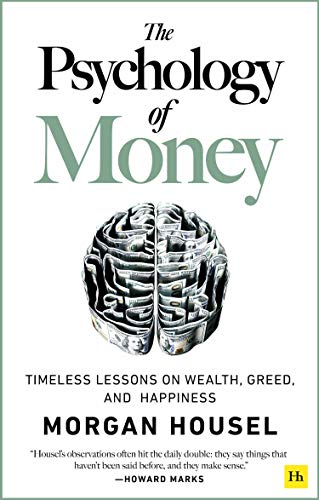
"The Psychology of Money" delves into how our emotions, biases, and unique life experiences profoundly influence our financial decisions. Rather than presenting complex formulas or market predictions, Housel illustrates through compelling stories and timeless anecdotes that becoming a better investor often hinges on understanding human behavior, less so on technical prowess. It’s a compelling exploration of why intelligent people make irrational money choices and how to cultivate a healthier financial mindset.
This book shares a fundamental kinship with Howard Marks's "The Most Important Thing" in its emphasis on the qualitative aspects of investing. Both authors champion the idea that sound judgment, disciplined thinking, and an awareness of pitfalls—psychological in Housel's case, idiosyncratic market behavior in Marks's—are paramount over sheer analytical skill. They align in underscoring that successful long-term investing requires a robust, uncommon approach that resists conformity and knee-jerk reactions.
The appeal of "The Psychology of Money" lies in its accessibility and profound insights. It offers a refreshing perspective beyond conventional financial advice, empowering individuals to recognize and counteract their own behavioral shortcomings. Its practical wisdom provides a strong foundation for developing a more resilient, rational, and ultimately successful relationship with money.
The Psychology of Money
"The Psychology of Money" delves into how our emotions, biases, and unique life experiences profoundly influence our financial decisions. Rather than presenting complex formulas or market predictions, Housel illustrates through compelling stories and timeless anecdotes that becoming a better investor often hinges on understanding human behavior, less so on technical prowess. It’s a compelling exploration of why intelligent people make irrational money choices and how to cultivate a healthier financial mindset.
This book shares a fundamental kinship with Howard Marks's "The Most Important Thing" in its emphasis on the qualitative aspects of investing. Both authors champion the idea that sound judgment, disciplined thinking, and an awareness of pitfalls—psychological in Housel's case, idiosyncratic market behavior in Marks's—are paramount over sheer analytical skill. They align in underscoring that successful long-term investing requires a robust, uncommon approach that resists conformity and knee-jerk reactions.
The appeal of "The Psychology of Money" lies in its accessibility and profound insights. It offers a refreshing perspective beyond conventional financial advice, empowering individuals to recognize and counteract their own behavioral shortcomings. Its practical wisdom provides a strong foundation for developing a more resilient, rational, and ultimately successful relationship with money.
Value Investing: From Graham to Buffett and Beyond

"Value Investing: From Graham to Buffett and Beyond" meticulously deconstructs the foundational principles of value investing. It traces the evolution of this disciplined approach from Benjamin Graham's original concepts of intrinsic value and margin of safety, through Warren Buffett's strategic refinements, and on to modern applications. It's essentially a masterclass in how to identify undervalued companies and make informed investment decisions based on a deep understanding of a business's true worth, rather than market sentiment.
The similarity to "The Most Important Thing" lies in their shared emphasis on the critical role of sound judgment, independent thinking, and a long-term perspective in successful investing. Both books champion a rational, analytical approach over emotional reactions and market fads. They advocate for understanding the underlying business, assessing risk, and patiently exploiting market inefficiencies, rather than chasing quick gains or relying on speculation. Each author distills complex investment wisdom into actionable principles that empower investors to think for themselves.
This book will appeal to those seeking a robust intellectual framework for their investment decisions. It offers a comprehensive education in fundamental analysis, teaching how to evaluate businesses like an owner. The practical insights and historical context it provides are invaluable for building a durable investment philosophy, fostering a rigorous approach to capital allocation, and ultimately achieving long-term financial success through informed, patient investing.
Value Investing: From Graham to Buffett and Beyond
"Value Investing: From Graham to Buffett and Beyond" meticulously deconstructs the foundational principles of value investing. It traces the evolution of this disciplined approach from Benjamin Graham's original concepts of intrinsic value and margin of safety, through Warren Buffett's strategic refinements, and on to modern applications. It's essentially a masterclass in how to identify undervalued companies and make informed investment decisions based on a deep understanding of a business's true worth, rather than market sentiment.
The similarity to "The Most Important Thing" lies in their shared emphasis on the critical role of sound judgment, independent thinking, and a long-term perspective in successful investing. Both books champion a rational, analytical approach over emotional reactions and market fads. They advocate for understanding the underlying business, assessing risk, and patiently exploiting market inefficiencies, rather than chasing quick gains or relying on speculation. Each author distills complex investment wisdom into actionable principles that empower investors to think for themselves.
This book will appeal to those seeking a robust intellectual framework for their investment decisions. It offers a comprehensive education in fundamental analysis, teaching how to evaluate businesses like an owner. The practical insights and historical context it provides are invaluable for building a durable investment philosophy, fostering a rigorous approach to capital allocation, and ultimately achieving long-term financial success through informed, patient investing.
The Intelligent Investor
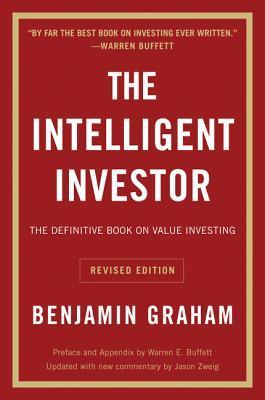
"The Intelligent Investor" fundamentally champions a disciplined, long-term approach to investing. Benjamin Graham dissects the crucial difference between investing and speculation, advocating for painstaking research, a focus on intrinsic value, and the concept of "Margin of Safety" to protect against unforeseen adversities. It’s a timeless guide for those seeking to build wealth through rational analysis rather than fleeting market sentiment.
This classic shares significant DNA with Howard Marks's "The Most Important Thing." Both works emphasize critical thinking, understanding market cycles, and the psychological pitfalls that hinder sound investment decisions. They both advocate for a contrarian mindset when appropriate and stress the importance of understanding *why* an asset is priced a certain way, rather than just *what* the price is. Both authors prioritize risk management and the avoidance of permanent capital loss over chasing speculative gains.
Those seeking foundational investment wisdom will find immense value in its pages. It equips individuals with a robust mental framework for navigating financial markets, fostering patience, objectivity, and a profound respect for fundamental analysis. The enduring principles it espouses empower investors to make informed decisions and guard against impulsive reactions, leading to more resilient and ultimately more successful portfolios.
The Intelligent Investor
"The Intelligent Investor" fundamentally champions a disciplined, long-term approach to investing. Benjamin Graham dissects the crucial difference between investing and speculation, advocating for painstaking research, a focus on intrinsic value, and the concept of "Margin of Safety" to protect against unforeseen adversities. It’s a timeless guide for those seeking to build wealth through rational analysis rather than fleeting market sentiment.
This classic shares significant DNA with Howard Marks's "The Most Important Thing." Both works emphasize critical thinking, understanding market cycles, and the psychological pitfalls that hinder sound investment decisions. They both advocate for a contrarian mindset when appropriate and stress the importance of understanding *why* an asset is priced a certain way, rather than just *what* the price is. Both authors prioritize risk management and the avoidance of permanent capital loss over chasing speculative gains.
Those seeking foundational investment wisdom will find immense value in its pages. It equips individuals with a robust mental framework for navigating financial markets, fostering patience, objectivity, and a profound respect for fundamental analysis. The enduring principles it espouses empower investors to make informed decisions and guard against impulsive reactions, leading to more resilient and ultimately more successful portfolios.
The Little Book That Builds Wealth: The Knockout Formula for Finding Great Investments

"The Little Book That Builds Wealth" demystifies the concept of economic moats – sustainable competitive advantages that allow companies to fend off rivals and generate superior returns over time. Pat Dorsey explains how to identify these moats, dissecting their various forms like intangible assets, network effects, cost advantages, and high switching costs, ultimately guiding investors toward businesses poised for long-term success.
This book resonates with Howard Marks' "The Most Important Thing" by emphasizing foundational, enduring investment principles over fleeting market trends. Both authors advocate for deep, qualitative analysis of businesses, urging investors to think critically about what truly drives value and how to avoid common pitfalls, particularly focusing on understanding inherent business quality rather than just stock price movements.
Individuals will appreciate the accessible framework Dorsey provides for identifying durable, high-quality businesses. It offers practical tools and a clear philosophy for constructing a resilient portfolio, helping investors move beyond superficial analysis to uncover the underlying strengths that lead to lasting wealth creation.
The Little Book That Builds Wealth: The Knockout Formula for Finding Great Investments
"The Little Book That Builds Wealth" demystifies the concept of economic moats – sustainable competitive advantages that allow companies to fend off rivals and generate superior returns over time. Pat Dorsey explains how to identify these moats, dissecting their various forms like intangible assets, network effects, cost advantages, and high switching costs, ultimately guiding investors toward businesses poised for long-term success.
This book resonates with Howard Marks' "The Most Important Thing" by emphasizing foundational, enduring investment principles over fleeting market trends. Both authors advocate for deep, qualitative analysis of businesses, urging investors to think critically about what truly drives value and how to avoid common pitfalls, particularly focusing on understanding inherent business quality rather than just stock price movements.
Individuals will appreciate the accessible framework Dorsey provides for identifying durable, high-quality businesses. It offers practical tools and a clear philosophy for constructing a resilient portfolio, helping investors move beyond superficial analysis to uncover the underlying strengths that lead to lasting wealth creation.
The Disciplined Trader: Developing Winning Attitudes
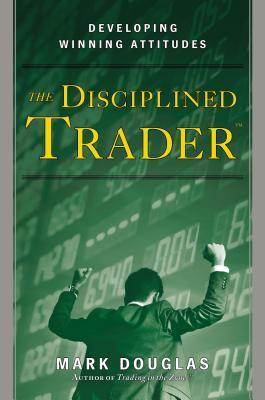
"The Disciplined Trader" delves into the psychological underpinnings of successful trading and investing. It argues that consistent profitability stems less from market analysis and more from mastering one's own mental framework. Douglas highlights common psychological pitfalls like fear, greed, and the need for certainty, offering strategies to develop the disciplined mindset essential for navigating market uncertainties and making rational decisions.
This book shares conceptual DNA with "The Most Important Thing" by emphasizing the critical, often understated, role of internal disposition in investment success. Both authors stress that true mastery comes from within—Marks through his focus on thoughtful decision-making, and Douglas with his detailed exploration of emotional control and belief systems as fundamental to achieving superior, consistent results. Both challenge conventional wisdom about market mechanics by pointing to the human element as the ultimate differentiator.
Individuals seeking to enhance their psychological resilience and decision-making clarity in high-pressure financial environments will find significant value here. It offers actionable insights into transforming one's cognitive and emotional approach to markets, fostering a more detached, objective, and ultimately more effective investment philosophy. This guidance is particularly useful for anyone facing recurring emotional interference in their financial dealings.
The Disciplined Trader: Developing Winning Attitudes
"The Disciplined Trader" delves into the psychological underpinnings of successful trading and investing. It argues that consistent profitability stems less from market analysis and more from mastering one's own mental framework. Douglas highlights common psychological pitfalls like fear, greed, and the need for certainty, offering strategies to develop the disciplined mindset essential for navigating market uncertainties and making rational decisions.
This book shares conceptual DNA with "The Most Important Thing" by emphasizing the critical, often understated, role of internal disposition in investment success. Both authors stress that true mastery comes from within—Marks through his focus on thoughtful decision-making, and Douglas with his detailed exploration of emotional control and belief systems as fundamental to achieving superior, consistent results. Both challenge conventional wisdom about market mechanics by pointing to the human element as the ultimate differentiator.
Individuals seeking to enhance their psychological resilience and decision-making clarity in high-pressure financial environments will find significant value here. It offers actionable insights into transforming one's cognitive and emotional approach to markets, fostering a more detached, objective, and ultimately more effective investment philosophy. This guidance is particularly useful for anyone facing recurring emotional interference in their financial dealings.
Jonbull’s Stock Guide
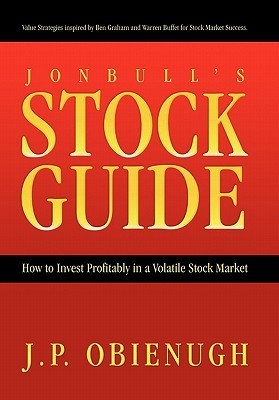
"Jonbull’s Stock Guide" provides a practical framework for navigating the stock market, focusing on foundational principles for making informed investment decisions. It demystifies complex market dynamics, offering actionable insights for building and managing a robust investment portfolio.
This guide shares significant thematic overlap with Howard Marks's "The Most Important Thing." Both emphasize critical thinking, a differentiated perspective from the crowd, and a deep understanding of value and risk as paramount to investment success. They advocate for a disciplined, long-term approach rather than chasing fleeting trends.
The book offers a compelling roadmap for anyone seeking to cultivate a more sophisticated and resilient investment strategy. It equips individuals with the mental models necessary to analyze opportunities objectively, manage psychological biases, and identify genuinely superior investments, ultimately fostering greater confidence and proficiency in their financial endeavors.
Jonbull’s Stock Guide
"Jonbull’s Stock Guide" provides a practical framework for navigating the stock market, focusing on foundational principles for making informed investment decisions. It demystifies complex market dynamics, offering actionable insights for building and managing a robust investment portfolio.
This guide shares significant thematic overlap with Howard Marks's "The Most Important Thing." Both emphasize critical thinking, a differentiated perspective from the crowd, and a deep understanding of value and risk as paramount to investment success. They advocate for a disciplined, long-term approach rather than chasing fleeting trends.
The book offers a compelling roadmap for anyone seeking to cultivate a more sophisticated and resilient investment strategy. It equips individuals with the mental models necessary to analyze opportunities objectively, manage psychological biases, and identify genuinely superior investments, ultimately fostering greater confidence and proficiency in their financial endeavors.
F Wall Street: Joe Ponzio's No-Nonsense Approach to Value Investing For the Rest of Us
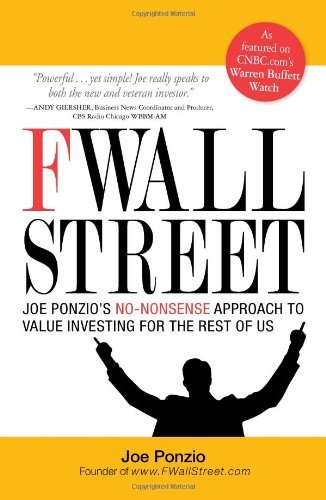
"F Wall Street" distills value investing principles into an actionable framework for the everyday investor. Joe Ponzio cuts through financial jargon, offering a practical guide to company analysis, identifying intrinsic value, and making sound investment decisions without relying on complex models or insider information. It's a pragmatic handbook focused on clear thinking and disciplined execution.
This book shares common ground with Howard Marks' "The Most Important Thing" in its dedication to contrarian thinking and a deep understanding of market cycles. Both authors emphasize the critical importance of avoiding common investor pitfalls, understanding risk, and focusing on underlying business fundamentals rather than speculation. They advocate for a thoughtful, independent approach to investing.
Individuals seeking to demystify value investing and gain practical tools for independent analysis will appreciate its directness. Its accessible language and focus on real-world application make complex financial concepts understandable, empowering investors to build a solid, long-term portfolio based on robust principles.
F Wall Street: Joe Ponzio's No-Nonsense Approach to Value Investing For the Rest of Us
"F Wall Street" distills value investing principles into an actionable framework for the everyday investor. Joe Ponzio cuts through financial jargon, offering a practical guide to company analysis, identifying intrinsic value, and making sound investment decisions without relying on complex models or insider information. It's a pragmatic handbook focused on clear thinking and disciplined execution.
This book shares common ground with Howard Marks' "The Most Important Thing" in its dedication to contrarian thinking and a deep understanding of market cycles. Both authors emphasize the critical importance of avoiding common investor pitfalls, understanding risk, and focusing on underlying business fundamentals rather than speculation. They advocate for a thoughtful, independent approach to investing.
Individuals seeking to demystify value investing and gain practical tools for independent analysis will appreciate its directness. Its accessible language and focus on real-world application make complex financial concepts understandable, empowering investors to build a solid, long-term portfolio based on robust principles.
You Can Be a Stock Market Genius: Uncover the Secret Hiding Places of Stock Market Profits

"You Can Be a Stock Market Genius" by Joel Greenblatt demystifies special situations investing. Greenblatt illuminates how various corporate actions – spin-offs, bankruptcies, mergers, and other complex events – often create inefficient markets and mispriced securities, presenting significant profit opportunities for the discerning investor. He breaks down these strategies into digestible components, advocating for a detailed, fundamental analysis approach to uncover hidden value.
Both Greenblatt’s and Marks’ books share a foundational commitment to non-consensus thinking and value investing principles. While Marks offers a broader philosophical framework for sound investing, Greenblatt provides concrete examples and methodologies for exploiting market inefficiencies, embodying Marks’ call for independent thought and avoiding emotional pitfalls in specific scenarios. Both emphasize the importance of understanding underlying value over market sentiment.
This book will appeal to those seeking practical, actionable strategies beyond traditional stock picking. It equips investors with a toolkit to identify and capitalize on overlooked opportunities, fostering a deeper understanding of market mechanics and corporate finance. The detailed case studies provide a valuable framework for developing a more analytical and contrarian investment approach.
You Can Be a Stock Market Genius: Uncover the Secret Hiding Places of Stock Market Profits
"You Can Be a Stock Market Genius" by Joel Greenblatt demystifies special situations investing. Greenblatt illuminates how various corporate actions – spin-offs, bankruptcies, mergers, and other complex events – often create inefficient markets and mispriced securities, presenting significant profit opportunities for the discerning investor. He breaks down these strategies into digestible components, advocating for a detailed, fundamental analysis approach to uncover hidden value.
Both Greenblatt’s and Marks’ books share a foundational commitment to non-consensus thinking and value investing principles. While Marks offers a broader philosophical framework for sound investing, Greenblatt provides concrete examples and methodologies for exploiting market inefficiencies, embodying Marks’ call for independent thought and avoiding emotional pitfalls in specific scenarios. Both emphasize the importance of understanding underlying value over market sentiment.
This book will appeal to those seeking practical, actionable strategies beyond traditional stock picking. It equips investors with a toolkit to identify and capitalize on overlooked opportunities, fostering a deeper understanding of market mechanics and corporate finance. The detailed case studies provide a valuable framework for developing a more analytical and contrarian investment approach.
The Essays of Warren Buffett : Lessons for Corporate America

"The Essays of Warren Buffett" distills decades of Buffet's annual shareholder letters and other writings, offering an unparalleled insight into his investment philosophy, business acumen, and ethical framework. Categorized by theme, it covers topics from corporate governance and valuation to accounting principles and common investment mistakes, all presented in his famously clear and understated prose. It's essentially a masterclass in long-term, value-oriented investing and sound business management directly from one of history's most successful capital allocators.
This collection shares significant thematic overlap with Howard Marks's "The Most Important Thing." Both books emphasize the crucial role of temperament, independent thinking, understanding market cycles, and rigorously assessing intrinsic value rather than chasing fads. They advocate for a disciplined, long-term approach to wealth creation, highlighting the importance of understanding risk and identifying mispricings. Marks and Buffett, through their distinct yet complementary perspectives, champion a fundamental, common-sense approach to navigating financial markets.
This book will appeal to those seeking foundational wisdom in investing and business. Its practical advice, grounded in real-world success, offers durable principles applicable across market conditions. Aspiring investors, seasoned professionals, and anyone interested in understanding the mechanics of intelligent capital allocation will find immense strategic and tactical value within its pages. The timeless nature of Buffett's insights ensures its enduring relevance and utility.
The Essays of Warren Buffett : Lessons for Corporate America
"The Essays of Warren Buffett" distills decades of Buffet's annual shareholder letters and other writings, offering an unparalleled insight into his investment philosophy, business acumen, and ethical framework. Categorized by theme, it covers topics from corporate governance and valuation to accounting principles and common investment mistakes, all presented in his famously clear and understated prose. It's essentially a masterclass in long-term, value-oriented investing and sound business management directly from one of history's most successful capital allocators.
This collection shares significant thematic overlap with Howard Marks's "The Most Important Thing." Both books emphasize the crucial role of temperament, independent thinking, understanding market cycles, and rigorously assessing intrinsic value rather than chasing fads. They advocate for a disciplined, long-term approach to wealth creation, highlighting the importance of understanding risk and identifying mispricings. Marks and Buffett, through their distinct yet complementary perspectives, champion a fundamental, common-sense approach to navigating financial markets.
This book will appeal to those seeking foundational wisdom in investing and business. Its practical advice, grounded in real-world success, offers durable principles applicable across market conditions. Aspiring investors, seasoned professionals, and anyone interested in understanding the mechanics of intelligent capital allocation will find immense strategic and tactical value within its pages. The timeless nature of Buffett's insights ensures its enduring relevance and utility.
More Books to Explore
Discover more titles that expand on these ideas and themes.
Margin of Safety: Risk-Averse Value Investing Strategies for the Thoughtful Investor
The Psychology of Money
Value Investing: From Graham to Buffett and Beyond
The Intelligent Investor
The Little Book That Builds Wealth: The Knockout Formula for Finding Great Investments
The Disciplined Trader: Developing Winning Attitudes