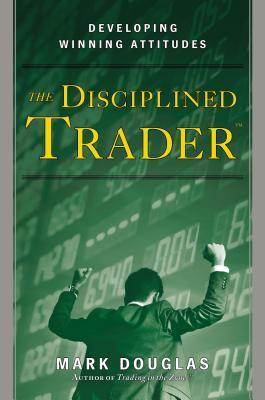
The Disciplined Trader: Developing Winning Attitudes
Book Description
Mastering the financial market isn't just about crunching numbers—it's about conquering your own mind. “The Disciplined Trader: Developing Winning Attitudes” unveils the psychological battleground every trader faces. Dive deep into the transformative principles that can unlock mental clarity, emotional resilience, and a winning mindset. Discover the hidden fears and self-sabotaging beliefs that can obliterate even the best strategies. As you unravel the secrets behind consistent profitability, you'll ask yourself: can you navigate the chaos of trading and emerge victorious against the toughest opponent—the one staring back in the mirror?
Quick Book Summary
"The Disciplined Trader: Developing Winning Attitudes" by Mark Douglas reveals that success in the financial markets hinges not just on analytical skills, but on mastering one’s own psychology. Douglas explores the critical role emotions, beliefs, and attitudes play in trading decisions, arguing that most losses stem from fear, greed, and self-sabotage rather than market forces. Through practical advice and insight into the hidden mental traps traders face, Douglas demonstrates how developing self-discipline and emotional resilience is essential for achieving consistent profitability. The book provides strategies for identifying and overcoming limiting beliefs, teaches traders to manage risk, and encourages the cultivation of a mindset that can withstand the uncertainties and chaos inherent in trading.




Summary of Key Ideas
Table of Contents
Understanding the Psychological Barriers to Trading Success
Trading in financial markets is not merely an exercise of logic, analysis, and strategy; it is a psychological endeavor deeply influenced by the trader's emotions and beliefs. Mark Douglas begins by identifying the internal conflicts and cognitive barriers that sabotage traders. Fear of losing, need for validation, and unrealistic expectations often override rationality, forcing poor decisions. He asserts that trading exposes every flaw and bias, making self-awareness crucial. Before a trader can win against the market, they must first win the battle within—the challenge of controlling one’s impulses and reactions under stress.
Recognizing and Overcoming Self-Sabotaging Beliefs
Identifying and overcoming self-defeating beliefs is essential for growth. Douglas stresses that many traders unconsciously repeat destructive patterns, such as clinging to past mistakes or relying on hope instead of discipline. These patterns stem from deeply rooted beliefs about money, risk, and personal worth. By bringing these issues to light, traders can begin to trade based on objective probabilities rather than emotionally charged desires. The journey is as much about personal development as it is about mastering market strategies. Recognizing how these beliefs shape outcomes is the first step toward change.
Emotional Discipline and Resilience in Trading
Central to developing as a trader is cultivating emotional discipline. Douglas provides tools and mental frameworks to build resilience under stress. He emphasizes that success requires not the elimination of emotions, but the management of them. Techniques like self-reflection, journaling, and controlled risk exposure help traders process setbacks without falling prey to fear or greed. By focusing on the process rather than outcomes, traders can regain clarity and adapt faster. Douglas argues that this emotional stability is what separates consistent winners from those who oscillate between boom and bust cycles.
Embracing Uncertainty and Managing Risk
The inherent uncertainty of markets demands a mindset that is comfortable with risk. Douglas encourages traders to accept unpredictability as part of the game rather than something to overcome. Effective risk management—setting stops, respecting position sizes, and detaching personal worth from trade results—is vital. He teaches that losses are not personal failures but feedback from the market. Embracing uncertainty leads to decision-making grounded in probability and strategy, reducing the emotional toll and enabling longevity in trading careers.
Building a Consistently Profitable Trading Mindset
Consistent profitability is portrayed as the outcome of transformed mental habits and attitudes. Douglas concludes by highlighting the power of self-discipline and persistent self-improvement. He argues that the disciplined trader is one who learns from mistakes, adapts strategies, and maintains a long-term perspective. By internalizing the principles of self-awareness, emotional control, and risk acceptance, traders can rewire their responses and develop a mindset that thrives amid the pressures of modern financial markets. This psychological edge, Douglas contends, is the true secret to trading success.
Download This Summary
Get a free PDF of this summary instantly — no email required.