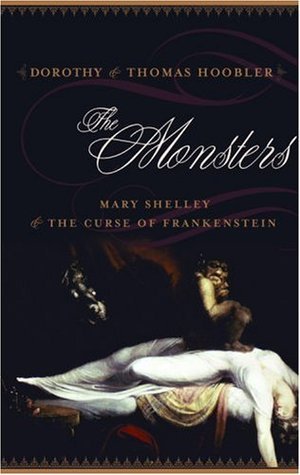
10 Books Similar to "The Monsters: Mary Shelley and the Curse of Frankenstein"
by Dorothy Hoobler
The Wicked Boy: The Mystery of a Victorian Child Murderer

"The Wicked Boy: The Mystery of a Victorian Child Murderer" delves into the perplexing 1890 case of Robert Coombes, a thirteen-year-old boy who murdered his mother and then, along with his younger brother, attempted to conceal the crime and maintain an illusion of normalcy. Kate Summerscale meticulously reconstructs the events, exploring the boys’ motivations, the societal shockwaves the crime created, and the nascent understanding of childhood psychology that emerged in its wake. It is a gripping true crime narrative that offers a window into Victorian social anxieties and the evolving comprehension of deviance.
This book shares thematic and analytical commonalities with "The Monsters: Mary Shelley and the Curse of Frankenstein." Both works explore the darker facets of human nature and societal anxieties surrounding monstrous acts. Just as Hoobler examines the genesis of Frankenstein's monster within Shelley's own life and era, Summerscale dissects the origins of Robert Coombes's monstrous act within the Victorian context. Both authors delve into the psychological underpinnings of individuals who commit shocking deeds and the broader cultural reactions to such transgressions.
This title will appeal to those who appreciate a meticulously researched examination of true crime, particularly cases that challenge conventional understandings of good and evil. It offers significant insight into Victorian society, its legal system, and early psychological theories. The book possesses considerable value for anyone interested in the historical evolution of criminal justice, the complexities of childhood, and the enduring human fascination with the macabre.
The Wicked Boy: The Mystery of a Victorian Child Murderer
"The Wicked Boy: The Mystery of a Victorian Child Murderer" delves into the perplexing 1890 case of Robert Coombes, a thirteen-year-old boy who murdered his mother and then, along with his younger brother, attempted to conceal the crime and maintain an illusion of normalcy. Kate Summerscale meticulously reconstructs the events, exploring the boys’ motivations, the societal shockwaves the crime created, and the nascent understanding of childhood psychology that emerged in its wake. It is a gripping true crime narrative that offers a window into Victorian social anxieties and the evolving comprehension of deviance.
This book shares thematic and analytical commonalities with "The Monsters: Mary Shelley and the Curse of Frankenstein." Both works explore the darker facets of human nature and societal anxieties surrounding monstrous acts. Just as Hoobler examines the genesis of Frankenstein's monster within Shelley's own life and era, Summerscale dissects the origins of Robert Coombes's monstrous act within the Victorian context. Both authors delve into the psychological underpinnings of individuals who commit shocking deeds and the broader cultural reactions to such transgressions.
This title will appeal to those who appreciate a meticulously researched examination of true crime, particularly cases that challenge conventional understandings of good and evil. It offers significant insight into Victorian society, its legal system, and early psychological theories. The book possesses considerable value for anyone interested in the historical evolution of criminal justice, the complexities of childhood, and the enduring human fascination with the macabre.
Bram Stoker: A Biography of the Author of Dracula
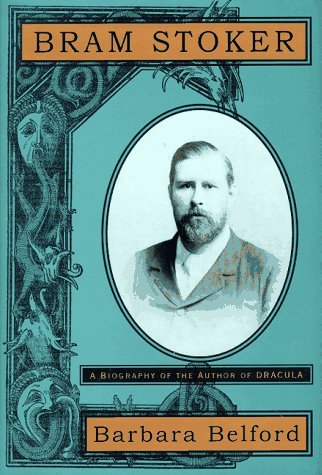
"Bram Stoker: A Biography of the Author of Dracula" delves into the life and times of Abraham Stoker, the Irish author whose iconic novel unleashed one of literature's most enduring figures. The book meticulously traces Stoker's formative years, his close relationship with actor Henry Irving, his career as a theater manager, and the intellectual and cultural currents that shaped his creative output, culminating in a comprehensive exploration of the genesis and legacy of *Dracula*.
This biography parallels "The Monsters: Mary Shelley and the Curse of Frankenstein" in its deep dive into the life of an author responsible for creating a foundational monster in Western literature. Both books skillfully weave together biographical detail with an analysis of the societal and personal influences that birthed these enduring, archetypal figures, exploring how the authors themselves grappled with their creations' powerful impact.
For those fascinated by the origins of literary horror and the lives of the minds behind them, this book offers a compelling journey. It provides invaluable insight into the Victorian era, the theatrical world of the 19th century, and the intricate process of channeling personal experiences and cultural anxieties into timeless narratives. Understanding Stoker's world enriches one's appreciation of *Dracula* and its lasting cultural resonance.
Bram Stoker: A Biography of the Author of Dracula
"Bram Stoker: A Biography of the Author of Dracula" delves into the life and times of Abraham Stoker, the Irish author whose iconic novel unleashed one of literature's most enduring figures. The book meticulously traces Stoker's formative years, his close relationship with actor Henry Irving, his career as a theater manager, and the intellectual and cultural currents that shaped his creative output, culminating in a comprehensive exploration of the genesis and legacy of *Dracula*.
This biography parallels "The Monsters: Mary Shelley and the Curse of Frankenstein" in its deep dive into the life of an author responsible for creating a foundational monster in Western literature. Both books skillfully weave together biographical detail with an analysis of the societal and personal influences that birthed these enduring, archetypal figures, exploring how the authors themselves grappled with their creations' powerful impact.
For those fascinated by the origins of literary horror and the lives of the minds behind them, this book offers a compelling journey. It provides invaluable insight into the Victorian era, the theatrical world of the 19th century, and the intricate process of channeling personal experiences and cultural anxieties into timeless narratives. Understanding Stoker's world enriches one's appreciation of *Dracula* and its lasting cultural resonance.
The Beautiful Cigar Girl: Mary Rogers, Edgar Allan Poe, and the Invention of Murder

"The Beautiful Cigar Girl" meticulously investigates the notorious 1841 murder of Mary Rogers in New York City, a case that captivated the nation and remains unsolved. Author Daniel Stashower interweaves the real-life investigation with Edgar Allan Poe's famous short story, "The Mystery of Marie Rogêt," a thinly veiled fictionalization of the crime. The book explores the nascent days of forensic science, the sensationalist press, and the evolving perception of crime in urban America.
This book parallels "The Monsters" by Dorothy Hoobler in its approach to exploring foundational moments in literary history through the lens of real-world events and influential figures. Both books delve into the intersection of art and life, showing how a significant historical mystery or cultural phenomenon can inspire groundbreaking literature and vice-versa, offering a dual narrative of creation and consequence.
This captivating read offers a unique blend of true crime, literary analysis, and social history. It peels back the layers of a compelling historical enigma, illuminating early American society, the birth of detective fiction, and the profound impact of a single crime on the cultural imagination. The meticulous research and engaging narrative make it a fascinating study of how real events shape artistic expression and societal mores.
The Beautiful Cigar Girl: Mary Rogers, Edgar Allan Poe, and the Invention of Murder
"The Beautiful Cigar Girl" meticulously investigates the notorious 1841 murder of Mary Rogers in New York City, a case that captivated the nation and remains unsolved. Author Daniel Stashower interweaves the real-life investigation with Edgar Allan Poe's famous short story, "The Mystery of Marie Rogêt," a thinly veiled fictionalization of the crime. The book explores the nascent days of forensic science, the sensationalist press, and the evolving perception of crime in urban America.
This book parallels "The Monsters" by Dorothy Hoobler in its approach to exploring foundational moments in literary history through the lens of real-world events and influential figures. Both books delve into the intersection of art and life, showing how a significant historical mystery or cultural phenomenon can inspire groundbreaking literature and vice-versa, offering a dual narrative of creation and consequence.
This captivating read offers a unique blend of true crime, literary analysis, and social history. It peels back the layers of a compelling historical enigma, illuminating early American society, the birth of detective fiction, and the profound impact of a single crime on the cultural imagination. The meticulous research and engaging narrative make it a fascinating study of how real events shape artistic expression and societal mores.
Emily Brontë

Stevie Davies' "Emily Brontë" offers a nuanced exploration of the enigmatic author, delving into her life, the Yorkshire landscape that shaped her imagination, and the profound impact of her masterwork, *Wuthering Heights*. The biography unpacks the social conventions and personal struggles that influenced Brontë’s unique literary voice, providing a deep dive into her creative process and enduring legacy.
This biography shares a compelling kinship with "The Monsters: Mary Shelley and the Curse of Frankenstein" through its focus on a singular female literary genius who channeled personal experiences and societal pressures into groundbreaking, sometimes unsettling, fiction. Both books illuminate the lives of women whose revolutionary works challenged conventions and whose personal stories are intertwined with their enduring literary creations, offering insight into the genesis of classic, genre-defining narratives.
The book will appeal to those drawn to the intricate lives of foundational literary figures and the creative forces behind iconic works. It provides a rich, scholarly yet accessible study of Brontë’s life and art, offering valuable context for understanding *Wuthering Heights* and the broader landscape of 19th-century literature. It is an essential read for anyone seeking to understand the formative influences and lasting power of a literary icon.
Emily Brontë
Stevie Davies' "Emily Brontë" offers a nuanced exploration of the enigmatic author, delving into her life, the Yorkshire landscape that shaped her imagination, and the profound impact of her masterwork, *Wuthering Heights*. The biography unpacks the social conventions and personal struggles that influenced Brontë’s unique literary voice, providing a deep dive into her creative process and enduring legacy.
This biography shares a compelling kinship with "The Monsters: Mary Shelley and the Curse of Frankenstein" through its focus on a singular female literary genius who channeled personal experiences and societal pressures into groundbreaking, sometimes unsettling, fiction. Both books illuminate the lives of women whose revolutionary works challenged conventions and whose personal stories are intertwined with their enduring literary creations, offering insight into the genesis of classic, genre-defining narratives.
The book will appeal to those drawn to the intricate lives of foundational literary figures and the creative forces behind iconic works. It provides a rich, scholarly yet accessible study of Brontë’s life and art, offering valuable context for understanding *Wuthering Heights* and the broader landscape of 19th-century literature. It is an essential read for anyone seeking to understand the formative influences and lasting power of a literary icon.
The Brontë Myth
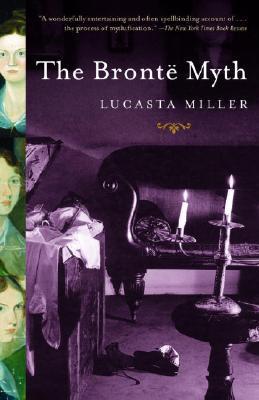
"The Brontë Myth" deconstructs the romanticized and often distorted narratives surrounding the lives and works of Charlotte, Emily, and Anne Brontë. It delves into how their public perception, fueled by biographical interpretations, literary criticism, and even family members, has shaped and often misrepresented their true identities and artistic intentions. Miller meticulously unpacks the layers of myth-making, revealing the complex interplay between fact and fiction in how these iconic authors are remembered.
This biographical exploration of literary myth-making draws a strong parallel to "The Monsters: Mary Shelley and the Curse of Frankenstein." Both books investigate how iconic female authors have been posthumously defined and redefined, often through lenses that prioritize sensationalism or a particular narrative framing over historical accuracy. They share a focus on untangling the truth from the powerful, enduring legends that have come to overshadow the real women and their creative processes.
The book offers a compelling deep dive for anyone fascinated by literary history, the construction of celebrity, and the enduring power of narrative. It provides a valuable critical lens for examining how biographical interpretations influence our understanding of art, encouraging a more nuanced appreciation of both the Brontës' lives and their profound literary contributions. It’s an insightful investigation into the symbiotic relationship between author, reception, and lasting legacy.
The Brontë Myth
"The Brontë Myth" deconstructs the romanticized and often distorted narratives surrounding the lives and works of Charlotte, Emily, and Anne Brontë. It delves into how their public perception, fueled by biographical interpretations, literary criticism, and even family members, has shaped and often misrepresented their true identities and artistic intentions. Miller meticulously unpacks the layers of myth-making, revealing the complex interplay between fact and fiction in how these iconic authors are remembered.
This biographical exploration of literary myth-making draws a strong parallel to "The Monsters: Mary Shelley and the Curse of Frankenstein." Both books investigate how iconic female authors have been posthumously defined and redefined, often through lenses that prioritize sensationalism or a particular narrative framing over historical accuracy. They share a focus on untangling the truth from the powerful, enduring legends that have come to overshadow the real women and their creative processes.
The book offers a compelling deep dive for anyone fascinated by literary history, the construction of celebrity, and the enduring power of narrative. It provides a valuable critical lens for examining how biographical interpretations influence our understanding of art, encouraging a more nuanced appreciation of both the Brontës' lives and their profound literary contributions. It’s an insightful investigation into the symbiotic relationship between author, reception, and lasting legacy.
The Brontës
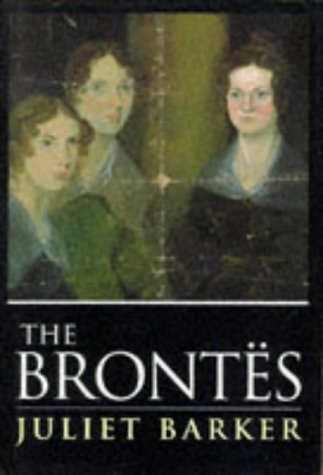
Juliet Barker's "The Brontës" offers a comprehensive, meticulously researched biography of the extraordinary literary family. It delves into their lives, their challenging environment in rural Yorkshire, their complex relationships, and the seminal works they produced under often harsh circumstances, exploring how their personal experiences shaped their enduring novels.
The similarity to "The Monsters: Mary Shelley and the Curse of Frankenstein" lies in their shared biographical approach to foundational literary figures. Both books meticulously reconstruct the lives of visionary authors, exploring the personal struggles, societal pressures, and historical contexts that profoundly influenced their groundbreaking, sometimes dark, creations. They illuminate the human stories behind works that continue to captivate and provoke.
This book will appeal to those fascinated by the origins of literary genius and the intertwining of life and art. It provides invaluable insights into the Brontë sisters' creative processes and resilience, offering a richer understanding of their novels and the burgeoning literary landscape of their era.
The Brontës
Juliet Barker's "The Brontës" offers a comprehensive, meticulously researched biography of the extraordinary literary family. It delves into their lives, their challenging environment in rural Yorkshire, their complex relationships, and the seminal works they produced under often harsh circumstances, exploring how their personal experiences shaped their enduring novels.
The similarity to "The Monsters: Mary Shelley and the Curse of Frankenstein" lies in their shared biographical approach to foundational literary figures. Both books meticulously reconstruct the lives of visionary authors, exploring the personal struggles, societal pressures, and historical contexts that profoundly influenced their groundbreaking, sometimes dark, creations. They illuminate the human stories behind works that continue to captivate and provoke.
This book will appeal to those fascinated by the origins of literary genius and the intertwining of life and art. It provides invaluable insights into the Brontë sisters' creative processes and resilience, offering a richer understanding of their novels and the burgeoning literary landscape of their era.
The Professor and the Madman: A Tale of Murder, Insanity and the Making of the Oxford English Dictionary

Simon Winchester’s "The Professor and the Madman" unfurls the astonishing true story behind the creation of the Oxford English Dictionary. It centers on the unlikely collaboration between Dr. James Murray, the OED’s brilliant lead editor, and Dr. W.C. Minor, an American surgeon and decorated Civil War veteran who contributed thousands of accurate word definitions while simultaneously confined to a lunatic asylum, wrestling with his own profound insanity and a dark secret.
The two books share a compelling fascination with the darker undercurrents of genius and creation. Both explore how profound personal struggles, whether external societal pressures on a young Mary Shelley or internal psychological torments plaguing Minor, inextricably intertwine with monumental intellectual or artistic endeavors, ultimately shaping their extraordinary legacies in unexpected ways.
This book offers a captivating exploration of obsession, lexicon, and the indelible human spirit’s capacity for both remarkable contribution and devastating affliction. It provides a unique lens on the meticulous, often chaotic, birth of a literary cornerstone, while also offering a poignant human story of mental illness and the surprising connections forged in its shadow.
The Professor and the Madman: A Tale of Murder, Insanity and the Making of the Oxford English Dictionary
Simon Winchester’s "The Professor and the Madman" unfurls the astonishing true story behind the creation of the Oxford English Dictionary. It centers on the unlikely collaboration between Dr. James Murray, the OED’s brilliant lead editor, and Dr. W.C. Minor, an American surgeon and decorated Civil War veteran who contributed thousands of accurate word definitions while simultaneously confined to a lunatic asylum, wrestling with his own profound insanity and a dark secret.
The two books share a compelling fascination with the darker undercurrents of genius and creation. Both explore how profound personal struggles, whether external societal pressures on a young Mary Shelley or internal psychological torments plaguing Minor, inextricably intertwine with monumental intellectual or artistic endeavors, ultimately shaping their extraordinary legacies in unexpected ways.
This book offers a captivating exploration of obsession, lexicon, and the indelible human spirit’s capacity for both remarkable contribution and devastating affliction. It provides a unique lens on the meticulous, often chaotic, birth of a literary cornerstone, while also offering a poignant human story of mental illness and the surprising connections forged in its shadow.
The Age of Wonder: How the Romantic Generation Discovered the Beauty and Terror of Science

"The Age of Wonder" explores the profound scientific discoveries of the Romantic era (late 18th to early 19th centuries), focusing on how pioneers like Humphry Davy and William Herschel revolutionized fields from chemistry to astronomy. It delves into their individual stories, experiments, and the broader societal impact, revealing a period where science and art were deeply intertwined, sparking both awe and apprehension about humanity's expanding knowledge.
This book shares thematic resonance with "The Monsters" by examining the complex relationship between scientific ambition and its ethical implications. Both works investigate how groundbreaking scientific endeavors captured the public imagination and, crucially, how they simultaneously fostered both incredible progress and existential anxieties, directly influencing cultural output like Mary Shelley's *Frankenstein*.
This book offers a captivating journey into a pivotal intellectual epoch, revealing the human stories behind world-changing discoveries. It provides a rich historical context for understanding the cultural anxieties born from scientific advancement, making it valuable for anyone interested in the history of science, the Romantic movement, or the enduring philosophical questions surrounding human ingenuity and its consequences.
The Age of Wonder: How the Romantic Generation Discovered the Beauty and Terror of Science
"The Age of Wonder" explores the profound scientific discoveries of the Romantic era (late 18th to early 19th centuries), focusing on how pioneers like Humphry Davy and William Herschel revolutionized fields from chemistry to astronomy. It delves into their individual stories, experiments, and the broader societal impact, revealing a period where science and art were deeply intertwined, sparking both awe and apprehension about humanity's expanding knowledge.
This book shares thematic resonance with "The Monsters" by examining the complex relationship between scientific ambition and its ethical implications. Both works investigate how groundbreaking scientific endeavors captured the public imagination and, crucially, how they simultaneously fostered both incredible progress and existential anxieties, directly influencing cultural output like Mary Shelley's *Frankenstein*.
This book offers a captivating journey into a pivotal intellectual epoch, revealing the human stories behind world-changing discoveries. It provides a rich historical context for understanding the cultural anxieties born from scientific advancement, making it valuable for anyone interested in the history of science, the Romantic movement, or the enduring philosophical questions surrounding human ingenuity and its consequences.
Bloodstains
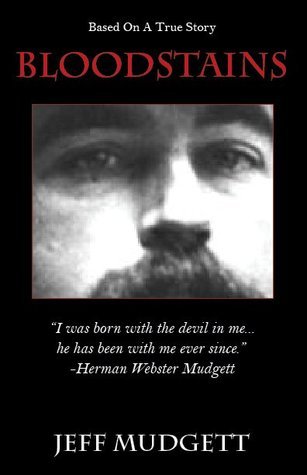
"Bloodstains" by Jeff Mudgett delves into the chilling possibility that his great-great-grandfather, H.H. Holmes, the notorious 19th-century serial killer, was also the infamous Jack the Ripper. Mudgett meticulously examines family archives, forensic evidence, and historical accounts, challenging established narratives and presenting a compelling case for this shocking dual identity. The book navigates the dark psychological landscape of a historical figure, fueled by a deeply personal quest for truth.
The similarity to Hoobler’s "The Monsters" lies in their shared exploration of the genesis and enduring impact of iconic, monstrous figures. Just as Hoobler unpacks the biographical and cultural forces that shaped Mary Shelley's *Frankenstein* and its Creature, Mudgett excavates the origins and monstrous deeds of H.H. Holmes, questioning inherited truths and presenting a new, unsettling perspective on a historical villain. Both books dissect the nature of evil, its societal repercussions, and the lasting fascination it holds for humanity.
This book will appeal to those captivated by true crime, historical mysteries, and the psychological underpinnings of evil. Its value lies in its meticulous research, its bold re-examination of a foundational true-crime narrative, and its capacity to provoke profound questions about identity, legacy, and the hidden currents of history. It offers a gripping, unsettling journey into the mind of a monster and the enduring power of historical secrets.
Bloodstains
"Bloodstains" by Jeff Mudgett delves into the chilling possibility that his great-great-grandfather, H.H. Holmes, the notorious 19th-century serial killer, was also the infamous Jack the Ripper. Mudgett meticulously examines family archives, forensic evidence, and historical accounts, challenging established narratives and presenting a compelling case for this shocking dual identity. The book navigates the dark psychological landscape of a historical figure, fueled by a deeply personal quest for truth.
The similarity to Hoobler’s "The Monsters" lies in their shared exploration of the genesis and enduring impact of iconic, monstrous figures. Just as Hoobler unpacks the biographical and cultural forces that shaped Mary Shelley's *Frankenstein* and its Creature, Mudgett excavates the origins and monstrous deeds of H.H. Holmes, questioning inherited truths and presenting a new, unsettling perspective on a historical villain. Both books dissect the nature of evil, its societal repercussions, and the lasting fascination it holds for humanity.
This book will appeal to those captivated by true crime, historical mysteries, and the psychological underpinnings of evil. Its value lies in its meticulous research, its bold re-examination of a foundational true-crime narrative, and its capacity to provoke profound questions about identity, legacy, and the hidden currents of history. It offers a gripping, unsettling journey into the mind of a monster and the enduring power of historical secrets.
Keats
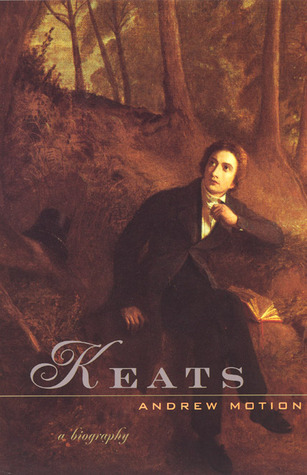
Andrew Motion’s “Keats” offers a deeply researched and engaging biography of the Romantic poet John Keats. It delves beyond the popular image of a tragic, consumptive genius to explore his intellectual development, his friendships, his passionate love affair with Fanny Brawne, and the societal pressures that shaped his short but prolific life. Motion meticulously examines Keats's poetic evolution, contextualizing his masterpieces within the challenges and inspirations of early 19th-century England.
This biography shares a significant kinship with “The Monsters: Mary Shelley and the Curse of Frankenstein” by Dorothy Hoobler. Both books are meticulously researched biographies focused on iconic figures of the Romantic era, shedding light on the personal lives, creative processes, and cultural contexts that fueled their revolutionary works. They each explore the human drama behind enduring literary legacies, portraying their subjects not as isolated geniuses, but as complex individuals shaped by their relationships, ambitions, and societal pressures, ultimately offering a vivid portrait of a pivotal historical period.
The appeal of "Keats" lies in its ability to humanize a literary giant, making his poetry and personal struggles feel remarkably contemporary. It provides invaluable insight into the creative mind, the process of artistic innovation, and the enduring power of literature to transcend individual lives. For those fascinated by the origins of great art, the intricacies of human emotion, and the vibrant intellectual landscape of the Romantic age, this book offers a profound and enriching experience.
Keats
Andrew Motion’s “Keats” offers a deeply researched and engaging biography of the Romantic poet John Keats. It delves beyond the popular image of a tragic, consumptive genius to explore his intellectual development, his friendships, his passionate love affair with Fanny Brawne, and the societal pressures that shaped his short but prolific life. Motion meticulously examines Keats's poetic evolution, contextualizing his masterpieces within the challenges and inspirations of early 19th-century England.
This biography shares a significant kinship with “The Monsters: Mary Shelley and the Curse of Frankenstein” by Dorothy Hoobler. Both books are meticulously researched biographies focused on iconic figures of the Romantic era, shedding light on the personal lives, creative processes, and cultural contexts that fueled their revolutionary works. They each explore the human drama behind enduring literary legacies, portraying their subjects not as isolated geniuses, but as complex individuals shaped by their relationships, ambitions, and societal pressures, ultimately offering a vivid portrait of a pivotal historical period.
The appeal of "Keats" lies in its ability to humanize a literary giant, making his poetry and personal struggles feel remarkably contemporary. It provides invaluable insight into the creative mind, the process of artistic innovation, and the enduring power of literature to transcend individual lives. For those fascinated by the origins of great art, the intricacies of human emotion, and the vibrant intellectual landscape of the Romantic age, this book offers a profound and enriching experience.
More Books to Explore
Discover more titles that expand on these ideas and themes.
The Wicked Boy: The Mystery of a Victorian Child Murderer
Bram Stoker: A Biography of the Author of Dracula
The Beautiful Cigar Girl: Mary Rogers, Edgar Allan Poe, and the Invention of Murder
Emily Brontë
The Brontë Myth
The Brontës