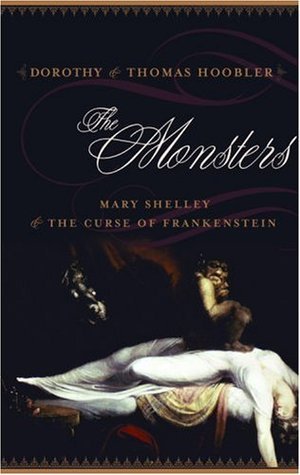
The Monsters: Mary Shelley and the Curse of Frankenstein
Book Description
Buried in shadows and whispers, Mary Shelley grapples with the haunted legacy of her creation, a monster that transcends the pages of her novel. As ambition and despair intertwine, she faces a world that craves sensationalism over compassion, delivering a powerful commentary on the consequences of unchecked science and morality. Secrets loom large, threatening to consume her, while a cruel fate follows her every step. This gripping tale explores the relentless pursuit of genius and the human cost that accompanies it. Can one woman rise above the darkness of her own nightmares, or will the curse of Frankenstein claim her too?
Quick Book Summary
Dorothy Hoobler’s "The Monsters: Mary Shelley and the Curse of Frankenstein" delves into the tumultuous life of Mary Shelley, the creator of "Frankenstein," and explores the origins, impact, and enduring legacy of her literary masterpiece. The book examines Mary's complex relationships with key figures like Percy Bysshe Shelley and Lord Byron, and the dark circumstances that inspired her iconic work. It uncovers how Mary's personal tragedies and societal limitations shaped her narrative, ultimately leading her to grapple with the unintended consequences of her own creation. Hoobler intertwines biography, literary criticism, and cultural history, revealing how "Frankenstein" became a touchstone for discussions about science, ambition, and morality—and how Mary herself was haunted by the very monster she gave life to in literature and in popular imagination.



Summary of Key Ideas
Table of Contents
Mary Shelley's Turbulent Life and Relationships
Mary Shelley's early life was marked by loss and revolt. The daughter of literary radicals William Godwin and Mary Wollstonecraft, she was steeped from childhood in intellectual challenge and social nonconformity. After her mother's death and a fraught relationship with her father, Mary eloped with poet Percy Bysshe Shelley. Their union plunged her into a world of artistic experimentation and bohemian excess, but also recurring grief—losing multiple children and enduring financial and social instability. Her inner turmoil and exposure to radical thought became the fertile ground from which "Frankenstein" emerged.
Creation and Legacy of Frankenstein
"Frankenstein" was conceived during a storm-lashed summer at Lake Geneva, as Mary and her companions, including Byron and Shelley, competed to write ghost stories. Drawing on personal sorrow, scientific currents of her era, and the sense of being an outsider, Mary gave life to Victor Frankenstein and his creature. The story echoed her anxieties about motherhood, creativity, and responsibility. The novel's publication—initially anonymous—sent ripples through literary circles, yet Mary’s authorship and genius were often overshadowed by those of the men around her.
Ambition, Science, and Moral Consequences
Mary's creation, Frankenstein’s Monster, quickly stepped beyond the novel’s pages to haunt popular culture. The book investigates how the "curse"—the unforeseen ramifications of invention and ambition—was not merely confined to Victor Frankenstein but extended into Mary’s own existence. The critical and public gaze, the burden of authorship, and frequent misattribution of her work deepened Mary’s personal hardships. The dark, speculative energy of the novel resonated with contemporary anxieties about scientific progress and the limits of human control, making Mary both celebrated and isolated.
The Blurring of Life and Art
Hoobler explores the complex dynamic between life and art in Mary Shelley’s world. The book traces how Mary's horror at personal loss became inseparable from the themes of her fiction, especially the loneliness and alienation suffered by Frankenstein's creature. The world’s fascination with the sensational aspects of her story often eclipsed its profound compassion and moral insight. Mary’s own battles with despair, neglect, and societal limitations blur into the narrative arcs she created, binding her fate ever closer to her literary monster.
Fame, Misfortune, and Lasting Impact
Through literary analysis and vivid historical portraiture, Hoobler demonstrates that "Frankenstein" was both Mary’s triumph and her torment. The novel reshaped the world’s perception of science, creativity, and moral responsibility. Yet for Mary, its success brought a paradoxical curse—family tragedies, public scrutiny, and a reputation at once revered and misunderstood. The book closes with the lasting impact of "Frankenstein," and of Mary Shelley herself: a woman whose daring imagination illuminated, and was shadowed by, the deepest questions of human existence.
Download This Summary
Get a free PDF of this summary instantly — no email required.