10 Books Similar to "The Madman"
by Kahlil Gibran

The Wanderer

"The Wanderer" is a collection of parables and aphorisms, presenting a philosophical journey through the human condition. Its unnamed protagonist, the Wanderer, muses on existential themes such as truth, love, freedom, and the nature of self, often through encounters with various allegorical figures or observations of life's paradoxes.
Its similarity to "The Madman" lies in their shared format of short, introspective prose poems that delve into profound spiritual and societal critiques. Both works employ allegory and often feature a solitary, insightful figure who challenges conventional wisdom and explores the boundaries of reason and perception. Each piece stands alone, yet collectively forms a cohesive exploration of Gibran's core philosophical concerns.
It offers a rich tapestry of thought-provoking wisdom and poetic expression. Individuals drawn to philosophical inquiry, spiritual reflection, and literary works that encourage contemplation will appreciate its profound insights into the human spirit and its enduring search for meaning. The book provides a powerful and accessible entry into Gibran's distinctive worldview, enriching understanding of self and the world.
The Wanderer
"The Wanderer" is a collection of parables and aphorisms, presenting a philosophical journey through the human condition. Its unnamed protagonist, the Wanderer, muses on existential themes such as truth, love, freedom, and the nature of self, often through encounters with various allegorical figures or observations of life's paradoxes.
Its similarity to "The Madman" lies in their shared format of short, introspective prose poems that delve into profound spiritual and societal critiques. Both works employ allegory and often feature a solitary, insightful figure who challenges conventional wisdom and explores the boundaries of reason and perception. Each piece stands alone, yet collectively forms a cohesive exploration of Gibran's core philosophical concerns.
It offers a rich tapestry of thought-provoking wisdom and poetic expression. Individuals drawn to philosophical inquiry, spiritual reflection, and literary works that encourage contemplation will appreciate its profound insights into the human spirit and its enduring search for meaning. The book provides a powerful and accessible entry into Gibran's distinctive worldview, enriching understanding of self and the world.
The Garden of The Prophet

"The Garden of The Prophet" continues the teachings of Almustafa, the prophet from Gibran's seminal work, *The Prophet*. Here, Almustafa shares further wisdom with his disciples on themes such as love, good and evil, freedom, and the interconnectedness of all life. It delves deeper into the spiritual and philosophical insights previously introduced, offering more nuanced perspectives on human existence and our place within the universe.
This work resonates strongly with "The Madman" through its allegorical and parable-like structure, presenting profound truths through symbolic narratives and poetic language. Both books explore the nature of reality, societal conventions, and the inner journey of self-discovery, often questioning established norms to reveal deeper spiritual truths. The contemplative tone and focus on individual enlightenment are hallmarks shared by both.
This volume offers a compelling exploration of universal truths and the human spirit. Its lyrical prose and profound aphorisms provide rich material for reflection and personal growth, encouraging a deeper understanding of life's complexities and the pursuit of inner harmony. It is a valuable resource for anyone seeking wisdom and inspiration beyond superficial explanations.
The Garden of The Prophet
"The Garden of The Prophet" continues the teachings of Almustafa, the prophet from Gibran's seminal work, *The Prophet*. Here, Almustafa shares further wisdom with his disciples on themes such as love, good and evil, freedom, and the interconnectedness of all life. It delves deeper into the spiritual and philosophical insights previously introduced, offering more nuanced perspectives on human existence and our place within the universe.
This work resonates strongly with "The Madman" through its allegorical and parable-like structure, presenting profound truths through symbolic narratives and poetic language. Both books explore the nature of reality, societal conventions, and the inner journey of self-discovery, often questioning established norms to reveal deeper spiritual truths. The contemplative tone and focus on individual enlightenment are hallmarks shared by both.
This volume offers a compelling exploration of universal truths and the human spirit. Its lyrical prose and profound aphorisms provide rich material for reflection and personal growth, encouraging a deeper understanding of life's complexities and the pursuit of inner harmony. It is a valuable resource for anyone seeking wisdom and inspiration beyond superficial explanations.
The Prophet
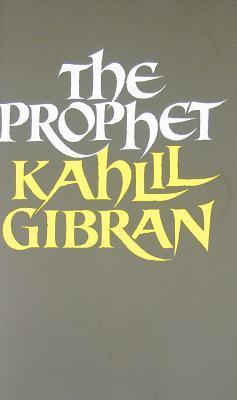
"The Prophet" by Kahlil Gibran explores facets of the human condition through the departing wisdom of Almustafa, a prophet about to return to his island home. As he waits for his ship, the people of Orphalese gather, asking him to speak on various universal topics, including love, marriage, children, giving, eating and drinking, work, joy and sorrow, housing, clothing, buying and selling, crime and punishment, laws, freedom, reason and passion, pain, self-knowledge, teaching, friendship, talking, time, good and evil, prayer, pleasure, beauty, religion, and death. Each chapter is a poetic meditation offering profound and often paradoxical insights into these fundamental aspects of life, encouraging introspection and a deeper understanding of existence.
Both "The Prophet" and "The Madman" share Gibran’s distinctive allegorical and poetic narrative style. They both feature a central, solitary figure—Almustafa the prophet and the titular madman—who delivers philosophical insights and observations to a community or to themselves. In both works, Gibran uses parable and metaphor to explore spiritual and existential themes, challenging conventional perceptions and inviting a re-evaluation of societal norms and personal truths. The language is lyrical, often resonant with spiritual undertones, and aims to provoke contemplation rather than simply convey a story.
Its enduring appeal lies in its timeless wisdom and beautifully crafted prose. The book offers reflections on universal experiences that resonate deeply, providing comfort, inspiration, and a fresh perspective on life's complexities. Engaging with Almustafa's teachings encourages personal growth and a more contemplative approach to everyday living. This makes it a valuable resource for anyone seeking perennial wisdom or a book that fosters introspection and a richer understanding of human relationships and existence.
The Prophet
"The Prophet" by Kahlil Gibran explores facets of the human condition through the departing wisdom of Almustafa, a prophet about to return to his island home. As he waits for his ship, the people of Orphalese gather, asking him to speak on various universal topics, including love, marriage, children, giving, eating and drinking, work, joy and sorrow, housing, clothing, buying and selling, crime and punishment, laws, freedom, reason and passion, pain, self-knowledge, teaching, friendship, talking, time, good and evil, prayer, pleasure, beauty, religion, and death. Each chapter is a poetic meditation offering profound and often paradoxical insights into these fundamental aspects of life, encouraging introspection and a deeper understanding of existence.
Both "The Prophet" and "The Madman" share Gibran’s distinctive allegorical and poetic narrative style. They both feature a central, solitary figure—Almustafa the prophet and the titular madman—who delivers philosophical insights and observations to a community or to themselves. In both works, Gibran uses parable and metaphor to explore spiritual and existential themes, challenging conventional perceptions and inviting a re-evaluation of societal norms and personal truths. The language is lyrical, often resonant with spiritual undertones, and aims to provoke contemplation rather than simply convey a story.
Its enduring appeal lies in its timeless wisdom and beautifully crafted prose. The book offers reflections on universal experiences that resonate deeply, providing comfort, inspiration, and a fresh perspective on life's complexities. Engaging with Almustafa's teachings encourages personal growth and a more contemplative approach to everyday living. This makes it a valuable resource for anyone seeking perennial wisdom or a book that fosters introspection and a richer understanding of human relationships and existence.
A Tear and a Smile

"A Tear and a Smile" explores the human condition through a collection of prose poems, fables, and parables. Gibran delves into universal themes of love, sorrow, joy, longing, and spiritual awakening, often personifying abstract concepts and nature to illuminate inner truths. It’s a reflective journey into the soul's experiences, presented with an evocative lyricism.
This collection resonates with "The Madman" due to their shared stylistic approach and thematic depth. Both are comprised of short, insightful pieces rather than a single narrative. They employ allegorical language and philosophical inquiry to question societal norms, explore the subconscious, and champion individual spiritual understanding over superficial convention. The recurring motifs of inner turmoil, self-discovery, and the search for authentic meaning act as strong connective tissue between the two works.
The enduring appeal of "A Tear and a Smile" lies in its profound yet accessible wisdom. Its brevity allows for contemplation on individual pieces, while the collective impact offers a holistic perspective on life's dualities. It provides solace, sparks introspection, and offers eloquent articulations of often ineffable human experiences, proving valuable for anyone seeking spiritual and emotional insight presented with poetic grace.
A Tear and a Smile
"A Tear and a Smile" explores the human condition through a collection of prose poems, fables, and parables. Gibran delves into universal themes of love, sorrow, joy, longing, and spiritual awakening, often personifying abstract concepts and nature to illuminate inner truths. It’s a reflective journey into the soul's experiences, presented with an evocative lyricism.
This collection resonates with "The Madman" due to their shared stylistic approach and thematic depth. Both are comprised of short, insightful pieces rather than a single narrative. They employ allegorical language and philosophical inquiry to question societal norms, explore the subconscious, and champion individual spiritual understanding over superficial convention. The recurring motifs of inner turmoil, self-discovery, and the search for authentic meaning act as strong connective tissue between the two works.
The enduring appeal of "A Tear and a Smile" lies in its profound yet accessible wisdom. Its brevity allows for contemplation on individual pieces, while the collective impact offers a holistic perspective on life's dualities. It provides solace, sparks introspection, and offers eloquent articulations of often ineffable human experiences, proving valuable for anyone seeking spiritual and emotional insight presented with poetic grace.
The Broken Wings

"The Broken Wings" is a poignant novella detailing the intense, star-crossed love between a young man and Selma Karamy, a woman trapped in an arranged marriage. It explores themes of spiritual love versus societal constraints, the pain of unfulfilled desire, and the enduring power of memory and sacrifice within a deeply patriarchal Lebanese society.
This novella resonates with "The Madman" through its exploration of individual suffering and transcendent experiences. Both works delve into the human spirit's inner turmoil and its yearning for truth and liberation, often against a backdrop of misunderstanding or societal opposition. While "The Madman" uses parables and poetry to dissect philosophical and existential angst, "The Broken Wings" grounds similar emotional depth within a narrative of tragic romance, showcasing Gibran's consistent interest in the soul's journey.
It will appeal to those who appreciate introspective narratives and lyrical prose that delves into the complexities of love, loss, and the spirit's perseverance. The novella offers profound insights into human emotion and societal pressures, providing a reflective experience that encourages contemplation on personal freedom, destiny, and the nature of enduring affection.
The Broken Wings
"The Broken Wings" is a poignant novella detailing the intense, star-crossed love between a young man and Selma Karamy, a woman trapped in an arranged marriage. It explores themes of spiritual love versus societal constraints, the pain of unfulfilled desire, and the enduring power of memory and sacrifice within a deeply patriarchal Lebanese society.
This novella resonates with "The Madman" through its exploration of individual suffering and transcendent experiences. Both works delve into the human spirit's inner turmoil and its yearning for truth and liberation, often against a backdrop of misunderstanding or societal opposition. While "The Madman" uses parables and poetry to dissect philosophical and existential angst, "The Broken Wings" grounds similar emotional depth within a narrative of tragic romance, showcasing Gibran's consistent interest in the soul's journey.
It will appeal to those who appreciate introspective narratives and lyrical prose that delves into the complexities of love, loss, and the spirit's perseverance. The novella offers profound insights into human emotion and societal pressures, providing a reflective experience that encourages contemplation on personal freedom, destiny, and the nature of enduring affection.
Jesus the Son of Man

"Jesus the Son of Man" presents a multi-faceted portrait of Jesus through the eyes of over seventy fictional contemporaries. Gibran masterfully weaves together diverse perspectives—from Mary Magdalene and Peter to Pontius Pilate and Judas—to reveal not just historical events, but the profound human impact and spiritual resonance of Jesus's life and teachings. It delves into his humanity, his compassion, and the revolutionary nature of his message, offering a deeply personal and often emotionally charged understanding of his character.
The similarity to "The Madman" lies in the structural and thematic approach to profound figures. Both books utilize a collection of short, highly stylized vignettes or reflections to explore a central character's identity and influence. "The Madman" unpacks the nature of truth, societal perception, and spiritual awakening through its protagonist's unconventional wisdom. Similarly, "Jesus the Son of Man" deconstructs the conventional narrative of Jesus, inviting readers to grapple with complex ideas of divinity, rebellion, and inner truth through fragmented, revealing insights, allowing for a more intimate and less dogmatic engagement with the subject.
This work appeals through its unique narrative structure and its invitation to profound reflection. It offers a fresh, humanistic interpretation of a seminal figure, moving beyond traditional religious dogma to explore universal themes of love, sacrifice, and the search for meaning. The varied perspectives provide a rich tapestry of human experience and belief, encouraging personal contemplation and a deeper, more nuanced understanding of the historical and spiritual legacy of Jesus. Its lyrical prose and philosophical depth make it a valuable exploration of faith and humanity.
Jesus the Son of Man
"Jesus the Son of Man" presents a multi-faceted portrait of Jesus through the eyes of over seventy fictional contemporaries. Gibran masterfully weaves together diverse perspectives—from Mary Magdalene and Peter to Pontius Pilate and Judas—to reveal not just historical events, but the profound human impact and spiritual resonance of Jesus's life and teachings. It delves into his humanity, his compassion, and the revolutionary nature of his message, offering a deeply personal and often emotionally charged understanding of his character.
The similarity to "The Madman" lies in the structural and thematic approach to profound figures. Both books utilize a collection of short, highly stylized vignettes or reflections to explore a central character's identity and influence. "The Madman" unpacks the nature of truth, societal perception, and spiritual awakening through its protagonist's unconventional wisdom. Similarly, "Jesus the Son of Man" deconstructs the conventional narrative of Jesus, inviting readers to grapple with complex ideas of divinity, rebellion, and inner truth through fragmented, revealing insights, allowing for a more intimate and less dogmatic engagement with the subject.
This work appeals through its unique narrative structure and its invitation to profound reflection. It offers a fresh, humanistic interpretation of a seminal figure, moving beyond traditional religious dogma to explore universal themes of love, sacrifice, and the search for meaning. The varied perspectives provide a rich tapestry of human experience and belief, encouraging personal contemplation and a deeper, more nuanced understanding of the historical and spiritual legacy of Jesus. Its lyrical prose and philosophical depth make it a valuable exploration of faith and humanity.
Kahlil Gibran, The Collected Works
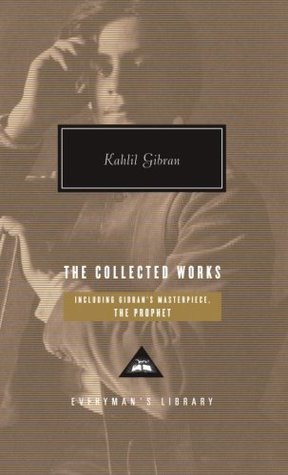
"Kahlil Gibran, The Collected Works" offers a comprehensive anthology of Gibran's most significant poetic and philosophical writings, including "The Prophet," "The Garden of the Prophet," and a selection of his parables and essays. It delves into universal themes of love, spirituality, nature, self-discovery, and the human condition, presented with profound allegory and lyrical prose.
This collection resonates with "The Madman" through its shared exploration of existential questions, societal critique, and the search for deeper meaning beyond conventional understanding. Both works employ allegorical narratives and a distinct poetic voice to challenge established norms and invite introspection into the individual's place in the universe. The philosophical underpinnings and the quest for spiritual truth present a consistent thread across Gibran's oeuvre.
This compilation provides an unparalleled opportunity to immerse oneself in the breadth and depth of Gibran's profound insights and distinctive literary style. It offers a holistic understanding of his philosophical contributions and artistic evolution, making it an invaluable resource for those who appreciate contemplative literature and seek works that inspire personal reflection and spiritual growth.
Kahlil Gibran, The Collected Works
"Kahlil Gibran, The Collected Works" offers a comprehensive anthology of Gibran's most significant poetic and philosophical writings, including "The Prophet," "The Garden of the Prophet," and a selection of his parables and essays. It delves into universal themes of love, spirituality, nature, self-discovery, and the human condition, presented with profound allegory and lyrical prose.
This collection resonates with "The Madman" through its shared exploration of existential questions, societal critique, and the search for deeper meaning beyond conventional understanding. Both works employ allegorical narratives and a distinct poetic voice to challenge established norms and invite introspection into the individual's place in the universe. The philosophical underpinnings and the quest for spiritual truth present a consistent thread across Gibran's oeuvre.
This compilation provides an unparalleled opportunity to immerse oneself in the breadth and depth of Gibran's profound insights and distinctive literary style. It offers a holistic understanding of his philosophical contributions and artistic evolution, making it an invaluable resource for those who appreciate contemplative literature and seek works that inspire personal reflection and spiritual growth.
The Book of Mirdad: The strange story of a monastery which was once called The Ark

"The Book of Mirdad" explores the profound wisdom imparted by a mysterious, ancient figure named Mirdad to the monks of a secluded monastery called The Ark. It delves into esoteric philosophical concepts, moral dilemmas, and the nature of self, love, and the universe, all presented through parables, dialogues, and allegorical teachings designed to awaken spiritual understanding and inner truth.
This book shares much with "The Madman" in its allegorical style and its central theme of challenging conventional thought to find deeper realities. Both works employ a prophetic, almost spiritual voice to question societal norms, human folly, and the limitations of perception. They both offer a path toward self-realization and a re-evaluation of what constitutes true wisdom, often through the eyes of an unconventional, enlightened individual standing apart from the crowd.
The enduring appeal of "The Book of Mirdad" lies in its timeless spiritual insights and its elegant, poetic prose. It offers a meditative and thought-provoking experience, encouraging introspective reflection on life's fundamental questions. Its profound wisdom and call to authentic self-discovery make it a valuable resource for anyone seeking a deeper understanding of existence and their place within it.
The Book of Mirdad: The strange story of a monastery which was once called The Ark
"The Book of Mirdad" explores the profound wisdom imparted by a mysterious, ancient figure named Mirdad to the monks of a secluded monastery called The Ark. It delves into esoteric philosophical concepts, moral dilemmas, and the nature of self, love, and the universe, all presented through parables, dialogues, and allegorical teachings designed to awaken spiritual understanding and inner truth.
This book shares much with "The Madman" in its allegorical style and its central theme of challenging conventional thought to find deeper realities. Both works employ a prophetic, almost spiritual voice to question societal norms, human folly, and the limitations of perception. They both offer a path toward self-realization and a re-evaluation of what constitutes true wisdom, often through the eyes of an unconventional, enlightened individual standing apart from the crowd.
The enduring appeal of "The Book of Mirdad" lies in its timeless spiritual insights and its elegant, poetic prose. It offers a meditative and thought-provoking experience, encouraging introspective reflection on life's fundamental questions. Its profound wisdom and call to authentic self-discovery make it a valuable resource for anyone seeking a deeper understanding of existence and their place within it.
Memoirs of a Madman

Gustave Flaubert's "Memoirs of a Madman" offers an intimate, introspective dive into the mind of a young man grappling with profound existential questions and an acute sensitivity to the world around him. It’s a semi-autobiographical novella reflecting on disillusionment, the nature of memory, unrequited love, and the search for meaning in a seemingly indifferent universe, all filtered through a lens of melancholic introspection and intellectual fervor.
The similarity to Kahlil Gibran's "The Madman" lies primarily in their shared exploration of the outcast, the individual who perceives reality differently from the societal norm. Both works feature protagonists who, through a form of self-imposed or externally perceived "madness," gain a unique perspective on truth, morality, and the human condition. They critique societal conventions and delve into deeper philosophical currents, presenting their protagonists as figures of unusual insight rather than mere pathology.
This work appeals to those drawn to philosophical inquiry and psychological depth in literature. It offers a unique window into the formative experiences and intellectual anxieties of one of literature's great masters. Its value lies in its candid exploration of youthful idealism, the pain of unfulfilled desires, and the universal quest for identity, resonating with anyone who has wrestled with life's big questions or felt like an outsider looking in.
Memoirs of a Madman
Gustave Flaubert's "Memoirs of a Madman" offers an intimate, introspective dive into the mind of a young man grappling with profound existential questions and an acute sensitivity to the world around him. It’s a semi-autobiographical novella reflecting on disillusionment, the nature of memory, unrequited love, and the search for meaning in a seemingly indifferent universe, all filtered through a lens of melancholic introspection and intellectual fervor.
The similarity to Kahlil Gibran's "The Madman" lies primarily in their shared exploration of the outcast, the individual who perceives reality differently from the societal norm. Both works feature protagonists who, through a form of self-imposed or externally perceived "madness," gain a unique perspective on truth, morality, and the human condition. They critique societal conventions and delve into deeper philosophical currents, presenting their protagonists as figures of unusual insight rather than mere pathology.
This work appeals to those drawn to philosophical inquiry and psychological depth in literature. It offers a unique window into the formative experiences and intellectual anxieties of one of literature's great masters. Its value lies in its candid exploration of youthful idealism, the pain of unfulfilled desires, and the universal quest for identity, resonating with anyone who has wrestled with life's big questions or felt like an outsider looking in.
The Green Child

"The Green Child" is a philosophical fantasy novel exploring the journey of Olivero, a former president, to an otherworldly society living beneath a rural mill. He encounters beings who live in harmony with nature, communicating telepathically and adhering to a strict, stoic philosophy. The narrative delves into their unique customs, their rejection of conventional human society, and the existential questions their existence provokes, particularly concerning life, death, and the nature of consciousness.
This novel shares a profound thematic kinship with "The Madman." Both works feature protagonists who, through intellectual or spiritual awakening, become outsiders to conventional society. Olivero, like Gibran’s Madman, experiences a fundamental shift in perception, revealing the absurdities and limitations of established norms, and seeking a deeper, more authentic reality. Both utilize allegorical narratives to critique societal structures and explore alternative modes of being.
This exploration of a heightened reality and the critique of mundane existence offers a compelling experience. Its philosophical depth encourages introspection and a re-evaluation of personal values, while the imaginative setting provides a captivating escape. The blend of fantastical elements with profound existential questions makes it a thought-provoking and enriching read, fostering a broader understanding of human potential and societal constraints.
The Green Child
"The Green Child" is a philosophical fantasy novel exploring the journey of Olivero, a former president, to an otherworldly society living beneath a rural mill. He encounters beings who live in harmony with nature, communicating telepathically and adhering to a strict, stoic philosophy. The narrative delves into their unique customs, their rejection of conventional human society, and the existential questions their existence provokes, particularly concerning life, death, and the nature of consciousness.
This novel shares a profound thematic kinship with "The Madman." Both works feature protagonists who, through intellectual or spiritual awakening, become outsiders to conventional society. Olivero, like Gibran’s Madman, experiences a fundamental shift in perception, revealing the absurdities and limitations of established norms, and seeking a deeper, more authentic reality. Both utilize allegorical narratives to critique societal structures and explore alternative modes of being.
This exploration of a heightened reality and the critique of mundane existence offers a compelling experience. Its philosophical depth encourages introspection and a re-evaluation of personal values, while the imaginative setting provides a captivating escape. The blend of fantastical elements with profound existential questions makes it a thought-provoking and enriching read, fostering a broader understanding of human potential and societal constraints.
More Books to Explore
Discover more titles that expand on these ideas and themes.
The Wanderer
The Garden of The Prophet
The Prophet
A Tear and a Smile
The Broken Wings
Jesus the Son of Man