
The Wanderer
Book Description
A restless soul navigates the vast landscape of existence, grappling with the weight of love, loss, and the search for meaning. Each encounter adds depth to a haunting journey, as questions of identity and purpose echo through his heart. As he forges connections and faces inevitable heartbreak, the beauty and brutality of life intertwine in this lyrical odyssey. With every step, the wanderer uncovers hidden truths that challenge everything he believed. Will he ultimately find the solace he seeks, or will the road ahead lead to more profound questions?
Quick Book Summary
In "The Wanderer" by Kahlil Gibran, a solitary traveler traverses metaphorical and literal landscapes, engaging in encounters that illuminate the paradoxes of love, loss, and self-discovery. Through a series of evocative poetic tales and parables, the wanderer reflects on his journey, probing deep questions about identity, belonging, and the very nature of existence. His heart is marked by both the beauty and sorrow of living, leading him to continual contemplation. The book, rich with philosophical insight and spiritual depth, weaves universal human experiences into lyrical prose that invites readers to consider their own path. Ultimately, the wanderer's search becomes a mirror for our shared longing for meaning, inner peace, and understanding.




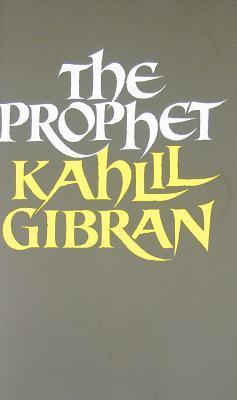
Summary of Key Ideas
Table of Contents
The Search for Identity and Meaning
The journey of the wanderer unfolds as a symbolic odyssey through the landscapes of both the world and the soul. From the very first steps, his path is driven by a fundamental yearning to understand himself and the mysteries of existence. This quest for identity and meaning permeates every encounter, as the wanderer contemplates his place in the universe. His solitude becomes a canvas for introspection, and every horizon crossed is a step further into the depths of his own heart and mind.
Embracing Love and Enduring Loss
Love enters the wanderer’s life as both an uplifting force and a source of inevitable heartbreak. Relationships, whether fleeting connections or deep bonds, bring moments of joy and suffering. The poignancy of these experiences teaches the wanderer about the fragility and strength of the human spirit. In grappling with loss, he discovers that pain and delight are intertwined, one giving meaning to the other. This duality enriches his emotional journey and shapes his evolving view of the world.
Encounters as Catalysts for Insight
The characters and strangers the wanderer meets act as mirrors and teachers. Their stories, wisdom, and follies become parables that guide and challenge his understanding. Each encounter becomes a pivotal moment, prompting the wanderer to question his assumptions, refine his beliefs, and confront his deepest doubts. Dialogues and shared experiences reveal universal truths: kindness, suffering, hope, and the resilience embedded in the human condition.
The Interplay of Beauty and Suffering
As the wanderer traverses the ups and downs of life, he becomes acutely aware of how beauty and suffering coexist. Scenes of nature’s splendor, acts of generosity, and sparks of inspiration are interwoven with experiences of pain, loss, and disillusionment. This interplay underscores the book’s central theme that life is both exquisite and brutal. Through lyrical, poetic language, Gibran invites readers to find solace in the complexity and contradictions of existence.
The Lifelong Nature of the Spiritual Journey
The journey itself is never neatly concluded. The wanderer’s search for solace and truth is ongoing, echoing the endless quest familiar to all seekers. Closure remains elusive, and with every answer comes a deeper question. By embracing uncertainty and the perpetual motion of life, the wanderer embodies the spiritual journey as a process rather than a destination. In this way, Gibran’s work resonates as a timeless meditation on humanity’s collective pilgrimage toward understanding and inner peace.
Download This Summary
Get a free PDF of this summary instantly — no email required.