10 Books Similar to "The Long Walk"
by Richard Bachman

The Running Man

*The Running Man* thrusts readers into a dystopian future where the impoverished Ben Richards, desperate for money to save his ailing daughter, volunteers for a deadly televised game show. Contestants are hunted across the country by "stalkers" while viewers wager on their survival. The ultimate prize is immense wealth, but the odds of living are virtually zero.
The narratives share core unsettling similarities. Both novels explore the harrowing lengths individuals will go to for survival within a cruelly indifferent, high-stakes system. The protagonists in both *The Long Walk* and *The Running Man* are engaged in a relentless, physically and psychologically draining contest with death, where the entertainment of the masses fuels their torment. The shared exploration of dehumanization for public spectacle, forced performance under duress, and the corrupting influence of power are undeniable.
This compelling read offers a stark critique of societal entertainment built on human suffering and economic desperation. It provides a visceral experience of ultimate pressure, forcing contemplation on individual agency versus systemic oppression. The valuable insights into human resilience, the ethics of media consumption, and the stark reality of class disparity resonate powerfully, offering both thrilling entertainment and poignant social commentary.
The Running Man
*The Running Man* thrusts readers into a dystopian future where the impoverished Ben Richards, desperate for money to save his ailing daughter, volunteers for a deadly televised game show. Contestants are hunted across the country by "stalkers" while viewers wager on their survival. The ultimate prize is immense wealth, but the odds of living are virtually zero.
The narratives share core unsettling similarities. Both novels explore the harrowing lengths individuals will go to for survival within a cruelly indifferent, high-stakes system. The protagonists in both *The Long Walk* and *The Running Man* are engaged in a relentless, physically and psychologically draining contest with death, where the entertainment of the masses fuels their torment. The shared exploration of dehumanization for public spectacle, forced performance under duress, and the corrupting influence of power are undeniable.
This compelling read offers a stark critique of societal entertainment built on human suffering and economic desperation. It provides a visceral experience of ultimate pressure, forcing contemplation on individual agency versus systemic oppression. The valuable insights into human resilience, the ethics of media consumption, and the stark reality of class disparity resonate powerfully, offering both thrilling entertainment and poignant social commentary.
Roadwork

*Roadwork* centers on Barton Dawes, a man facing the inevitable destruction of his home and workplace due to a highway expansion project. Rather than accept his circumstances, Dawes descends into a personal rebellion, increasingly alienated from society as he clings to the physical remnants of his life, ultimately choosing violence over capitulation.
The two novels share a fundamental exploration of the individual's futile resistance against an unyielding, oppressive system. Both protagonists, Dawes and Garraty, are pitted against an overwhelming, impersonal force that dictates their fate, forcing them to confront their human limitations and the value of defiance, however doomed. This shared thematic core of existential struggle against an indifferent authority tightly links the narratives.
This novel will resonate with those who appreciate a stark, psychological examination of human endurance and the profound impact of societal pressures on the individual spirit. It offers a powerful meditation on loss, control, and the desperate measures one takes to assert agency in a world determined to erase them, providing a valuable, albeit bleak, insight into the human condition.
Roadwork
*Roadwork* centers on Barton Dawes, a man facing the inevitable destruction of his home and workplace due to a highway expansion project. Rather than accept his circumstances, Dawes descends into a personal rebellion, increasingly alienated from society as he clings to the physical remnants of his life, ultimately choosing violence over capitulation.
The two novels share a fundamental exploration of the individual's futile resistance against an unyielding, oppressive system. Both protagonists, Dawes and Garraty, are pitted against an overwhelming, impersonal force that dictates their fate, forcing them to confront their human limitations and the value of defiance, however doomed. This shared thematic core of existential struggle against an indifferent authority tightly links the narratives.
This novel will resonate with those who appreciate a stark, psychological examination of human endurance and the profound impact of societal pressures on the individual spirit. It offers a powerful meditation on loss, control, and the desperate measures one takes to assert agency in a world determined to erase them, providing a valuable, albeit bleak, insight into the human condition.
Thinner

*Thinner* follows Billy Halleck, a complacent and overweight lawyer, as he faces a chilling curse. After accidentally killing a Romani woman, her elderly father places a hex on Halleck, causing him to lose weight at a terrifying, uncontrollable rate. As Halleck desperately seeks a cure, his life unravels, his health deteriorates, and he grapples with the ethical implications of his past and the horrifying consequences of unchecked revenge. It's a dark exploration of guilt, justice, and the grotesque side effects of a primal curse.
Both novels feature protagonists thrust into a high-stakes, inescapable ordeal orchestrated by an external, seemingly omnipotent force. In *Thinner*, Halleck is literally wasting away due to a curse, mirroring the inexorable physical and psychological decline experienced by the Walkers in *The Long Walk*. Both stories present a relentless, escalating pressure that tests the limits of their characters' endurance and morality, forcing them to confront their vulnerability in the face of an extraordinary, deadly challenge.
This book offers a compelling exploration of guilt, prejudice, and the concept of deserved punishment. The narrative provides a visceral experience of body horror and psychological suspense, engaging with themes of personal responsibility and the unforgiving nature of certain forms of justice. It delivers a potent, thought-provoking examination of societal biases and the dark consequences that can arise from deep-seated cultural grievances, leaving a lasting impression on the audience.
Thinner
*Thinner* follows Billy Halleck, a complacent and overweight lawyer, as he faces a chilling curse. After accidentally killing a Romani woman, her elderly father places a hex on Halleck, causing him to lose weight at a terrifying, uncontrollable rate. As Halleck desperately seeks a cure, his life unravels, his health deteriorates, and he grapples with the ethical implications of his past and the horrifying consequences of unchecked revenge. It's a dark exploration of guilt, justice, and the grotesque side effects of a primal curse.
Both novels feature protagonists thrust into a high-stakes, inescapable ordeal orchestrated by an external, seemingly omnipotent force. In *Thinner*, Halleck is literally wasting away due to a curse, mirroring the inexorable physical and psychological decline experienced by the Walkers in *The Long Walk*. Both stories present a relentless, escalating pressure that tests the limits of their characters' endurance and morality, forcing them to confront their vulnerability in the face of an extraordinary, deadly challenge.
This book offers a compelling exploration of guilt, prejudice, and the concept of deserved punishment. The narrative provides a visceral experience of body horror and psychological suspense, engaging with themes of personal responsibility and the unforgiving nature of certain forms of justice. It delivers a potent, thought-provoking examination of societal biases and the dark consequences that can arise from deep-seated cultural grievances, leaving a lasting impression on the audience.
The Regulators

"The Regulators" plunges a quiet suburban street into chaotic terror as ordinary objects and people are warped into grotesque, cartoon-like horrors by an unseen, malevolent force. The residents, including an autistic boy with a powerful imagination, must confront the reality that their world is being rewritten by this entity, with deadly and bizarre consequences. The narrative shifts perspectives, revealing the escalating madness through the eyes of various bewildered and terrified inhabitants.
The thematic core of "The Regulators" echoes "The Long Walk" in its exploration of extreme psychological and physical duress. Both novels place characters in inescapable, life-or-death scenarios where the rules are arbitrarily enforced, and survival is a brutal, often unfair, game. The unrelenting tension and the descent into madness under pressure are central to both narratives, emphasizing the fragility of sanity and society when pushed to breaking point.
This novel will appeal to those who appreciate a narrative that masterfully combines psychological horror with visceral action, offering a compelling study of human resilience and vulnerability. The unique premise and relentless pacing provide a thrilling, thought-provoking experience, encouraging reflection on the nature of reality and the hidden forces that might control it. It stands as a testament to Bachman's ability to craft truly terrifying and unforgettable stories.
The Regulators
"The Regulators" plunges a quiet suburban street into chaotic terror as ordinary objects and people are warped into grotesque, cartoon-like horrors by an unseen, malevolent force. The residents, including an autistic boy with a powerful imagination, must confront the reality that their world is being rewritten by this entity, with deadly and bizarre consequences. The narrative shifts perspectives, revealing the escalating madness through the eyes of various bewildered and terrified inhabitants.
The thematic core of "The Regulators" echoes "The Long Walk" in its exploration of extreme psychological and physical duress. Both novels place characters in inescapable, life-or-death scenarios where the rules are arbitrarily enforced, and survival is a brutal, often unfair, game. The unrelenting tension and the descent into madness under pressure are central to both narratives, emphasizing the fragility of sanity and society when pushed to breaking point.
This novel will appeal to those who appreciate a narrative that masterfully combines psychological horror with visceral action, offering a compelling study of human resilience and vulnerability. The unique premise and relentless pacing provide a thrilling, thought-provoking experience, encouraging reflection on the nature of reality and the hidden forces that might control it. It stands as a testament to Bachman's ability to craft truly terrifying and unforgettable stories.
Rage

*Rage* delves into the chilling psychology of a high school student, Charlie Decker, who snaps and takes his algebra class hostage. As authorities try to negotiate, Charlie orchestrates a disturbing series of psychological games and revelations among his captives, exposing their vulnerabilities and challenging societal norms within the confines of the classroom. The novel is a descent into the mind of a troubled youth and the ripple effects of his desperate act.
Both *Rage* and *The Long Walk* explore extreme situations imposed upon young people, forcing them to confront life-or-death choices and the raw truths of human nature under duress. They each feature protagonists pushed to their psychological limits, revealing the fragility of sanity and the often-grim realities of human endurance. The common thread is Bachman's unflinching examination of young males in crucible scenarios, stripped of typical societal protections.
This work offers a gripping exploration of adolescent angst, mental health crises, and the destructive potential of unchecked anger. It provides a stark, albeit uncomfortable, mirror to societal pressures and the precarious tightrope many young individuals walk. The raw depiction of its themes can provoke essential discussions about empathy, intervention, and the complexities of human behavior, making it a powerful and thought-provoking read.
Rage
*Rage* delves into the chilling psychology of a high school student, Charlie Decker, who snaps and takes his algebra class hostage. As authorities try to negotiate, Charlie orchestrates a disturbing series of psychological games and revelations among his captives, exposing their vulnerabilities and challenging societal norms within the confines of the classroom. The novel is a descent into the mind of a troubled youth and the ripple effects of his desperate act.
Both *Rage* and *The Long Walk* explore extreme situations imposed upon young people, forcing them to confront life-or-death choices and the raw truths of human nature under duress. They each feature protagonists pushed to their psychological limits, revealing the fragility of sanity and the often-grim realities of human endurance. The common thread is Bachman's unflinching examination of young males in crucible scenarios, stripped of typical societal protections.
This work offers a gripping exploration of adolescent angst, mental health crises, and the destructive potential of unchecked anger. It provides a stark, albeit uncomfortable, mirror to societal pressures and the precarious tightrope many young individuals walk. The raw depiction of its themes can provoke essential discussions about empathy, intervention, and the complexities of human behavior, making it a powerful and thought-provoking read.
The Bachman Books
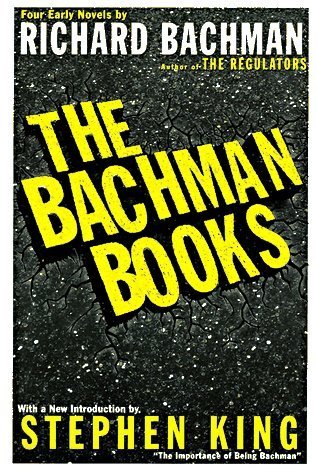
"The Bachman Books" is a collection of four early novels by Stephen King, written under his pseudonym Richard Bachman. It includes "Rage," "The Long Walk," "Roadwork," and "The Running Man." This compilation offers a raw, unfiltered look at King's initial creative impulses, showcasing his early exploration of dark themes and psychological torment, often focusing on individuals pushed to their breaking points by societal pressures or extreme circumstances.
The primary similarity to "The Long Walk" lies in the fact that "The Long Walk" is one of the included novels. Beyond this direct inclusion, the other stories within "The Bachman Books" share the same bleak, existential dread and focus on characters facing inescapable, often allegorical, life-or-death situations. They all delve into the psychological endurance and moral compromises individuals make when confronted with overwhelming, seemingly arbitrary, challenges, a hallmark of "The Long Walk's" central premise.
It will appeal to those who appreciate gritty, character-driven narratives that explore the darker aspects of human nature and societal control. The collection provides valuable insight into King's formative writing style and recurring thematic obsessions, offering a deeper understanding of the groundwork laid for his more famous works. For enthusiasts of dystopian fiction and psychological thrillers, these stories present compelling narratives that provoke thought and challenge assumptions about survival and human will.
The Bachman Books
"The Bachman Books" is a collection of four early novels by Stephen King, written under his pseudonym Richard Bachman. It includes "Rage," "The Long Walk," "Roadwork," and "The Running Man." This compilation offers a raw, unfiltered look at King's initial creative impulses, showcasing his early exploration of dark themes and psychological torment, often focusing on individuals pushed to their breaking points by societal pressures or extreme circumstances.
The primary similarity to "The Long Walk" lies in the fact that "The Long Walk" is one of the included novels. Beyond this direct inclusion, the other stories within "The Bachman Books" share the same bleak, existential dread and focus on characters facing inescapable, often allegorical, life-or-death situations. They all delve into the psychological endurance and moral compromises individuals make when confronted with overwhelming, seemingly arbitrary, challenges, a hallmark of "The Long Walk's" central premise.
It will appeal to those who appreciate gritty, character-driven narratives that explore the darker aspects of human nature and societal control. The collection provides valuable insight into King's formative writing style and recurring thematic obsessions, offering a deeper understanding of the groundwork laid for his more famous works. For enthusiasts of dystopian fiction and psychological thrillers, these stories present compelling narratives that provoke thought and challenge assumptions about survival and human will.
The Stand
"The Stand" chronicles the aftermath of a devastating pandemic that wipes out most of humanity. The few survivors are drawn into a cosmic struggle between good and evil, personified by the benevolent Mother Abagail and the malevolent Randall Flagg. It explores themes of societal collapse, faith, choice, and the enduring human spirit in the face of existential threats.
The similarity to "The Long Walk" lies in their shared exploration of extreme trials and the psychological toll they take. Both novels present characters thrust into extraordinary, life-or-death situations that strip away normal societal constructs, forcing them to confront their inner selves and make profound moral choices. The relentless, high-stakes endurance challenge, whether physical or spiritual, serves as a central thematic pillar.
This book will appeal due to its profound examination of human nature under duress and its epic, sweeping narrative. Its value lies in its insights into morality, community, and the inherent darkness and light within humanity, offering a thought-provoking and deeply immersive experience.
The Stand
"The Stand" chronicles the aftermath of a devastating pandemic that wipes out most of humanity. The few survivors are drawn into a cosmic struggle between good and evil, personified by the benevolent Mother Abagail and the malevolent Randall Flagg. It explores themes of societal collapse, faith, choice, and the enduring human spirit in the face of existential threats.
The similarity to "The Long Walk" lies in their shared exploration of extreme trials and the psychological toll they take. Both novels present characters thrust into extraordinary, life-or-death situations that strip away normal societal constructs, forcing them to confront their inner selves and make profound moral choices. The relentless, high-stakes endurance challenge, whether physical or spiritual, serves as a central thematic pillar.
This book will appeal due to its profound examination of human nature under duress and its epic, sweeping narrative. Its value lies in its insights into morality, community, and the inherent darkness and light within humanity, offering a thought-provoking and deeply immersive experience.
Blaze
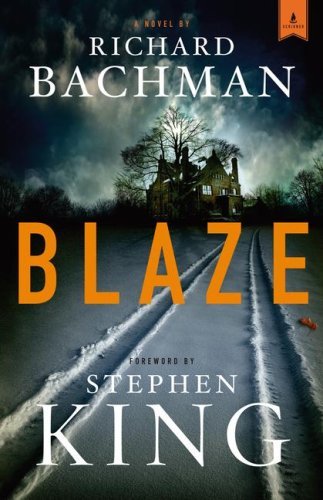
*Blaze* tells the story of Clayton Blaisdell Jr., an intellectually disabled but physically imposing man, who kidnaps an infant at the behest of his deceased best friend and former crime partner, George. The narrative unfolds as Blaze attempts to execute this meticulously planned, seemingly impossible crime amidst harsh winter conditions and past trauma, all while grappling with George's persistent, manipulative voice guiding his every move.
The similarity to *The Long Walk* lies in the pervasive sense of a predetermined, inescapable ordeal, driven by a deeply ingrained internal voice or external authority. In both novels, protagonists are bound to a singular, relentless objective under extreme duress, making choices that feel both compelled and self-destructive. Each character faces a grueling test of endurance, both physical and psychological, as they navigate their fated path.
This novel will resonate with those who appreciate a dark, character-driven psychological thriller exploring themes of obsession, manipulation, and the human capacity for both cruelty and misguided loyalty. Its taut pacing and exploration of a compelling, damaged anti-hero offer a potent reading experience, inviting contemplation on the nature of control and the indelible mark of past relationships.
Blaze
*Blaze* tells the story of Clayton Blaisdell Jr., an intellectually disabled but physically imposing man, who kidnaps an infant at the behest of his deceased best friend and former crime partner, George. The narrative unfolds as Blaze attempts to execute this meticulously planned, seemingly impossible crime amidst harsh winter conditions and past trauma, all while grappling with George's persistent, manipulative voice guiding his every move.
The similarity to *The Long Walk* lies in the pervasive sense of a predetermined, inescapable ordeal, driven by a deeply ingrained internal voice or external authority. In both novels, protagonists are bound to a singular, relentless objective under extreme duress, making choices that feel both compelled and self-destructive. Each character faces a grueling test of endurance, both physical and psychological, as they navigate their fated path.
This novel will resonate with those who appreciate a dark, character-driven psychological thriller exploring themes of obsession, manipulation, and the human capacity for both cruelty and misguided loyalty. Its taut pacing and exploration of a compelling, damaged anti-hero offer a potent reading experience, inviting contemplation on the nature of control and the indelible mark of past relationships.
The Waste Lands

"The Waste Lands" is the third installment in Stephen King's "The Dark Tower" series, following Roland Deschain and his burgeoning *ka-tet*—Eddie Dean, Odetta Holmes/Detta Walker (now integrated as Susannah)—as they continue their perilous journey toward the mythical Dark Tower. The narrative plunges them into a world ravaged by decay and forgotten technology, confronting an insane sentient monorail, a desolate city populated by grotesque children, and the remnants of an advanced civilization. It’s a quest-driven narrative exploring themes of addiction, mental instability, and the unraveling of existence.
Its similarity to "The Long Walk" lies in the relentless, high-stakes journey and the psychological toll it exacts on the protagonists. Both novels feature characters driven by an almost mystical, unwavering objective, facing constant threats and internal struggles that test their endurance to the breaking point. The narrative thrust in both is rooted in a prolonged, arduous trek through a dangerous landscape, forcing characters to confront their deepest fears and the very nature of their humanity.
This novel will appeal to those who appreciate a narrative steeped in existential dread and an unrelenting drive towards a mysterious goal. Its value lies in its intricate world-building, the deepening psychological profiles of its characters, and its exploration of perseverance against overwhelming odds. It offers a rich tapestry of fantasy and science fiction, inviting contemplation on destiny, sacrifice, and the seductive power of a singular purpose.
The Waste Lands
"The Waste Lands" is the third installment in Stephen King's "The Dark Tower" series, following Roland Deschain and his burgeoning *ka-tet*—Eddie Dean, Odetta Holmes/Detta Walker (now integrated as Susannah)—as they continue their perilous journey toward the mythical Dark Tower. The narrative plunges them into a world ravaged by decay and forgotten technology, confronting an insane sentient monorail, a desolate city populated by grotesque children, and the remnants of an advanced civilization. It’s a quest-driven narrative exploring themes of addiction, mental instability, and the unraveling of existence.
Its similarity to "The Long Walk" lies in the relentless, high-stakes journey and the psychological toll it exacts on the protagonists. Both novels feature characters driven by an almost mystical, unwavering objective, facing constant threats and internal struggles that test their endurance to the breaking point. The narrative thrust in both is rooted in a prolonged, arduous trek through a dangerous landscape, forcing characters to confront their deepest fears and the very nature of their humanity.
This novel will appeal to those who appreciate a narrative steeped in existential dread and an unrelenting drive towards a mysterious goal. Its value lies in its intricate world-building, the deepening psychological profiles of its characters, and its exploration of perseverance against overwhelming odds. It offers a rich tapestry of fantasy and science fiction, inviting contemplation on destiny, sacrifice, and the seductive power of a singular purpose.
The Gunslinger
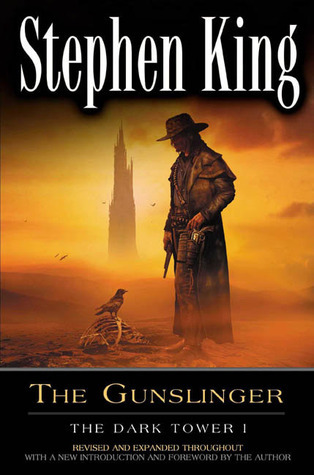
"The Gunslinger" introduces Roland Deschain, the last of an ancient order of knights, as he relentlessly pursues the mysterious Man in Black across a desolate, anachronistic landscape. His quest, driven by an almost mythical vision of the "Dark Tower," propels him through a world teetering on the brink of collapse, encountering strange inhabitants and brutal challenges. It's a journey of singular focus, burdened by duty and a past fraught with loss.
Both novels center on protagonists engaged in grueling, solitary journeys of endurance, driven by an ultimate, often enigmatic goal. In "The Long Walk," the contestants face an arbitrary, fatal march; in "The Gunslinger," Roland endures a similarly unforgiving trek defined by an obsessive pursuit. Both narratives explore the psychological toll of unrelenting pressure, the nature of sacrifice, and the profound isolation inherent in their respective quests.
This book offers a compelling exploration of destiny, obsession, and the enduring human spirit against insurmountable odds. Its rich, often bleak, world-building and a protagonist defined by unwavering single-mindedness provide a deeply immersive experience. It serves as an excellent entry point into a vast, intricate narrative, rewarding readers with a unique blend of Western, fantasy, and existential dread.
The Gunslinger
"The Gunslinger" introduces Roland Deschain, the last of an ancient order of knights, as he relentlessly pursues the mysterious Man in Black across a desolate, anachronistic landscape. His quest, driven by an almost mythical vision of the "Dark Tower," propels him through a world teetering on the brink of collapse, encountering strange inhabitants and brutal challenges. It's a journey of singular focus, burdened by duty and a past fraught with loss.
Both novels center on protagonists engaged in grueling, solitary journeys of endurance, driven by an ultimate, often enigmatic goal. In "The Long Walk," the contestants face an arbitrary, fatal march; in "The Gunslinger," Roland endures a similarly unforgiving trek defined by an obsessive pursuit. Both narratives explore the psychological toll of unrelenting pressure, the nature of sacrifice, and the profound isolation inherent in their respective quests.
This book offers a compelling exploration of destiny, obsession, and the enduring human spirit against insurmountable odds. Its rich, often bleak, world-building and a protagonist defined by unwavering single-mindedness provide a deeply immersive experience. It serves as an excellent entry point into a vast, intricate narrative, rewarding readers with a unique blend of Western, fantasy, and existential dread.
More Books to Explore
Discover more titles that expand on these ideas and themes.
The Running Man
Roadwork
Thinner
The Regulators
Rage
The Bachman Books