
The Long Walk
Book Description
One hundred boys. One grueling challenge. Only the strongest will survive. In a dystopian world where endurance trumps all, a harrowing competition unfolds—The Long Walk. Participants march relentlessly, the brutal pace dictated by an unforgiving military force. Desperation and camaraderie collide as friendships form and break, revealing the true nature of humanity under pressure. Each step echoes the stakes: freedom or death. As exhaustion mounts and hope wanes, who will outlast the others? With tension rising and the finish line beckoning, what sacrifices will they make to claim victory? The answer awaits in the shadows of the walk... are you ready?
Quick Book Summary
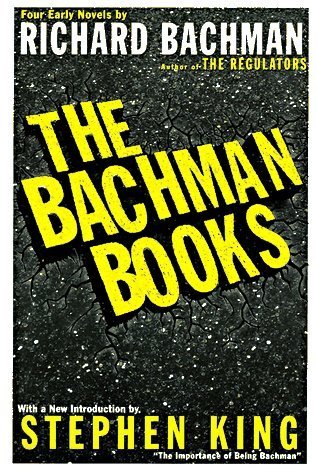
"The Long Walk" by Richard Bachman is a chilling dystopian thriller set in an alternate America where each year, one hundred teenage boys are chosen to participate in the Long Walk—a deadly contest organized by the totalitarian regime. The rules are simple yet brutal: maintain a steady pace, never fall below four miles per hour, and don’t stop—ever. Offenders receive warnings, and three warnings result in fatal consequences. The story follows Ray Garraty, who, along with the other boys, grapples with exhaustion, pain, and psychological torment as the walk progresses. Alliances are formed, friendships develop, and rivalries intensify, but with only one survivor allowed, every relationship is tinged with desperation. Ultimately, the novel explores the limits of human endurance, the morality of survival, and the harrowing cost of hope in an unforgiving world.




Summary of Key Ideas
Table of Contents
Endurance and the Human Spirit
The story is set in a militarized, dystopian version of America, where the Long Walk is considered both a sporting event and a national spectacle. The government oversees the contest with strict, deadly rules: participants must walk without stopping and always stay above four miles per hour. The haunting presence of military enforcers, known as "the Major" and his armed guards, underscores the omnipresent, oppressive power of the regime. This framework establishes both the immediate danger faced by the boys and the larger critique of authoritarian control embedded in the narrative.
Authority and Rebellion
Main character Ray Garraty becomes the reader’s guide through the psychological and physical nightmare of the Long Walk. As exhaustion and pain become overwhelming, Ray and the others must confront their fears, doubts, and memories. Their individual stories are revealed in conversations along the road, with each walker representing a unique response to unimaginable stress—ranging from stoic acceptance to desperate aggression. The walk thus becomes an exploration of human vulnerability and the different ways people confront mortality.
Psychological Strain Under Duress
Despite the lethal competition, relationships form in the crucible of the road. Alliances, genuine friendships, and even fleeting romances emerge as the boys try to survive together, however briefly. Yet, the rules of the Walk ensure that camaraderie is temporary; trust is constantly undercut by the knowledge that all but one will die. Powerful moments of empathy are juxtaposed with betrayals and breakdowns, illuminating the complex dynamics of rivalry, support, and self-preservation under dire circumstances.
The Nature of Friendship and Rivalry
The march’s grind pushes the boys to their mental and emotional limits. The constant threat of death—visible in the fate of those who falter—inflicts intense psychological pressure. Paranoia, hallucinations, and existential terror set in as the walkers confront their past traumas and contemplate their likely deaths. Bachman skillfully portrays the unraveling of minds, showing how hope flickers amid despair and how some cling to memories or fantasies as a shield against the horror.
Death, Survival, and the Meaning of Hope
As the group thins, the nature of hope and the meaning of survival stand at the story’s core. The Long Walk becomes an existential ordeal, with each step testing not just the body but the spirit. The ending for Ray and the last contestants is ambiguous and haunting—raising questions about what victory truly means when survival comes at the greatest cost. The novel leaves readers pondering the limits of the human will and the price we pay for hope in the darkest circumstances.
Download This Summary
Get a free PDF of this summary instantly — no email required.