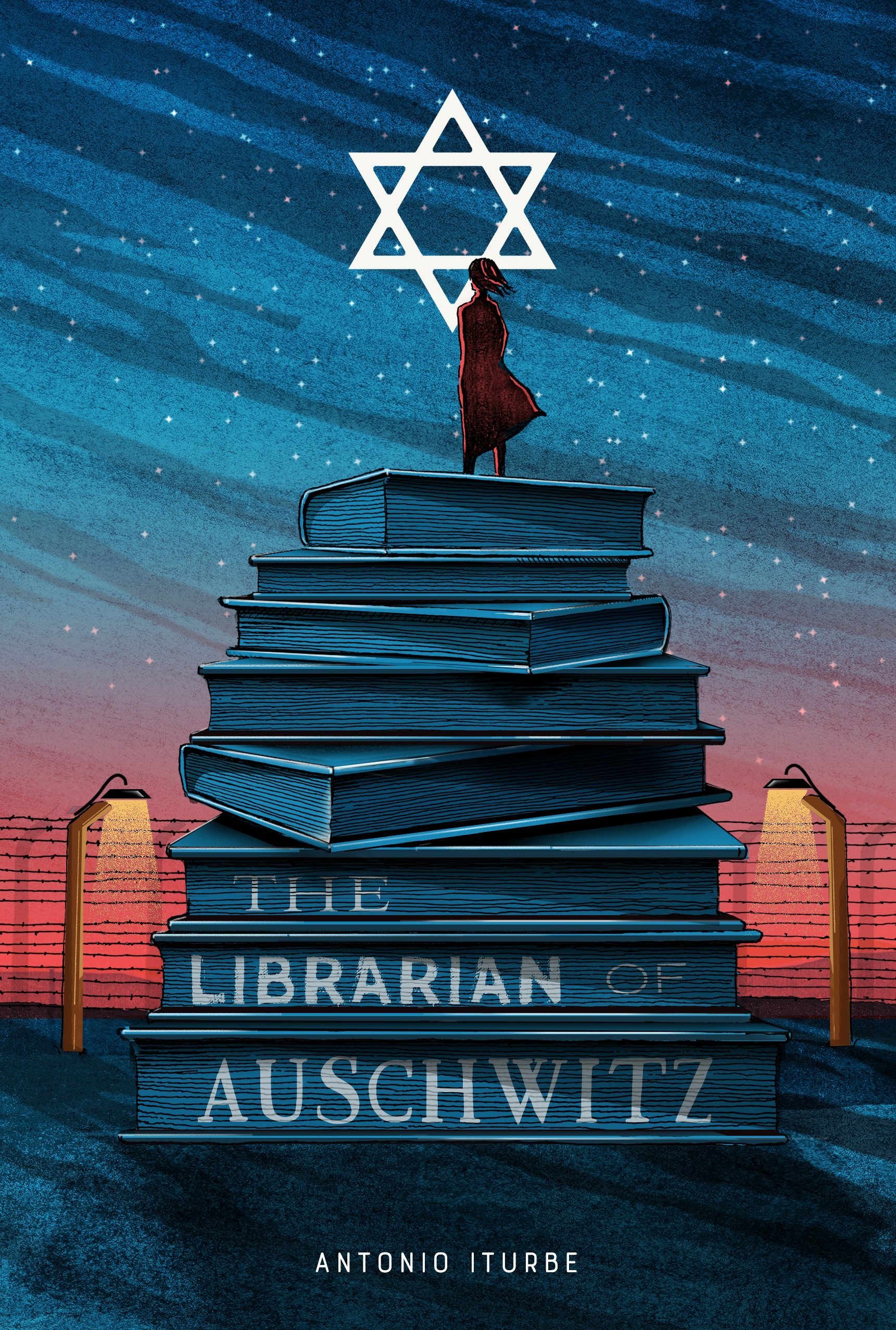
10 Books Similar to "The Librarian of Auschwitz"
by Antonio Iturbe
The Auschwitz Escape
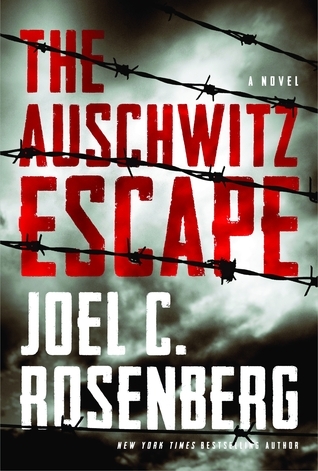
"The Auschwitz Escape" by Joel C. Rosenberg is a gripping historical thriller chronicling the desperate true story of Alfred Wetzler and Rudolf Vrba, two Slovakian Jews who, in 1944, successfully escaped from Auschwitz. Their daring mission was to expose the atrocities committed there to the world, providing irrefutable evidence of the Holocaust to the Allies. The narrative meticulously details their perilous journey, the internal politics of the camp, and the international reception—or lack thereof—of their vital report, urging action to stop the systematic extermination of Jews.
This novel shares a thematic and contextual kinship with "The Librarian of Auschwitz" through its profound exploration of human endurance and resistance within the brutal confines of Auschwitz. Both books illuminate acts of immense courage and defiance in the face of unimaginable evil, albeit through different lenses. Whereas "Librarian" focuses on intellectual and cultural preservation, "Escape" highlights the audacity of direct action and intelligence gathering as a form of resistance. Both narratives are deeply rooted in factual accounts, bringing historical figures and their monumental struggles to life.
This account offers a compelling narrative of survival, bravery, and the critical importance of bearing witness. It shines a light on a little-known yet pivotal real-life event that attempted to alter the course of World War II. For those who appreciate meticulously researched historical fiction that is both suspenseful and profoundly moving, it presents a powerful testament to the human spirit's capacity for hope and action even in the darkest of times, and a sobering reflection on how information, once revealed, is sometimes tragically ignored.
The Auschwitz Escape
"The Auschwitz Escape" by Joel C. Rosenberg is a gripping historical thriller chronicling the desperate true story of Alfred Wetzler and Rudolf Vrba, two Slovakian Jews who, in 1944, successfully escaped from Auschwitz. Their daring mission was to expose the atrocities committed there to the world, providing irrefutable evidence of the Holocaust to the Allies. The narrative meticulously details their perilous journey, the internal politics of the camp, and the international reception—or lack thereof—of their vital report, urging action to stop the systematic extermination of Jews.
This novel shares a thematic and contextual kinship with "The Librarian of Auschwitz" through its profound exploration of human endurance and resistance within the brutal confines of Auschwitz. Both books illuminate acts of immense courage and defiance in the face of unimaginable evil, albeit through different lenses. Whereas "Librarian" focuses on intellectual and cultural preservation, "Escape" highlights the audacity of direct action and intelligence gathering as a form of resistance. Both narratives are deeply rooted in factual accounts, bringing historical figures and their monumental struggles to life.
This account offers a compelling narrative of survival, bravery, and the critical importance of bearing witness. It shines a light on a little-known yet pivotal real-life event that attempted to alter the course of World War II. For those who appreciate meticulously researched historical fiction that is both suspenseful and profoundly moving, it presents a powerful testament to the human spirit's capacity for hope and action even in the darkest of times, and a sobering reflection on how information, once revealed, is sometimes tragically ignored.
The Tattooist of Auschwitz

"The Tattooist of Auschwitz" recounts the harrowing true story of Lale Sokolov, a Slovakian Jew imprisoned in Auschwitz-Birkenau during World War II. Against immense odds, Lale is forced to tattoo identification numbers onto his fellow prisoners. Within this brutal landscape, he finds love and hope with Gita, a young woman he meets in the camp, and dedicates himself to helping her and others survive. The narrative offers a deeply personal perspective on the dehumanizing realities of the Holocaust, tempered by acts of courage and humanity.
Like "The Librarian of Auschwitz," this book delves into the extraordinary resilience of individuals in the face of unimaginable atrocity within the Auschwitz concentration camp. Both novels highlight figures who, despite their terrifying circumstances, strive to preserve knowledge, humanity, and a semblance of hope for others. They share a focus on the personal stories of survival and the subtle acts of rebellion or kindness that offered glimmers of light in the darkest of places, making them both powerful testimonies to the human spirit.
This compelling narrative of survival, love, and resistance amidst the Holocaust resonates deeply. It provides a vital, accessible entry point into understanding the personal toll and enduring impact of unfathomable historical events. The story's blend of historical fact with human drama offers a potent reminder of both the depths of human cruelty and the enduring power of compassion and hope, ensuring its place as a significant contribution to Holocaust literature and a powerful reading experience.
The Tattooist of Auschwitz
"The Tattooist of Auschwitz" recounts the harrowing true story of Lale Sokolov, a Slovakian Jew imprisoned in Auschwitz-Birkenau during World War II. Against immense odds, Lale is forced to tattoo identification numbers onto his fellow prisoners. Within this brutal landscape, he finds love and hope with Gita, a young woman he meets in the camp, and dedicates himself to helping her and others survive. The narrative offers a deeply personal perspective on the dehumanizing realities of the Holocaust, tempered by acts of courage and humanity.
Like "The Librarian of Auschwitz," this book delves into the extraordinary resilience of individuals in the face of unimaginable atrocity within the Auschwitz concentration camp. Both novels highlight figures who, despite their terrifying circumstances, strive to preserve knowledge, humanity, and a semblance of hope for others. They share a focus on the personal stories of survival and the subtle acts of rebellion or kindness that offered glimmers of light in the darkest of places, making them both powerful testimonies to the human spirit.
This compelling narrative of survival, love, and resistance amidst the Holocaust resonates deeply. It provides a vital, accessible entry point into understanding the personal toll and enduring impact of unfathomable historical events. The story's blend of historical fact with human drama offers a potent reminder of both the depths of human cruelty and the enduring power of compassion and hope, ensuring its place as a significant contribution to Holocaust literature and a powerful reading experience.
Daniel's Story
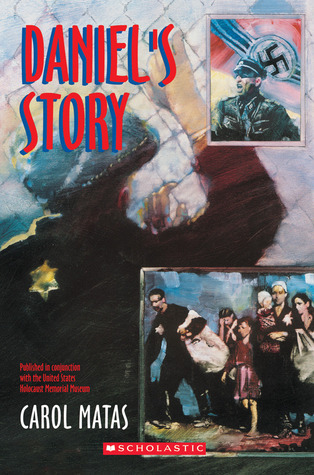
"Daniel's Story" chronicles the harrowing experiences of a young German Jewish boy, Daniel, as he navigates the escalating persecution and eventual horrors of the Holocaust. Told from his first-person perspective, the novel vividly portrays his family's decline from a comfortable life in Frankfurt to the ghettos and concentration camps, culminating in Auschwitz. Through photographs Daniel carries, the narrative deeply personalizes the immense human cost of the atrocities.
The book shares a profound thematic kinship with "The Librarian of Auschwitz" through its focus on the resilience of the human spirit amidst unimaginable suffering within concentration camps, particularly Auschwitz. Both novels center on child protagonists who, despite their dire circumstances, find ways to preserve aspects of their humanity and, crucially, intellectual and cultural identity against a regime designed to strip them of everything. The stories illuminate the power of knowledge, memory, and community as forms of resistance.
This novel will resonate deeply by offering a potent, accessible window into the Holocaust through a child's eyes. It provides a vital perspective on history, fostering empathy and understanding of individual experiences during a dark period. Its narrative power lies in its ability to humanize statistics and deliver a powerful message about the dangers of prejudice and the enduring strength of hope, making it a crucial read for both historical insight and moral reflection.
Daniel's Story
"Daniel's Story" chronicles the harrowing experiences of a young German Jewish boy, Daniel, as he navigates the escalating persecution and eventual horrors of the Holocaust. Told from his first-person perspective, the novel vividly portrays his family's decline from a comfortable life in Frankfurt to the ghettos and concentration camps, culminating in Auschwitz. Through photographs Daniel carries, the narrative deeply personalizes the immense human cost of the atrocities.
The book shares a profound thematic kinship with "The Librarian of Auschwitz" through its focus on the resilience of the human spirit amidst unimaginable suffering within concentration camps, particularly Auschwitz. Both novels center on child protagonists who, despite their dire circumstances, find ways to preserve aspects of their humanity and, crucially, intellectual and cultural identity against a regime designed to strip them of everything. The stories illuminate the power of knowledge, memory, and community as forms of resistance.
This novel will resonate deeply by offering a potent, accessible window into the Holocaust through a child's eyes. It provides a vital perspective on history, fostering empathy and understanding of individual experiences during a dark period. Its narrative power lies in its ability to humanize statistics and deliver a powerful message about the dangers of prejudice and the enduring strength of hope, making it a crucial read for both historical insight and moral reflection.
The Book Thief
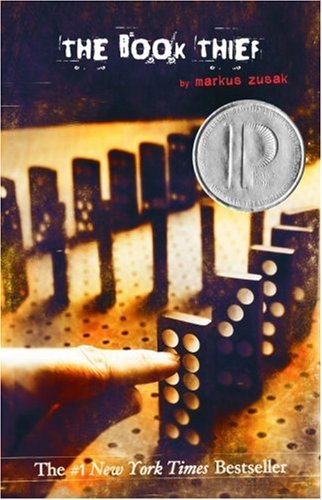
*The Book Thief* narrates the story of Liesel Meminger, a young girl living in Nazi Germany who discovers solace and resistance through stealing books. Against the backdrop of war and persecution, she shares these stolen narratives with her foster family and enduring friendships, illuminating the power of words to sustain hope and humanity amidst unthinkable cruelty.
This novel shares thematic and narrative parallels with *The Librarian of Auschwitz* through its focus on young protagonists finding sanctuary and resilience in literature during the Holocaust. Both stories powerfully illustrate how books and storytelling become vital acts of defiance, education, and emotional survival in the face of dehumanization and genocide.
The enduring appeal and value of *The Book Thief* lies in its poignant exploration of human spirit, resilience, and the redemptive power of stories even in the darkest of times. It offers a deeply moving perspective on a horrific historical period, reminding us of the profound impact of empathy, courage, and the written word.
The Book Thief
*The Book Thief* narrates the story of Liesel Meminger, a young girl living in Nazi Germany who discovers solace and resistance through stealing books. Against the backdrop of war and persecution, she shares these stolen narratives with her foster family and enduring friendships, illuminating the power of words to sustain hope and humanity amidst unthinkable cruelty.
This novel shares thematic and narrative parallels with *The Librarian of Auschwitz* through its focus on young protagonists finding sanctuary and resilience in literature during the Holocaust. Both stories powerfully illustrate how books and storytelling become vital acts of defiance, education, and emotional survival in the face of dehumanization and genocide.
The enduring appeal and value of *The Book Thief* lies in its poignant exploration of human spirit, resilience, and the redemptive power of stories even in the darkest of times. It offers a deeply moving perspective on a horrific historical period, reminding us of the profound impact of empathy, courage, and the written word.
Mischling
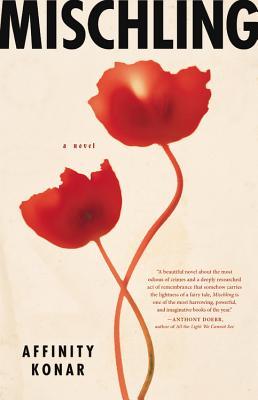
*Mischling* by Affinity Konar explores the harrowing experiences of twelve-year-old twin sisters, Stasha and Rysia, at the Josef Mengele-run medical experiments ward in Auschwitz. Separated upon arrival, they navigate a brutal landscape of pseudo-science, trauma, and the desperate search for each other amidst unimaginable cruelty, attempting to retain their humanity and hope in the face of systematic dehumanization.
This novel shares a profound thematic resonance with *The Librarian of Auschwitz*. Both books center on the unimaginable resilience of children within the concentration camps, specifically Auschwitz, and their valiant efforts to create or maintain fragments of culture, learning, and human connection in a place designed to extinguish them. Both narratives offer a deeply personal lens into the horrors, highlighting individual stories of survival and resistance, even in the most dire circumstances.
This book offers a powerful and affecting journey into a dark chapter of history through the eyes of its most vulnerable victims. Its exploration of sibling bonds, the persistence of memory, and the enduring human spirit in the face of atrocity provides a compelling and vital perspective. The vivid prose and emotionally charged narrative ensure a memorable and impactful reading experience, leaving a lasting impression and fostering a deeper understanding of the Holocaust's human cost.
Mischling
*Mischling* by Affinity Konar explores the harrowing experiences of twelve-year-old twin sisters, Stasha and Rysia, at the Josef Mengele-run medical experiments ward in Auschwitz. Separated upon arrival, they navigate a brutal landscape of pseudo-science, trauma, and the desperate search for each other amidst unimaginable cruelty, attempting to retain their humanity and hope in the face of systematic dehumanization.
This novel shares a profound thematic resonance with *The Librarian of Auschwitz*. Both books center on the unimaginable resilience of children within the concentration camps, specifically Auschwitz, and their valiant efforts to create or maintain fragments of culture, learning, and human connection in a place designed to extinguish them. Both narratives offer a deeply personal lens into the horrors, highlighting individual stories of survival and resistance, even in the most dire circumstances.
This book offers a powerful and affecting journey into a dark chapter of history through the eyes of its most vulnerable victims. Its exploration of sibling bonds, the persistence of memory, and the enduring human spirit in the face of atrocity provides a compelling and vital perspective. The vivid prose and emotionally charged narrative ensure a memorable and impactful reading experience, leaving a lasting impression and fostering a deeper understanding of the Holocaust's human cost.
Mapping the Bones

"Mapping the Bones" reimagines the Hansel and Gretel fairytale within the brutal landscape of the Holocaust. Twins Chaim and Gittel navigate the unspeakable horrors of a concentration camp, relying on their shared bond and innate resourcefulness to survive. Yolen masterfully weaves moments of fantastical escape and profound despair, exploring the psychological toll of unimaginable suffering and the enduring power of familial love.
Both novels delve into the resilient spirit of children facing the Holocaust, using a focused lens to explore their unique struggles within concentration camps. While "The Librarian of Auschwitz" centers on intellectual and cultural preservation, "Mapping the Bones" emphasizes individual and familial connections as a means of survival. Both narratives highlight the importance of human connection and resourcefulness in the face of absolute dehumanization.
This book offers a powerful and moving exploration of human resilience, particularly through the eyes of children caught in historical atrocities. Its blend of fable and stark reality creates a unique narrative experience that compels reflection on themes of hope, despair, and the enduring strength of the human spirit. It serves as a reminder of the historical past while offering a deeply personal and psychologically rich story.
Mapping the Bones
"Mapping the Bones" reimagines the Hansel and Gretel fairytale within the brutal landscape of the Holocaust. Twins Chaim and Gittel navigate the unspeakable horrors of a concentration camp, relying on their shared bond and innate resourcefulness to survive. Yolen masterfully weaves moments of fantastical escape and profound despair, exploring the psychological toll of unimaginable suffering and the enduring power of familial love.
Both novels delve into the resilient spirit of children facing the Holocaust, using a focused lens to explore their unique struggles within concentration camps. While "The Librarian of Auschwitz" centers on intellectual and cultural preservation, "Mapping the Bones" emphasizes individual and familial connections as a means of survival. Both narratives highlight the importance of human connection and resourcefulness in the face of absolute dehumanization.
This book offers a powerful and moving exploration of human resilience, particularly through the eyes of children caught in historical atrocities. Its blend of fable and stark reality creates a unique narrative experience that compels reflection on themes of hope, despair, and the enduring strength of the human spirit. It serves as a reminder of the historical past while offering a deeply personal and psychologically rich story.
A Flicker of Light

"A Flicker of Light" delves into the harrowing experiences of a young Jewish woman, Sarah, forced into the horrors of Auschwitz during World War II. It explores her struggle for survival, her attempts to maintain her humanity amidst unimaginable brutality, and the unexpected connections she forms with fellow prisoners. The narrative focuses on her internal resilience and the small acts of defiance and kindness that offer glimmers of hope in the darkest of places.
This novel shares a profound thematic resonance with "The Librarian of Auschwitz" through its focus on the human spirit's endurance within the concentration camps. Both books highlight individuals who, against overwhelming odds, strive to preserve culture, education, and compassion. They explore how people maintain their identity and find meaning when stripped of everything, often through subtle, yet powerful, acts of resistance and intellectual curiosity within a death camp setting.
The book will appeal to those who appreciate historical fiction that confronts difficult truths with emotional depth and integrity. It offers a powerful testament to the resilience of the human mind and heart, even in the face of extreme adversity. Engaging with such narratives provides valuable insights into human history, fostering empathy and understanding for those who endured the Holocaust, and serving as a poignant reminder of the enduring power of hope and the importance of remembering these past atrocities.
A Flicker of Light
"A Flicker of Light" delves into the harrowing experiences of a young Jewish woman, Sarah, forced into the horrors of Auschwitz during World War II. It explores her struggle for survival, her attempts to maintain her humanity amidst unimaginable brutality, and the unexpected connections she forms with fellow prisoners. The narrative focuses on her internal resilience and the small acts of defiance and kindness that offer glimmers of hope in the darkest of places.
This novel shares a profound thematic resonance with "The Librarian of Auschwitz" through its focus on the human spirit's endurance within the concentration camps. Both books highlight individuals who, against overwhelming odds, strive to preserve culture, education, and compassion. They explore how people maintain their identity and find meaning when stripped of everything, often through subtle, yet powerful, acts of resistance and intellectual curiosity within a death camp setting.
The book will appeal to those who appreciate historical fiction that confronts difficult truths with emotional depth and integrity. It offers a powerful testament to the resilience of the human mind and heart, even in the face of extreme adversity. Engaging with such narratives provides valuable insights into human history, fostering empathy and understanding for those who endured the Holocaust, and serving as a poignant reminder of the enduring power of hope and the importance of remembering these past atrocities.
The Book of Lost Names
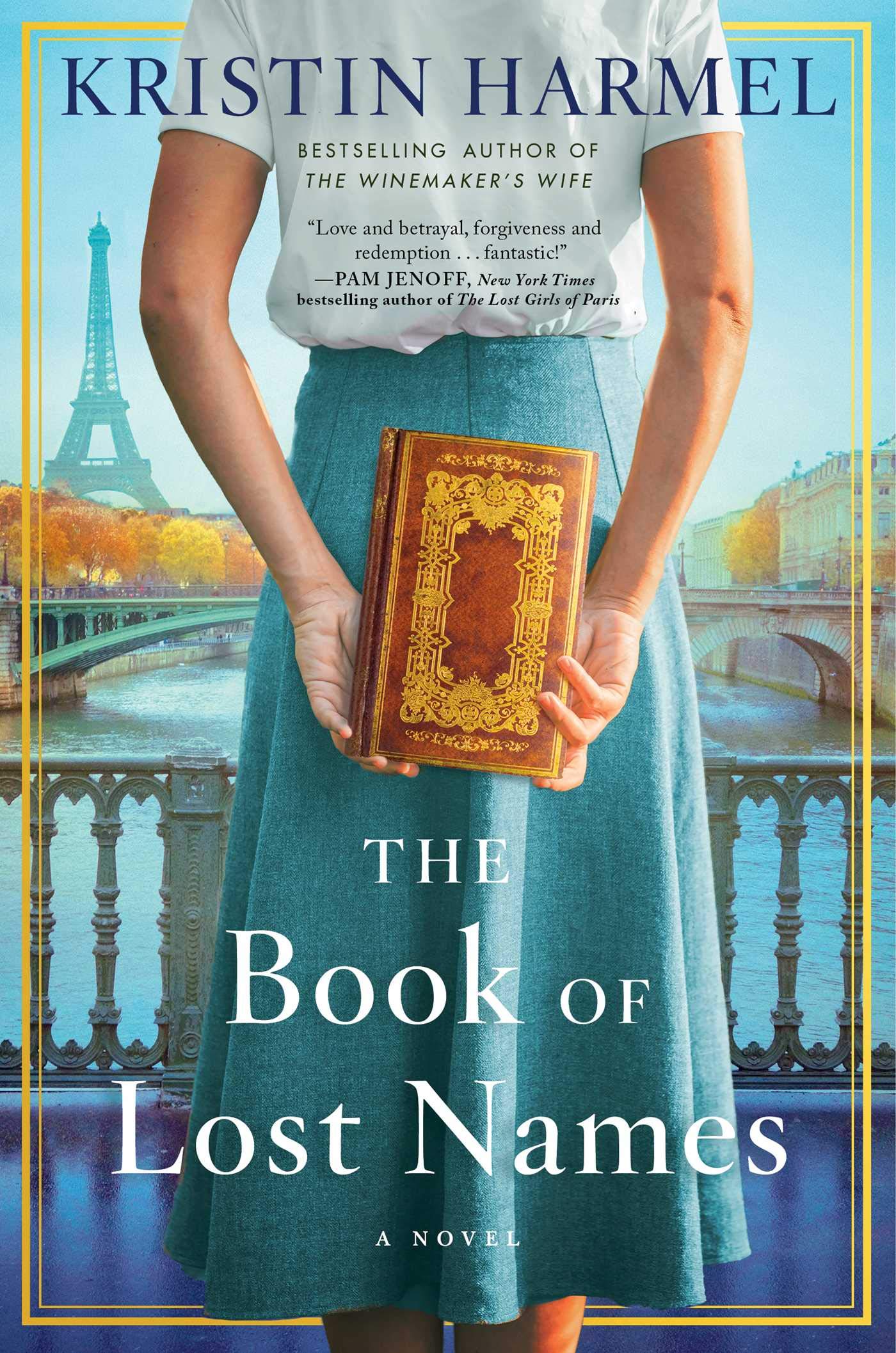
"The Book of Lost Names" tells the emotionally resonant story of Eva Abrams, a young Jewish art student in Nazi-occupied France. Forced to flee Paris, she joins the French Resistance and, alongside a charismatic forger, dedicates herself to meticulously altering birth certificates to save Jewish children. Decades later, a discovery sparks Eva's quest to recover a hidden codebook containing the true names of those children, a legacy of immense personal and historical weight.
This novel shares a profound kinship with "The Librarian of Auschwitz" through its focus on young women exhibiting extraordinary bravery and intellectual resourcefulness in the face of Nazi barbarity. Both stories highlight the vital role of preserving identity and culture, whether through safeguarding books in a concentration camp or meticulously forging documents to protect lives. The protagonists demonstrate an unwavering commitment to human dignity and memory amidst unimaginable suffering.
The book offers a compelling narrative of courage, resistance, and the enduring power of human connection, even in the darkest of times. It illuminates a lesser-known aspect of wartime heroism and the quiet, impactful work performed by individuals dedicated to preserving lives and hope. The expertly woven historical detail and compelling character arcs create an immersive experience, offering insights into human resilience and the indelible legacy of those who resisted.
The Book of Lost Names
"The Book of Lost Names" tells the emotionally resonant story of Eva Abrams, a young Jewish art student in Nazi-occupied France. Forced to flee Paris, she joins the French Resistance and, alongside a charismatic forger, dedicates herself to meticulously altering birth certificates to save Jewish children. Decades later, a discovery sparks Eva's quest to recover a hidden codebook containing the true names of those children, a legacy of immense personal and historical weight.
This novel shares a profound kinship with "The Librarian of Auschwitz" through its focus on young women exhibiting extraordinary bravery and intellectual resourcefulness in the face of Nazi barbarity. Both stories highlight the vital role of preserving identity and culture, whether through safeguarding books in a concentration camp or meticulously forging documents to protect lives. The protagonists demonstrate an unwavering commitment to human dignity and memory amidst unimaginable suffering.
The book offers a compelling narrative of courage, resistance, and the enduring power of human connection, even in the darkest of times. It illuminates a lesser-known aspect of wartime heroism and the quiet, impactful work performed by individuals dedicated to preserving lives and hope. The expertly woven historical detail and compelling character arcs create an immersive experience, offering insights into human resilience and the indelible legacy of those who resisted.
The Keeper of Hidden Books
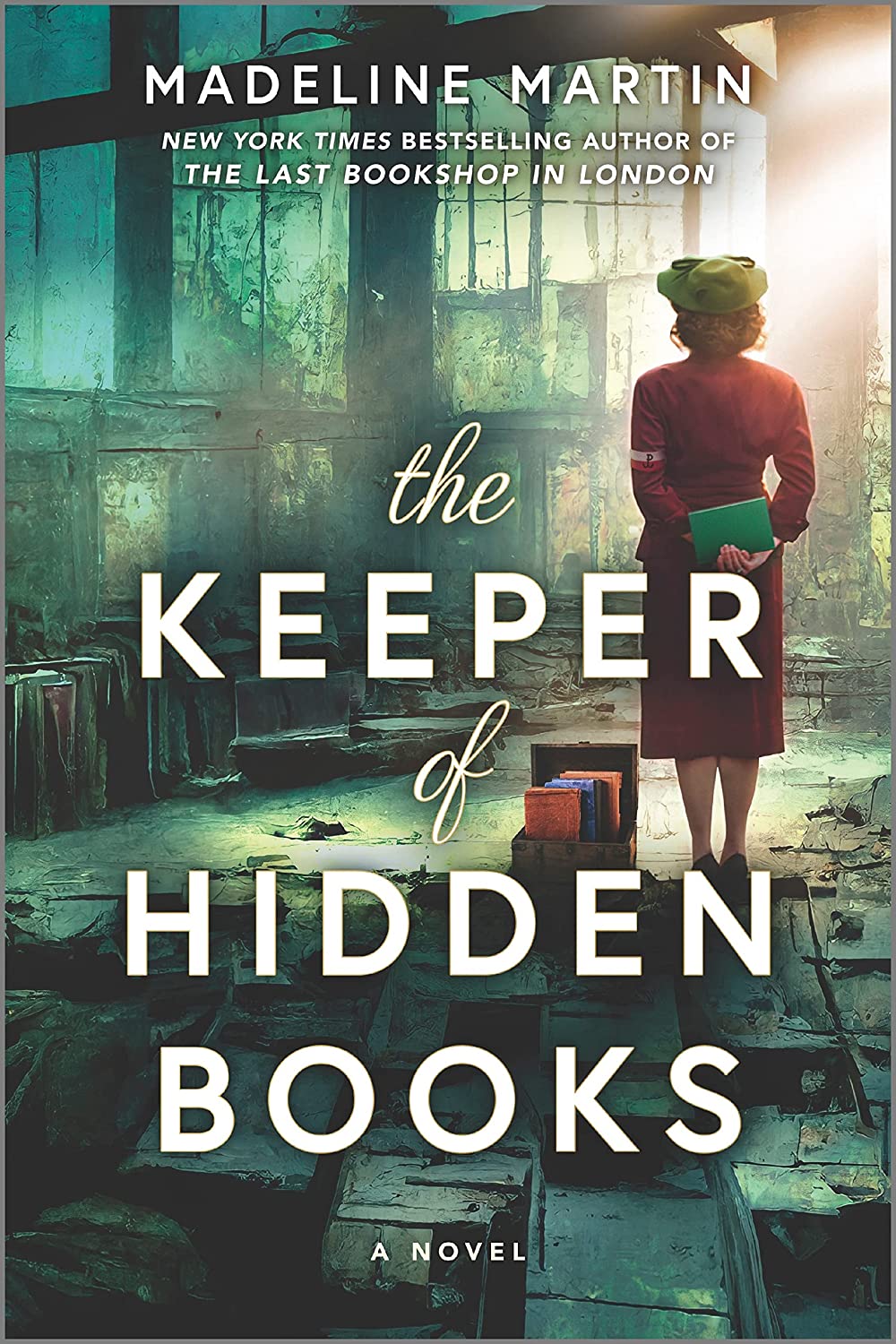
"The Keeper of Hidden Books" centers on Sofia, a young woman in Nazi-occupied Prague who works as a restorer at the Jewish Museum. Unbeknownst to the Nazis who intend to create a "museum of an extinct race," Sofia and her colleagues are secretly preserving thousands of confiscated Jewish books and artifacts, risking their lives daily to keep their culture and heritage alive in the face of brutal oppression. It is a story of quiet defiance and the profound power of literature.
This novel shares a remarkable thematic kinship with "The Librarian of Auschwitz" through their common exploration of resistance through books during the Holocaust. Both narratives highlight the incredible courage of individuals who, despite unimaginable danger, safeguard cultural knowledge and stories as acts of defiance and hope. The clandestine preservation of literature becomes a symbol of humanity's enduring spirit against totalitarian forces.
The book offers a compelling narrative of survival and the human spirit's resilience amidst atrocity. It provides a powerful reminder of the importance of history, memory, and the enduring value of books as repositories of identity and truth. The story serves as a testament to the quiet heroes whose actions, though seemingly small, held immeasurable significance in the darkest of times, enlightening and moving all who engage with it.
The Keeper of Hidden Books
"The Keeper of Hidden Books" centers on Sofia, a young woman in Nazi-occupied Prague who works as a restorer at the Jewish Museum. Unbeknownst to the Nazis who intend to create a "museum of an extinct race," Sofia and her colleagues are secretly preserving thousands of confiscated Jewish books and artifacts, risking their lives daily to keep their culture and heritage alive in the face of brutal oppression. It is a story of quiet defiance and the profound power of literature.
This novel shares a remarkable thematic kinship with "The Librarian of Auschwitz" through their common exploration of resistance through books during the Holocaust. Both narratives highlight the incredible courage of individuals who, despite unimaginable danger, safeguard cultural knowledge and stories as acts of defiance and hope. The clandestine preservation of literature becomes a symbol of humanity's enduring spirit against totalitarian forces.
The book offers a compelling narrative of survival and the human spirit's resilience amidst atrocity. It provides a powerful reminder of the importance of history, memory, and the enduring value of books as repositories of identity and truth. The story serves as a testament to the quiet heroes whose actions, though seemingly small, held immeasurable significance in the darkest of times, enlightening and moving all who engage with it.
More Books to Explore
Discover more titles that expand on these ideas and themes.
The Auschwitz Escape
The Tattooist of Auschwitz

The Violin of Auschwitz
Daniel's Story
The Book Thief
Mischling