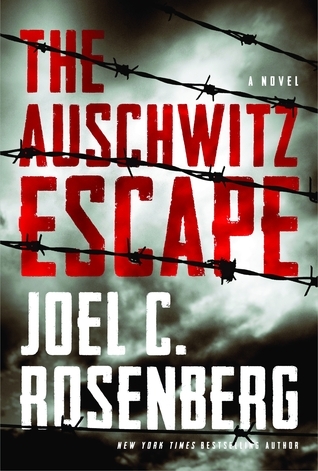
The Auschwitz Escape
Book Description
Amid the horrors of World War II, one man's desperate quest for freedom ignites a tale of courage, betrayal, and hope. As darkness looms over Auschwitz, a daring plan to escape motivates the prisoners to unite against insurmountable odds. Betrayal lurks in every shadow, alliances are tested, and the will to survive drives them forward. Survival hinges on a delicate balance between trust and treachery in a world where friends become foes. Can they find a way out before time runs out? Will hope shine through the darkness, or will fear hold them captive forever?
Quick Book Summary
"The Auschwitz Escape" by Joel C. Rosenberg is a harrowing historical novel set during World War II, focusing on the unimaginable suffering and unyielding hope within the infamous Auschwitz concentration camp. The story centers on Jacob Weisz, a young Jewish man fighting for the resistance, whose capture leads him into the heart of the camp’s brutality. Inside Auschwitz, Jacob encounters Christian Pastor Jean-Luc Leclerc, and together, they devise a perilous escape to alert the world about Nazi atrocities. Through numerous trials, betrayals, and acts of courage, they inspire fellow prisoners to unite and defy their captors. Their desperate mission is not just a fight for freedom, but also for truth, faith, and the power of hope in the face of overwhelming darkness.






Summary of Key Ideas
Table of Contents
The Strength of Faith Amid Despair
Young Jacob Weisz, a committed member of the Jewish resistance, is drawn into World War II’s horrors when a failed mission results in his deportation to Auschwitz. The camp’s nightmarish conditions, marked by brutality, deprivation, and relentless suffering, challenge his endurance. Amidst the despair, Jacob’s single-minded determination to escape fuels his resolve, not only for personal survival but to tell the world about the unspeakable crimes occurring within Auschwitz’s walls.
Courage and Sacrifice in Oppression
In the camp, Jacob meets Jean-Luc Leclerc, a Protestant pastor captured for aiding Jews. Their unlikely alliance bridges faith backgrounds and personal differences, united by a desperate hope and deep moral conviction. Together, they hatch a daring escape plan despite betrayal and the omnipresent threat of death. Trust becomes both a precious commodity and dangerous risk, as prisoners grapple with fear, suspicion, and the double-edged sword of collaboration and resistance.
Betrayal and Trust in Extreme Circumstances
As the plan takes shape, Rosenberg depicts moments of extraordinary courage: secret gatherings of faith, small acts of kindness, and shared suffering. These quiet rebellions fortify the prisoners and nourish their hope. Courage is shown not just in plotting the escape, but in self-sacrifice and risking everything to help others. The alliances formed become beacons of solidarity amid darkness, proving the human spirit’s resilience.
The Power of Hope and Solidarity
The actual escape unfolds with edge-of-your-seat tension. Jacob and Jean-Luc navigate betrayal and near-disaster, placing their trust in the right people at the right moment. Some supporting characters falter under pressure, exposing the complex realities of survival and the moral ambiguity present in impossible circumstances. The challenges they face highlight the unpredictability and danger inherent to such a desperate act.
Bearing Witness to Atrocity
Ultimately, the escape is about more than flight—it’s about bringing the truth of Auschwitz to the outside world. Jacob and Jean-Luc’s quest is to bear witness so the world cannot deny or ignore Nazi barbarity. Their journey reflects the enduring power of hope, faith, and human solidarity, illustrating the importance of telling the story for those who could not escape themselves.
Download This Summary
Get a free PDF of this summary instantly — no email required.