10 Books Similar to "The Journal of Albion Moonlight"
by Kenneth Patchen
The Unlimited Dream Company

"The Unlimited Dream Company" follows Blake, a man who, after crashing a small plane into the Thames, discovers he can manifest reality through his imagination. As his powers grow, he transforms the seemingly mundane town of Shepperton into a surreal dreamscape, populated by mythical creatures and strange events, blurring the lines between life, death, and consciousness.
This novel shares a profound kinship with "The Journal of Albion Moonlight" in its exploration of a protagonist whose internal world profoundly reshapes his external reality. Both books immerse the reader in a subjective, often hallucinatory, journey where the boundaries of conventional narrative and physical laws dissolve under the influence of an individual's intense psyche and extraordinary experiences. The pervasive sense of displacement from ordinary life into a realm of potent, symbolic transformation is a key parallel.
Its appeal lies in its audacious vision and the invitation to question the nature of reality and perception. The imaginative scope and philosophical undertones, coupled with Ballard's distinctive prose, offer an intellectually stimulating and viscerally compelling experience. It's valuable for anyone interested in speculative fiction that transcends mere escapism, offering a deep dive into the creative and destructive potential of the human mind.
The Unlimited Dream Company
"The Unlimited Dream Company" follows Blake, a man who, after crashing a small plane into the Thames, discovers he can manifest reality through his imagination. As his powers grow, he transforms the seemingly mundane town of Shepperton into a surreal dreamscape, populated by mythical creatures and strange events, blurring the lines between life, death, and consciousness.
This novel shares a profound kinship with "The Journal of Albion Moonlight" in its exploration of a protagonist whose internal world profoundly reshapes his external reality. Both books immerse the reader in a subjective, often hallucinatory, journey where the boundaries of conventional narrative and physical laws dissolve under the influence of an individual's intense psyche and extraordinary experiences. The pervasive sense of displacement from ordinary life into a realm of potent, symbolic transformation is a key parallel.
Its appeal lies in its audacious vision and the invitation to question the nature of reality and perception. The imaginative scope and philosophical undertones, coupled with Ballard's distinctive prose, offer an intellectually stimulating and viscerally compelling experience. It's valuable for anyone interested in speculative fiction that transcends mere escapism, offering a deep dive into the creative and destructive potential of the human mind.
Amnesia Moon

*Amnesia Moon* introduces a drifter named Chauncey in a collapsed world where reality functions intermittently. He awakens in an unfamiliar town devoid of memory, only to discover that the collective consciousness of its inhabitants dictates their very existence, and some are beginning to forget fundamental aspects of their world. Chauncey embarks on a surreal journey through increasingly fragmented landscapes, seeking answers and a way to re-establish a stable reality.
The kinship between *Amnesia Moon* and *The Journal of Albion Moonlight* lies in their shared embrace of a fragmented, often nightmarish, and allegorical narrative structure. Both works challenge conventional storytelling by presenting protagonists adrift in a decaying societal landscape, where logic is often superseded by dream logic or collective delusion. They employ a picaresque journey through a series of surreal encounters to explore themes of identity, memory, and the disintegration of order.
This book offers a captivating experience for those drawn to speculative fiction that delves into philosophical questions surrounding perception and reality. It provides a thought-provoking exploration of how societal consensus shapes our world, even as it crumbles. The imaginative scope and intellectual depth of the narrative make it a valuable read for individuals seeking challenging and unconventional literary experiences.
Amnesia Moon
*Amnesia Moon* introduces a drifter named Chauncey in a collapsed world where reality functions intermittently. He awakens in an unfamiliar town devoid of memory, only to discover that the collective consciousness of its inhabitants dictates their very existence, and some are beginning to forget fundamental aspects of their world. Chauncey embarks on a surreal journey through increasingly fragmented landscapes, seeking answers and a way to re-establish a stable reality.
The kinship between *Amnesia Moon* and *The Journal of Albion Moonlight* lies in their shared embrace of a fragmented, often nightmarish, and allegorical narrative structure. Both works challenge conventional storytelling by presenting protagonists adrift in a decaying societal landscape, where logic is often superseded by dream logic or collective delusion. They employ a picaresque journey through a series of surreal encounters to explore themes of identity, memory, and the disintegration of order.
This book offers a captivating experience for those drawn to speculative fiction that delves into philosophical questions surrounding perception and reality. It provides a thought-provoking exploration of how societal consensus shapes our world, even as it crumbles. The imaginative scope and intellectual depth of the narrative make it a valuable read for individuals seeking challenging and unconventional literary experiences.
Book of Dreams

Jack Kerouac's "Book of Dreams" is a raw, unedited chronicle of his nighttime visions, transcribed directly from his dream journals. It offers an intimate, stream-of-consciousness exploration of the subconscious mind, featuring fragmented narratives, symbolic imagery, and reflections on his daily life, relationships, and artistic struggles, often tinged with a confessional and melancholic tone.
This dream journal resonates with "The Journal of Albion Moonlight" through its shared spirit of experimental, introspective writing that blurs the lines between reality and internal experience. Both works embrace a non-linear, often surreal narrative structure, prioritizing emotional and psychological landscapes over conventional plot. They delve into the fragmented nature of perception and the subjective
Book of Dreams
Jack Kerouac's "Book of Dreams" is a raw, unedited chronicle of his nighttime visions, transcribed directly from his dream journals. It offers an intimate, stream-of-consciousness exploration of the subconscious mind, featuring fragmented narratives, symbolic imagery, and reflections on his daily life, relationships, and artistic struggles, often tinged with a confessional and melancholic tone.
This dream journal resonates with "The Journal of Albion Moonlight" through its shared spirit of experimental, introspective writing that blurs the lines between reality and internal experience. Both works embrace a non-linear, often surreal narrative structure, prioritizing emotional and psychological landscapes over conventional plot. They delve into the fragmented nature of perception and the subjective
Murphy

*Murphy* is the darkly comedic tale of a young, listless Irishman who finds solace in retreating into his own mind, away from the demands and absurdities of the external world. His attempts to achieve a detached, meditative state are constantly undermined by the persistent, if peculiar, intrusions of his lover and a cast of eccentric characters seeking to retrieve him.
Both books delve into the internal lives of protagonists who resist conventional existence, viewing the external world with a mix of disdain and bewilderment. They explore themes of mental escapism, the futility of human endeavor, and the search for meaning in a seemingly meaningless universe, often through fractured narratives and a distinctive, poetic bleakness.
This book offers a compelling exploration of consciousness and alienation, resonating deeply with those who appreciate philosophical depth interwoven with poignant humor. Its stark portrayal of a mind seeking refuge from reality provides insightful commentary on the human condition and the persistent allure of inner worlds.
Murphy
*Murphy* is the darkly comedic tale of a young, listless Irishman who finds solace in retreating into his own mind, away from the demands and absurdities of the external world. His attempts to achieve a detached, meditative state are constantly undermined by the persistent, if peculiar, intrusions of his lover and a cast of eccentric characters seeking to retrieve him.
Both books delve into the internal lives of protagonists who resist conventional existence, viewing the external world with a mix of disdain and bewilderment. They explore themes of mental escapism, the futility of human endeavor, and the search for meaning in a seemingly meaningless universe, often through fractured narratives and a distinctive, poetic bleakness.
This book offers a compelling exploration of consciousness and alienation, resonating deeply with those who appreciate philosophical depth interwoven with poignant humor. Its stark portrayal of a mind seeking refuge from reality provides insightful commentary on the human condition and the persistent allure of inner worlds.
Albert Angelo

"
Albert Angelo
"
Journey by Moonlight

"Journey by Moonlight" immerses us in the disjointed honeymoon of Mihály and Erzsi in Italy. Mihály, a seemingly successful academic, finds himself increasingly detached from his new wife and drawn into a series of enigmatic encounters with old acquaintances from a bohemian past. The novel explores themes of identity, belonging, the allure of the past, and the unsettling nature of memory as Mihály grapples with who he is and who he thought he was, ultimately leading him to abandon his conventional life in search of something undefinable.
The similarity to "The Journal of Albion Moonlight" lies in their shared exploration of existential crisis and the fracturing of identity. Both protagonists are adrift, experiencing a profound sense of alienation and a blurred line between reality and subjective experience. They embark on journeys, both physical and internal, propelled by an underlying sense of unease and a questioning of societal norms, their narratives unfolding with a dreamlike, almost hallucinatory quality that prioritizes emotional truth over strict linearity.
This book offers a compelling narrative for those who appreciate introspective European literature and explorations of the human psyche. Its elegant prose and profound philosophical questions about self-discovery and the pull of the past make it a valuable read for anyone interested in the complexities of identity and the elusive nature of happiness. It's a journey into the interior, offering a rich, thought-provoking experience.
Journey by Moonlight
"Journey by Moonlight" immerses us in the disjointed honeymoon of Mihály and Erzsi in Italy. Mihály, a seemingly successful academic, finds himself increasingly detached from his new wife and drawn into a series of enigmatic encounters with old acquaintances from a bohemian past. The novel explores themes of identity, belonging, the allure of the past, and the unsettling nature of memory as Mihály grapples with who he is and who he thought he was, ultimately leading him to abandon his conventional life in search of something undefinable.
The similarity to "The Journal of Albion Moonlight" lies in their shared exploration of existential crisis and the fracturing of identity. Both protagonists are adrift, experiencing a profound sense of alienation and a blurred line between reality and subjective experience. They embark on journeys, both physical and internal, propelled by an underlying sense of unease and a questioning of societal norms, their narratives unfolding with a dreamlike, almost hallucinatory quality that prioritizes emotional truth over strict linearity.
This book offers a compelling narrative for those who appreciate introspective European literature and explorations of the human psyche. Its elegant prose and profound philosophical questions about self-discovery and the pull of the past make it a valuable read for anyone interested in the complexities of identity and the elusive nature of happiness. It's a journey into the interior, offering a rich, thought-provoking experience.
Blue of Noon
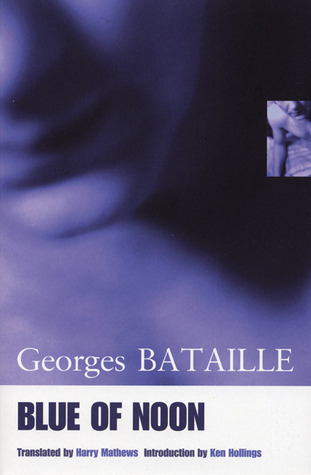
"Blue of Noon" delves into the psychological and corporeal extremities of a young Frenchman, Xas, as he navigates a landscape of personal and political turmoil in pre-WWII Europe. It's a journey into nihilism, sexuality, and the grotesque, exploring the boundaries of human experience through vivid, often disturbing, imagery and existential reflections. The narrative is fragmented, mirroring Xas's fractured psyche.
Both "Blue of Noon" and "The Journal of Albion Moonlight" share a commitment to exploring the darker, more unsettling aspects of the human condition and societal decay. They both employ a non-linear, often dreamlike narrative structure, relying heavily on symbolic rather than strictly literal descriptions. Each text presents a protagonist grappling with profound alienation and confronting the absurdity and violence inherent in the world around them, pushing against conventional notions of morality and sanity.
This book offers a unique and challenging reading experience for those drawn to experimental literature that probes discomforting truths. It provides a profound, if unsettling, examination of existential dread, societal collapse, and the search for meaning amidst chaos. Its unflinching gaze into the abyss offers a cathartic and intellectually stimulating engagement with themes that resonate deeply with contemporary anxieties and philosophical inquiry.
Blue of Noon
"Blue of Noon" delves into the psychological and corporeal extremities of a young Frenchman, Xas, as he navigates a landscape of personal and political turmoil in pre-WWII Europe. It's a journey into nihilism, sexuality, and the grotesque, exploring the boundaries of human experience through vivid, often disturbing, imagery and existential reflections. The narrative is fragmented, mirroring Xas's fractured psyche.
Both "Blue of Noon" and "The Journal of Albion Moonlight" share a commitment to exploring the darker, more unsettling aspects of the human condition and societal decay. They both employ a non-linear, often dreamlike narrative structure, relying heavily on symbolic rather than strictly literal descriptions. Each text presents a protagonist grappling with profound alienation and confronting the absurdity and violence inherent in the world around them, pushing against conventional notions of morality and sanity.
This book offers a unique and challenging reading experience for those drawn to experimental literature that probes discomforting truths. It provides a profound, if unsettling, examination of existential dread, societal collapse, and the search for meaning amidst chaos. Its unflinching gaze into the abyss offers a cathartic and intellectually stimulating engagement with themes that resonate deeply with contemporary anxieties and philosophical inquiry.
Autumn in Peking

"Autumn in Peking" follows a peculiar narrative centered on a group of disparate characters, including an architect and his peculiar wife, a man with a wooden leg, and a woman who only speaks in numbers, as they converge on a remote construction project in an abstract, desolate landscape. Their interactions, though seemingly mundane, are tinged with absurdism, melancholy, and a pervasive sense of futility, exploring themes of love, longing, and the search for meaning in a world devoid of conventional logic.
This novel shares a striking resemblance to "The Journal of Albion Moonlight" through its embrace of surrealism and its non-linear, fragmented narrative structure. Both works present a dreamlike, often nightmarish reality, eschewing traditional plot for a series of evocative, symbolic vignettes. They delve into psychological landscapes, offering critiques of societal norms and the human condition through highly experimental and poetic language. The discomfort of reality and the yearning for an escape from its strictures form a foundational commonality.
Intellectually curious individuals will be drawn to its unique blend of existential philosophy and dark humor. It offers a challenging yet rewarding exploration of identity and connection in an alienating world, prompting introspection on the boundaries of reality and the nature of human experience. The novel's artistic merit lies in its audacious originality and its ability to provoke profound thought and emotional resonance through its unconventional storytelling.
Autumn in Peking
"Autumn in Peking" follows a peculiar narrative centered on a group of disparate characters, including an architect and his peculiar wife, a man with a wooden leg, and a woman who only speaks in numbers, as they converge on a remote construction project in an abstract, desolate landscape. Their interactions, though seemingly mundane, are tinged with absurdism, melancholy, and a pervasive sense of futility, exploring themes of love, longing, and the search for meaning in a world devoid of conventional logic.
This novel shares a striking resemblance to "The Journal of Albion Moonlight" through its embrace of surrealism and its non-linear, fragmented narrative structure. Both works present a dreamlike, often nightmarish reality, eschewing traditional plot for a series of evocative, symbolic vignettes. They delve into psychological landscapes, offering critiques of societal norms and the human condition through highly experimental and poetic language. The discomfort of reality and the yearning for an escape from its strictures form a foundational commonality.
Intellectually curious individuals will be drawn to its unique blend of existential philosophy and dark humor. It offers a challenging yet rewarding exploration of identity and connection in an alienating world, prompting introspection on the boundaries of reality and the nature of human experience. The novel's artistic merit lies in its audacious originality and its ability to provoke profound thought and emotional resonance through its unconventional storytelling.
Naked Lunch: The Restored Text

"Naked Lunch: The Restored Text" presents a fragmented, surreal journey through drug addiction, societal control, and sexual taboo. It’s a series of hallucinatory vignettes, shifting perspectives, and satirical observations, devoid of a conventional plot, instead relying on its visceral imagery and experimental prose to depict a nightmarish, dystopian underbelly of mid-20th century America.
These two novels share a profound commitment to unconventional narrative structures and a disorienting, often disturbing, exploration of societal ills. Both reject traditional realism, instead utilizing dreamlike logic and stream-of-consciousness to dissect themes of oppression, individual consciousness under duress, and the corrupting forces within and without humanity. Their experimental forms serve to amplify their uncomfortable truths.
This book offers a challenging yet rewarding experience for those drawn to boundary-pushing literature and incisive social commentary. Its unflinching depiction of human depravity and its innovative literary techniques provide a unique lens through which to examine addiction, power dynamics, and the very nature of reality, making it a significant work in the avant-garde canon.
Naked Lunch: The Restored Text
"Naked Lunch: The Restored Text" presents a fragmented, surreal journey through drug addiction, societal control, and sexual taboo. It’s a series of hallucinatory vignettes, shifting perspectives, and satirical observations, devoid of a conventional plot, instead relying on its visceral imagery and experimental prose to depict a nightmarish, dystopian underbelly of mid-20th century America.
These two novels share a profound commitment to unconventional narrative structures and a disorienting, often disturbing, exploration of societal ills. Both reject traditional realism, instead utilizing dreamlike logic and stream-of-consciousness to dissect themes of oppression, individual consciousness under duress, and the corrupting forces within and without humanity. Their experimental forms serve to amplify their uncomfortable truths.
This book offers a challenging yet rewarding experience for those drawn to boundary-pushing literature and incisive social commentary. Its unflinching depiction of human depravity and its innovative literary techniques provide a unique lens through which to examine addiction, power dynamics, and the very nature of reality, making it a significant work in the avant-garde canon.
The Holy Terrors

Jean Cocteau's "The Holy Terrors" (Les Enfants Terribles) narrates the intense, insular world of a brother and sister, Paul and Élisabeth, who create a private, often destructive, sanctuary within their shared bedroom. Their games, rituals, and obsessive co-dependency evolve into a suffocating bond that resists external reality, ultimately leading to tragedy as their attempts at conventional life fail to penetrate their hermetic existence. It's a profound exploration of adolescent psychology, unfulfilled desires, and the intoxicating, yet perilous, nature of absolute devotion.
The similarity to "The Journal of Albion Moonlight" lies in their shared exploration of oppressive, almost hallucinatory, interior worlds. Both novels feature protagonists whose subjective realities warp and dominate their perceptions, creating an urgent, dreamlike quality where external norms are constantly challenged or ignored. They both delve into the psychological fragmentation spurred by societal pressures and personal trauma, presenting characters who are both victims and architects of their own intricate, often self-destructive, narratives. The prose in both is highly stylized and poetic, intensifying this sense of unreality and emotional extremity.
This book offers a compelling journey into the darker, more intricate corners of human attachment and isolation. Its masterful portrayal of psychological depth, combined with its lyrical prose, makes it a powerful read for those interested in the complexities of identity, the struggle against conformity, and the volatile nature of intimate bonds. Its enduring appeal stems from its ability to resonate with the universal experience of feeling both connected and profoundly alone, providing a rich canvas for reflection on personal boundaries and the seductions of escapism.
The Holy Terrors
Jean Cocteau's "The Holy Terrors" (Les Enfants Terribles) narrates the intense, insular world of a brother and sister, Paul and Élisabeth, who create a private, often destructive, sanctuary within their shared bedroom. Their games, rituals, and obsessive co-dependency evolve into a suffocating bond that resists external reality, ultimately leading to tragedy as their attempts at conventional life fail to penetrate their hermetic existence. It's a profound exploration of adolescent psychology, unfulfilled desires, and the intoxicating, yet perilous, nature of absolute devotion.
The similarity to "The Journal of Albion Moonlight" lies in their shared exploration of oppressive, almost hallucinatory, interior worlds. Both novels feature protagonists whose subjective realities warp and dominate their perceptions, creating an urgent, dreamlike quality where external norms are constantly challenged or ignored. They both delve into the psychological fragmentation spurred by societal pressures and personal trauma, presenting characters who are both victims and architects of their own intricate, often self-destructive, narratives. The prose in both is highly stylized and poetic, intensifying this sense of unreality and emotional extremity.
This book offers a compelling journey into the darker, more intricate corners of human attachment and isolation. Its masterful portrayal of psychological depth, combined with its lyrical prose, makes it a powerful read for those interested in the complexities of identity, the struggle against conformity, and the volatile nature of intimate bonds. Its enduring appeal stems from its ability to resonate with the universal experience of feeling both connected and profoundly alone, providing a rich canvas for reflection on personal boundaries and the seductions of escapism.
More Books to Explore
Discover more titles that expand on these ideas and themes.
The Unlimited Dream Company
Amnesia Moon
Book of Dreams
Murphy
Albert Angelo
Journey by Moonlight