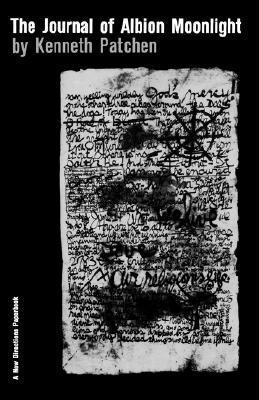
The Journal of Albion Moonlight
Book Description
A restless soul wanders through a world teetering on the brink of chaos, armed only with words that burn like stars. Albion Moonlight confronts the absurdity of existence, weaving vibrant surrealism into a tapestry of profound emotion and dark humor. As he navigates love, loss, and the shadows of a war-torn reality, each page crackles with urgency and longing. Battling the monsters of his mind and the confines of society, Albion seeks meaning in a universe that seems determined to crush his spirit. Will he find solace amidst the madness, or will the weight of it all prove too heavy to bear?
Quick Book Summary
"The Journal of Albion Moonlight" by Kenneth Patchen is a genre-defying journey through a fractured, surreal landscape, following its restless protagonist, Albion Moonlight. Nominally set against the background of a world at war, the book spurns narrative conventions to plunge readers into a fever dream of existential crisis, dark wit, and poetic introspection. Albion, joined by a band of eccentric companions, traverses America amidst apocalyptic collapse, haunted by visions of violence, love, and alienation. Patchen blends prose, poetry, and philosophical inquiry, challenging readers to consider the absurdity and brutality of society while seeking moments of beauty and hope in life's chaos. Through its fragmented style and emotional range, the novel becomes a howl against meaninglessness, both a critique and a celebration of the human spirit.




Summary of Key Ideas
Table of Contents
Surrealism and the Poetic Imagination
At the heart of "The Journal of Albion Moonlight" lies a surreal, poetic odyssey through a world collapsing under the weight of its own violence. Albion Moonlight, the wandering anti-hero, navigates apocalyptic America alongside a shifting troupe of outcasts, each struggling to understand their own place in a fractured reality. The narrative defies conventional structure, blending dream logic, lyric passages, and abrupt shifts in perspective to mirror the tumult of Albion’s inner life. This stylistic restlessness evokes a sense of existential dislocation, inviting readers to inhabit Albion’s quest for purpose against the backdrop of society’s ruin.
The Absurdity and Brutality of War
Patchen’s use of poetic imagery and surrealism infuses the narrative with a dreamlike intensity. The boundary between the real and the imaginary is erased, allowing for bold, symbolic confrontations: angels, monsters, and the landscape itself seem animated by Albion’s psyche. This atmosphere underscores the novel’s indictment of war and systemic violence, highlighting how such forces transform the world into a nightmarish absurdity. Dialogue often unravels into wild, expressive prose poems, giving voice to Albion’s anguish and patchwork hopes. The book relentlessly asks: How can one persevere—even sing—amidst so much darkness?
Quest for Meaning in Chaos
Albion’s journey is both a physical and spiritual one, marked by repeated encounters with brutality and loss. Death is omnipresent, coloring his experiences with urgency but also fueling his defiant refusal to submit. His lovers, friends, and enemies are all caught in the same tide of chaos, each embodying a different response to suffering. Patchen renders the search for meaning as a shared struggle—a pilgrimage through disillusionment, where moments of grace are fleeting but fiercely cherished. The novel’s fragmented narrative invites readers to piece together interpretations in the same spirit of searching.
Alienation and Rebellion Against Society
Society in Patchen’s vision is the true monster: a machine of oppression, violence, and alienation. Albion’s rebellion is not merely against individual foes but against the confining structures of modern life. The journal entries, by turns hallucinatory and incisive, are acts of resistance—prophetic poems decrying conformity, cruelty, and the erasure of genuine emotion. Yet even this resistance is deeply personal, tinged with loneliness and the pain of being misunderstood. Albion’s journey becomes emblematic of all who struggle to remain humane in an inhumane world.
The Search for Love and Human Connection
Ultimately, love and connection emerge as fragile but vital redemptions. The longing for intimacy—searing and often unfulfilled—animates Albion’s most poignant moments. Patchen suggests that art, love, and empathy persist even in the bleakest times, offering glimpses of beauty and defiance. In the book’s closing passages, the burning residue of hope lingers, as Albion continues walking against the current, upholding the dignity of the human spirit through lyric outrage and enraptured sorrow.
Download This Summary
Get a free PDF of this summary instantly — no email required.