10 Books Similar to "The Ice Palace"
by Tarjei Vesaas

Dina's Book

"Dina's Book" chronicles the tumultuous life of Dina, a young woman in 19th-century Norway burdened by a childhood tragedy. Her story delves into themes of guilt, repression, and an almost primal connection to nature. We follow Dina's unconventional journey through love, loss, and radical self-discovery, marked by fierce independence and a defiance of societal norms, as she grapples with her past and a burgeoning sexuality.
Both novels explore the psychological landscape of isolated young women confronted with profound trauma and an unforgiving northern environment. Like "The Ice Palace," "Dina's Book" utilizes stark, poetic prose to paint vivid internal worlds and the immense power of nature, both as a refuge and a reflection of inner turmoil. Both protagonists experience a defining, life-altering event in childhood that profoundly shapes their subsequent emotional development and relationships, leading to a sense of otherness and a unique engagement with the world.
This book offers a compelling exploration of female agency and the lasting impact of trauma, inviting contemplation on identity, societal expectations, and the human capacity for both destruction and resilience. Its rich characterization and atmospheric setting provide a deeply immersive experience, prompting reflection on the complexities of the human psyche and the enduring echoes of the past.
Dina's Book
"Dina's Book" chronicles the tumultuous life of Dina, a young woman in 19th-century Norway burdened by a childhood tragedy. Her story delves into themes of guilt, repression, and an almost primal connection to nature. We follow Dina's unconventional journey through love, loss, and radical self-discovery, marked by fierce independence and a defiance of societal norms, as she grapples with her past and a burgeoning sexuality.
Both novels explore the psychological landscape of isolated young women confronted with profound trauma and an unforgiving northern environment. Like "The Ice Palace," "Dina's Book" utilizes stark, poetic prose to paint vivid internal worlds and the immense power of nature, both as a refuge and a reflection of inner turmoil. Both protagonists experience a defining, life-altering event in childhood that profoundly shapes their subsequent emotional development and relationships, leading to a sense of otherness and a unique engagement with the world.
This book offers a compelling exploration of female agency and the lasting impact of trauma, inviting contemplation on identity, societal expectations, and the human capacity for both destruction and resilience. Its rich characterization and atmospheric setting provide a deeply immersive experience, prompting reflection on the complexities of the human psyche and the enduring echoes of the past.
Smilla's Sense of Snow

"Smilla's Sense of Snow" follows Smilla Qaavigaaq Jaspersen, a Greenlandic-Danish scientist living in Copenhagen, who investigates the suspicious death of a young Inuit boy named Isaiah, her former neighbor and only friend. The official verdict is an accidental fall, but Smilla's profound understanding of ice and snow, born from her Inuit heritage, tells her otherwise. Her investigation leads her into a dangerous conspiracy involving a powerful corporation and hidden secrets linked to Greenland's vast, icy landscape. It's a blend of detective story, scientific inquiry, and cultural exploration.
The similarity to "The Ice Palace" lies in their shared exploration of harsh, elemental northern environments as psychological landscapes and catalysts for profound emotional journeys. Both novels feature young protagonists deeply connected to ice and snow, where these natural forces act not just as settings but as symbolic entities shaping their inner lives and external conflicts. There's a shared sense of foreboding beauty and a focus on uncovering hidden truths, whether about a tragic incident or a secret inner world.
This book will appeal for its intelligent protagonist, the compelling blend of a suspenseful mystery with scientific depth, and its poignant commentary on cultural identity and colonial legacies. Its immersive atmosphere, rooted in the austere beauty of ice and the unforgiving Arctic, offers a unique reading experience. The novel provides valuable insights into the intricate relationship between nature, human perception, and the hidden structures of power, all wrapped in a beautifully written narrative.
Smilla's Sense of Snow
"Smilla's Sense of Snow" follows Smilla Qaavigaaq Jaspersen, a Greenlandic-Danish scientist living in Copenhagen, who investigates the suspicious death of a young Inuit boy named Isaiah, her former neighbor and only friend. The official verdict is an accidental fall, but Smilla's profound understanding of ice and snow, born from her Inuit heritage, tells her otherwise. Her investigation leads her into a dangerous conspiracy involving a powerful corporation and hidden secrets linked to Greenland's vast, icy landscape. It's a blend of detective story, scientific inquiry, and cultural exploration.
The similarity to "The Ice Palace" lies in their shared exploration of harsh, elemental northern environments as psychological landscapes and catalysts for profound emotional journeys. Both novels feature young protagonists deeply connected to ice and snow, where these natural forces act not just as settings but as symbolic entities shaping their inner lives and external conflicts. There's a shared sense of foreboding beauty and a focus on uncovering hidden truths, whether about a tragic incident or a secret inner world.
This book will appeal for its intelligent protagonist, the compelling blend of a suspenseful mystery with scientific depth, and its poignant commentary on cultural identity and colonial legacies. Its immersive atmosphere, rooted in the austere beauty of ice and the unforgiving Arctic, offers a unique reading experience. The novel provides valuable insights into the intricate relationship between nature, human perception, and the hidden structures of power, all wrapped in a beautifully written narrative.
Winter's Tales
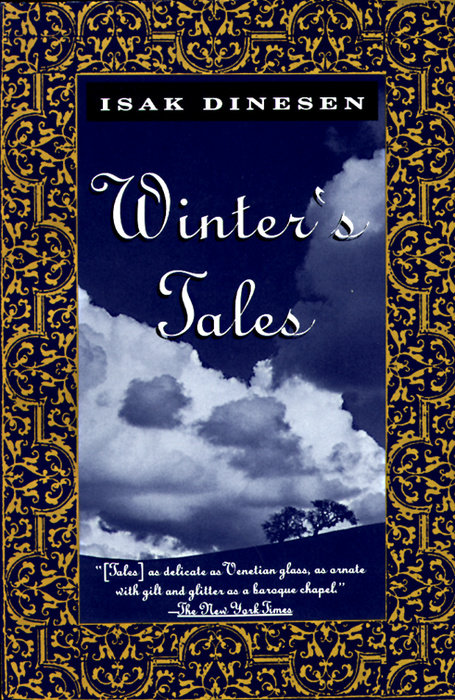
Isak Dinesen’s "Winter's Tales" is a collection of exquisitely crafted short stories, set primarily in a mystical, almost medieval Europe, though precise locations and timelines often blur. These narratives frequently explore themes of fate, destiny, tragic love, and the intricate, often cruel, dance between innocence and experience. Characters, often driven by intense passions or a sense of duty, navigate a world imbued with a profound, almost supernatural, sense of consequence.
The similarity to "The Ice Palace" lies in their shared exploration of profound psychological depths, particularly within young protagonists facing intense, almost mythical trials. Both works delve into themes of isolation, the fragility of life, and the confrontation with an overwhelming, often metaphorically frozen, natural world that mirrors inner struggles. They each possess a stark, poetic beauty, crafting narratives where atmosphere and symbolic imagery are as crucial as plot.
This collection offers a captivating journey into a world where human desires and the forces of nature intertwine to shape destiny. Its timeless tales resonate with a haunting beauty and intellectual depth, providing rich insights into the human condition. The masterful storytelling and nuanced portrayals of complex emotions offer a truly enriching and thought-provoking reading experience, leaving a lasting impression.
Winter's Tales
Isak Dinesen’s "Winter's Tales" is a collection of exquisitely crafted short stories, set primarily in a mystical, almost medieval Europe, though precise locations and timelines often blur. These narratives frequently explore themes of fate, destiny, tragic love, and the intricate, often cruel, dance between innocence and experience. Characters, often driven by intense passions or a sense of duty, navigate a world imbued with a profound, almost supernatural, sense of consequence.
The similarity to "The Ice Palace" lies in their shared exploration of profound psychological depths, particularly within young protagonists facing intense, almost mythical trials. Both works delve into themes of isolation, the fragility of life, and the confrontation with an overwhelming, often metaphorically frozen, natural world that mirrors inner struggles. They each possess a stark, poetic beauty, crafting narratives where atmosphere and symbolic imagery are as crucial as plot.
This collection offers a captivating journey into a world where human desires and the forces of nature intertwine to shape destiny. Its timeless tales resonate with a haunting beauty and intellectual depth, providing rich insights into the human condition. The masterful storytelling and nuanced portrayals of complex emotions offer a truly enriching and thought-provoking reading experience, leaving a lasting impression.
Victoria

Knut Hamsun's "Victoria" is a poignant novella charting the enduring, unrequited love between Johannes, a miller's son and aspiring poet, and Victoria, the daughter of a wealthy estate owner. Set against a backdrop of societal class divisions in rural Norway, it explores themes of love's idealism, the pain of longing, and the chasm between social standing and personal connection, ultimately culminating in a tragic, yet tender resolution.
The similarity to Tarjei Vesaas' "The Ice Palace" lies in their shared exploration of profound, almost mystical, adolescent emotional landscapes. Both novels delve into the intense, often isolated interiority of their young protagonists, Siss and Unn in "The Ice Palace" and Johannes and Victoria here. They capture the raw, aching beauty of nascent feelings and the societal or natural forces that can tragically separate individuals, leaving deep imprints on their psychological fabric.
This book offers a profound emotional journey into the heart of unfulfilled desire and enduring devotion. Its lyrical prose and timeless themes of class, love, and loss resonate deeply, providing a moving meditation on the complexities of human connection and the often-unseen struggles within a seemingly simple world. Its artistic merit and emotional impact secure its value as a compelling and enriching read.
Victoria
Knut Hamsun's "Victoria" is a poignant novella charting the enduring, unrequited love between Johannes, a miller's son and aspiring poet, and Victoria, the daughter of a wealthy estate owner. Set against a backdrop of societal class divisions in rural Norway, it explores themes of love's idealism, the pain of longing, and the chasm between social standing and personal connection, ultimately culminating in a tragic, yet tender resolution.
The similarity to Tarjei Vesaas' "The Ice Palace" lies in their shared exploration of profound, almost mystical, adolescent emotional landscapes. Both novels delve into the intense, often isolated interiority of their young protagonists, Siss and Unn in "The Ice Palace" and Johannes and Victoria here. They capture the raw, aching beauty of nascent feelings and the societal or natural forces that can tragically separate individuals, leaving deep imprints on their psychological fabric.
This book offers a profound emotional journey into the heart of unfulfilled desire and enduring devotion. Its lyrical prose and timeless themes of class, love, and loss resonate deeply, providing a moving meditation on the complexities of human connection and the often-unseen struggles within a seemingly simple world. Its artistic merit and emotional impact secure its value as a compelling and enriching read.
Iceland's Bell
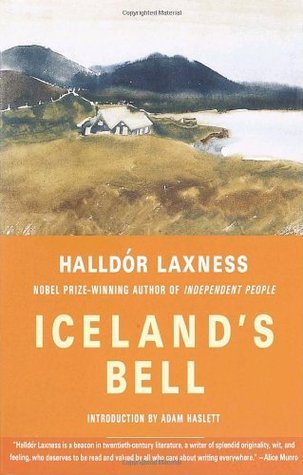
Halldór Laxness's "Iceland's Bell" is a sprawling historical novel set in 18th-century Iceland, detailing the nation's struggle for cultural identity and independence under Danish rule. It follows Jón Hreggvidssón, a farmer condemned for murder, and the aristocratic student Arnas Arnaeus, who champions Icelandic jurisprudence and seeks to preserve ancient manuscripts. The narrative weaves together themes of justice, political subjugation, and the enduring spirit of a people facing both natural hardship and external oppression.
The thematic parallels with "The Ice Palace" are striking. Both novels explore the isolation and internal struggles of their protagonists within unforgiving, stark landscapes that profoundly shape their experiences. Both delve into profound questions of morality, individual resilience against societal or natural forces, and the sometimes-unsettling beauty of their respective Nordic settings. The psychological depth of the characters, facing existential dilemmas in harsh, isolating environments, forms a strong connection between the two works.
This novel will appeal to those who appreciate richly textured historical fiction with a strong philosophical underpinning. Its exploration of national identity, the pursuit of justice, and the resilience of the human spirit in the face of adversity offers a compelling and thought-provoking reading experience. The lyrical prose and vivid historical detail provide both intellectual stimulation and a deeply immersive journey into a pivotal period of Icelandic history.
Iceland's Bell
Halldór Laxness's "Iceland's Bell" is a sprawling historical novel set in 18th-century Iceland, detailing the nation's struggle for cultural identity and independence under Danish rule. It follows Jón Hreggvidssón, a farmer condemned for murder, and the aristocratic student Arnas Arnaeus, who champions Icelandic jurisprudence and seeks to preserve ancient manuscripts. The narrative weaves together themes of justice, political subjugation, and the enduring spirit of a people facing both natural hardship and external oppression.
The thematic parallels with "The Ice Palace" are striking. Both novels explore the isolation and internal struggles of their protagonists within unforgiving, stark landscapes that profoundly shape their experiences. Both delve into profound questions of morality, individual resilience against societal or natural forces, and the sometimes-unsettling beauty of their respective Nordic settings. The psychological depth of the characters, facing existential dilemmas in harsh, isolating environments, forms a strong connection between the two works.
This novel will appeal to those who appreciate richly textured historical fiction with a strong philosophical underpinning. Its exploration of national identity, the pursuit of justice, and the resilience of the human spirit in the face of adversity offers a compelling and thought-provoking reading experience. The lyrical prose and vivid historical detail provide both intellectual stimulation and a deeply immersive journey into a pivotal period of Icelandic history.
The Water's Edge

"The Water's Edge" by Karin Fossum is a poignant psychological thriller centering on Riktor, an unassuming man grappling with profound loneliness and a life devoid of genuine connection. The narrative slowly unravels his unsettling internal world as he becomes entangled in a murder investigation, exploring themes of isolation, the fragility of identity, and the desperate human need for belonging.
This novel resonates strongly with "The Ice Palace" through its masterful exploration of inner landscapes and emotional depth. Both books feature solitary protagonists confronted with the abrupt loss of an idealized or longed-for connection, leading to a profound psychological withdrawal. They share a stark, almost sparse narrative style that accentuates the characters' isolation and the unsettling undercurrents of their thoughts, making the internal struggle as central as any external plot.
The appeal of "The Water's Edge" lies in its nuanced character study and its unflinching look at the human psyche. It offers a valuable opportunity to delve into the complexities of alienation and the quiet despair that can fester beneath seemingly ordinary surfaces. The sophisticated exploration of grief, guilt, and the search for meaning in a bleak existence delivers a powerful and thought-provoking experience.
The Water's Edge
"The Water's Edge" by Karin Fossum is a poignant psychological thriller centering on Riktor, an unassuming man grappling with profound loneliness and a life devoid of genuine connection. The narrative slowly unravels his unsettling internal world as he becomes entangled in a murder investigation, exploring themes of isolation, the fragility of identity, and the desperate human need for belonging.
This novel resonates strongly with "The Ice Palace" through its masterful exploration of inner landscapes and emotional depth. Both books feature solitary protagonists confronted with the abrupt loss of an idealized or longed-for connection, leading to a profound psychological withdrawal. They share a stark, almost sparse narrative style that accentuates the characters' isolation and the unsettling undercurrents of their thoughts, making the internal struggle as central as any external plot.
The appeal of "The Water's Edge" lies in its nuanced character study and its unflinching look at the human psyche. It offers a valuable opportunity to delve into the complexities of alienation and the quiet despair that can fester beneath seemingly ordinary surfaces. The sophisticated exploration of grief, guilt, and the search for meaning in a bleak existence delivers a powerful and thought-provoking experience.
Salka Valka
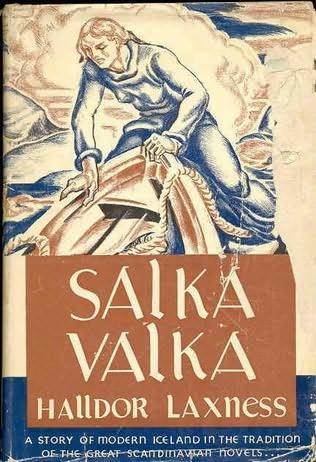
*Salka Valka* chronicles the turbulent coming-of-age of a fiercely independent orphan girl in a remote Icelandic fishing village. From her solitary struggle against poverty and the rigid social conventions of her community, to her eventual rise to a position of quiet leadership, the novel explores themes of resilience, belonging, and the enduring human spirit amidst harsh natural landscapes. It’s a compelling portrait of self-discovery forged in adversity.
The similarity to *The Ice Palace* lies in their shared exploration of isolated communities, the profound impact of nature on character, and the intense psychological journeys of young protagonists grappling with grief, identity, and the complexities of human connection. Both novels masterfully convey a sense of atmosphere and the internal lives of their characters, set against stark, unforgiving backdrops that mirror their emotional landscapes.
This book offers a deeply moving and insightful experience. Its powerful narrative, rich character development, and evocative portrayal of a demanding environment provide a profound meditation on endurance and the search for one's place in the world. It delivers both a compelling story and a lasting impression of the human capacity for growth under duress.
Salka Valka
*Salka Valka* chronicles the turbulent coming-of-age of a fiercely independent orphan girl in a remote Icelandic fishing village. From her solitary struggle against poverty and the rigid social conventions of her community, to her eventual rise to a position of quiet leadership, the novel explores themes of resilience, belonging, and the enduring human spirit amidst harsh natural landscapes. It’s a compelling portrait of self-discovery forged in adversity.
The similarity to *The Ice Palace* lies in their shared exploration of isolated communities, the profound impact of nature on character, and the intense psychological journeys of young protagonists grappling with grief, identity, and the complexities of human connection. Both novels masterfully convey a sense of atmosphere and the internal lives of their characters, set against stark, unforgiving backdrops that mirror their emotional landscapes.
This book offers a deeply moving and insightful experience. Its powerful narrative, rich character development, and evocative portrayal of a demanding environment provide a profound meditation on endurance and the search for one's place in the world. It delivers both a compelling story and a lasting impression of the human capacity for growth under duress.
Independent People

Halldór Laxness's "Independent People" chronicles the gritty, lifelong struggle of Bjartur of Summerhouses, an impoverished Icelandic sheep farmer, to maintain his independence against the relentless forces of nature, debt, and the subtle pull of community. It's a powerful study of individualism taken to its extreme, and the often-harsh consequences of prioritizing freedom above all else, even love and family.
Both "Independent People" and "The Ice Palace" delve deeply into the psychological landscapes of their characters, often against stark and unforgiving natural backdrops. They share an intensity in their exploration of solitude, loss, and the isolating yet formative power of the environment. While Vesaas focuses on a nascent, devastating isolation, Laxness charts a protracted, self-imposed one, yet both narratives resonate with a profound sense of human vulnerability in the face of immense, indifferent forces.
This book will appeal to those who appreciate literature that unflinchingly examines the human spirit's resilience and its capacity for both profound love and stark detachment. Its value lies in its timeless portrayal of the agrarian struggle, the complex nature of freedom, and the enduring questions it raises about the cost of an unyielding will. It's a powerful and deeply moving experience that offers rich insights into the human condition.
Independent People
Halldór Laxness's "Independent People" chronicles the gritty, lifelong struggle of Bjartur of Summerhouses, an impoverished Icelandic sheep farmer, to maintain his independence against the relentless forces of nature, debt, and the subtle pull of community. It's a powerful study of individualism taken to its extreme, and the often-harsh consequences of prioritizing freedom above all else, even love and family.
Both "Independent People" and "The Ice Palace" delve deeply into the psychological landscapes of their characters, often against stark and unforgiving natural backdrops. They share an intensity in their exploration of solitude, loss, and the isolating yet formative power of the environment. While Vesaas focuses on a nascent, devastating isolation, Laxness charts a protracted, self-imposed one, yet both narratives resonate with a profound sense of human vulnerability in the face of immense, indifferent forces.
This book will appeal to those who appreciate literature that unflinchingly examines the human spirit's resilience and its capacity for both profound love and stark detachment. Its value lies in its timeless portrayal of the agrarian struggle, the complex nature of freedom, and the enduring questions it raises about the cost of an unyielding will. It's a powerful and deeply moving experience that offers rich insights into the human condition.
Replacement

Tor Ulven's "Replacement" is a stark, introspective novel focusing on a solitary individual's struggle with identity and the insidious nature of urban decay. The unnamed protagonist navigates a bleak, apathetic cityscape, encountering fleeting, often unsettling interactions that further isolate them. It's a profound meditation on absence, the erosion of self amidst oppressive environments, and the search for meaning in a seemingly meaningless existence.
The kinship with "The Ice Palace" lies primarily in their shared exploration of profound internal landscapes and the overwhelming sense of alienation. Both novels delve into the psychological ramifications of loss and isolation, using stark, symbolic environments—the ice palace itself, Ulven's desolate cityscapes—to mirror the characters' internal states. They evoke a similar melancholic atmosphere and a quiet, almost poetic intensity in their portrayal of existential angst.
This novel will resonate with those who appreciate profound psychological depth and understated emotional power. It offers a challenging yet ultimately rewarding examination of the human condition, inviting contemplation on themes of belonging, memory, and the search for connection in a fragmented world. Its unique voice and unflinching honesty provide a valuable, thought-provoking literary experience.
Replacement
Tor Ulven's "Replacement" is a stark, introspective novel focusing on a solitary individual's struggle with identity and the insidious nature of urban decay. The unnamed protagonist navigates a bleak, apathetic cityscape, encountering fleeting, often unsettling interactions that further isolate them. It's a profound meditation on absence, the erosion of self amidst oppressive environments, and the search for meaning in a seemingly meaningless existence.
The kinship with "The Ice Palace" lies primarily in their shared exploration of profound internal landscapes and the overwhelming sense of alienation. Both novels delve into the psychological ramifications of loss and isolation, using stark, symbolic environments—the ice palace itself, Ulven's desolate cityscapes—to mirror the characters' internal states. They evoke a similar melancholic atmosphere and a quiet, almost poetic intensity in their portrayal of existential angst.
This novel will resonate with those who appreciate profound psychological depth and understated emotional power. It offers a challenging yet ultimately rewarding examination of the human condition, inviting contemplation on themes of belonging, memory, and the search for connection in a fragmented world. Its unique voice and unflinching honesty provide a valuable, thought-provoking literary experience.
Pan

"Pan" is a lyrical novel chronicling the isolated existence of Lieutenant Thomas Glahn in the remote forests of Nordland, Norway. He lives an intensely solitary life, observing nature and engaging in a passionate, yet ultimately destructive, love affair with Edvarda, the local merchant's daughter. The narrative delves into his primal connection to the wilderness, his often-unconventional worldview, and the profound melancholia that underpins his pursuit of freedom and an untamed existence.
Both "Pan" and "The Ice Palace" explore the isolating power of nature and the profound psychological impact of an intense, almost spiritual, connection to the wild. Each book features protagonists who are deeply enmeshed in their natural surroundings, leading to a sense of detachment from conventional society and a heightened, almost mystical, internal landscape. Themes of unrequited love, tragic innocence, and the inscrutability of human emotion resonate strongly in both narratives, often presented through stark, symbolic imagery.
The book offers a powerful exploration of individualism, the intoxicating pull of nature, and the complexities of human relationships when juxtaposed against an awe-inspiring, yet indifferent, environment. Its poetic prose and psychological depth provide a rich, immersive reading experience, inviting contemplation on themes of belonging, freedom, and the inherent loneliness of the human condition, making it a timeless and resonant work of literature.
Pan
"Pan" is a lyrical novel chronicling the isolated existence of Lieutenant Thomas Glahn in the remote forests of Nordland, Norway. He lives an intensely solitary life, observing nature and engaging in a passionate, yet ultimately destructive, love affair with Edvarda, the local merchant's daughter. The narrative delves into his primal connection to the wilderness, his often-unconventional worldview, and the profound melancholia that underpins his pursuit of freedom and an untamed existence.
Both "Pan" and "The Ice Palace" explore the isolating power of nature and the profound psychological impact of an intense, almost spiritual, connection to the wild. Each book features protagonists who are deeply enmeshed in their natural surroundings, leading to a sense of detachment from conventional society and a heightened, almost mystical, internal landscape. Themes of unrequited love, tragic innocence, and the inscrutability of human emotion resonate strongly in both narratives, often presented through stark, symbolic imagery.
The book offers a powerful exploration of individualism, the intoxicating pull of nature, and the complexities of human relationships when juxtaposed against an awe-inspiring, yet indifferent, environment. Its poetic prose and psychological depth provide a rich, immersive reading experience, inviting contemplation on themes of belonging, freedom, and the inherent loneliness of the human condition, making it a timeless and resonant work of literature.
More Books to Explore
Discover more titles that expand on these ideas and themes.
Dina's Book
Smilla's Sense of Snow
Winter's Tales
Victoria
Iceland's Bell
The Water's Edge