
Independent People
Book Description
Against the stark backdrop of Iceland's raw wilderness, a fiercely independent sheep farmer battles not just the land but the chains of humanity itself. Stripped of comfort and beset by betrayal, he clings to his ideals, risking family and relationships for the sake of his freedom. The chilling winds howl with the cries of ambition and despair, as love and loyalty fracture under the weight of harsh realities. With each decision, the stakes climb higher, threatening to unravel everything he's built. Will the quest for independence lead to liberation or isolation?
Quick Book Summary
"Independent People" by Halldór Laxness is a sweeping, tragic epic set in early 20th-century rural Iceland. It follows Bjartur of Summerhouses, a stoic and stubborn sheep farmer who is fiercely determined to achieve and maintain total independence, even at the cost of personal happiness and family cohesion. As Bjartur strives to realize his dream in the unforgiving Icelandic landscape, he faces relentless hardships—nature’s cruelty, economic misfortune, societal pressures, and deep personal loss. Instead of forging community, Bjartur’s pride and rigid ideals isolate him, estranging him from those he loves. Through lyrical prose and biting irony, Laxness explores the paradoxes of freedom and the costs of relentless self-reliance, ultimately questioning what it means to be truly independent in a world shaped by necessity, family, and collective struggle.


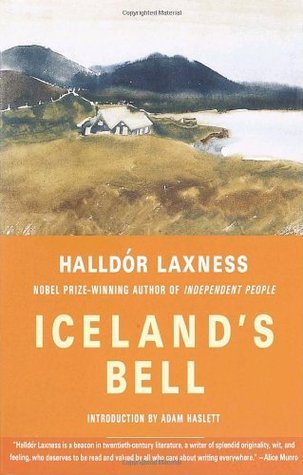
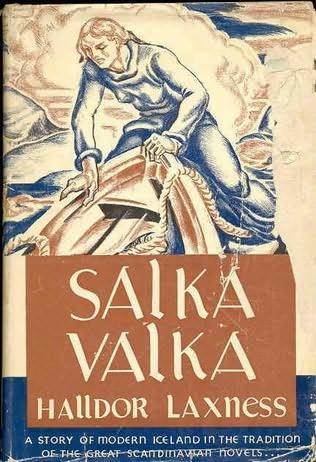
Summary of Key Ideas
Table of Contents
The Price of Independence
Bjartur’s journey begins as he purchases a croft known as Summerhouses, determined to start a new life free from debts and obligations. His central aspiration is to be truly independent—to own his land, raise his sheep, and answer to no one. This drive, inherited from his nation’s history of Danish subjugation and shaped by local legend, becomes his guiding principle, shaping every decision he makes. Bjartur is portrayed as an everyman whose dreams and pride pit him against both external elements and intimate relations, setting the stage for a narrative full of suffering and perseverance.
Struggle Against Nature
The natural world in "Independent People" is both breathtakingly beautiful and ruthlessly indifferent. Bjartur’s efforts are constantly threatened by harsh winters, disease, famine, and the capriciousness of Icelandic weather. Sheep, vital to his livelihood, are lost to blizzards and epidemics, and crops fail regularly. Laxness interweaves vivid descriptions of the landscape with episodes of natural disaster, emphasizing the constant, Sisyphean struggle the rural poor face against their environment. These hardships spotlight the precariousness of survival and the high cost exacted by both nature and Bjartur’s proud self-reliance.
Family and Sacrifice
Bjartur’s obsession with personal autonomy invariably comes into conflict with the needs and well-being of his family. His first wife, Rosa, dies early on, a tragedy that underscores the emotional and physical dangers of his rigid ideals. The fates of his subsequent wives and children are also marked by deprivation, frustration, and a longing for comfort and connection. Bjartur’s unwillingness to compromise, particularly with his adopted daughter Ásta Sólilja, leads to heartbreak and familial estrangement. Here, Laxness explores the paradox that the pursuit of independence can foster suffering and loneliness, not just freedom.
Tradition and Modernity
The novel is rich with contrasts between ancient traditions and the encroaching force of modernity. Old Icelandic sagas, superstitions, folklore, and traditional ways of life coexist uneasily with new social and political realities—cooperatives, unions, and the spread of socialist ideas. Outside authority—church, merchant, or government—offers promises of support, but often at the expense of autonomy. Bjartur’s resistance to these institutions reflects his ambivalence toward change, revealing the tensions faced by individuals and communities as they navigate a shifting world.
Isolation Versus Community
Ultimately, Bjartur’s relentless quest for independence leads not to triumphant self-realization, but to increasing isolation. He alienates his loved ones, suffers repeated loss, and finds himself alone despite his accomplishments. Laxness “Independent People” suggests that the ideal of total self-sufficiency is both admirable and tragic, highlighting the profound human need for connection, solidarity, and compassion. Through Bjartur’s fate, the novel interrogates the true meaning of independence in both personal and collective terms, leaving readers with questions about the costs and limits of freedom.
Download This Summary
Get a free PDF of this summary instantly — no email required.