10 Books Similar to "The Dreams in the Witch House"
by H.P. Lovecraft

The Haunter of the Dark: The H.P. Lovecraft Omnibus, #3

"The Haunter of the Dark: The H.P. Lovecraft Omnibus, #3" compiles several of Lovecraft's iconic cosmic horror tales, primarily centered on themes of forbidden knowledge, ancient entities, and the fragile sanity of those who confront them. Its titular novella features an investigative journalist who uncovers a sinister history entwined with a forgotten church, awakening a malevolent, extra-dimensional being that thrives on darkness. The collection also includes other significant works, offering a broad spectrum of Lovecraft's mature style.
This omnibus shares a strong thematic and stylistic kinship with "The Dreams in the Witch House." Both works explore protagonists thrust into encounters with non-Euclidean geometries, terrifying interdimensional beings, and the erosion of their grasp on reality. They delve into the intellectual horror of confronting truths that shatter conventional understanding, often through protagonists who are scholars or researchers, driven by a dangerous curiosity into realms best left undisturbed.
The collection will appeal to those who appreciate Lovecraft's unique blend of existential dread and cosmic terror. It offers a deeper dive into his pantheon of creatures and the philosophical underpinnings of his work, illustrating humanity's insignificance in a vast, uncaring universe. The intricate prose and masterful build-up of suspense provide a rewarding experience for anyone seeking unsettling, intellectual horror that lingers long after the final page.
The Haunter of the Dark: The H.P. Lovecraft Omnibus, #3
"The Haunter of the Dark: The H.P. Lovecraft Omnibus, #3" compiles several of Lovecraft's iconic cosmic horror tales, primarily centered on themes of forbidden knowledge, ancient entities, and the fragile sanity of those who confront them. Its titular novella features an investigative journalist who uncovers a sinister history entwined with a forgotten church, awakening a malevolent, extra-dimensional being that thrives on darkness. The collection also includes other significant works, offering a broad spectrum of Lovecraft's mature style.
This omnibus shares a strong thematic and stylistic kinship with "The Dreams in the Witch House." Both works explore protagonists thrust into encounters with non-Euclidean geometries, terrifying interdimensional beings, and the erosion of their grasp on reality. They delve into the intellectual horror of confronting truths that shatter conventional understanding, often through protagonists who are scholars or researchers, driven by a dangerous curiosity into realms best left undisturbed.
The collection will appeal to those who appreciate Lovecraft's unique blend of existential dread and cosmic terror. It offers a deeper dive into his pantheon of creatures and the philosophical underpinnings of his work, illustrating humanity's insignificance in a vast, uncaring universe. The intricate prose and masterful build-up of suspense provide a rewarding experience for anyone seeking unsettling, intellectual horror that lingers long after the final page.
The Shunned House

"The Shunned House" details the unfolding horror within a cursed Providence dwelling, focusing on the insidious, ancient evil that has plagued the house and its inhabitants for centuries. Narrated by Dr. Elihu Whipple, the tale meticulously documents the spectral phenomena, unexplained illnesses, and the ultimate, gruesome discovery of the house's true, monstrous nature – a vampiric, chthonic entity feeding on life from beneath.
Its similarity to "The Dreams in the Witch House" lies in their shared exploration of malevolent structures as focal points for cosmic horror. Both stories feature protagonists (Walter Gilman and Dr. Whipple's ancestor) who delve into forbidden knowledge and encounter entities embodying ancient, non-human evils. The houses themselves are more than just settings; they are active, sentient participants in the unfolding terror, gateways to dimensions beyond human comprehension, and sources of profound, gnawing dread.
This narrative resonates deeply because it taps into archetypal fears of the unknown lurking beneath the veneer of the ordinary. Its detailed, pseudo-scientific approach to the supernatural, coupled with Lovecraft's atmospheric prose, creates a chilling sense of plausibility. It offers a profound experience of cosmic insignificance and the fragile boundary between the mundane and the monstrous, presenting a compelling exploration of inherited dread and the persistence of evil.
The Shunned House
"The Shunned House" details the unfolding horror within a cursed Providence dwelling, focusing on the insidious, ancient evil that has plagued the house and its inhabitants for centuries. Narrated by Dr. Elihu Whipple, the tale meticulously documents the spectral phenomena, unexplained illnesses, and the ultimate, gruesome discovery of the house's true, monstrous nature – a vampiric, chthonic entity feeding on life from beneath.
Its similarity to "The Dreams in the Witch House" lies in their shared exploration of malevolent structures as focal points for cosmic horror. Both stories feature protagonists (Walter Gilman and Dr. Whipple's ancestor) who delve into forbidden knowledge and encounter entities embodying ancient, non-human evils. The houses themselves are more than just settings; they are active, sentient participants in the unfolding terror, gateways to dimensions beyond human comprehension, and sources of profound, gnawing dread.
This narrative resonates deeply because it taps into archetypal fears of the unknown lurking beneath the veneer of the ordinary. Its detailed, pseudo-scientific approach to the supernatural, coupled with Lovecraft's atmospheric prose, creates a chilling sense of plausibility. It offers a profound experience of cosmic insignificance and the fragile boundary between the mundane and the monstrous, presenting a compelling exploration of inherited dread and the persistence of evil.
The Case of Charles Dexter Ward
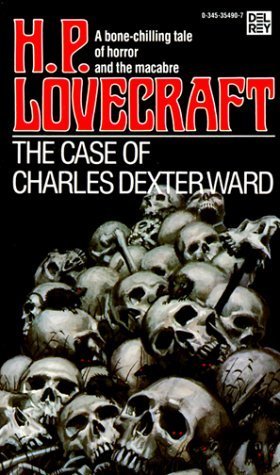
"The Case of Charles Dexter Ward" chronicles the unsettling transformation of a young antiquarian in Providence, Rhode Island, as he delves into the dark history of his 18th-century sorcerer ancestor, Joseph Curwen. Ward's obsession eventually leads him to attempt forbidden rituals and necromantic practices, culminating in a chilling revelation about Curwen's continued malevolent influence and Ward's own horrifying fate. The narrative unfolds through the perspective of Ward's family physician, adding a veneer of clinical observation to the escalating horror.
This novel shares a striking thematic resemblance to "The Dreams in the Witch House" through its exploration of forbidden knowledge and its devastating consequences. Both protagonists, Charles Dexter Ward and Walter Gilman, are intellectual outsiders drawn to arcane studies that transcend conventional science, leading them into encounters with entities and forces beyond human comprehension. The descent into madness fueled by curiosity, the blurring of lines between past and present, and the ultimate corruption of the individual are central to both narratives.
This work offers a compelling dive into Lovecraft's unique brand of cosmic horror. It presents a meticulously crafted historical backdrop intertwined with supernatural dread, compelling readers with its sophisticated narrative structure and the gradual unraveling of a profoundly disturbing mystery. Its exploration of identity, heredity, and the perilous pursuit of forgotten lore provides both intellectual stimulation and a profound sense of existential unease, making it a valuable experience for those who appreciate meticulously built psychological and supernatural terror.
The Case of Charles Dexter Ward
"The Case of Charles Dexter Ward" chronicles the unsettling transformation of a young antiquarian in Providence, Rhode Island, as he delves into the dark history of his 18th-century sorcerer ancestor, Joseph Curwen. Ward's obsession eventually leads him to attempt forbidden rituals and necromantic practices, culminating in a chilling revelation about Curwen's continued malevolent influence and Ward's own horrifying fate. The narrative unfolds through the perspective of Ward's family physician, adding a veneer of clinical observation to the escalating horror.
This novel shares a striking thematic resemblance to "The Dreams in the Witch House" through its exploration of forbidden knowledge and its devastating consequences. Both protagonists, Charles Dexter Ward and Walter Gilman, are intellectual outsiders drawn to arcane studies that transcend conventional science, leading them into encounters with entities and forces beyond human comprehension. The descent into madness fueled by curiosity, the blurring of lines between past and present, and the ultimate corruption of the individual are central to both narratives.
This work offers a compelling dive into Lovecraft's unique brand of cosmic horror. It presents a meticulously crafted historical backdrop intertwined with supernatural dread, compelling readers with its sophisticated narrative structure and the gradual unraveling of a profoundly disturbing mystery. Its exploration of identity, heredity, and the perilous pursuit of forgotten lore provides both intellectual stimulation and a profound sense of existential unease, making it a valuable experience for those who appreciate meticulously built psychological and supernatural terror.
The Horror in the Museum
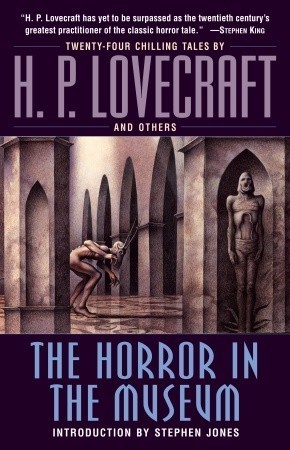
"The Horror in the Museum" centers on Stephen Jones, an amateur ethnologist obsessed with a sinister museum of wax figures and taxidermied monstrosities. He believes the museum's proprietor, Roger Carlyle, is engaged in unspeakable rituals connected to these exhibits, which appear unnervingly lifelike. Jones's investigations slowly uncover a cosmic horror, revealing that Carlyle is not merely an eccentric collector, but something far more ancient and malevolent, with powers to transform and enslave.
This story shares significant thematic and atmospheric commonalities with "The Dreams in the Witch House." Both narratives feature protagonists—Jones and Walter Gilman—who become entangled with dark, supernatural forces emanating from unsettling locations (the museum and the dilapidated witch house). They both explore the gradual descent into madness and terror brought on by proximity to ancient, non-Euclidean entities and forbidden knowledge.
This narrative holds appeal for anyone drawn to Lovecraft's signature blend of cosmic dread and psychological torment. It provides a compelling exploration of human vulnerability against unimaginable forces and the perils of obsessive curiosity. The story's unsettling atmosphere and slow-burn reveal of the horrific truth offer a potent and satisfying dive into the foundational elements of Lovecraftian horror, emphasizing the insignificance of humanity in a terrifying, alien cosmos.
The Horror in the Museum
"The Horror in the Museum" centers on Stephen Jones, an amateur ethnologist obsessed with a sinister museum of wax figures and taxidermied monstrosities. He believes the museum's proprietor, Roger Carlyle, is engaged in unspeakable rituals connected to these exhibits, which appear unnervingly lifelike. Jones's investigations slowly uncover a cosmic horror, revealing that Carlyle is not merely an eccentric collector, but something far more ancient and malevolent, with powers to transform and enslave.
This story shares significant thematic and atmospheric commonalities with "The Dreams in the Witch House." Both narratives feature protagonists—Jones and Walter Gilman—who become entangled with dark, supernatural forces emanating from unsettling locations (the museum and the dilapidated witch house). They both explore the gradual descent into madness and terror brought on by proximity to ancient, non-Euclidean entities and forbidden knowledge.
This narrative holds appeal for anyone drawn to Lovecraft's signature blend of cosmic dread and psychological torment. It provides a compelling exploration of human vulnerability against unimaginable forces and the perils of obsessive curiosity. The story's unsettling atmosphere and slow-burn reveal of the horrific truth offer a potent and satisfying dive into the foundational elements of Lovecraftian horror, emphasizing the insignificance of humanity in a terrifying, alien cosmos.
The Shadow over Innsmouth

"The Shadow over Innsmouth" follows a young man's unsettling journey into a dilapidated New England fishing town, Innsmouth, known for its reclusive inhabitants and strange deformities. He uncovers a horrifying secret: the townspeople have interbred with an amphibious, non-human species, the Deep Ones, in exchange for gold and fish, blurring the lines between human and monstrous. The narrative meticulously builds a sense of dread as the protagonist's investigation leads him to confront his own disturbing connection to this ancient, blasphemous pact.
This narrative shares common thematic ground with "The Dreams in the Witch House" through its exploration of unsettling cosmic horror and the insidious corruption of humanity. Both stories feature protagonists who, through intellectual curiosity or unfortunate circumstance, stumble upon ancient, non-human entities and practices that defy natural law. The encroachment of the bizarre and the erosion of sanity as characters confront forbidden knowledge are central to both Lovecraftian works.
This particular story holds significant appeal for its masterful crafting of atmosphere and its profound exploration of inherited horror. It delves into the unsettling legacy of ancestral perversion and the terrifying notion of a predetermined, monstrous fate. It offers a compelling examination of xenophobia and cultural decay through a supernatural lens, proving valuable for those interested in the psychological underpinnings of dread and the insidious spread of the unnatural.
The Shadow over Innsmouth
"The Shadow over Innsmouth" follows a young man's unsettling journey into a dilapidated New England fishing town, Innsmouth, known for its reclusive inhabitants and strange deformities. He uncovers a horrifying secret: the townspeople have interbred with an amphibious, non-human species, the Deep Ones, in exchange for gold and fish, blurring the lines between human and monstrous. The narrative meticulously builds a sense of dread as the protagonist's investigation leads him to confront his own disturbing connection to this ancient, blasphemous pact.
This narrative shares common thematic ground with "The Dreams in the Witch House" through its exploration of unsettling cosmic horror and the insidious corruption of humanity. Both stories feature protagonists who, through intellectual curiosity or unfortunate circumstance, stumble upon ancient, non-human entities and practices that defy natural law. The encroachment of the bizarre and the erosion of sanity as characters confront forbidden knowledge are central to both Lovecraftian works.
This particular story holds significant appeal for its masterful crafting of atmosphere and its profound exploration of inherited horror. It delves into the unsettling legacy of ancestral perversion and the terrifying notion of a predetermined, monstrous fate. It offers a compelling examination of xenophobia and cultural decay through a supernatural lens, proving valuable for those interested in the psychological underpinnings of dread and the insidious spread of the unnatural.
The Dream Cycle of H.P. Lovecraft: Dreams of Terror and Death

"The Dream Cycle of H.P. Lovecraft: Dreams of Terror and Death" compiles a significant portion of Lovecraft’s "Dream Cycle" stories. These narratives delve into a fantastical realm known as the Dreamlands, a dimension accessible through dreams, where protagonists embark on perilous journeys, encounter ancient gods, and face cosmic horrors. The collection showcases Lovecraft's unique blend of dark fantasy and cosmic dread, often featuring protagonists who possess a heightened sensitivity to otherworldly realities, leading them to explore forbidden knowledge and encounter entities beyond human comprehension.
This collection shares thematic and stylistic commonalities with "The Dreams in the Witch House" through its exploration of the permeable barrier between our world and terrifying, otherworldly dimensions. Both works feature protagonists who venture into dangerous, non-Euclidean spaces—whether the Dreamlands or the Witch House's warped geometry—and confront entities that defy conventional understanding. The encroaching madness, the pursuit of forbidden knowledge, and the unsettling realization of cosmic insignificance are central to both narratives.
This compilation offers immense value to anyone seeking to deepen their understanding of Lovecraft's imaginative scope beyond his more overtly Cthulhu Mythos tales. It provides a cohesive look at a distinct facet of his creative output, showing the evolution of his cosmic horror through a more overtly fantastical lens. The collection is an essential gateway to appreciating the breadth of Lovecraft’s influence on dark fantasy and horror, revealing how his dream-scapes became foundational for subsequent generations of speculative fiction writers.
The Dream Cycle of H.P. Lovecraft: Dreams of Terror and Death
"The Dream Cycle of H.P. Lovecraft: Dreams of Terror and Death" compiles a significant portion of Lovecraft’s "Dream Cycle" stories. These narratives delve into a fantastical realm known as the Dreamlands, a dimension accessible through dreams, where protagonists embark on perilous journeys, encounter ancient gods, and face cosmic horrors. The collection showcases Lovecraft's unique blend of dark fantasy and cosmic dread, often featuring protagonists who possess a heightened sensitivity to otherworldly realities, leading them to explore forbidden knowledge and encounter entities beyond human comprehension.
This collection shares thematic and stylistic commonalities with "The Dreams in the Witch House" through its exploration of the permeable barrier between our world and terrifying, otherworldly dimensions. Both works feature protagonists who venture into dangerous, non-Euclidean spaces—whether the Dreamlands or the Witch House's warped geometry—and confront entities that defy conventional understanding. The encroaching madness, the pursuit of forbidden knowledge, and the unsettling realization of cosmic insignificance are central to both narratives.
This compilation offers immense value to anyone seeking to deepen their understanding of Lovecraft's imaginative scope beyond his more overtly Cthulhu Mythos tales. It provides a cohesive look at a distinct facet of his creative output, showing the evolution of his cosmic horror through a more overtly fantastical lens. The collection is an essential gateway to appreciating the breadth of Lovecraft’s influence on dark fantasy and horror, revealing how his dream-scapes became foundational for subsequent generations of speculative fiction writers.
The Call of Cthulhu

"The Call of Cthulhu" chronicles a fragmented investigation into a global cult that worships an ancient, monstrous entity named Cthulhu. The narrative unfolds through disparate accounts – a deceased professor's papers, a newspaper clipping, and a sailor's terrifying ordeal – which collectively reveal the creature's immense power, its deep slumber beneath the Pacific, and the apocalyptic implications of its eventual awakening. It’s a descent into the cosmic horror of humanity’s insignificance against vast, unknowable forces.
Both stories share H.P. Lovecraft's signature cosmic dread, focusing on individuals who, through academic or architectural exploration, stumble upon truths too vast and terrible for the human mind to fully comprehend. They both feature protagonists slowly unraveling a hidden reality, involving ancient, non-human entities and the disturbing notion of parallel or forgotten dimensions. The pervasive sense of encroaching madness and the destruction of sanity upon confronting alien knowledge are central to both narratives.
This story offers a quintessential introduction to Lovecraft's Cthulhu Mythos, foundational to the genre of cosmic horror. It provides a thrilling intellectual puzzle interwoven with visceral fear, demonstrating how dread can be expertly crafted without relying solely on jump scares. Its enduring influence on literature, film, and gaming makes it invaluable for understanding the roots of modern horror and the psychological impact of existential terror.
The Call of Cthulhu
"The Call of Cthulhu" chronicles a fragmented investigation into a global cult that worships an ancient, monstrous entity named Cthulhu. The narrative unfolds through disparate accounts – a deceased professor's papers, a newspaper clipping, and a sailor's terrifying ordeal – which collectively reveal the creature's immense power, its deep slumber beneath the Pacific, and the apocalyptic implications of its eventual awakening. It’s a descent into the cosmic horror of humanity’s insignificance against vast, unknowable forces.
Both stories share H.P. Lovecraft's signature cosmic dread, focusing on individuals who, through academic or architectural exploration, stumble upon truths too vast and terrible for the human mind to fully comprehend. They both feature protagonists slowly unraveling a hidden reality, involving ancient, non-human entities and the disturbing notion of parallel or forgotten dimensions. The pervasive sense of encroaching madness and the destruction of sanity upon confronting alien knowledge are central to both narratives.
This story offers a quintessential introduction to Lovecraft's Cthulhu Mythos, foundational to the genre of cosmic horror. It provides a thrilling intellectual puzzle interwoven with visceral fear, demonstrating how dread can be expertly crafted without relying solely on jump scares. Its enduring influence on literature, film, and gaming makes it invaluable for understanding the roots of modern horror and the psychological impact of existential terror.
The Dunwich Horror and Others

"The Dunwich Horror and Others" is a collection of H.P. Lovecraft's most iconic weird fiction, with the titular novella exploring the chilling tale of the Whateley family's unholy lineage and the monstrous entity they summon to unmake the world. The other stories delve into cosmic dread, ancient evils, and forbidden knowledge, often featuring isolated characters confronting inconceivable horrors in remote New England settings. The overarching theme is humanity's insignificance in a vast, uncaring cosmos.
This collection shares significant thematic and atmospheric commonalities with "The Dreams in the Witch House." Both works meticulously craft a sense of creeping dread and cosmic insignificance, presenting protagonists driven to madness or destruction by encounters with extra-dimensional entities and forbidden lore. The focus on bizarre architecture, warped realities, and the tangible presence of evil in seemingly ordinary places are hallmarks found in both, cementing their place within Lovecraft's distinct cosmic horror subgenre.
This collection provides a deeper dive into the foundational elements of cosmic horror and Lovecraft's unique literary vision. It offers invaluable insight into the origins of many tropes now ubiquitous in horror, and its exploration of the unknowable and humanity's fragile place in the universe continues to resonate. The quality of the storytelling and the psychological impact of Lovecraft's creations ensure its lasting appeal and intellectual worth.
The Dunwich Horror and Others
"The Dunwich Horror and Others" is a collection of H.P. Lovecraft's most iconic weird fiction, with the titular novella exploring the chilling tale of the Whateley family's unholy lineage and the monstrous entity they summon to unmake the world. The other stories delve into cosmic dread, ancient evils, and forbidden knowledge, often featuring isolated characters confronting inconceivable horrors in remote New England settings. The overarching theme is humanity's insignificance in a vast, uncaring cosmos.
This collection shares significant thematic and atmospheric commonalities with "The Dreams in the Witch House." Both works meticulously craft a sense of creeping dread and cosmic insignificance, presenting protagonists driven to madness or destruction by encounters with extra-dimensional entities and forbidden lore. The focus on bizarre architecture, warped realities, and the tangible presence of evil in seemingly ordinary places are hallmarks found in both, cementing their place within Lovecraft's distinct cosmic horror subgenre.
This collection provides a deeper dive into the foundational elements of cosmic horror and Lovecraft's unique literary vision. It offers invaluable insight into the origins of many tropes now ubiquitous in horror, and its exploration of the unknowable and humanity's fragile place in the universe continues to resonate. The quality of the storytelling and the psychological impact of Lovecraft's creations ensure its lasting appeal and intellectual worth.
Beyond The Wall Of Sleep
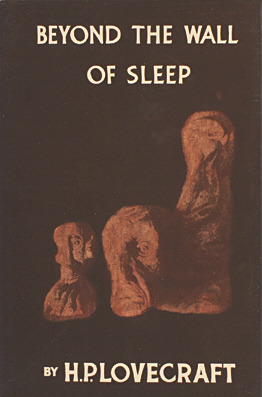
"Beyond the Wall of Sleep" delves into the baffling case of Joe Slater, an uneducated, institutionalized man whose violent outbursts coincide with profound, otherworldly dreams. A young intern, deeply interested in the nascent field of dream psychology, attempts to communicate with Slater's dreaming mind through a telepathic experiment, discovering an expansive, cosmic consciousness far beyond human comprehension or earthly experience. The story explores the boundaries between sanity and madness, the limitations of human perception, and the terrifying immensity of the universe.
The thematic parallels with "The Dreams in the Witch House" are striking. Both stories feature protagonists (Walter Gilman and Joe Slater) whose mental states are destabilized by their subconscious encounters with non-Euclidean geometries and alternate dimensions. Lovecraft masterfully crafts a sense of creeping dread as characters grapple with phenomena that defy scientific explanation, blurring the lines between nightmare and reality. The unsettling sensation of being an insignificant speck in a vast, indifferent cosmos is central to both narratives.
This story offers a compelling exploration of Lovecraft's core cosmic horror tenets. It provides a foundational understanding of his early forays into dream-scapes and otherworldly beings, setting the stage for his later, more developed mythos. For enthusiasts of psychological horror and tales where human understanding is profoundly challenged by the unknown, "Beyond the Wall of Sleep" stands as a significant and unsettling piece.
Beyond The Wall Of Sleep
"Beyond the Wall of Sleep" delves into the baffling case of Joe Slater, an uneducated, institutionalized man whose violent outbursts coincide with profound, otherworldly dreams. A young intern, deeply interested in the nascent field of dream psychology, attempts to communicate with Slater's dreaming mind through a telepathic experiment, discovering an expansive, cosmic consciousness far beyond human comprehension or earthly experience. The story explores the boundaries between sanity and madness, the limitations of human perception, and the terrifying immensity of the universe.
The thematic parallels with "The Dreams in the Witch House" are striking. Both stories feature protagonists (Walter Gilman and Joe Slater) whose mental states are destabilized by their subconscious encounters with non-Euclidean geometries and alternate dimensions. Lovecraft masterfully crafts a sense of creeping dread as characters grapple with phenomena that defy scientific explanation, blurring the lines between nightmare and reality. The unsettling sensation of being an insignificant speck in a vast, indifferent cosmos is central to both narratives.
This story offers a compelling exploration of Lovecraft's core cosmic horror tenets. It provides a foundational understanding of his early forays into dream-scapes and otherworldly beings, setting the stage for his later, more developed mythos. For enthusiasts of psychological horror and tales where human understanding is profoundly challenged by the unknown, "Beyond the Wall of Sleep" stands as a significant and unsettling piece.
Wake Up Screaming
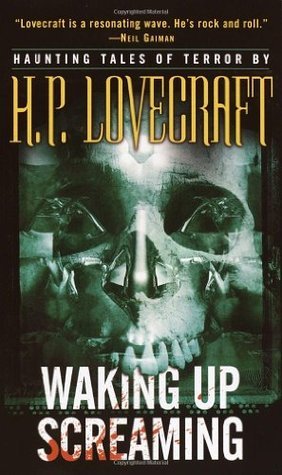
"Wake Up Screaming" delves into the psychological unraveling of a protagonist tormented by a progressively terrifying reality, where the line between dream and waking existence dissolves. He experiences vivid, disturbing visions and encounters with otherworldly entities, leading him to question his sanity and the very fabric of his environment. The narrative meticulously chronicles his descent into madness as he desperately tries to comprehend the source of these horrors.
This story shares significant thematic DNA with "The Dreams in the Witch House," particularly in its exploration of protagonists plagued by visions that blur the boundaries of reality. Both narratives feature a sense of cosmic dread and the intrusion of non-Euclidean geometries and ancient, malevolent forces into the mundane world. The slow, creeping dread and the psychological torment inflicted by these supernatural incursions are central to both works, as is the feeling of helplessness against forces beyond human comprehension.
This novella will appeal to those who appreciate Lovecraft's skill in crafting oppressive atmospheres and exploring themes of forbidden knowledge and cosmic insignificance. It powerfully demonstrates how the human mind can fracture under the weight of unthinkable truths, and its sustained suspense makes it a compelling study of psychological horror. This narrative offers a profound engagement with existential terror, proving invaluable for connoisseurs of the weird tale.
Wake Up Screaming
"Wake Up Screaming" delves into the psychological unraveling of a protagonist tormented by a progressively terrifying reality, where the line between dream and waking existence dissolves. He experiences vivid, disturbing visions and encounters with otherworldly entities, leading him to question his sanity and the very fabric of his environment. The narrative meticulously chronicles his descent into madness as he desperately tries to comprehend the source of these horrors.
This story shares significant thematic DNA with "The Dreams in the Witch House," particularly in its exploration of protagonists plagued by visions that blur the boundaries of reality. Both narratives feature a sense of cosmic dread and the intrusion of non-Euclidean geometries and ancient, malevolent forces into the mundane world. The slow, creeping dread and the psychological torment inflicted by these supernatural incursions are central to both works, as is the feeling of helplessness against forces beyond human comprehension.
This novella will appeal to those who appreciate Lovecraft's skill in crafting oppressive atmospheres and exploring themes of forbidden knowledge and cosmic insignificance. It powerfully demonstrates how the human mind can fracture under the weight of unthinkable truths, and its sustained suspense makes it a compelling study of psychological horror. This narrative offers a profound engagement with existential terror, proving invaluable for connoisseurs of the weird tale.
More Books to Explore
Discover more titles that expand on these ideas and themes.
The Haunter of the Dark: The H.P. Lovecraft Omnibus, #3
The Shunned House
The Case of Charles Dexter Ward
The Horror in the Museum
The Shadow over Innsmouth
The Dream Cycle of H.P. Lovecraft: Dreams of Terror and Death