
The Dunwich Horror and Others
Book Description
A grotesque force stirs in the shadowy corners of New England, lurking between the realms of reality and nightmare. In 'The Dunwich Horror and Others,' a tapestry of chilling tales unfolds, weaving together cosmic dread, unspeakable terrors, and the fragile grip of sanity. Dark secrets simmer beneath the surface of quaint towns, where grotesque beings and ancient rituals collide with the unsuspecting. As the fabric of existence frays, will humanity confront the monstrous truths lurking in the dark or succumb to the encroaching madness? Prepare to question what lies beyond and wonder: how far will one go to unveil the hidden horrors that haunt us all?
Quick Book Summary
The Dunwich Horror and Others is a cornerstone collection of H.P. Lovecraft's most enduring stories, presenting a chilling exploration of cosmic horror and humanity's vulnerability in the face of the unknown. Set in the haunted hills and darkened towns of New England, the anthology plunges readers into a world where the boundaries between reality and nightmare are fragile. Ancient beings, forbidden rituals, and the crumbling sanity of those who glimpse the truth create an atmosphere of mounting dread. Through stories like 'The Dunwich Horror,' 'The Call of Cthulhu,' and 'The Shadow Over Innsmouth,' Lovecraft crafts unsettling narratives that probe the insignificance of humanity in an indifferent universe, leaving an indelible mark on the horror genre.


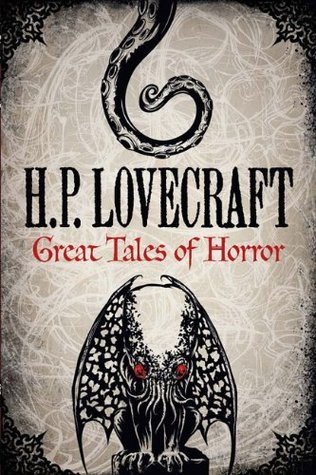


Summary of Key Ideas
Table of Contents
Cosmic Insignificance and Horror
The stories in this collection are unified by Lovecraft's distinct brand of cosmic horror, which suggests that humans are minuscule beings dwarfed by unfathomable cosmic forces. Lovecraft’s protagonists often become aware of powers, dimensions, and entities so vast and alien that human minds can barely comprehend them, leading to a pervasive sense of dread and helplessness. The horrors are not just physical threats, but existential revelations that undermine humanity’s self-importance and the perceived order of reality.
The Fragility of Sanity
Lovecraft masterfully employs the motif of crumbling sanity as his characters confront the impossible. Typical of the collection, heroes and ordinary townsfolk alike are drawn into investigations that reveal forbidden truths about their world. As the veil is lifted, the weight of their discoveries — ancient gods, blasphemous rituals, and monstrous offspring — erodes their minds. The fear is as much internal as external, with madness proving either a tragic end or a bitter refuge from reality.
Ancient Secrets and Forbidden Knowledge
Ancient secrets and forbidden knowledge are at the heart of many stories, most notably ‘The Dunwich Horror’ and ‘The Call of Cthulhu.’ Lovecraft’s New England is layered with histories both human and inhuman, where old tomes, archaic languages, and eldritch symbols act as doorways to unsettling truths. The stories highlight the dangers of curiosity—those who seek out these mysteries frequently become their victims, underscoring the peril of delving too deeply into the unknown.
Small Towns, Hidden Terrors
The collection emphasizes the deceptive tranquility of rural and small-town settings. Lovecraft’s fictional locales—such as Dunwich, Innsmouth, and Arkham—are suffused with unease and populated by insular communities guarding unspeakable secrets. The isolation of these towns intensifies the terror, as outside help is rare and suspicion lingers in every interaction. Here, the landscape itself seems complicit in the horrors, fostering both supernatural and psychological menace.
Encounters with the Unnameable
Across all stories, Lovecraft’s horror derives from that which cannot be named or fully described. Encounters with the unnameable, whether beings like Cthulhu or amorphous evils lurking just beyond perception, elude clear definition. This ambiguity makes the threat even more terrifying, fueling the imagination and heightening the stories’ oppressive atmosphere. The collection challenges readers to ponder the limits of knowledge and the costs of confronting the true nature of reality.
Download This Summary
Get a free PDF of this summary instantly — no email required.