10 Books Similar to "The Dark Room"
by Rachel Seiffert

The Reader

Bernhard Schlink's "The Reader" explores the complex relationship between a young man, Michael, and an older woman, Hanna Schmitz, which begins before he discovers her past as an SS guard at a concentration camp. The narrative delves into themes of guilt, responsibility, literacy, and the difficulty of confronting historical trauma, particularly through the lens of those who lived through or were implicated in the Holocaust.
"The Reader" resonates with "The Dark Room" through their shared exploration of German post-war guilt and the lingering shadows of World War II on subsequent generations. Both novels meticulously examine how individuals grapple with inherited moral burdens, scrutinizing the blurred lines between perpetrator, victim, and bystander, and the often-uncomfortable truth that love and complicity can coexist.
This book offers a profound examination of how societies confront deeply unsettling historical events and the personal toll such reckonings take. It prompts reflection on empathy, justice, and the subjective nature of truth, inviting a nuanced understanding of human behavior under extreme circumstances. Its exploration of moral ambiguity ensures a deeply engaging and thought-provoking experience.
The Reader
Bernhard Schlink's "The Reader" explores the complex relationship between a young man, Michael, and an older woman, Hanna Schmitz, which begins before he discovers her past as an SS guard at a concentration camp. The narrative delves into themes of guilt, responsibility, literacy, and the difficulty of confronting historical trauma, particularly through the lens of those who lived through or were implicated in the Holocaust.
"The Reader" resonates with "The Dark Room" through their shared exploration of German post-war guilt and the lingering shadows of World War II on subsequent generations. Both novels meticulously examine how individuals grapple with inherited moral burdens, scrutinizing the blurred lines between perpetrator, victim, and bystander, and the often-uncomfortable truth that love and complicity can coexist.
This book offers a profound examination of how societies confront deeply unsettling historical events and the personal toll such reckonings take. It prompts reflection on empathy, justice, and the subjective nature of truth, inviting a nuanced understanding of human behavior under extreme circumstances. Its exploration of moral ambiguity ensures a deeply engaging and thought-provoking experience.
Those Who Save Us

"Those Who Save Us" centers on Anna, a German woman who endured World War II in a desolate village, and her American daughter, Trudy, a history professor grappling with her mother's elusive past. As Trudy researches the psychology of collaboration and survival, she uncovers the uncomfortable truths of Anna's wartime choices, exploring the profound impact of secrets and trauma across generations.
The novel mirrors "The Dark Room" in its unflinching portrayal of ordinary Germans navigating the moral complexities and personal compromises of World War II. Both books delve into the lingering shadows of historical trauma, examining how individual experiences under a totalitarian regime shape identity and family narratives for decades. They skillfully employ a dual timeline or intergenerational perspective to reveal the profound, often painful, legacy of the past.
This book offers a compelling exploration of memory, truth, and the human capacity for resilience and culpability. Its intricate character development and nuanced historical setting provide a deep dive into the psychological toll of war and the enduring quest for understanding one's heritage, making it a powerful and thought-provoking experience.
Those Who Save Us
"Those Who Save Us" centers on Anna, a German woman who endured World War II in a desolate village, and her American daughter, Trudy, a history professor grappling with her mother's elusive past. As Trudy researches the psychology of collaboration and survival, she uncovers the uncomfortable truths of Anna's wartime choices, exploring the profound impact of secrets and trauma across generations.
The novel mirrors "The Dark Room" in its unflinching portrayal of ordinary Germans navigating the moral complexities and personal compromises of World War II. Both books delve into the lingering shadows of historical trauma, examining how individual experiences under a totalitarian regime shape identity and family narratives for decades. They skillfully employ a dual timeline or intergenerational perspective to reveal the profound, often painful, legacy of the past.
This book offers a compelling exploration of memory, truth, and the human capacity for resilience and culpability. Its intricate character development and nuanced historical setting provide a deep dive into the psychological toll of war and the enduring quest for understanding one's heritage, making it a powerful and thought-provoking experience.
The Book of Words

Jenny Erpenbeck's "The Book of Words" (also known as "The Old Child") centers on a young woman, identified only as "The Girl," who experiences the traumatic disintegration of her identity and memory due to unknown circumstances. Set in East Berlin, the narrative follows her attempt to reconstruct her past and understand herself through language, observation, and an almost forensic examination of her surroundings and human interactions. It's a profound exploration of memory, silence, and the fragmented nature of personal history within a specific geopolitical context.
The two novels share a profound thematic resonance in their exploration of how individual lives are shaped and scarred by historical events, particularly the lingering shadows of totalitarian regimes. Both "The Dark Room" and "The Book of Words" delve into the intergenerational impact of trauma, focusing on characters grappling with suppressed or lost histories and the personal cost of collective silence. They both use fragmented narratives and an interiority that reflects the characters' struggle to articulate and comprehend their pasts.
This book offers a compelling narrative for those who appreciate literary fiction that probes the psychological and ethical complexities of history. Its delicate prose and profound insights into memory, identity, and the power of language provide a deeply moving and intellectually stimulating experience. It provides valuable insight into the human condition under duress and the persistent search for meaning amidst fractured realities.
The Book of Words
Jenny Erpenbeck's "The Book of Words" (also known as "The Old Child") centers on a young woman, identified only as "The Girl," who experiences the traumatic disintegration of her identity and memory due to unknown circumstances. Set in East Berlin, the narrative follows her attempt to reconstruct her past and understand herself through language, observation, and an almost forensic examination of her surroundings and human interactions. It's a profound exploration of memory, silence, and the fragmented nature of personal history within a specific geopolitical context.
The two novels share a profound thematic resonance in their exploration of how individual lives are shaped and scarred by historical events, particularly the lingering shadows of totalitarian regimes. Both "The Dark Room" and "The Book of Words" delve into the intergenerational impact of trauma, focusing on characters grappling with suppressed or lost histories and the personal cost of collective silence. They both use fragmented narratives and an interiority that reflects the characters' struggle to articulate and comprehend their pasts.
This book offers a compelling narrative for those who appreciate literary fiction that probes the psychological and ethical complexities of history. Its delicate prose and profound insights into memory, identity, and the power of language provide a deeply moving and intellectually stimulating experience. It provides valuable insight into the human condition under duress and the persistent search for meaning amidst fractured realities.
A Flicker of Light
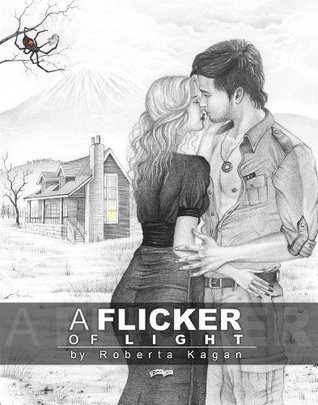
"A Flicker of Light" chronicles the harrowing experiences of a Jewish family during the rise of Nazism in Germany and their subsequent struggle for survival in the ghettos and concentration camps. It spotlights the relentless persecution, the impossible choices made under duress, and the fragile connections that sustain individuals amidst unimaginable brutality.
This novel shares crucial thematic commonalities with "The Dark Room" through its unflinching examination of the human cost of World War II, particularly the civilian experience. Both books explore the moral complexities of survival, the lingering trauma of historical events, and how ordinary lives are irrevocably altered by widespread societal collapse and systemic violence. Each delves into the personal narratives woven into the fabric of a horrific historical period.
The compelling narrative and emotional depth make "A Flicker of Light" a vital read. It offers a powerful, intimate perspective on one of history's darkest chapters, fostering empathy and understanding for the victims of genocide. The book serves as a poignant reminder of resilience and the imperative to remember, ensuring that such atrocities are neither forgotten nor repeated.
A Flicker of Light
"A Flicker of Light" chronicles the harrowing experiences of a Jewish family during the rise of Nazism in Germany and their subsequent struggle for survival in the ghettos and concentration camps. It spotlights the relentless persecution, the impossible choices made under duress, and the fragile connections that sustain individuals amidst unimaginable brutality.
This novel shares crucial thematic commonalities with "The Dark Room" through its unflinching examination of the human cost of World War II, particularly the civilian experience. Both books explore the moral complexities of survival, the lingering trauma of historical events, and how ordinary lives are irrevocably altered by widespread societal collapse and systemic violence. Each delves into the personal narratives woven into the fabric of a horrific historical period.
The compelling narrative and emotional depth make "A Flicker of Light" a vital read. It offers a powerful, intimate perspective on one of history's darkest chapters, fostering empathy and understanding for the victims of genocide. The book serves as a poignant reminder of resilience and the imperative to remember, ensuring that such atrocities are neither forgotten nor repeated.
The Aftermath

"The Aftermath" is set in Hamburg, 1946, and follows Colonel Lewis Morgan, a British officer tasked with rebuilding the bombed city. His family – his German-hating wife Rachael and their son – join him, and they are billeted in half of a grand house, forced to share with the German owner, an architect named Stefan Lubert, and his daughter. This forced cohabitation in a city grappling with the raw wounds of war exposes deep-seated prejudices, ethical dilemmas, and the complex human capacity for both hatred and forgiveness amidst the ruins.
Both novels compellingly explore the immediate aftermath of World War II in Germany, focusing on the human impact and moral ambiguities rather than grand wartime narratives. "The Aftermath" mirrors "The Dark Room" in its intimate portrayal of ordinary lives irrevocably altered by conflict, and the struggle to rebuild, both physically and emotionally, after devastating loss. They share a poignant exploration of guilt, victimhood, and the search for identity and reconciliation in a fractured landscape.
This novel will resonate with those who appreciate historical fiction that delves into the psychological and societal repercussions of conflict. It offers a nuanced perspective on the post-war period, challenging simplistic notions of victor and vanquished, and instead highlighting the shared humanity and profound complexities of rebuilding lives amidst destruction. It provides a thoughtful meditation on grief, survival, and the enduring power of connection across divides.
The Aftermath
"The Aftermath" is set in Hamburg, 1946, and follows Colonel Lewis Morgan, a British officer tasked with rebuilding the bombed city. His family – his German-hating wife Rachael and their son – join him, and they are billeted in half of a grand house, forced to share with the German owner, an architect named Stefan Lubert, and his daughter. This forced cohabitation in a city grappling with the raw wounds of war exposes deep-seated prejudices, ethical dilemmas, and the complex human capacity for both hatred and forgiveness amidst the ruins.
Both novels compellingly explore the immediate aftermath of World War II in Germany, focusing on the human impact and moral ambiguities rather than grand wartime narratives. "The Aftermath" mirrors "The Dark Room" in its intimate portrayal of ordinary lives irrevocably altered by conflict, and the struggle to rebuild, both physically and emotionally, after devastating loss. They share a poignant exploration of guilt, victimhood, and the search for identity and reconciliation in a fractured landscape.
This novel will resonate with those who appreciate historical fiction that delves into the psychological and societal repercussions of conflict. It offers a nuanced perspective on the post-war period, challenging simplistic notions of victor and vanquished, and instead highlighting the shared humanity and profound complexities of rebuilding lives amidst destruction. It provides a thoughtful meditation on grief, survival, and the enduring power of connection across divides.
Gretel and the Dark
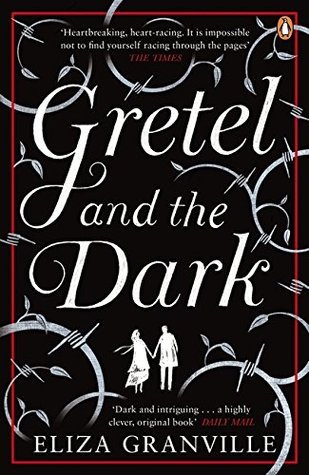
"Gretel and the Dark" interweaves two distinct narratives: a young girl’s harrowing escape from Nazi Germany in 1938 and a psychoanalyst’s investigation into a disturbed patient in 1947 London. Hannah, the girl, arrives in England traumatized and mute, finding a fragile sanctuary with a reclusive professor and his housekeeper. Across the war-torn years, the parallel story follows Dr. Marianne Engel’s attempt to unpack the fractured mind of a patient whose silence and fragmented memories echo the profound suffering of a generation.
The resemblance to "The Dark Room" lies in their shared exploration of the enduring psychological scars left by World War II, particularly the German experience. Both novels delve into the aftermath of immense societal trauma, focusing on individuals grappling with memory, guilt, and the slow, arduous process of healing. They also share a commitment to historical authenticity and a nuanced portrayal of characters haunted by the past while attempting to forge a future.
This novel offers a compelling and emotionally resonant journey into the human capacity for resilience and the complex legacy of wartime atrocities. It provides a deeper understanding of historical trauma through intimate character studies, enriching perspectives on mental health, and the profound impact of collective memory. Its layered narrative and psychological depth make it a valuable exploration of personal and societal recovery.
Gretel and the Dark
"Gretel and the Dark" interweaves two distinct narratives: a young girl’s harrowing escape from Nazi Germany in 1938 and a psychoanalyst’s investigation into a disturbed patient in 1947 London. Hannah, the girl, arrives in England traumatized and mute, finding a fragile sanctuary with a reclusive professor and his housekeeper. Across the war-torn years, the parallel story follows Dr. Marianne Engel’s attempt to unpack the fractured mind of a patient whose silence and fragmented memories echo the profound suffering of a generation.
The resemblance to "The Dark Room" lies in their shared exploration of the enduring psychological scars left by World War II, particularly the German experience. Both novels delve into the aftermath of immense societal trauma, focusing on individuals grappling with memory, guilt, and the slow, arduous process of healing. They also share a commitment to historical authenticity and a nuanced portrayal of characters haunted by the past while attempting to forge a future.
This novel offers a compelling and emotionally resonant journey into the human capacity for resilience and the complex legacy of wartime atrocities. It provides a deeper understanding of historical trauma through intimate character studies, enriching perspectives on mental health, and the profound impact of collective memory. Its layered narrative and psychological depth make it a valuable exploration of personal and societal recovery.
Austerlitz

"Austerlitz" chronicles the life of its eponymous protagonist, a man piecing together the fragmented memories of his childhood after discovering he was a Jewish refugee sent to live in Wales during World War II. The narrative unfolds through his encounters and reflections, blending history, photography, and personal testimony to explore themes of displacement, trauma, and identity.
Both "Austerlitz" and "The Dark Room" delve into the enduring psychological impact of historical trauma, particularly the Holocaust and its aftermath, on subsequent generations. They share a mosaic-like narrative structure, relying on interwoven personal histories and visual elements (photographs in Sebald, family albums in Seiffert) to confront the uncomfortable truths of the past and explore the complexities of memory and inheritance.
This book offers a profound and contemplative experience, providing insight into how grand historical events ripple through individual lives and shape personal identity across generations. Its blend of meticulous research, evocative prose, and philosophical depth makes it a compelling read for those interested in the human cost of conflict and the persistent search for meaning in the shadow of history.
Austerlitz
"Austerlitz" chronicles the life of its eponymous protagonist, a man piecing together the fragmented memories of his childhood after discovering he was a Jewish refugee sent to live in Wales during World War II. The narrative unfolds through his encounters and reflections, blending history, photography, and personal testimony to explore themes of displacement, trauma, and identity.
Both "Austerlitz" and "The Dark Room" delve into the enduring psychological impact of historical trauma, particularly the Holocaust and its aftermath, on subsequent generations. They share a mosaic-like narrative structure, relying on interwoven personal histories and visual elements (photographs in Sebald, family albums in Seiffert) to confront the uncomfortable truths of the past and explore the complexities of memory and inheritance.
This book offers a profound and contemplative experience, providing insight into how grand historical events ripple through individual lives and shape personal identity across generations. Its blend of meticulous research, evocative prose, and philosophical depth makes it a compelling read for those interested in the human cost of conflict and the persistent search for meaning in the shadow of history.
Siegfried: A Black Idyll

"Siegfried: A Black Idyll" explores the idea of a secret child born to Adolf Hitler and Eva Braun, raised in isolation. The novel delves into the implications of such an existence, probing themes of inherited guilt, destiny, and the possibility of escaping one's origins when those origins are inextricably linked to pure evil. It's a philosophical examination of human nature and the indelible mark of history.
The parallel with "The Dark Room" lies in their shared exploration of the enduring legacy of Nazi Germany and the complex internal lives of characters grappling with its aftermath. Both novels use fictional narratives to dissect the concept of culpability across generations, the psychological burden of a dark past, and the struggle for individual identity when interwoven with collective trauma. They question how deeply societal horrors penetrate personal lives and define subsequent generations.
This book offers a compelling thought experiment for those fascinated by historical fiction that transcends simple recounting. It provides intellectual stimulation through its examination of predestination versus free will, and the ethical dilemmas inherent in confronting monstrous legacies. It grants a profound opportunity to reflect on humanity's capacity for both good and evil, and the haunting reverberations of history.
Siegfried: A Black Idyll
"Siegfried: A Black Idyll" explores the idea of a secret child born to Adolf Hitler and Eva Braun, raised in isolation. The novel delves into the implications of such an existence, probing themes of inherited guilt, destiny, and the possibility of escaping one's origins when those origins are inextricably linked to pure evil. It's a philosophical examination of human nature and the indelible mark of history.
The parallel with "The Dark Room" lies in their shared exploration of the enduring legacy of Nazi Germany and the complex internal lives of characters grappling with its aftermath. Both novels use fictional narratives to dissect the concept of culpability across generations, the psychological burden of a dark past, and the struggle for individual identity when interwoven with collective trauma. They question how deeply societal horrors penetrate personal lives and define subsequent generations.
This book offers a compelling thought experiment for those fascinated by historical fiction that transcends simple recounting. It provides intellectual stimulation through its examination of predestination versus free will, and the ethical dilemmas inherent in confronting monstrous legacies. It grants a profound opportunity to reflect on humanity's capacity for both good and evil, and the haunting reverberations of history.
Patterns of Childhood

"Patterns of Childhood" by Christa Wolf meticulously reconstructs a German woman's memories of her upbringing in Nazi Germany. Through the protagonist Nelly, Wolf explores the fraught process of confronting a national past, grappling with personal complicity, and understanding how profoundly ideology shaped her early life and perception. It's a deeply interior and analytical journey into the psychology of memory and the ethical burden of remembrance.
The similarity to Rachel Seiffert's "The Dark Room" lies in their shared thematic core: the intergenerational impact and persistent trauma of World War II and the Holocaust on subsequent German identity. Both novels unflinchingly examine how German individuals, whether directly involved or born into the aftermath, are compelled to confront the past. They explore the nuanced ways historical guilt and shame manifest in personal lives and family narratives, forcing characters to reconcile with uncomfortable truths.
This novel will resonate with those seeking profound insights into historical memory and national identity. Its introspective depth offers a powerful exploration of how individuals come to terms with morally complex eras, providing a valuable lens through which to understand the enduring human struggle for accountability and authenticity amidst historical shadows.
Patterns of Childhood
"Patterns of Childhood" by Christa Wolf meticulously reconstructs a German woman's memories of her upbringing in Nazi Germany. Through the protagonist Nelly, Wolf explores the fraught process of confronting a national past, grappling with personal complicity, and understanding how profoundly ideology shaped her early life and perception. It's a deeply interior and analytical journey into the psychology of memory and the ethical burden of remembrance.
The similarity to Rachel Seiffert's "The Dark Room" lies in their shared thematic core: the intergenerational impact and persistent trauma of World War II and the Holocaust on subsequent German identity. Both novels unflinchingly examine how German individuals, whether directly involved or born into the aftermath, are compelled to confront the past. They explore the nuanced ways historical guilt and shame manifest in personal lives and family narratives, forcing characters to reconcile with uncomfortable truths.
This novel will resonate with those seeking profound insights into historical memory and national identity. Its introspective depth offers a powerful exploration of how individuals come to terms with morally complex eras, providing a valuable lens through which to understand the enduring human struggle for accountability and authenticity amidst historical shadows.
Secrets She Kept
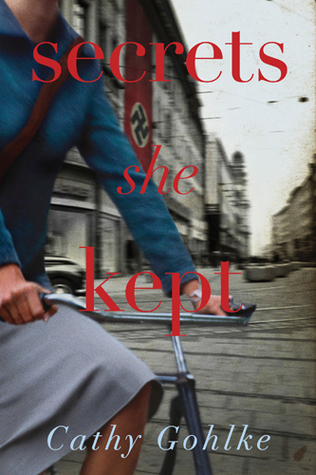
"Secrets She Kept" navigates the harrowing realities of WWII Germany through the eyes of a devout Christian woman navigating profound moral dilemmas. As her country plunges into increasingly brutal atrocities against Jewish citizens, she finds herself entangled in a perilous underground resistance, harboring Jewish families, and risking everything to uphold her faith and human decency amidst unimaginable darkness. The narrative intricately weaves her personal struggle with the larger historical context, highlighting the immense courage required to defy a tyrannical regime.
This novel shares a striking thematic resonance with "The Dark Room" through its exploration of individual responsibility and moral compromise during WWII. Both books delve into the lingering psychological scars of those who either participated in, witnessed, or resisted the war's horrors. They similarly employ a multi-perspective structure (though "Secrets She Kept" focuses primarily on one woman's journey with wider implications), offering intimate glimpses into the profound impact of historical trauma on personal lives and relationships, and the difficult choices made under extreme duress.
Individuals seeking powerful historical fiction rooted in human resilience and moral courage will find this book deeply rewarding. It offers a poignant examination of faith tested by unimaginable evil, the hidden acts of heroism, and the enduring strength of the human spirit in the face of persecution. The narrative provides valuable insight into the often-untold stories of resistance within Nazi Germany, fostering a deeper understanding of this complex historical period and its ethical implications.
Secrets She Kept
"Secrets She Kept" navigates the harrowing realities of WWII Germany through the eyes of a devout Christian woman navigating profound moral dilemmas. As her country plunges into increasingly brutal atrocities against Jewish citizens, she finds herself entangled in a perilous underground resistance, harboring Jewish families, and risking everything to uphold her faith and human decency amidst unimaginable darkness. The narrative intricately weaves her personal struggle with the larger historical context, highlighting the immense courage required to defy a tyrannical regime.
This novel shares a striking thematic resonance with "The Dark Room" through its exploration of individual responsibility and moral compromise during WWII. Both books delve into the lingering psychological scars of those who either participated in, witnessed, or resisted the war's horrors. They similarly employ a multi-perspective structure (though "Secrets She Kept" focuses primarily on one woman's journey with wider implications), offering intimate glimpses into the profound impact of historical trauma on personal lives and relationships, and the difficult choices made under extreme duress.
Individuals seeking powerful historical fiction rooted in human resilience and moral courage will find this book deeply rewarding. It offers a poignant examination of faith tested by unimaginable evil, the hidden acts of heroism, and the enduring strength of the human spirit in the face of persecution. The narrative provides valuable insight into the often-untold stories of resistance within Nazi Germany, fostering a deeper understanding of this complex historical period and its ethical implications.
More Books to Explore
Discover more titles that expand on these ideas and themes.
The Reader
Those Who Save Us
The Book of Words
A Flicker of Light
The Aftermath
Gretel and the Dark